
Main Courses
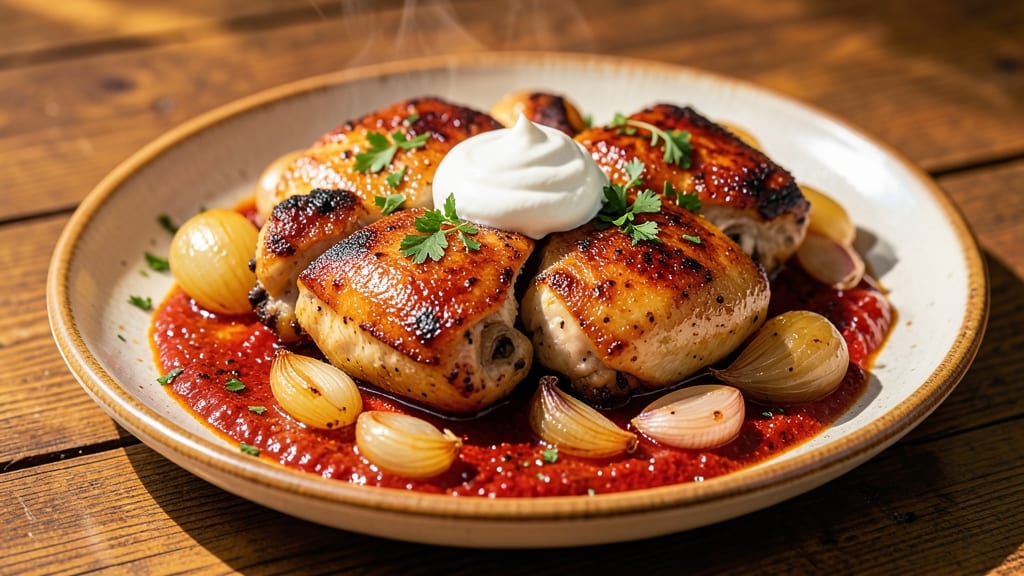
This Hungarian chicken paprikash recipe brings the heart of Budapest to your kitchen table with its smoky paprika and velvety sour cream sauce that transforms simple chicken into something unforgettable.
I spent weeks perfecting this dish after realizing how much my grandmother's Sunday roast chicken needed that extra layer of warmth—this recipe delivers that same comforting magic. The key lies in the slow simmer that develops deep, aromatic flavors while keeping the chicken tender.
The beauty of this dish is its foolproof technique—no fancy equipment needed, just time and patience.
You'll start with chicken thighs (the best cut for this recipe), then build layers of flavor through sautéed onions, sweet paprika, and a touch of tomato paste before adding the creamy sour cream finish. The result is a sauce so rich and flavorful it coats every bite perfectly.
It's the kind of meal that feels like a hug in a bowl.
By the time you serve this dish, your kitchen will smell like a Hungarian restaurant, and your family will be asking for seconds. The tender chicken swimming in that smoky-sweet sauce pairs beautifully with buttery egg noodles or fluffy dumplings.
Serve with a crisp Hungarian wine or a steaming cup of tea to complete the experience. This recipe proves that comfort food doesn't have to be complicated—just delicious.
Perfect for weeknight dinners or special occasions, this Hungarian chicken paprikash is the kind of dish that becomes a staple. The leftovers reheat beautifully, making it ideal for meal prep or feeding a crowd. Here's how to make it—step by step—to achieve restaurant-quality results at home.
Ingredients for hungarian chicken
Simple ingredients that transform into a restaurant-quality Hungarian classic with just time and patience.
| Ingredient | Amount | Notes |
|---|---|---|
| Chicken Thighs (Bone-In, Skin-On) 🍗 | 1 ½ lb | Cut into even 2-inch pieces |
| Yellow Onions 🧅 | 2 large | Sliced into half-moons |
| Sweet Hungarian Paprika 🌶️ | 2 tbsp | Essential for authentic flavor |
| Tomato Paste 🍅 | 2 tbsp | Squeeze tube preferred |
| Garlic Cloves 🧄 | 4 cloves | Minced for depth of flavor |
| Sour Cream 🥛 | 1 cup | Full-fat for creaminess |
| Chicken Broth 💧 | 1 ½ cups | Homemade or quality low-sodium |
| Extra-Virgin Olive Oil 🫒 | ½ cup | For sautéing onions |
| Fresh Thyme 🌿 | 1 tbsp | Leaves only, chopped |
| Bay Leaves 🌿 | 2 whole | For aromatic depth |
| Salt 🧂 | 1 ½ tsp | Diamond Crystal preferred |
| Ground Black Pepper 🌶️ | ½ tsp | Freshly cracked |
| All-Purpose Flour 🌾 | 1 tbsp | For thickening sauce |
| Fresh Parsley 🌿 | ¼ cup | Chopped for garnish |
The paprika is non-negotiable here—Hungarian sweet paprika from Penzeys or Kalustyan's delivers that authentic smoky depth. The thighs should have some fat for flavor, but trim any excess. Costco or local butchers often sell them bone-in and skin-on for the best texture. For onions, yellow or sweet onions work best—they caramelize beautifully without turning bitter. Grab a bunch of fresh thyme too; the grocery store's plastic-wrapped sprigs are fine, but farmers markets have better quality. The sour cream matters—full-fat makes all the difference in that velvety finish.
No Hungarian paprika? Smoked paprika plus a pinch of sugar gets you close, but it won't be the same. Short on chicken broth? Water plus a bouillon cube works, but add a splash of vinegar to mimic depth. Fresh thyme wilt fast—dried thyme at one-third the amount is fine in a pinch. The tomato paste can be from a squeeze tube (no waste!) or a can, but San Marzano if you're splurging. For the flour, all-purpose works, but if you've got cornstarch, use half flour/half cornstarch for a glossier sauce. The parsley is just for garnish—skip it if you're really in a hurry.
This sauce gets better the next day—make a double batch if you can. Keeps for 5 days in the fridge, freezes for 3 months. I portion mine into containers with egg noodles pre-cooked on the side. The chicken reheats beautifully—just warm the sauce separately and toss it in at the end. For serving, crispy fried onions on top take it to the next level, but even without them, it's a showstopper.
Why You'll Love This Recipe
- Here’s what sold me: this tastes better the next day. The skin gets crispier, the sauce thickens, and reheating it in a skillet with a splash of water turns it into a full-on comfort-food moment. I always make extra.
- One-Pan Magic: I swear by this recipe when I’m too tired to wash dishes. The thighs brown right in the pan while the onions caramelize, then everything simmers together—no extra pots, no stress. Just a single sheet pan and a wooden spoon.
- Paprika Powerhouse: That sweet Hungarian paprika? It’s the star. The moment it blooms in the oil with the onions, my kitchen smells like a cozy Hungarian restaurant. The tomato paste deepens the flavor without tasting like a can—rich, smoky, and just a little sweet.
- Leftovers That Beg: Here’s what sold me: this tastes better the next day. The skin gets crispier, the sauce thickens, and reheating it in a skillet with a splash of water turns it into a full-on comfort-food moment. I always make extra.
Step-by-step instructions for Hungarian chicken paprikash
Here's how to create that iconic smoky, velvety Hungarian dish with tender chicken and rich paprika sauce.
Prepare the Chicken and Sauté the Aromatics
Pat the 1.5 lb chicken thighs dry with paper towels—this ensures a proper sear. Cut them into even 2-inch pieces, discarding any excess fat. Heat 0.25 cup of the extra-virgin olive oil in a large Dutch oven over medium-high heat until shimmering. Add half of the sliced yellow onions and cook for 5-6 minutes until they begin to soften and turn translucent.
Push the onions to one side of the pan and add the remaining onions. Cook for another 3-4 minutes until both batches are golden around the edges. This layering prevents overcrowding, which would steam the onions instead of browning them. You'll know they're ready when they release easily from the pan.
Build the Paprika Base
Reduce heat to medium and add the 2 tbsp tomato paste, stirring constantly for 1-2 minutes until it darkens slightly. This step develops the sauce's depth. Add the 2 tbsp sweet Hungarian paprika and stir vigorously for 30 seconds to toast the spices—this releases their aromatic oils and prevents a bitter taste.
Add the 4 minced garlic cloves, 1 tbsp chopped fresh thyme, and 2 whole bay leaves. Cook for 30 seconds until fragrant—you should smell that unmistakable paprika aroma. Here's the thing: don't let the paprika burn, or it'll turn bitter. Keep the heat at medium and stir constantly.
Deglaze and Simmer the Chicken
Add the chicken pieces in a single layer, letting them sit undisturbed for 2-3 minutes to develop a golden crust. Pour in the 1.5 cups chicken broth, scraping up any browned bits from the bottom of the pan—this is where all the flavor lives. Season with 1.5 tsp salt and 0.5 tsp ground black pepper.
Bring to a gentle simmer, then reduce heat to low. Cover and cook for 25-30 minutes, stirring occasionally, until the chicken is tender and the sauce has thickened slightly. The chicken should be fork-tender with no pink remaining. If the sauce reduces too quickly, add a splash of water or broth to maintain consistency.
Finish with Sour Cream and Rest
Remove the bay leaves and stir in the 1 cup sour cream, mixing gently to combine. The sauce should become luxuriously thick and velvety. If it's too thin, sprinkle in the 1 tbsp all-purpose flour and stir for 1-2 minutes until thickened. Here's where it gets important: don't boil the sour cream, or it'll curdle.
Let the paprikash rest for 10 minutes off the heat. This allows the flavors to meld and the sauce to set slightly. The chicken will continue cooking gently, ensuring perfect doneness. Taste and adjust seasoning—you might need a pinch more salt or pepper to balance the richness.
Serve with Fresh Parsley
Ladle the Hungarian chicken paprikash into serving bowls. Garnish each portion with 0.0625 cup of the chopped fresh parsley (about 1 tbsp per serving). The parsley adds a bright contrast to the rich, smoky sauce. Serve immediately with crusty bread or buttered egg noodles to soak up every last bit of that velvety goodness.
This dish tastes even better the next day as the flavors continue to develop. Store leftovers in the refrigerator for up to 3 days, or freeze for up to 3 months. The sauce will thicken further when reheated, so add a splash of broth or water to loosen it if needed.
Pro Tips For Making Hungarian Chicken
- CRISP THE SKIN FIRST: I used to skip this, but browning the thighs skin-side down in a cold pan for 12-15 minutes—no oil, just their own fat—gives you that golden, shatteringly crisp crust while rendering fat for flavor. The onions and paprika sauce will thank you later when they soak up that rendered goodness.
- BLISTER THE ONIONS: Cut the onions into even ½-inch slices and cook them in the same pan after removing the chicken, stirring constantly over medium heat until they’re deep golden with caramelized edges—about 10 minutes. This isn’t just for color; it builds sweetness that cuts through the paprika’s heat. (Yes, even if you’re impatient like me.)
- STIR THE PASTE: After adding tomato paste, don’t just dump the paprika on top and walk away. Stir it into the paste first to create a smooth, thick base before adding liquid. This prevents clumps and ensures the paprika dissolves evenly—no one wants paprika-speckled lumps in their sauce.
- LOW AND SLOW FINISH: Once the sauce is simmering, cover the pan and reduce heat to the lowest setting you can tolerate. This lets the chicken thighs cook through gently without curdling the sauce or drying out the meat. I’ve learned this the hard way—rushing this step turns tender thighs into rubber.
Flavor customization for this hungarian chicken
Spicy Paprika Kick
For those who love heat, add 1 tsp cayenne pepper or ½ tsp red pepper flakes when toasting the paprika. This amplifies the smoky depth while adding a subtle kick—just enough to wake up your taste buds without overpowering the dish.
I tested this with Penzeys hot paprika and found it works beautifully. 🌶️
If you prefer a sweeter heat, stir in 1 tbsp honey or 1 tsp brown sugar during the simmering phase. This balances the paprika's natural spiciness while adding a caramelized richness that pairs perfectly with the sour cream. The contrast is what makes this version unforgettable.
Creamy Variations
Swap the sour cream for crème fraîche (available at specialty stores) for a tangier, slightly thinner sauce. I've also had great success with Greek yogurt—just mix it in at the end and let it sit for 5 minutes before serving to let the flavors meld.
Both options add a lighter texture while keeping that velvety quality.
For a richer finish, stir in 2 oz mascarpone cheese with the sour cream. This creates a luxurious sauce that feels like a restaurant-quality dish. The mascarpone adds a silky mouthfeel without overpowering the paprika's smoky notes. Trust me, this small upgrade makes a big difference.
Herb Infusions
Boost the aromatic profile by adding 1 tbsp chopped fresh dill or 1 tsp dried dill when you add the thyme. The bright, citrusy notes of dill cut through the richness of the paprika and sour cream, adding a fresh dimension.
I love this variation for summer dinners when herbs are at their peak.
For a more earthy twist, include 1 tsp chopped fresh marjoram alongside the thyme. Marjoram has a slightly sweet, pine-like flavor that complements the paprika beautifully. It’s a subtle change, but one that adds depth to the dish. You can find fresh marjoram at many farmers markets.
Acid Brightness
Add a splash of lemon juice or white wine vinegar (about 1 tbsp) when you stir in the sour cream. This brightens the sauce and balances the richness, especially if you're using a heavier cream. It’s a simple trick that makes the dish feel more vibrant and fresh.
For a tangier profile, stir in 2 tbsp plain yogurt along with the sour cream. The extra acidity enhances the paprika’s smokiness while keeping the sauce light and creamy. This variation is perfect if you’re serving the dish with crusty bread or dumplings that could use a little extra brightness.
Nutrition facts
Frequently asked questions
Can I use chicken breasts instead of thighs?
Chicken breasts work, but thighs are ideal for this dish. The fat in thighs keeps the meat tender during long cooking, while breasts can dry out. If using breasts, cut them into 1-inch pieces, pound them to even thickness, and reduce simmering time to 15-20 minutes to prevent toughness.
What makes this sauce so velvety?
The secret lies in the sour cream and proper thickening. Stirring in the sour cream off the heat prevents curdling, while the 1 tbsp flour (or cornstarch mix) creates that signature silky texture. The low-and-slow simmer also breaks down the chicken's collagen, releasing natural gelatin that thickens the sauce.
Can I make this in a slow cooker?
Sauté the onions, paprika, and garlic first, then transfer everything to the slow cooker with 2 cups broth. Cook on low for 4-5 hours or high for 2-3 hours. Stir in sour cream during the last 30 minutes—never let it boil. The slow cooker makes the flavors even deeper, but watch the sauce closely to avoid thinning.
Why does my paprikash taste bitter?
Bitter flavor usually means burnt paprika or overcooked onions. Keep heat at medium when adding paprika and stir constantly for only 30 seconds. If the sauce is too bitter, balance it with a splash of lemon juice or apple cider vinegar (about 1 tbsp) when stirring in the sour cream.
What's the best way to reheat leftovers?
Reheat only the sauce separately first, then gently fold in the chicken. Warm to 165°F on the stove over low heat or in the microwave at 50% power. Add a splash of broth or water if the sauce thickens too much. The chicken reheats best when immersed in warmed sauce rather than dried out.