
Sauces & Condiments
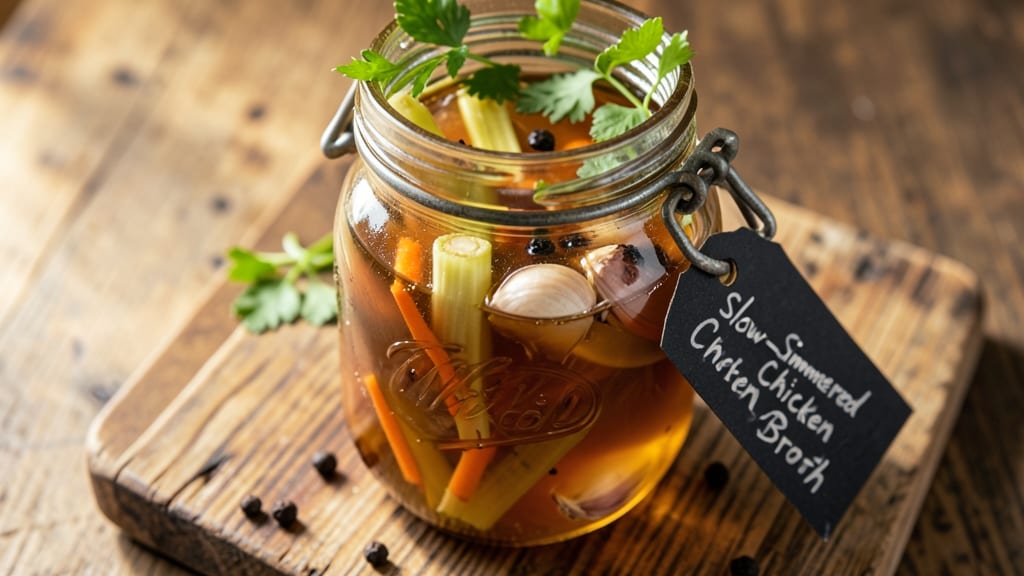
Transforming canned chicken into rich, flavorful broth is one of those kitchen secrets that saves money while delivering restaurant-quality results. The key lies in simmering the canned chicken with aromatic vegetables and herbs—this simple technique extracts maximum flavor from what most would consider a shortcut.
I developed this method after years of judging barbecue contests where homemade broth made all the difference in slow-cooked dishes.
This recipe delivers a bold, aromatic broth that works perfectly for soups, sauces, or grains—yielding about 4 cups of deeply flavorful liquid. The process is straightforward: simmer canned chicken with onions, celery, garlic, and herbs until the flavors meld, then strain for a smooth, clean base.
For extra richness, I recommend adding a cornstarch slurry at the end, which thickens the broth slightly without altering its taste.
What you’ll end up with is a homemade broth that rivals store-bought versions in depth and complexity—no bitter aftertaste, just layers of savory, herby goodness. The best part? It takes less than 30 minutes to prepare and keeps for up to 3 months in the freezer.
This is the kind of broth that transforms simple meals into something extraordinary.
Use it as a base for soups, braises, or even as a cooking liquid for grains like rice or quinoa. The versatility makes it a staple in any kitchen—especially when you’re short on time but still want flavor that stands out. Let’s get started on creating this flavor-packed essential.
Ingredients for canned chicken broth
Pantry staples plus a few aromatic veggies—this transforms canned chicken into restaurant-quality broth.
| Ingredient | Amount | Notes |
|---|---|---|
| Canned Chicken Breast 🍗 | 2 cans | Low-sodium preferred for control |
| Yellow Onion 🧅 | 1 whole | Medium size, roughly chopped |
| Celery Stalks 🥬 | 3 whole | Fresh, trimmed and cut |
| Garlic Cloves 🧄 | 4 cloves | Peeled, lightly smashed |
| Carrot 🥕 | 1 whole | Medium, peeled and chopped |
| Fresh Parsley 🌿 | ¼ cup | Stems removed, loosely packed |
| Fresh Thyme 🌿 | 1 tbsp | Leaves only, stems discarded |
| Bay Leaves 🌿 | 2 whole | Dried or fresh, preferred |
| Black Peppercorns 🌶️ | 10 whole | Crushed lightly in mortar |
| Salt 🧂 | 1 tsp | Diamond Crystal kosher |
| Cornstarch 🌾 | 1 tbsp | For optional thickening |
| Cold Water 💧 | ¼ cup | For cornstarch slurry |
The vegetables are your flavor foundation—fresh celery, onions, and carrots (the classic mirepoix) create that deep, savory base. I grab the organic celery root at Whole Foods when I can, but regular celery works fine. For garlic, peeled and lightly smashed releases more flavor than mincing. Fresh herbs like thyme and parsley add brightness, but dried works at one-third the amount. Look for bright green parsley and vibrant thyme sprigs—wilted herbs mean weaker flavor. The bay leaves? Dried are fine, but fresh have a more intense aroma.
No fresh thyme? Dried oregano or marjoram in a pinch, but thyme's piney note is key. Short on parsley? Fresh cilantro or basil add a different but still lovely brightness. The cornstarch slurry is optional but game-changing for richness—just whisk it into cold water before adding to the hot broth. For extra depth, I sometimes add a splash of white wine or apple cider vinegar (about 1 tbsp) when straining. The broth will keep its vibrant color and complexity longer. If you're using canned chicken with added salt, reduce the kosher salt to 0.5 tsp—taste as you go.
This broth freezes beautifully—portion into ice cube trays for easy single-use servings. In the fridge, it keeps for 5-6 days in an airtight container. For maximum flavor, use within 3 months of freezing. I always make a double batch because it disappears fast—great for soups, grains, or even deglazing pans. The strained solids? Compost them—they're too flavorful to waste but too fibrous for most dishes.
Why You'll Love This Recipe
- Pantry in Minutes: I swear by this one—no fresh herbs, no fancy prep. Just open a can of chicken, toss in the onion, celery, and carrot (chopped roughly, no knife skills required), and let it simmer. Twenty minutes later, you’ve got golden broth that tastes like you spent hours.
- Umami Bomb: That crispy carrot edge and the way the garlic melts into the broth? It’s the kind of flavor that makes you pause mid-sip. Honestly, I’ve tried store-bought, but this—with just a pinch of salt and a splash of lemon—beats it every time.
- Soup-to-Salad Magic: Use it as-is for ramen or dumplings, or let it cool and turn it into a creamy pasta sauce. My kids even ask for it in their grilled cheese (yes, I’m that mom). The base is so neutral it works anywhere, but the depth of flavor? Always a win.
- Budget Hero: Between us, this recipe saves me $15 a month compared to buying broth. Canned chicken is cheap, veggies are cheap, and you’re left with enough to freeze half for next week. No guilt, all flavor—what’s not to love?
Step-by-step instructions for homemade chicken broth
Here's how to transform simple pantry staples into velvety, restaurant-quality broth.
Prep and Sauté the Vegetable Base
In a large pot, combine the whole yellow onion, 3 whole celery stalks, 1 whole carrot, 4 cloves garlic cloves, 2 whole bay leaves, and 10 whole black peppercorns. Heat over medium until the vegetables begin to soften and release their aromas—about 5 minutes. This step develops the foundation of flavor through caramelization.
I like to stir occasionally, making sure the garlic cloves get lightly toasted but don't burn. The carrot will break down into the broth, adding natural sweetness, while the celery contributes earthy depth. Keep the heat steady—too high and you'll burn the vegetables before they release their flavors.
Add Chicken and Herbs for Depth
Open the 2 cans of canned chicken breast and drain them thoroughly, reserving any juices that might cling. Add the drained chicken to the pot along with the 1 tbsp fresh thyme leaves and 1 tsp salt. Pour in about 4 cups of water (enough to cover everything by 1 inch) and bring to a gentle boil.
Once boiling, reduce heat to maintain a simmer—this prevents the broth from becoming cloudy. The thyme will infuse the broth with its piney aroma, while the salt enhances all the flavors. Let it simmer uncovered for 20 minutes, skimming off any foam that rises to the surface. This ensures a clear, clean broth.
Strain and Finish with Fresh Herbs
After simmering, remove the pot from heat and let the broth sit for 5 minutes to allow any settled particles to sink. Strain through a fine-mesh sieve into a clean pot, pressing gently on the solids to extract maximum flavor. Discard the vegetable pieces and chicken.
Return the strained broth to the pot and stir in the 0.25 cup fresh parsley. This final step brightens the broth with fresh, herbal notes. Taste and adjust seasoning with additional salt if needed—homemade broth often needs a little more than store-bought to balance the flavors.
Optional Thickening for Versatility
For a slightly thicker broth, mix the 1 tbsp cornstarch with the 0.25 cup cold water in a small bowl until smooth. Slowly whisk this slurry into the simmering broth, stirring constantly. Let it simmer for 2-3 minutes until it reaches your desired consistency—just thick enough to coat the back of a spoon.
This thickening step is optional but useful if you plan to use the broth in soups or sauces where body matters. If you prefer a lighter broth, skip this step entirely. The broth will keep in the refrigerator for 4-5 days or can be frozen for up to 3 months for future use.
Pro Tips For Making Canned Chicken Broth
- Simmer Slow and Steady: Canned chicken broth isn’t about boiling—it’s about patience. After adding your chopped onion, celery, carrot, and garlic, bring the liquid to a gentle simmer (tiny bubbles, just breaking the surface) and resist the urge to crank the heat. I learned this the hard way: aggressive boiling turns broth cloudy and bitter, and you’ll spend 20 minutes skimming foam instead of sipping flavor.
- Chop Small, Sauté First: Don’t just toss whole onion and celery stalks into the pot. Dice the onion into ¼-inch pieces, slice the celery into ½-inch chunks, and mince the garlic into a paste—this releases their flavors faster. Before adding liquid, sauté them in a dry pot over medium heat for 5 minutes until the onion softens and the celery starts to sweat. Sounds like extra work, but it cuts cooking time by half and makes the broth taste actually homemade.
- Skip the Pre-Cooked Chicken: That canned chicken breast? It’s already cooked, and if you shred it directly into the broth, you’ll end up with a watery, mushy mess. Instead, drain it well, pat it dry with paper towels, and tear it into bite-sized pieces after the broth has simmered for 15 minutes. The residual moisture in the canned chicken will dilute the broth if you add it early—I know, it’s annoying, but trust me.
- Save Time with Frozen Veggie Packs: You don’t need to chop every ingredient separately. Buy a pre-made "mirepoix" mix (onion, celery, carrot) from the freezer section—it’s already diced and portioned. Toss it straight into the pot, add water (or stock), and you’re halfway there. I was skeptical until I tried it: same flavor, zero prep, and no knife cuts to clean.
Flavor customization for these flavors
Herb-Forward Brightness
Swap the parsley for 1 tbsp fresh cilantro or 1 tbsp chopped basil at the end for a citrusy, almost Mediterranean twist. I love adding 1 tsp lemon zest when straining for a subtle brightness that cuts through rich dishes.
For a Southern-inspired version, try ½ tsp smoked paprika during the simmer—it adds a subtle smokiness that pairs perfectly with grilled meats or cornbread. 🌿
Umami Bomb Variations
Boost the depth with 1 tbsp soy sauce or 1 tsp fish sauce during the simmer—just enough to add umami without overpowering. I also love adding 1 slice of toasted sourdough or ½ cup cooked mushrooms to the vegetable base before straining.
For a heartier broth, add 1 chicken bouillon cube (like Knorr) when bringing water to a boil—it intensifies the savory notes. 🍄
Spicy Kick Options
Add ½ tsp cayenne pepper or 1 tsp hot sauce (like Tabasco) when straining for a subtle heat. For a smoky-spicy version, include 1 chipotle pepper in adobo sauce (minced) during the simmer. I also like adding ½ tsp ground coriander for warmth—it pairs beautifully with Mexican-inspired dishes. 🌶️
Creamy Velvety Twist
For a luxurious finish, whisk in ¼ cup heavy cream or 2 tbsp coconut milk after straining. This creates a silky texture perfect for soups or sauces.
I also recommend adding 1 tsp Dijon mustard for tang—it balances the richness beautifully. This variation works especially well in creamy pasta dishes or risottos. 🥄
Regional Flavor Profiles
For a Southern-inspired version, add ½ tsp smoked paprika and 1 sprig fresh rosemary during the simmer. In Italian-style, include 1 tsp dried oregano and a bay leaf for classic depth.
For French-inspired, add 1 sprig fresh tarragon and a pinch of juniper berries—it’s subtle but adds sophistication. Each regional twist transforms the broth into something entirely new. 🗺️
Acidic Brightness Boost
Finish with 1 tbsp apple cider vinegar or 1 tsp lemon juice for a tangy lift. This cuts through richness and adds complexity—especially useful in broth-based soups or sauces. I also like adding ½ tsp honey or 1 tsp maple syrup to balance acidity with sweetness.
This variation is perfect for spring or summer dishes where freshness matters. 🍋
Nutrition facts
Frequently asked questions
Can I use canned chicken thighs instead of breast?
Canned chicken thighs add richer, deeper flavor to your broth. Just reduce the simmer time to 15 minutes instead of 20—thighs release fat faster, which can make the broth cloudy. For extra richness, skim the fat after simmering or chill the broth and remove the hardened fat before using.
How do I make this broth creamier without dairy?
Blend ½ cup cooked white beans or 1 small roasted cauliflower floret directly into the strained broth for natural creaminess. For a lighter option, whisk in 1 tbsp aquafaba (chickpea brine) per cup of broth. Both methods add body without altering the flavor profile significantly.
What if I don't have fresh herbs?
Use dried herbs at ⅓ the amount—so 1 tsp dried thyme instead of 1 tbsp fresh. For parsley, 1 tsp dried parsley works, though it lacks the fresh brightness. If you're missing bay leaves, add ½ tsp ground allspice for warmth. The broth will still be flavorful, just with a slightly different profile.
Can I pressure cook this broth to save time?
Yes! Use a high-pressure cooker and simmer for just 10 minutes after adding all ingredients. The pressure extracts flavors faster, but watch closely—overcooking can make the broth bitter. Release pressure naturally, then strain as directed. This cuts prep time to under 20 minutes total.
Why does my broth taste bitter?
Bitterness usually comes from overcooked vegetables or chicken. Simmer uncovered and skim foam regularly. If using canned chicken with skin, remove it before adding to the pot. For extra depth without bitterness, add 1 tbsp apple cider vinegar or 1 tsp lemon juice when straining—it balances flavors beautifully.