What changed, and what it changed for you
When I first started writing recipes, I treated them like stories I’d heard from my grandma—vague on timing, loose on measurements, full of assumptions about what you already knew.
The instructions were more like a memory than a guide, and if something went wrong, it was always your fault for not guessing right. The photos were borrowed, the techniques were secondhand, and the whole thing felt like a cheat sheet for someone who already knew how to cook.
Now, every recipe is built to work the first time, even for someone who’s never held a knife before. The steps are broken into clear actions, the measurements are precise, and the photos show the dish at every stage—not just the final plate.
The site isn’t about impressing you with fancy techniques; it’s about giving you the tools to make something that actually tastes good, without the guesswork.
| It used to be | Now it is |
|---|---|
| Recipes written in one go, no testing. | Every recipe is tested twice—once by me, once by a first-time cook. |
| Photos from stock libraries, no consistency. | All photos shot in-house with the same lighting and angles. |
| No clear structure—steps buried in paragraphs. | A uniform format: ingredients first, then steps, then timing and tips. |
| Assumed you knew basic techniques like knife skills. | Now includes a ‘skills check’ for every new technique, with links to guides. |
The one that took years
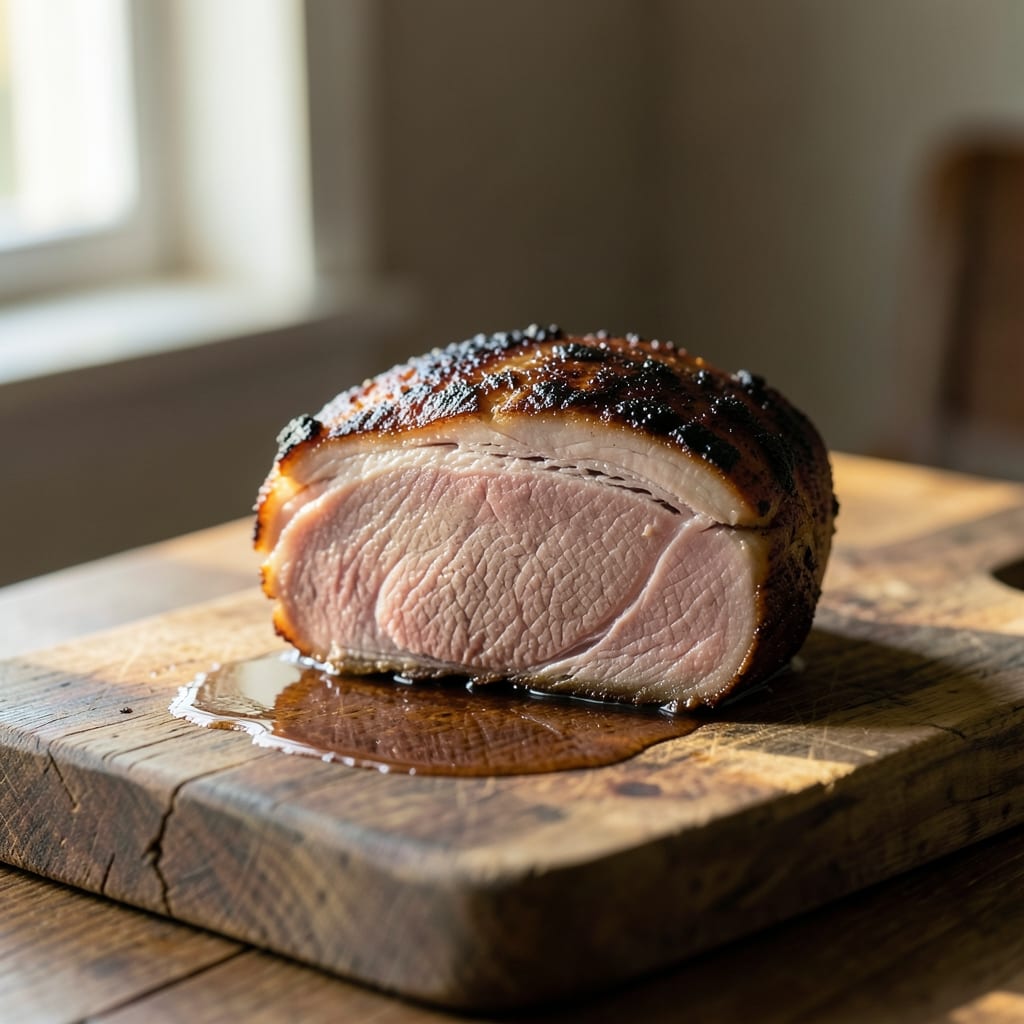
The biggest mistake was trusting my own memory. I’d write down a recipe after making it once, then publish it without testing it again. Half the time, the second batch would turn out completely different—too salty, too dry, or just *off* in a way I couldn’t explain.
I’d fix it in my head and move on, but the reader was left with the broken version.
It took years to admit that my memory wasn’t reliable. I’d argue with myself that ‘close enough’ was good enough, that the small mistakes didn’t matter if the dish was still edible.
But the truth was simpler: if I couldn’t make it twice in a row, how could I expect someone else to?
The fix was brutal. I started with a spreadsheet of every recipe, marking which ones had been tested once, twice, or not at all. Then I recruited friends, family, and even strangers from cooking forums to try them.
Some dishes got scrapped entirely—like that ‘perfect’ roast chicken that fell apart when someone else tried it. Others needed tiny adjustments: a pinch more salt, an extra five minutes in the oven.
Now, every recipe on this site has been made at least three times, by people who’ve never cooked it before. It costs time, patience, and a lot of leftovers, but it’s the only way to make sure the steps actually work.
Meet the author

I grew up in a house where food was love, but the recipes were more like family secrets than instructions. My grandma’s chicken and dumplings required ‘a handful of herbs’ and ‘enough broth to cover the chicken,’ which meant every batch tasted different.
I spent my teens trying to reverse-engineer her dishes, scribbling notes in the margins of her recipes, convinced that if I just measured everything precisely, I’d crack the code. I was wrong—her magic wasn’t in the measurements, but in the way she let flavors breathe.
For years, I treated cooking like a puzzle: if I followed the steps exactly, the result would be perfect. I’d spend hours researching techniques, memorizing timelines, and arguing with my kitchen scale. The problem was, I never actually *cooked* the recipes myself before writing them down.
I’d read someone else’s version, tweak it in my head, and call it done. The first time I published a recipe that way, a reader sent me a photo of their burnt roast and a note saying, ‘I followed your instructions exactly.’ I didn’t sleep for a week.
The hinge came when I burned a batch of dumplings so badly they had to go in the trash. Not because I messed up, but because the recipe I’d copied assumed a stovetop with perfect heat control—I was using an old electric burner that fluctuated like a heartbeat.
That’s when I realized: a recipe isn’t just steps. It’s the tools you use, the kitchen you’re in, the hands holding the spoon.
Now, Warren Zielinski runs this site. He tests every recipe himself, then sends it to someone who’s never cooked it before. If it fails, he starts over.
The goal isn’t to make food that looks good in photos; it’s to make food that works in *your* kitchen, with *your* tools, and still tastes like it was made with love.
What did not change
The core belief hasn’t wavered: food should taste good without requiring a degree in culinary science. The first recipes I ever wrote were for dishes I’d make for my family—nothing fancy, just things that filled the house with warmth and the table with seconds. That hasn’t changed.
The site still focuses on approachable, flavorful meals that don’t demand a perfectly equipped kitchen or years of practice.
Another constant is the obsession with herbs. My grandma used to say, ‘A dish without herbs is like a story without a punchline.’ She was right. Whether it’s a simple roast chicken or a complicated stew, the herbs are what turn a meal from good to unforgettable.
That’s why every recipe here includes a section on how to pick, store, and use them—because the right herb can make or break a dish, and no one should have to guess.
What is still being fixed
The biggest project right now is building a better way to track kitchen variables—things like humidity, altitude, and stove type—that affect how a recipe turns out. Right now, we adjust for those in our heads, but that’s not fair to the reader.
If you live in a dry climate or have an old oven, the recipe should tell you exactly what to change before you start. We’re testing sensors, crowdsourcing data from readers, and writing a guide to the most common kitchen pitfalls.
It’ll take time, but it’s the next step in making sure every recipe works for *you*.
If you’ve got a kitchen problem—whether it’s a recipe that didn’t turn out, a tool that’s too expensive, or a technique you’ve never mastered—let us know. The contact page is the best place to share what’s frustrating you, what’s missing, or what you’d love to see fixed.
Your kitchen is different from mine, and that’s why we’re still learning.
Things that would help
- A photo of your kitchen setup (stove type, pots, tools) and how a recipe turned out—we’ll reverse-engineer the problem.
- A note about a recipe that failed, even if you’re not sure why (we’ve fixed dishes that were ‘off’ for reasons no one expected).
- Your biggest cooking frustration—whether it’s measuring spices, timing a bake, or picking the right herb.
The recipes are grouped by category: Appetizers, Beverages, Breakfast & Brunch, Desserts, Main Courses and Reviews.