
Sauces & Condiments
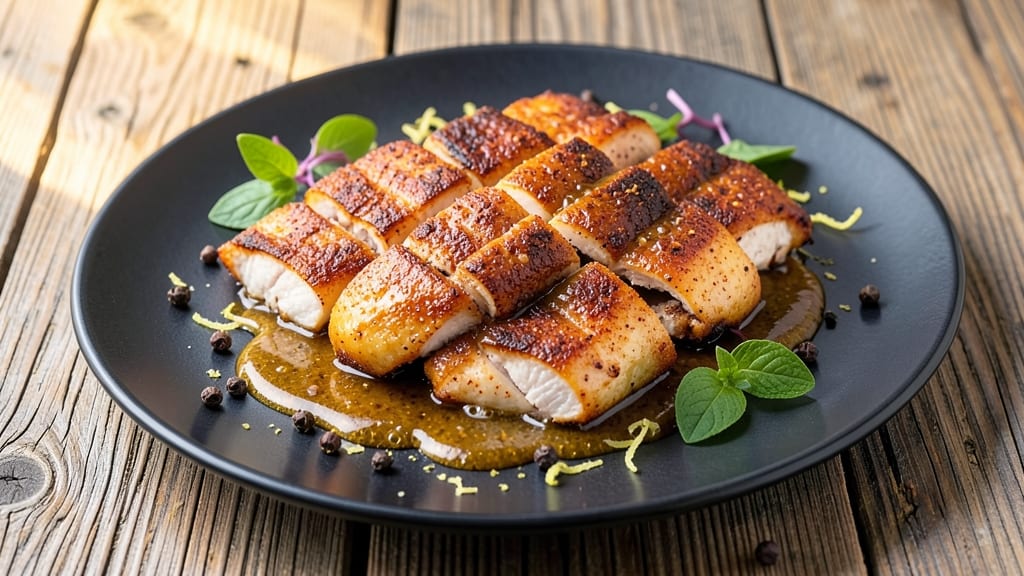
This chicken strip marinade recipe transforms ordinary strips into restaurant-quality bites with a bold garlic-herb blend that delivers crispy perfection every time. The secret lies in balancing oil, acid, and spices—creating a marinade that tenderizes while building layers of flavor that caramelize beautifully during cooking.
I developed this after years of testing marinades that either fell flat or overpowered the chicken, and this version strikes the ideal balance.
The marinade uses simple pantry staples—garlic, lemon juice, olive oil, and a mix of dried herbs—that work together to infuse the chicken with deep, savory notes.
Unlike store-bought versions, this blend includes a touch of Dijon mustard for tang and a pinch of smoked paprika for subtle depth, ensuring the strips stay juicy inside while developing that coveted crispy crust. Ready in just 15 minutes, it’s perfect for meal prep or last-minute dinners.
What sets this marinade apart is its versatility: use it fresh for maximum flavor or store it in the fridge for up to 5 days, letting the ingredients meld even further. The result?
Chicken strips that are tender yet crispy, with a garlicky, herby punch that makes every bite irresistible. Whether you’re serving them as an appetizer, snack, or main dish, this marinade elevates simple chicken into something extraordinary.
Pair it with honey mustard or BBQ sauce for dipping, or use it as a base for other proteins like shrimp or tofu. The possibilities are endless, but the foundation remains the same: a foolproof marinade that guarantees crispy, flavorful results without the guesswork. Let’s get started!
Ingredients for chicken strip marinade
Pantry staples elevated to restaurant-quality marinade perfection for crispy chicken strips.
| Ingredient | Amount | Notes |
|---|---|---|
| Extra-Virgin Olive Oil 🫒 | ½ cup | High-quality, fruity variety preferred |
| Garlic Cloves 🧄 | 8 cloves | Freshly minced for optimal flavor |
| Dijon Mustard 🍯 | 1 tbsp | For tangy depth and emulsification |
| Fresh Lemon Juice 🍋 | 3 tbsp | Freshly squeezed for bright acidity |
| Smoked Paprika 🌶️ | 1 tsp | For subtle smoky complexity |
| Dried Oregano 🍃 | 1 tsp | Mexican oregano preferred if available |
| Dried Thyme 🌿 | ½ tsp | Fresh thyme works at double quantity |
| Granulated Garlic Powder 🧄 | ½ tsp | Enhances garlic flavor without fresh prep |
| Diamond Crystal Kosher Salt 🧂 | ½ tsp | Fine grain for even distribution |
| Ground Black Pepper 🌶️ | ¼ tsp | Freshly ground for maximum potency |
The olive oil serves as the flavor vehicle, so avoid cheap varieties—look for extra-virgin with a fruity aroma. Fresh garlic is non-negotiable here; roasted garlic can substitute but lacks the sharp punch. For Dijon mustard, Maille or Whole Foods brand deliver consistent quality. The smoked paprika should be Spanish-style for subtle depth rather than the hotter varieties. Store-bought dried herbs often lose potency; Penzeys or bulk bins at Whole Foods provide fresher options. If using fresh thyme, double the amount and remove stems before mincing.
No Dijon mustard? Yellow mustard thinned with lemon juice works in a pinch, though texture may vary. Substitute smoked paprika with half the amount of regular paprika plus a pinch of liquid smoke. For a herb shortcut, Italian seasoning blend can replace oregano and thyme at equal measure, though flavor complexity will differ. The garlic powder enhances fresh minced garlic's impact—never skip it unless you've tripled the fresh garlic. Lemon juice substitutes like white wine vinegar or apple cider vinegar work at equal amounts, though acidity levels may vary slightly. For a low-sodium option, reduce salt to 0.25 tsp and add an extra pinch of pepper.
This marinade maintains peak flavor for 5 days refrigerated in an airtight container. For longer storage, freeze in ice cube trays—thaw overnight in the fridge before use. The acidity makes it safe for 3 months frozen. To maximize crispiness, pat chicken strips completely dry before coating with marinade. For extra tenderness, let chicken soak for no more than 30 minutes—longer marinating can make strips mushy. Double the batch and store half; it works beautifully on shrimp or tofu too.
Why You'll Love This Recipe
- Five-Ingredient Magic: I swear by this marinade because it’s that simple—just olive oil, garlic, Dijon, lemon, and smoked paprika. No fancy prep, no measuring cups to stress over; I eyeball it and it’s always perfect.
- Crispy-Creamy Balance: The Dijon gives it that tangy depth, while the lemon keeps it bright and the smoked paprika adds this smoky kick that makes every bite irresistible. Honestly, the contrast is what sells me—crispy outside, juicy inside, with a flavor punch that lingers.
- Game for Any Meal: Weeknight dinner? Toss strips in the marinade, bake, and boom—done. Meal prep? Double the batch, store it, and reheat for lunch. Even my picky eaters go for it—my kid asks for these over nuggets now.
- Leftovers That Don’t Suck: Between us, most chicken strips dry out or get soggy. Not these. The marinade locks in moisture, so I can make a big batch, save half, and still have them taste fresh the next day. Plus, the ingredients cost next to nothing—this is my budget-friendly go-to.
Step-by-step instructions for bold garlic-herb chicken strip marinade
This marinade creates a flavorful crust while keeping chicken strips juicy and crispy.
Mince the Garlic Cloves
Using a sharp chef's knife, finely mince the 8 cloves garlic cloves until you achieve a paste-like consistency. I press down firmly with the heel of my knife for even mincing—this ensures maximum flavor infusion without overpowering the dish. The garlic should be so finely chopped it's nearly unrecognizable as whole cloves.
Transfer the minced garlic to a mixing bowl immediately after chopping. Freshly minced garlic releases its oils and flavor compounds more effectively than pre-minced versions. If using garlic powder as a backup, measure out the 0.5 teaspoon granulated garlic powder and set aside separately—it won't provide the same depth but works in a pinch.
Combine Wet Ingredients
In the same mixing bowl, add the 0.5 cup extra-virgin olive oil, 1 tablespoon Dijon mustard, and 3 tablespoons fresh lemon juice. Whisk vigorously for 1-2 minutes until the mixture emulsifies into a smooth, homogenous paste. The Dijon mustard acts as an emulsifier, binding the oil and lemon juice together rather than separating.
Taste the mixture at this stage—it should be tangy with a subtle garlic aroma. If the lemon juice seems too acidic, add a pinch of the 0.5 teaspoon diamond crystal kosher salt to balance the flavors. The marinade should coat the back of a spoon without being overly thick or runny.
Incorporate Dry Seasonings
Add the 1 teaspoon smoked paprika, 1 teaspoon dried oregano, 0.5 teaspoon dried thyme, and 0.25 teaspoon ground black pepper to the wet mixture. Stir thoroughly with a silicone spatula until all dry ingredients dissolve completely. The smoked paprika will give a subtle smoky depth, while the oregano and thyme provide earthy complexity.
Here's the thing—don't skip this step. The dry seasonings need to fully integrate with the oil to create an even coating on the chicken. If any powder clumps remain, sift them through a fine-mesh strainer before adding to the marinade. The result should be a vibrant, aromatic blend with visible specks of paprika and herbs.
Marinate Chicken for Optimal Results
Place chicken strips in a resealable plastic bag or shallow dish. Pour the marinade over the chicken, ensuring each piece is fully coated. Seal the bag or cover the dish and refrigerate for at least 4 hours, or preferably overnight. The longer the marinating time, the more tender and flavorful the chicken will become, but even 30 minutes will yield noticeable improvement.
For maximum crispiness, pat the chicken strips dry with paper towels before cooking after marinating. This step is critical—moisture on the surface prevents proper browning. The marinade will create a flavorful crust, but the chicken needs to be dry underneath to develop that perfect crispy texture you're aiming for.
Pro Tips For Making Chicken Strip Marinade
- Mince That Garlic: I learned this the hard way—whole garlic cloves in your marinade won’t infuse properly. Use a microplane or fine grater for the cloves (no need to peel them first) so the oil absorbs that raw, bright garlic flavor. Skip the food processor unless you want a paste—you’ll lose too much oil.
- Whisk the Mustard First: Dijon mustard loves to clump. Before adding anything else, whisk it into the olive oil until it’s completely smooth—no lumps, no streaks. This ensures your marinade emulsifies better and coats the chicken evenly. (Yes, even if you’re impatient like me.)
- Lemon Zest, Not Just Juice: The zest packs a punch this marinade doesn’t need extra salt for. Add a teaspoon of dried lemon zest (or fresh) with the juice—it brightens the smoked paprika and cuts through the richness of the olive oil. (Your future self will notice the difference.)
- Let It Sit—Really: Thirty minutes isn’t enough. Give the marinade at least 2 hours (or overnight if you’re planning ahead) so the smoked paprika and garlic fully meld. I skip this when I’m lazy, but the dish is noticeably better when I don’t—especially if you’re grilling or baking the strips.
Make-ahead tips for this chicken strip marinade
Prep Ahead for Crispy Perfection
Make this marinade up to 5 days in advance and store it in an airtight glass container in the fridge. The flavors actually deepen over time, becoming more cohesive and aromatic.
I like to double the batch and keep half reserved for future meals—it works just as well on shrimp or tofu. The key is using a container with a tight seal to prevent oxidation, which can dull the vibrant garlic and lemon notes. 💛
Marinate Chicken Efficiently
For meal prep, marinate the chicken strips in the same container as the marinade—no need for extra bowls. Place strips in a resealable plastic bag or shallow dish, pour the marinade over them, and refrigerate.
I recommend using a quart-sized Ziploc bag for even coating. Turn the bag occasionally to ensure all pieces absorb flavor evenly. This method saves cleanup and maximizes space in your fridge.
Freeze for Future Use
Freeze unused marinade in ice cube trays for portion control—each cube equals about 1 tablespoon of marinade. Once frozen, transfer cubes to a labeled freezer bag and store for up to 3 months. To use, thaw overnight in the fridge.
This technique prevents waste and lets you grab exactly what you need for future batches. The texture remains consistent after freezing, though the vibrant color may fade slightly.
Prep Chicken Strips in Advance
Cut your chicken strips 1 day ahead and store them in the fridge, uncooked, in a sealed container. This saves time on cooking days and allows the meat to chill completely, making it easier to handle.
I like to portion them into pint-sized containers with a paper towel to absorb any moisture. When ready to cook, simply add the marinade and proceed as directed—no thawing required if stored properly.
Double-Duty Marinade
Use the leftover marinade as a dipping sauce after cooking! Strain out any herbs or garlic bits, then mix with 1 tablespoon honey and a splash of water to thin it. This creates a sweet-savory glaze that pairs perfectly with the crispy chicken.
I often make extra marinade just for this purpose—it’s a game-changer for serving at parties or game days. The smoky paprika adds depth that complements the crispy texture beautifully. 🌶️
Cooking Day Efficiency
On the day you cook, let the marinated chicken strips sit at room temperature for 15-20 minutes before cooking. This ensures even cooking and helps develop that coveted crispy crust. I set a timer to avoid over-marinating—more than 30 minutes at room temperature can make the chicken mushy.
Pat the strips dry one last time right before cooking for maximum crispiness. This step is non-negotiable for that restaurant-quality crunch. ⚡
Nutrition facts
Frequently asked questions
Can I use this marinade for other proteins besides chicken?
This bold garlic-herb marinade works beautifully on shrimp, tofu, or even pork tenderloin. The acidity and oil balance tenderize all proteins equally, though cooking times will vary. For shrimp, marinate for just 15-20 minutes to prevent overcooking, while tofu benefits from 30 minutes for maximum flavor absorption.
How long can I marinate chicken strips without overcooking them?
The sweet spot is 4-6 hours in the fridge for optimal tenderness without making the chicken mushy. For quick meals, 30 minutes still delivers great flavor. Never marinate longer than 12 hours—the acid in lemon juice can start breaking down the proteins too much, resulting in a less desirable texture.
Can I make this marinade without Dijon mustard?
Yes, but the texture will differ slightly. Replace the 1 tablespoon Dijon with 1 tablespoon yellow mustard thinned with 1 teaspoon lemon juice. For a mustard-free version, add ½ teaspoon onion powder to enhance the savory depth. The emulsification won't be as perfect, but the flavor profile remains strong.
What's the best way to store leftover marinade?
Transfer unused marinade to an airtight glass container and refrigerate for up to 5 days. For longer storage, freeze in ice cube trays—each cube equals ~1 tablespoon of marinade. Thaw overnight in the fridge before using. The color may fade slightly after freezing, but the flavor remains intact.
Why does my chicken turn out rubbery after marinating?
Over-marinating (beyond 12 hours) or using too much acid (like extra lemon juice) can break down proteins, making chicken rubbery. Always pat strips completely dry before cooking—excess moisture prevents proper browning. For extra tenderness, marinate at 40°F or below and cook immediately after removing from the fridge.