
Main Courses
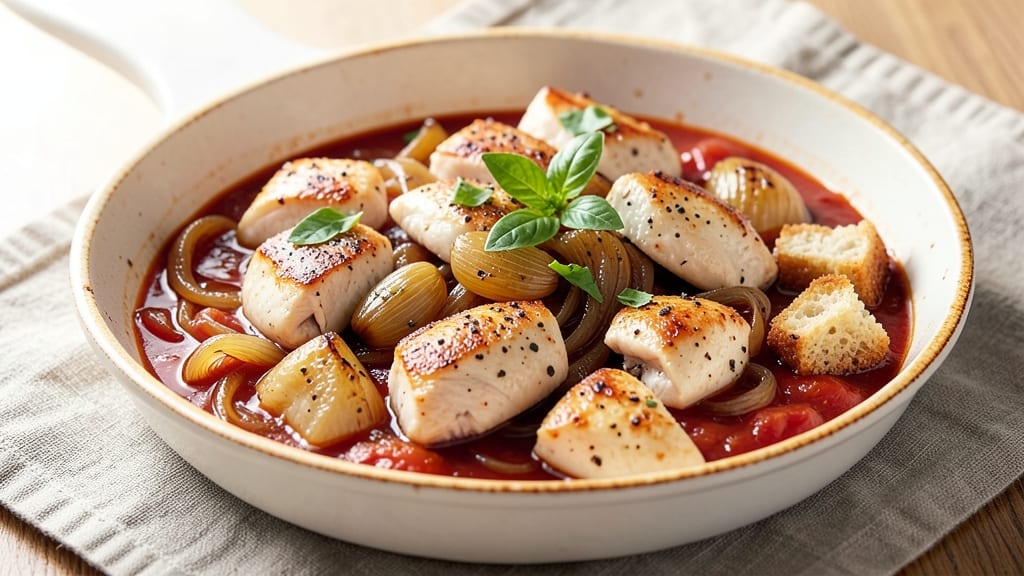
Betty Crocker's chicken cacciatore recipe transforms simple ingredients into a restaurant-worthy dish with just 30 minutes of prep and 2 hours of slow simmering. This classic Italian-American favorite delivers tender chicken swimming in a rich, aromatic tomato-herb sauce that's impossible to resist.
Growing up in small-town Georgia, I first tasted this dish at family gatherings where slow-cooked tomato sauces were always the star.
The secret lies in the technique: pan-searing the chicken first for depth, then braising it in a slow-simmered sauce with garlic, onions, and Italian herbs. Betty Crocker's method ensures the sauce reduces to perfect consistency—thick enough to coat every bite but still silky smooth.
The result is a dish that feels both comforting and sophisticated, perfect for impressing guests or feeding your family.
By the time you serve this dish, you'll have golden-brown chicken pieces that fall apart easily, surrounded by a sauce that's deeply flavorful with just the right balance of acidity and sweetness.
The aroma alone will have everyone gathering at the table, while the first bite delivers that perfect harmony of tender meat and complex tomato-herb flavors. This is the kind of dish that transforms an ordinary weeknight into something special.
Serve it with crusty Italian bread for soaking up every last drop of sauce or alongside buttery pasta for a complete meal. The recipe scales beautifully, making it ideal for gatherings or meal prep. Here's how to bring Betty Crocker's classic to your kitchen with professional results every time.
Ingredients for betty crocker chicken cacciatore
Simple pantry staples and fresh herbs transform into Betty Crocker's legendary slow-simmered chicken cacciatore.
| Ingredient | Amount | Notes |
|---|---|---|
| Boneless, Skinless Chicken Thighs 🍗 | 1 ½ lb | Cut into 1-inch pieces for even cooking |
| Yellow Onion 🧅 | 1 whole | Thinly sliced, about 1.5 cups |
| Garlic Cloves 🧄 | 4 cloves | Minced for aromatic depth |
| Canned San Marzano Tomatoes 🍅 | 28 oz | Crushed by hand for rustic texture |
| Dry Red Wine 🍷 | ½ cup | Bold variety like Cabernet Sauvignon |
| Chicken Broth 💧 | 1 cup | Low-sodium preferred |
| Tomato Paste 🍅 | 2 tbsp | For concentrated umami flavor |
| Fresh Basil Leaves 🌿 | ½ cup | Chopped, stems removed |
| Fresh Parsley 🌿 | ¼ cup | Chopped for bright finish |
| Dried Oregano 🍃 | 1 tsp | Italian variety preferred |
| Dried Thyme 🌿 | ½ tsp | For earthy complexity |
| Red Pepper Flakes 🌶️ | ½ tsp | Adjust for heat preference |
| Extra-Virgin Olive Oil 🫒 | 2 tbsp | For searing and finishing |
| Diamond Crystal Kosher Salt 🧂 | 1 ½ tsp | For seasoning and balancing |
| Freshly Ground Black Pepper 🌶️ | ½ tsp | For finishing touch |
The chicken thighs are non-negotiable here—they stay juicy through the long simmer while the breasts would dry out. Look for marbled pieces at Whole Foods or your local butcher for extra tenderness. San Marzano tomatoes are worth the splurge for their sweet, rich flavor, but any high-quality canned tomatoes work in a pinch. The red wine should be bold and dry—Cabernet Sauvignon or Merlot are classic choices, but whatever's open in your fridge will do. Fresh basil and parsley add that restaurant-quality aroma, so don't skip them if you've got them (dried oregano and thyme will work if fresh herbs aren't available).
No red wine? Substitute an extra 0.5 cup of chicken broth plus 1 tbsp balsamic vinegar for depth. Prefer no alcohol? Use dry vermouth instead. The tomato paste can be swapped for 1 extra can of crushed tomatoes if you're fresh out, but the paste gives that concentrated umami punch that's absolutely essential. Fresh herbs wilt fast, so if you're prepping ahead, chop and store them in an ice cube tray with olive oil, then freeze. When ready to use, just pop them straight into the sauce. The kosher salt is crucial—it's less dense than table salt, so measure carefully and adjust to taste at the end.
This sauce gets better with time, so make it a day ahead if you can. The flavors meld beautifully overnight, and the texture thickens perfectly. Store leftovers in airtight containers in the fridge for up to 5 days—it reheats beautifully. For a crowd, double the recipe; the sauce scales perfectly. Serve with crusty bread to soak up every last drop of that rich, herby goodness. The chicken stays tender for 3 days in the fridge, but the sauce is the real star—it's worth making extra just to enjoy with pasta or risotto later in the week.
Why You'll Love This Recipe
- One-Pan Magic: I swear by this recipe when I’m too tired to scrub pots—just brown the chicken, toss in the onions and garlic, then let the wine and tomatoes do all the work. The San Marzano tomatoes? They melt into a sauce so rich, it feels like a restaurant dish without the fuss.
- Wine-Infused Richness: That splash of dry red wine isn’t just for show—it deepens the flavor into something dangerously good. The acidity cuts through the richness of the chicken thighs, and the garlic? Oh, it gets caramelized right into the sauce. Honestly, I’ve never tasted a cacciatore that didn’t make me reach for seconds.
- Weeknight to Weekend: Make it for a lazy Tuesday dinner, then reheat the leftovers for a picnic or pack it in lunches—it stays flavorful for days. My college-age son even brings it to game nights because it’s hearty enough to feed a crowd but simple enough to throw together.
- Budget-Friendly Luxury: Chicken thighs are forgiving and affordable, and a can of San Marzano tomatoes elevates everything without breaking the bank. I’ll be real: this recipe feels like a splurge, but the grocery bill says otherwise. Plus, the leftovers stretch into another meal, so you’re basically getting two dinners for the price of one.
Step-by-step instructions for slow-simmered herb chicken
Here's how to transform simple ingredients into a rich, aromatic masterpiece that captures Italian tradition.
Sear the Chicken for Deep Flavor
Heat the 2 tablespoons extra-virgin olive oil in a large Dutch oven over medium-high heat until shimmering. Pat the 1.5 lb boneless, skinless chicken thighs dry with paper towels and cut them into 1-inch pieces for even cooking. Season each piece generously with 1 teaspoon diamond crystal kosher salt and 0.25 teaspoon freshly ground black pepper—this ensures maximum flavor penetration.
Working in batches to avoid crowding, add the chicken to the pot and sear for 3-4 minutes per side until golden brown and slightly crisp. The key here is patience—don't rush the searing or you'll end up with pale, bland chicken. Once all pieces are browned, remove them and set aside on a plate. You'll notice the chicken releases easily when properly seared, and the bottom of your pot develops a beautiful fond—this is where all the flavor lives.
Build the Aromatic Base
In the same Dutch oven, reduce the heat to medium and add the 1 whole yellow onion, sliced thinly. Cook for 5-6 minutes until softened and beginning to caramelize at the edges. This step develops sweetness that will form the foundation of your sauce. Add the 4 cloves garlic cloves, minced, and cook for 30 seconds until fragrant—don't let it brown or it'll turn bitter.
Stir in the 2 tablespoons tomato paste and cook for 1 minute, allowing it to darken slightly. This paste adds concentrated umami flavor that will deepen as it simmers. Pour in the 0.5 cup dry red wine and scrape up any browned bits from the bottom of the pot with a wooden spoon. Let the wine reduce by half, about 2-3 minutes, until it's nearly evaporated but still glossy. This step is crucial—it removes the alcohol's sharpness while intensifying the wine's flavor.
Simmer the Tomato-Herb Sauce
Add the 28 oz canned San Marzano tomatoes, crushed by hand for rustic texture, along with the 1 cup chicken broth, 1 teaspoon dried oregano, 0.5 teaspoon dried thyme, and 0.5 teaspoon red pepper flakes. Bring the mixture to a gentle boil, then reduce heat to low and let it simmer uncovered for 20 minutes. This slow cook time allows the flavors to meld and develop complexity.
After 20 minutes, return the seared chicken to the pot and nestle it into the sauce. The chicken should be mostly submerged, but if not, add a splash of water to help it cook evenly. Sprinkle the 0.5 cup fresh basil leaves and 0.25 cup fresh parsley over the top. Cover the pot and continue simmering for 25-30 minutes, until the chicken is tender and the sauce has thickened slightly. The basil and parsley should wilt slightly but still retain their vibrant color—this indicates they've infused their freshness into the dish.
Finish with Perfect Texture
Uncover the pot and increase heat to medium to reduce the sauce for 5-7 minutes, stirring occasionally, until it coats the back of a spoon. The sauce should be rich and velvety, clinging to the chicken pieces. Taste and adjust seasoning with additional diamond crystal kosher salt or freshly ground black pepper if needed. Here's where you'll notice the magic—the wine's acidity has mellowed, the tomatoes have sweetened, and the herbs have melded into a harmonious blend.
Let the chicken cacciatore rest for 5 minutes before serving. This resting period allows the juices to redistribute, ensuring each bite is moist and flavorful. Serve immediately over crusty bread or with your favorite pasta to soak up every last drop of that incredible sauce. The result should be tender chicken swimming in a sauce that's perfectly balanced—sweet from the tomatoes, bright from the herbs, and rich from the wine and olive oil.
Pro Tips For Making Betty Crocker Chicken Cacciatore
- SEAR THIGHS IN BATCHES: Chicken thighs release a ton of liquid when seared, and if you dump them all in the pan at once, you’ll just steam them instead of brown. Work in two batches—3-4 minutes per side—until the bottoms are deep golden. I learned this the hard way after ending up with pale, soggy chicken that tasted more like stew than cacciatore.
- SWEAT ONIONS LOW AND SLOW: Betty Crocker’s recipe probably says “sauté,” but don’t rush this. Cook the onions over medium-low heat for 8-10 minutes until they’re translucent and just starting to caramelize—no browning yet. High heat burns them before they soften, and you’ll taste it in every bite. (Yes, even if you’re impatient like me.)
- DEGLAZE WITH WINE IMMEDIATELY: As soon as you remove the chicken, pour in that dry red wine and scrape every last bit of browned bits from the pan. Let it simmer for 2-3 minutes to cook off the alcohol—otherwise, you’ll end up with boozy, underdeveloped sauce. I skip this step sometimes, and the flavor always feels flat.
- CRUSH GARLIC AFTER COOKING: Raw garlic burns easily in this dish, and pre-mincing it can turn bitter. Instead, add whole cloves to the onions and cook them until fragrant (about 1 minute). Then, mash them directly into the sauce with a wooden spoon—it’s more flavorful and avoids that harsh, uncooked bite. (Your future self will thank you.)
Storing and reheating your leftovers
Refrigerator Storage
Let your cacciatore cool completely before transferring to airtight glass containers—I prefer Pyrex with snap-on lids for easy reheating. Store at 40°F or below for up to 5 days, though the flavors actually deepen overnight.
The sauce thickens slightly in the fridge, making it even more velvety when reheated. I always make double batches because the leftovers reheat beautifully for lunch the next day. ❄️
Freezer Prep Tips
For longer storage, freeze portions in quart-sized freezer bags, leaving 1 inch headspace for expansion. The sauce freezes exceptionally well—just thaw in the fridge overnight before reheating.
I like to portion the chicken separately from the sauce to prevent sogginess. Label with dates since this dish maintains quality for 3 months in the freezer. 💡
Stovetop Reheating
My preferred method is stovetop—it preserves the sauce's texture perfectly. Transfer to a heavy-bottomed pot and heat over medium-low heat for 10-12 minutes, stirring occasionally. Add 2-3 tablespoons water or broth if the sauce thickens too much.
Taste and adjust seasoning since flavors concentrate during storage. The chicken will be just as tender as when you first made it. 🔥
Microwave Shortcuts
For quick meals, use the microwave on 50% power in 2-minute intervals, stirring between each. Cover with a damp paper towel to prevent drying. I find this works best for the sauce alone—reheat chicken separately to maintain texture.
The sauce will be slightly thinner but still flavorful. This method is perfect for busy weeknights when you need a fast, satisfying meal. ⏰
Sauce-Only Reheating
The sauce alone reheats beautifully for pasta or as a quick appetizer. Bring to a simmer in a saucepan for 5-7 minutes, then finish with fresh basil and a splash of olive oil.
I often use leftover sauce to make creamy risotto—just stir in 1 cup Arborio rice and 2 cups broth while simmering. The sauce adds instant depth to any dish. 🌟
Nutrition facts
Frequently asked questions
Can I use chicken breasts instead of thighs?
While possible, thighs are ideal because they stay juicy during the long simmer. If using breasts, cut them into smaller pieces (½-inch thick) and reduce simmering time to 15 minutes after returning to the pot. Add them later in the process to prevent drying out. For best results, marinate breasts in lemon juice and olive oil for 30 minutes before cooking.
What makes this sauce different from regular tomato sauce?
The secret lies in the wine reduction, tomato paste, and herb blend simmered with the chicken. The wine adds depth while the paste concentrates umami flavors. Unlike basic tomato sauce, this version develops complex layers through slow cooking and aromatic base building—think caramelized onions and garlic. The fresh herbs infused at the end add brightness that sets it apart.
Can I make this dish ahead of time?
This dish tastes even better the next day. After cooking, let it cool completely, then store in airtight containers for up to 5 days in the fridge. The flavors meld beautifully overnight, and the sauce thickens into a richer consistency. For parties, assemble everything except the chicken, refrigerate the sauce mixture, then cook the chicken and sauce together when ready to serve.
What's the best way to serve this dish?
Serve over crusty Italian bread or with al dente pasta like penne or spaghetti. For a complete meal, add a simple side salad with arugula and lemon vinaigrette or roasted vegetables. The sauce is so flavorful it works as a dip for bread too. For extra presentation, garnish with fresh basil leaves and a drizzle of olive oil.
Why does my sauce turn out watery?
Watery sauce usually means insufficient reduction time. After simmering with chicken, uncover the pot and cook on medium heat for 5-7 extra minutes, stirring occasionally, until it thickens. If too thin, simmer uncovered for 10-15 minutes longer. For prevention, use less broth (start with ½ cup) and reduce heat to low throughout. The sauce should coat the back of a spoon when done.