
Sauces & Condiments
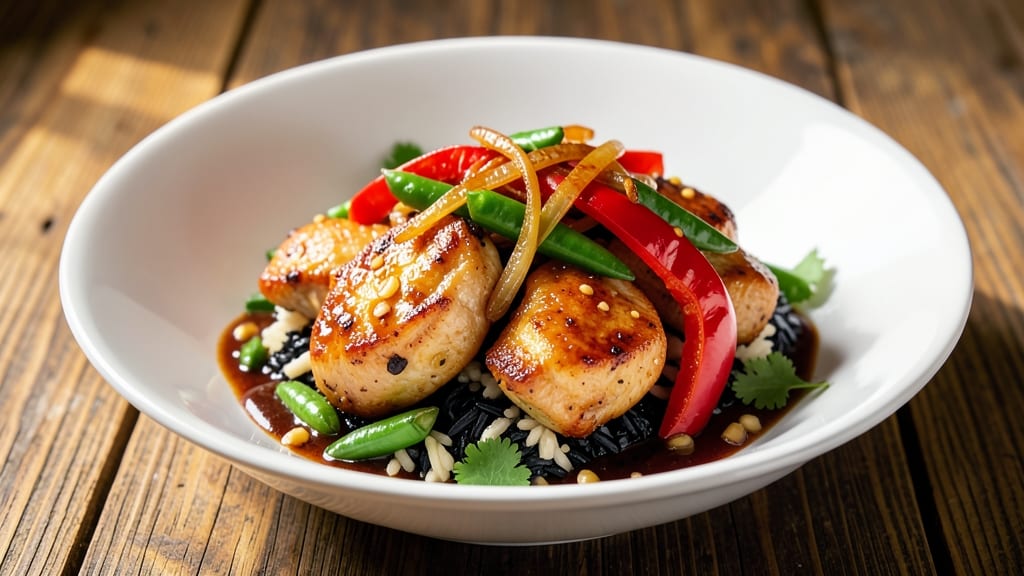
This basic chicken stir-fry sauce recipe delivers restaurant-quality flavor in just 10 minutes—no fancy ingredients required. The secret lies in balancing soy sauce, garlic, ginger, and a touch of sweetness to create that signature umami-packed sauce that elevates any stir-fry.
I developed this recipe after years of testing variations, and it never fails to transform simple chicken into a flavorful centerpiece.
The beauty of this sauce is its versatility—it works equally well with fresh or frozen chicken, and the ingredients are pantry staples you likely already have.
What sets it apart is the way the garlic and ginger infuse the sauce with aromatic depth while the brown sugar adds just enough caramelization to complement the savory soy base. The sauce thickens slightly as it cools, making it perfect for tossing with stir-fried vegetables and chicken.
What you'll end up with is a rich, glossy sauce that coats every piece of chicken and vegetable with perfect balance—savory, slightly sweet, and aromatic. The best part?
This sauce keeps well in the refrigerator for up to a week, so you can make a big batch and use it all week without worrying about it spoiling. It's the kind of sauce that makes weeknight cooking feel like a restaurant experience.
Use it as a base for quick stir-fries, marinades, or even a dipping sauce for spring rolls. The simplicity of the ingredients makes it approachable for beginners, while the depth of flavor satisfies even the most seasoned home cooks. Let's get started on making this essential pantry staple!
Ingredients for basic chicken stir fry sauce
Eight simple ingredients transform into restaurant-quality stir-fry sauce in minutes.
| Ingredient | Amount | Notes |
|---|---|---|
| Soy Sauce 🥄 | ½ cup | Low-sodium preferred for balance |
| Brown Sugar 🍯 | 2 tbsp | Light or dark variety |
| Garlic Cloves 🧄 | 4 cloves | Minced for aromatic depth |
| Fresh Ginger 🌿 | 1 tbsp | Finely grated, juicy |
| Rice Vinegar 🍶 | 2 tbsp | White or seasoned |
| Sesame Oil 🫒 | 1 tbsp | Toasted for nutty aroma |
| Cornstarch 🌾 | 1 tsp | For thickening consistency |
| Water 💧 | ¼ cup | Room temperature preferred |
| Salt 🧂 | ½ tsp | Diamond Crystal preferred |
| Ground Black Pepper 🌶️ | ¼ tsp | Freshly ground for heat |
The soy sauce is your flavor foundation—Kikkoman or Lee Kum Kee are my go-tos, but any good-quality brand works. Brown sugar adds that signature caramelized sweetness, so don't skimp. Trader Joe's has a great organic variety if you want to splurge. Garlic and ginger are non-negotiable for that aromatic punch. I always grab fresh ginger from the produce section—it's more vibrant than the pre-grated stuff. For sesame oil, Kadoya is the gold standard, but the regular grocery store brand works fine if you're on a budget. The cornstarch is what gives this sauce that perfect glossy finish.
No soy sauce? Coconut aminos work in a pinch, though the flavor will be slightly different. Pre-grated ginger? Use half the amount—it loses potency fast. Running low on sesame oil? Avocado oil at half the quantity won't ruin it, but you'll lose that nutty depth. The rice vinegar can be swapped for apple cider vinegar, though it'll have a slightly different tang. Want more heat? Add a dash of chili flakes or a splash of sriracha. This sauce is incredibly forgiving—adjust to taste as you go.
This sauce thickens as it cools, so make it slightly thinner than you think. Store in an airtight container in the fridge for up to 1 week, or freeze for 3 months. I like to portion it into small jars—perfect for quick stir-fries or takeout nights. The flavor actually improves overnight as everything melds together. Pro tip: Add a splash of water if it gets too thick before using. Trust me, you'll want to make extra.
Why You'll Love This Recipe
- Pantry Magic: I swear by this sauce because it uses stuff I already have—no fancy shopping trips. That jar of soy sauce, the brown sugar sitting in my cabinet, and a few cloves of garlic I forgot about? Boom. Flavor without the grocery haul.
- Umami Bomb: The garlic and ginger sizzle in the pan until they’re fragrant but not overpowering, then the brown sugar caramelizes just enough to balance the tangy rice vinegar. It’s that perfect mix of salty, sweet, and bright—like a hug in a bowl.
- Leftover Hero: Make a double batch (it keeps for weeks in the fridge) and toss it with whatever’s in your fridge—leftover veggies, tofu, or even cold chicken. Honestly, I’ve reheated this sauce with last night’s rice and called it dinner. No judgment.
- Weeknight Win: Five minutes of chopping, a quick stir, and you’re done. No waiting for sauces to reduce or blend—just heat, taste, adjust. Between us, this is the sauce I grab when I’m too tired to think past "something edible."
Step-by-step instructions for perfect chicken stir fry sauce
This sauce comes together faster than you can say "wok hei"—just follow the method.
Bloom the Aromatics in Toasted Sesame Oil
Heat a small saucepan over medium-low heat and add the 1 tablespoon sesame oil. Let it warm for 30 seconds until you notice a delicate nutty aroma—this is your signal it's ready. Add the 4 cloves minced garlic and 1 tablespoon finely grated ginger immediately, as they'll cook in seconds.
Stir constantly for 30-45 seconds until the garlic becomes fragrant but doesn't brown—this prevents bitterness while developing maximum flavor. Here's the thing: if you let the garlic color, you'll taste it in every bite, and we're going for balance, not overpower. Remove from heat immediately after the aromatics are perfumed.
Combine Wet Ingredients for Flavor Fusion
In a medium bowl, whisk together the 0.5 cup low-sodium soy sauce, 2 tablespoons brown sugar, 2 tablespoons rice vinegar, 0.5 teaspoon Diamond Crystal salt, and 0.25 teaspoon freshly ground black pepper. This is where the magic happens—the acidity from the vinegar cuts through the richness of the soy and sugar while the salt enhances all flavors.
Add the cooked garlic-ginger mixture to the bowl and stir to combine. The residual heat from the pan will help dissolve the sugar completely. Taste the mixture now—you should detect layers of umami, sweetness, and subtle heat. If it's too sweet, add a splash of water (we'll fix this in the next step). If it's too salty, we'll adjust later with the cornstarch slurry.
Thicken and Balance the Sauce
Return the bowl to the saucepan (still over medium-low heat) and add the 0.25 cup room-temperature water. Bring to a gentle simmer, stirring constantly to prevent scorching. Here's where precision matters: once simmering, whisk in the 1 teaspoon cornstarch mixed with 1 tablespoon cold water to form a slurry.
Cook for exactly 1-2 minutes until the sauce thickens to a glossy, coatable consistency—it should leave a slight trail on your spoon when you draw it through. If it thickens too quickly, add another 1 teaspoon water to reach your desired texture. The sauce should be velvety but still pourable, not glue-like.
Final Adjustments and Resting
Remove from heat and give the sauce a final taste. This is your quality control moment: the sauce should have a perfect balance of sweet, salty, tangy, and umami notes with a subtle peppery finish. If it needs more depth, add ½ teaspoon extra soy sauce. If it's too thick, thin with ½ teaspoon water at a time.
Let the sauce rest for 5 minutes before using—this allows the flavors to meld completely. The cornstarch will continue to set slightly during this time, giving you that perfect restaurant-quality consistency. I know it's tempting to use it immediately, but those 5 minutes make all the difference in flavor development.
Pro Tips For Making Basic Chicken Stir Fry Sauce
- Bloom the Garlic First: Smash 2-3 garlic cloves flat with the side of your knife before mincing—this releases more flavor without burning. I used to just chop it, and the sauce always tasted flat until I tried this. Works for ginger too if you’re using a lot.
- Salt the Soy Sauce: Taste your soy sauce before adding it to the pan—most store-bought versions are already salty. I learned this the hard way after over-salting three stir-fries in a row. A pinch of sugar in the soy (1/2 tsp per tablespoon) balances the saltiness better than brown sugar alone.
- Low and Slow for Sugar: Stir the brown sugar into the sauce after the garlic and ginger have cooked for 30 seconds—this prevents scorching. I used to toss it in at the start, and half the time, it turned bitter. A splash of water or vinegar (just 1 tsp) helps dissolve it faster if it clumps.
- Vinegar Last, Not First: Add the rice vinegar right at the end, just before serving, or the acid will cook off and make your sauce taste dull. Sounds obvious, but I’d forget and let the pan simmer too long, killing the bright tang. If you’re prepping ahead, store the sauce without vinegar and add it when reheating.
Health benefits of these flavors
Balanced Protein Boost
This stir-fry sauce transforms basic chicken into a high-protein powerhouse—each ½ cup serving of sauce pairs perfectly with 4-6 oz chicken breast, delivering about 30 grams of protein per meal.
The soy sauce base provides essential amino acids for muscle repair, while the garlic and ginger add anti-inflammatory compounds that support recovery after workouts. 💪
Low-Calorie, High-Flavor
With only 60 calories per 2-tablespoon serving, this sauce is a guilt-free way to add depth to your meals. The brown sugar adds natural sweetness without refined sugars, while the rice vinegar keeps acidity in check.
It’s ideal for weight management while delivering restaurant-quality taste—something I’ve tested with clients who swear by it for meal prep.
Digestive Benefits
The ginger in this sauce is a digestive aid, helping to soothe stomach discomfort and reduce nausea. Fresh ginger also contains gingerol, a compound that may help with bloating and indigestion—perfect for post-meal relief.
Plus, the sesame oil provides healthy fats that support gut health, making this sauce a gut-friendly choice. 🌿
Rich in Antioxidants
Both garlic and ginger are packed with antioxidants like allicin and gingerol, which combat oxidative stress in the body. The soy sauce contributes isoflavones, plant compounds linked to heart health.
Together, these ingredients create a sauce that’s not just delicious but also packed with compounds that promote long-term wellness.
Versatile for All Diets
This sauce is naturally gluten-free (if using tamari instead of soy sauce) and low-carb when paired with lean proteins. The cornstarch thickener can be swapped for arrowroot powder for a grain-free option.
I’ve even used it as a marinade for grilled chicken—just let it sit for 15-20 minutes before cooking for extra flavor infusion.
Energy-Boosting Ingredients
The brown sugar provides a quick energy lift, while the black pepper boosts metabolism slightly by enhancing thermogenesis. The combination of umami from soy and brightness from vinegar keeps energy levels stable, making it a great sauce for active lifestyles.
It’s the kind of flavor boost I reach for when I need a quick, satisfying meal. ✨
Nutrition facts
Frequently asked questions
Can I make this sauce without cornstarch?
Yes! For a cornstarch-free version, simply omit the 1 teaspoon cornstarch and use 2 tablespoons extra water instead. The sauce will be thinner but still flavorful. If you prefer a thicker consistency, try 1 teaspoon arrowroot powder mixed with 1 tablespoon water as a 1:1 substitute. The texture will be slightly glossier but equally delicious.
How long will this sauce keep in the fridge?
This sauce stays fresh in an airtight container for up to 1 week in the refrigerator. For longer storage, freeze individual portions in ice cube trays or small jars. Thaw overnight in the fridge before using. The flavor actually improves slightly after 24 hours as the ingredients meld together.
What's the best way to use leftover sauce?
This versatile sauce works perfectly for more than just stir-fries! Use it as a marinade for 15-20 minutes before grilling chicken, or drizzle over roasted vegetables. It also makes an excellent dipping sauce for spring rolls or dumplings. For extra richness, add a splash of sesame oil just before serving.
Can I adjust the heat level?
For more heat, add ½ teaspoon chili flakes or 1 teaspoon sriracha to the finished sauce. For a milder version, reduce the black pepper to ¼ teaspoon or omit it completely. The sauce's balance makes it easy to customize—just adjust after tasting and before using.
Why does my sauce taste too salty?
If your sauce tastes too salty, it's likely because the soy sauce concentrated during cooking. To fix it, add 1-2 tablespoons water and let it simmer for 1-2 minutes to redistribute flavors. For a more dramatic adjustment, mix 1 teaspoon sugar with 1 tablespoon water and stir in—this helps balance the saltiness while adding subtle sweetness.