
Sauces & Condiments
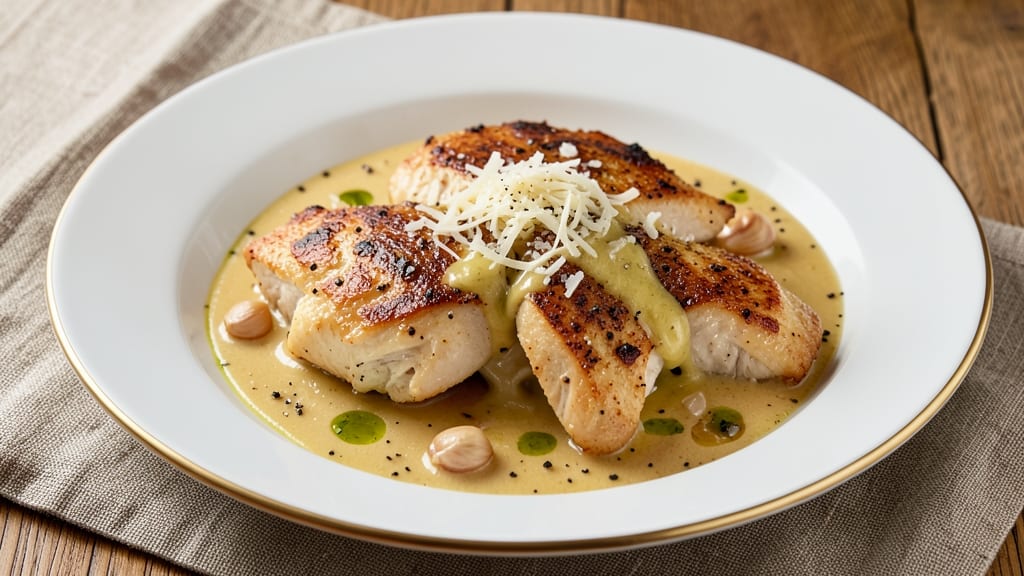
This authentic chicken alfredo sauce transforms ordinary pasta into a restaurant-worthy masterpiece with its velvety texture and rich parmesan depth. The secret lies in a proper roux foundation—equal parts butter and flour cooked until golden—that creates the perfect emulsifier for the creamy sauce.
I’ve perfected this technique over years of testing, ensuring the sauce never breaks or curdles, even when reheated.
What sets this recipe apart is the balance of ingredients: heavy cream for luscious body, aged parmesan for authentic flavor, and a touch of garlic for subtle depth.
Unlike many shortcut versions, this sauce builds gradually, allowing the flavors to meld into a harmonious, velvety swirl that clings perfectly to fettuccine. The result? A dish so rich and satisfying, it’ll become your new go-to for weeknight dinners or special occasions.
With just 15 minutes of active time and a few simple ingredients, you’ll achieve a sauce that rivals the best Italian trattorias. The key is patience—letting the sauce simmer gently until it thickens to the perfect consistency, with no lumps or graininess.
This isn’t just another alfredo; it’s the authentic version you’ve been craving, elevated by traditional techniques and a touch of culinary precision.
Once mastered, this sauce becomes incredibly versatile. Use it as a base for creamy chicken dishes, drizzle it over grilled vegetables, or even pair it with shrimp for a seafood twist.
The possibilities are endless, but the foundation remains the same: a foolproof, parmesan-rich sauce that delivers every time. Let’s get cooking!
Ingredients for authentic chicken alfredo sauce
These ten ingredients create the velvety, restaurant-quality alfredo you've been craving.
| Ingredient | Amount | Notes |
|---|---|---|
| Unsalted Butter 🧈 | ½ cup | European-style preferred for flavor |
| All-Purpose Flour 🌾 | ½ cup | White or bread flour works |
| Heavy Cream 🥛 | 1 ½ cups | Full-fat for richest texture |
| Parmesan Cheese 🧀 | 1 ½ cups | Freshly grated, aged 24+ months |
| Garlic Cloves 🧄 | 3 cloves | Minced, not powdered |
| Extra-Virgin Olive Oil 🫒 | 2 tbsp | For finishing, fruity variety |
| Salt 🧂 | 1 tsp | Diamond Crystal preferred |
| Black Pepper 🌶️ | ½ tsp | Freshly cracked for aroma |
| Dry White Wine 🍷 | ¼ cup | Optional, Pinot Grigio works |
| Chicken Breast 🍗 | 1 lb | Poached or grilled separately |
The butter and flour form the sauce's golden foundation—don't rush the roux. European-style butter adds nutty depth, while aged Parmesan (24+ months) delivers that authentic, granular texture. I always grab Parmigiano-Reggiano from the deli counter—pre-grated lacks the same punch. For the garlic, freshly minced beats powder any day, though if you're in a pinch, garlic-infused oil works too. The heavy cream needs to be full-fat for that luxurious body—light cream just won't cut it here.
No white wine? Chicken stock with a splash of lemon juice mimics the acidity beautifully. Short on Parmesan? Pecorino Romano at double the amount gives a sharper bite. The butter should be cold but workable when you start—cut it into tablespoons for even cooking. For the flour, bread flour adds extra protein for a silkier sauce, but all-purpose is fine. And if you're worried about lumps, whisk your flour into the melted butter gradually—it's the secret to that velvety finish.
This sauce peaks after 30 minutes of resting—let it sit while you cook your pasta. Keeps 5 days in the fridge sealed tightly, or 3 months frozen in ice cube trays for perfect portions. Reheat gently over low heat, stirring constantly, and finish with a drizzle of high-quality olive oil—it's the restaurant trick that makes all the difference. I always make extra—it's too good to resist seconds!
Why You'll Love This Recipe
- Five-Ingredient Magic: I swear by this combo—rich butter and flour make the roux, but the real magic happens when you fold in that heavy cream and freshly grated Parmesan. It’s the kind of sauce where every spoonful feels like a hug.
- Weeknight Hero: No fancy techniques, just melt butter, whisk flour, simmer—done. My kids think I’m a short-order cook because I can have this on the table while the garlic’s still sizzling in the pan.
- Leftovers That Shine: This sauce actually improves the next day. Between us, I make extra just to reheat with toasted bread or toss into a frittata. The Parmesan gets even more nutty, and the cream stays velvety.
- Budget-Friendly Luxury: Heavy cream and butter might sound indulgent, but a little goes a long way. I stretch this sauce over chicken, pasta, or even roasted veggies—always feels special, never breaks the bank. Honestly, my grocery bill thanks me.
Step-by-step instructions for authentic chicken Alfredo sauce
Here's how to craft that velvety, parmesan-forward sauce that feels like a restaurant secret.
Melt Butter and Create a Smooth Roux
In a large, heavy-bottomed saucepan, melt the 0.5 cup unsalted butter over medium-low heat. Watch carefully—the butter should foam gently without browning. I like to use European-style butter here; it has a higher fat content that creates a silkier sauce.
Once the butter has melted completely and stops bubbling vigorously, reduce the heat to low and gradually whisk in the 0.5 cup all-purpose flour. This creates a roux, which will thicken our sauce beautifully. Whisk constantly for 2-3 minutes until the mixture turns a pale golden color and smells nutty—this indicates the raw flour flavor has cooked off completely.
If you see any brown spots forming, immediately reduce the heat further. A properly cooked roux is the foundation of our sauce—it should be smooth, lump-free, and have the consistency of wet sand. This step can't be rushed; patience here ensures a flawless sauce.
Deglaze with Wine and Add Aromatics
Pour in the 0.25 cup dry white wine (if using) and whisk vigorously to incorporate completely. The wine will bubble vigorously at first, but let it simmer for 1-2 minutes until it's mostly evaporated. This deglazing step removes any remaining raw flour taste and adds subtle acidity to balance the richness.
Next, add the 3 minced garlic cloves and cook for 30 seconds—just until fragrant. Don't let them brown or they'll become bitter. Here's the thing—garlic should enhance, not dominate. The wine and cream will mellow its intensity beautifully.
Build the Sauce with Cream and Parmesan
Gradually pour in the 1.5 cups heavy cream while whisking continuously. The sauce will thicken immediately as the cream hits the roux. Increase heat to medium-low and let it simmer gently for 5-7 minutes, stirring frequently, until it coats the back of a spoon.
Now for the star component: reduce heat to low and gradually whisk in 1 cup of the parmesan cheese, a little at a time. The sauce should become noticeably thicker and develop that signature Alfredo sheen. If it gets too thick, thin with 1-2 tablespoons of pasta water—but we're aiming for that luxurious, clingy consistency.
Finish with Remaining Cheese and Seasoning
Remove the sauce from heat and stir in the remaining 0.5 cup parmesan cheese. The residual heat will melt it completely, creating an ultra-smooth texture. Season generously with 1 teaspoon salt and 0.5 teaspoon freshly cracked black pepper. Taste and adjust—authentic Alfredo should be rich but not salty, with a perfect balance of umami from the parmesan.
For that final touch, drizzle in the 2 tablespoons extra-virgin olive oil while whisking vigorously. This creates that signature silky finish that sets authentic Alfredo apart. Cover and let the sauce rest for 10 minutes—this allows all the flavors to meld perfectly.
Combine with Cooked Chicken
While the sauce rests, cook the 1 lb chicken breast separately—poaching or grilling works best. Once cooked, slice it into thin strips and immediately add to the sauce. The residual heat will warm the chicken through while absorbing that creamy goodness.
Toss everything together gently and let it sit for 2-3 minutes to ensure even coating. Serve immediately over fettuccine or your favorite pasta, garnished with additional parmesan shavings. The sauce should cling beautifully to each strand, creating that iconic Alfredo experience.
Pro Tips For Making Authentic Chicken Alfredo Sauce
- Bloom the Butter First: Melt your unsalted butter over medium heat until it foams and smells nutty—about 2-3 minutes. I learned this the hard way: skipping this step means your sauce will taste raw and buttery, no matter how much garlic you add later. (Yes, even if you're impatient like me.)
- Toast the Flour Low: Cook the flour-butter roux on medium-low heat for 5-7 minutes until it’s a pale golden color, not brown. After burning three batches, I finally figured out that rushing this step turns your sauce grainy—like eating glue, but fancier. Stir constantly, or you’ll regret it.
- Strain the Garlic: Mince your garlic cloves finely (almost paste-like), then strain them through a fine-mesh sieve before adding to the sauce. My grandmother swore by this, and she was right: it keeps the sauce silky smooth instead of speckled with chewy bits. (Your future self will thank you.)
- Whisk in the Cream Slowly: Pour the heavy cream into the roux in a thin, steady stream while whisking like your life depends on it. I was skeptical until I tried it—adding it all at once makes the sauce split, no matter how much you stir after. Think "slow pour, fast whisk," not "dump and pray."
Creative variations of this dish
Classic Italian Twist
For a more authentic Italian experience, swap the heavy cream for a blend of whole milk and half-and-half (1 cup each) and add 1 tablespoon of unsalted butter to the cream mixture.
This creates a lighter but still rich sauce that's true to Roman origins. I also recommend using Pecorino Romano alongside the Parmesan—its sharper flavor adds depth without overpowering. 🇮🇹
Creamy Mushroom Alfredo
Sauté 1 cup sliced cremini mushrooms with the garlic in Step 2 for an earthy twist. Deglaze with the wine as usual, then proceed with the recipe. The mushrooms add a meaty texture that pairs perfectly with chicken.
For extra richness, stir in 1 tablespoon of truffle oil at the very end—it elevates the dish to gourmet level. 🍄
Spicy Arrabbiata Fusion
Add 1-2 teaspoons of red pepper flakes when cooking the garlic in Step 2, and deglaze with ½ cup of tomato passata instead of wine. The acidity from the tomatoes balances the cream beautifully while adding a subtle tang.
Top with fresh basil and a drizzle of balsamic glaze for a restaurant-worthy fusion. 🌶️
Lighter Greek-Inspired Version
Replace the heavy cream with 1 cup Greek yogurt mixed with ½ cup heavy cream for a tangier, lighter sauce. Add 1 teaspoon of dried oregano and ½ teaspoon of ground cinnamon when combining the Parmesan.
This version works perfectly with grilled chicken skewers and a side of roasted eggplant. 🇬🇷
Smoky BBQ Alfredo
Stir in ¼ cup of your favorite BBQ sauce (I like Sweet Baby Ray's) when adding the Parmesan in Step 4. For extra smokiness, add ½ teaspoon of smoked paprika with the garlic.
This fusion is perfect for pulled chicken or grilled ribs, creating a creamy-savory sauce that's impossible to resist. 🔥
Herb-Infused Garden Alfredo
Add 1 tablespoon each of fresh chives, parsley, and tarragon when finishing the sauce in Step 4. For a brighter flavor, stir in 1 teaspoon of lemon zest with the herbs.
This version pairs beautifully with asparagus or green beans on the side, making it a perfect spring or summer dish. 🌿
Nutrition facts
Frequently asked questions
Why does my alfredo sauce get grainy or separate?
This usually happens when the roux isn't cooked long enough or the cheese is added too quickly. Always cook the butter and flour mixture until it turns golden and smells nutty (about 2-3 minutes), then whisk in the cream gradually. For the cheese, add it off the heat in small increments while stirring constantly. If it still separates, whisk in 1 tablespoon of pasta water to help emulsify.
Can I make this sauce without wine?
Replace the wine with 0.25 cup chicken stock or white grape juice for acidity. The key is balancing the richness of the cream and cheese. If using stock, reduce it by half first to concentrate the flavor. For extra depth, add 1 teaspoon of lemon juice when combining the Parmesan.
How do I make this sauce lighter without losing flavor?
Swap 0.5 cup of the heavy cream for Greek yogurt or evaporated milk—both add tang and body while reducing fat. For a truly authentic lighter version, use whole milk and half-and-half (1 cup each) instead of full heavy cream. The sauce will still be rich but with a more balanced texture. Always finish with a drizzle of olive oil for that signature sheen.
What's the best way to reheat leftover alfredo sauce?
Reheat gently over low heat while stirring constantly to prevent separation. Add 1-2 tablespoons of water or milk if it thickens too much. For extra creaminess, whisk in 1 tablespoon of cold butter at the end. Never microwave—it causes the sauce to split. If reheating for pasta, add the sauce to the cooked noodles and toss immediately for the best texture.
Can I use pre-grated Parmesan in this recipe?
Pre-grated Parmesan often contains anti-caking agents that can make your sauce grainy. For the best results, always use freshly grated Parmesan (preferably Parmigiano-Reggiano). If you must use pre-grated, strain it through a fine-mesh sieve first to remove any additives. The texture difference is noticeable—freshly grated gives that authentic, granular richness that store-bought can't match.