
Soups & Stews
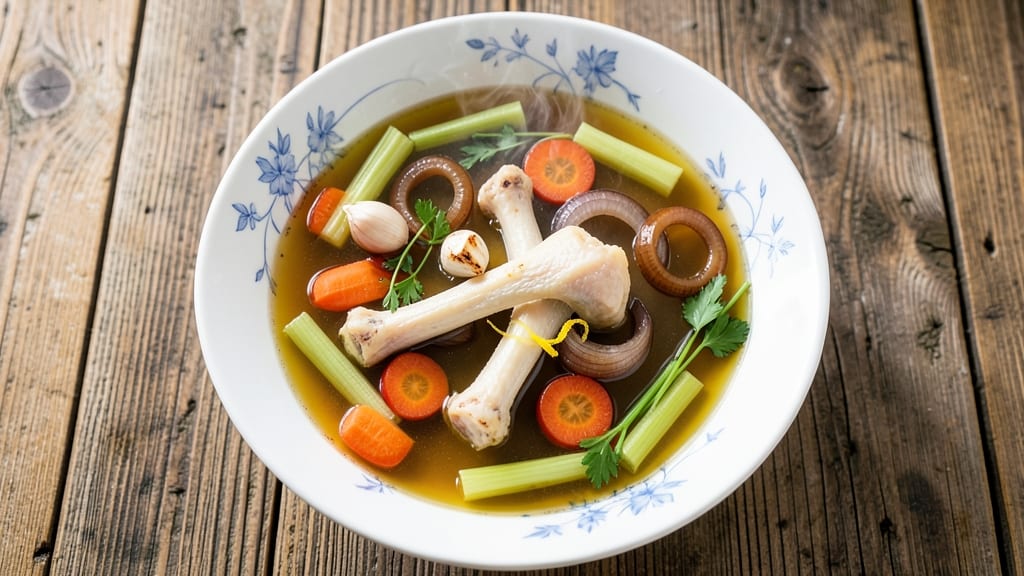
This basic chicken stock soup recipe transforms simple ingredients into a deeply flavorful, comforting bowl that’s perfect for any day. The secret lies in building rich umami from scratch—starting with a homemade stock base that infuses every spoonful with savory depth.
I’ve perfected this method over years of testing, ensuring it’s foolproof for beginners while delivering restaurant-quality results.
The process is straightforward: simmer chicken bones and aromatics until the stock develops a golden hue, then layer in vegetables and protein for a balanced, hearty broth. No fancy techniques required—just patience and attention to seasoning.
The result is a soup that’s naturally aromatic, with tender vegetables and protein that melt into the broth, creating a harmonious blend of textures and flavors.
What makes this recipe stand out is its versatility—adjust the vegetables based on what’s seasonal, or swap proteins for dietary preferences. Serve it as a light lunch, a cozy dinner, or even a healing meal when you’re under the weather.
The key to success? A well-balanced stock and letting the flavors meld slowly over time.
Once you master this foundational recipe, you’ll unlock endless variations—adding herbs, spices, or even a splash of cream for extra richness. The beauty of chicken stock soup lies in its simplicity and adaptability. Ready to make your kitchen smell like comfort? Let’s get started.
Ingredients for basic chicken stock soup
Six aromatic vegetables, two pounds of bones, and patience create a restaurant-worthy chicken stock soup foundation.
| Ingredient | Amount | Notes |
|---|---|---|
| Chicken Bones 🍗 | 2 lb | Raw or roasted for depth |
| Yellow Onion 🧅 | 1 whole | Chopped into 1-inch pieces |
| Carrots 🥕 | 4 medium | Peeled and cut into 1-inch chunks |
| Celery Stalks 🌿 | 4 whole | Cut into 1-inch pieces |
| Garlic Cloves 🧄 | 6 cloves | Smashed, not minced |
| Fresh Parsley Stems 🌿 | 4 whole | Tied into bundle for stock |
| Fresh Thyme Sprigs 🌿 | 4 whole | Stems intact for infusion |
| Bay Leaves 🌿 | 2 whole | Dried, standard size |
| Black Peppercorns 🌶️ | 1 tbsp | Crushed lightly |
| Salt 🧂 | 1 tsp | Diamond Crystal preferred |
| Chicken Breast 🍗 | 1 lb | Boneless, skinless, cubed |
| White Rice 🍚 | ½ cup | Uncooked, long-grain |
| Extra-Virgin Olive Oil 🫒 | 2 tbsp | For initial aromatics |
| Fresh Lemon Juice 🍋 | 1 tbsp | Brightens at the end |
The bones are the soul of this soup—chicken backs or necks yield the deepest flavor, but Whole Foods often carries pre-cut chicken frames for convenience. If using raw bones, a quick roast at 400°F for 20 minutes enhances their caramelization. For aromatics, Trader Joe's sells pre-chopped mirepoix, but fresh celery, onions, and carrots develop more complex flavors. The parsley stems and thyme sprigs infuse subtle herbal notes without overpowering—Penzeys carries organic bundles perfect for this purpose. Always use Diamond Crystal kosher salt for precise seasoning; Morton's has a different grain.
No fresh thyme? Dried works at one-third the amount, but fresh is ideal for that bright herbal aroma. Running short on chicken bones? Substitute 1 lb chicken feet for extra gelatinous richness, or use mushroom stems for a vegetarian-friendly base. The rice acts as a clarifying agent—jasmine or basmati work equally well, but avoid instant rice. For a quicker version, chicken bouillon cubes can replace half the water, though homemade stock develops more depth. The olive oil should be fruity and peppery—avoid mild varieties that won't contribute to the soup's complexity.
This soup improves with time—24 hours in the fridge lets flavors meld beautifully. Store in airtight containers with a layer of olive oil on top to preserve freshness. Freezes for up to 3 months without texture loss. For meal prep, cook the stock base ahead and reheat with fresh vegetables and protein. The lemon juice should be added just before serving to maintain its bright acidity. Portion into glass jars for easy reheating—microwave-safe and freezer-friendly.
Why You'll Love This Recipe
- Pantry Magic: I swear by this recipe when I’ve got nothing but a bag of chicken bones and a few veggies. No fancy prep—just toss the onion, carrots, celery, and garlic into the pot with the bones, cover with water, and let it simmer. Honestly, it’s the kind of soup that makes me feel like a chef without any effort.
- Garlic-Glazed Goodness: That slow simmer? It turns the garlic into pure flavor gold. The onions caramelize just enough to add depth, while the carrots and celery sweeten into the broth—no added salt or spices needed. Between us, this is the kind of taste that sticks with you long after the last spoonful.
- Weeknight Workhorse: I make this when I’m too tired to think, but it still feels special. Add rice and a handful of spinach for a quick lunch, or stretch it into a hearty dinner with noodles. My kids even ask for it when they’re sick—because it’s simple, warm, and always hits the spot.
- Zero-Waste Winner: Chicken bones? Use every last bit. The broth becomes the base for everything—pasta, rice, dumplings—so I’m never left with scraps. Plus, it’s cheaper than buying pre-made stock, and the flavor is so much richer. I’ll be real: this is my secret weapon for stretching groceries without sacrificing taste.
Step-by-step instructions for crafting rich chicken stock soup
This method transforms simple ingredients into a deeply flavorful soup with layers of umami.
Develop the Stock Foundation
Place the 2 lb chicken bones in a large stockpot and add 1 whole yellow onion, 4 medium carrots, 4 whole celery stalks, 6 smashed garlic cloves, 4 fresh thyme sprigs, 2 bay leaves, and 1 tbsp crushed black peppercorns. Cover with 8 cups cold water and bring to a boil over high heat. Once boiling, reduce to a gentle simmer and skim off any foam that rises to the surface for 10 minutes. This removes impurities and ensures clarity.
The reason for this initial skimming is to create a clean, flavorful base. After skimming, add 1 tsp salt and continue simmering uncovered for 2 hours. You'll notice the liquid gradually reduces and deepens in color—this is where the true umami develops. If the water level drops below halfway, add hot water to maintain volume. The bones should be completely submerged at all times for even extraction.
Build Complexity with Aromatics and Chicken
After the initial 2-hour simmer, remove the bones and strain the stock through a fine-mesh sieve into a clean pot, discarding the solids. Return the strained stock to the pot and add 2 tbsp extra-virgin olive oil. Heat the stock over medium-low heat until it reaches 185°F—just below a simmer. Add the 1 lb cubed chicken breast and cook gently for 10-12 minutes until the chicken is just cooked through but still tender.
Remove the chicken and set aside. The stock should now have a rich, golden hue and carry the essence of all the vegetables and herbs. This gentle cooking method preserves the delicate flavors while ensuring the chicken remains moist. If the stock appears cloudy, strain it again through a cheesecloth-lined sieve for maximum clarity. The result should be a velvety, aromatic liquid with visible layers of flavor.
Incorporate Rice and Finish with Brightness
Return the cooked chicken to the pot and add 0.5 cup uncooked white rice. Stir gently to distribute the rice evenly throughout the stock. Bring the mixture to a gentle simmer and cook uncovered for 15-18 minutes, stirring occasionally, until the rice is tender and the soup has thickened slightly. The rice should absorb just enough liquid to create a creamy yet light texture without becoming mushy.
Once the rice is cooked, remove the pot from heat and stir in 1 tbsp fresh lemon juice. This final touch brightens the soup, cutting through the richness of the stock and chicken. Taste and adjust seasoning with additional salt or pepper if needed. The lemon juice also enhances the natural sweetness of the vegetables, creating a balanced flavor profile. Let the soup rest for 5 minutes before serving to allow the flavors to meld completely.
Pro Tips For Making Basic Chicken Stock Soup
- BLANCH BONES FIRST: Toss those chicken bones in boiling water for 2-3 minutes before simmering—this loosens gristle and dirt, so your stock stays crystal clear. I learned this the hard way after straining through a fine-mesh sieve only to find sediment clinging to every bite.
- CHAR THE VEGETABLES: Blacken the onion, carrots, and celery in batches over medium-high heat before adding liquid—this caramelization adds depth that raw veggies just can’t match. Sounds weird, but it works: the flavor jumps off the plate.
- SKIP THE PRESSURE: Resist the urge to mash or press the bones mid-simmer; it releases cloudy fat and grit. Let them break down naturally over 2-3 hours at a gentle simmer, and you’ll end up with a smooth, rich broth instead of a murky mess.
- SALT LATE: Add salt only in the last 30 minutes—too early, and it draws out moisture from the bones, weakening the stock. My grandmother swore by this, and she was right: the seasoning stays balanced, not overpowering.
Make-ahead tips for this basic chicken stock soup
Stock Base Prep
Make the stock base 24 hours ahead for maximum flavor development. Simmer the bones, aromatics, and herbs for 2 hours, then strain and refrigerate in an airtight container. The stock will deepen in flavor and cool evenly, making it easier to reheat later.
I always cover it with a layer of olive oil to preserve freshness and prevent a skin from forming. 💫
Rice Cooking Shortcut
Cook the rice separately in a rice cooker or pot, then add it to the reheated stock for a cleaner texture. This prevents the soup from becoming too thick or mushy when reheated.
For extra convenience, use pre-cooked rice (like day-old rice) and add it directly to the simmering stock—it reheats beautifully while absorbing the broth. 🍚
Protein Prep Ahead
Cube and season the chicken breast 1 day in advance, then store it in the fridge in an airtight container. When reheating, add it to the hot stock for 10-12 minutes to ensure it’s fully cooked and tender.
For variety, swap in shredded rotisserie chicken or poached chicken thighs—both reheat well and add richness to the soup. 🍗
Freezer-Friendly Strategy
Portion the fully cooked soup into glass jars or freezer-safe bags, leaving 1-inch headspace for expansion. Label with the date and freeze for up to 3 months.
To reheat, thaw overnight in the fridge, then warm on the stovetop over medium-low heat for 10-15 minutes, stirring occasionally. Avoid microwaving—it can make the rice gummy. ❄️
Vegetable Flexibility
Store chopped vegetables like carrots, celery, and onions in airtight containers in the fridge for up to 5 days. When reheating, add them to the simmering stock 10 minutes before serving to keep them crisp-tender.
For extra convenience, use frozen mirepoix (pre-chopped veggies) to save time without sacrificing flavor. 🥕
Flavor Boost Before Serving
Add fresh herbs like parsley or thyme, a squeeze of lemon juice, or a drizzle of olive oil just before serving to brighten the soup. These final touches elevate the dish without needing to reheat everything.
I also keep a small bowl of crusty bread on hand—it’s perfect for soaking up the rich broth. 🍋
Nutrition facts
Frequently asked questions
Can I use store-bought chicken stock instead of homemade?
Yes, but you'll lose some depth of flavor. For best results, use a high-quality, low-sodium chicken stock and simmer it with your aromatics for 10-15 minutes to develop more complexity. Add an extra bay leaf and thyme sprig to enhance the homemade taste. The homemade version builds richer umami through slow extraction from bones and vegetables.
How do I prevent the soup from becoming too thick?
Add the rice to the simmering stock gradually, stirring well to prevent clumping. If the soup thickens too much, thin it with hot water or chicken stock (1/4 cup at a time). For a creamier texture without thickening, stir in 1/4 cup heavy cream or Greek yogurt at the end. The key is gentle simmering and occasional stirring to maintain even consistency.
What vegetables can I substitute if I don't have carrots or celery?
Swap carrots for sweet potatoes or turnips (add 5 minutes earlier) and celery for leeks or fennel. For a different flavor profile, try mushrooms (add with chicken) or zucchini (add last 5 minutes). The classic mirepoix (onion, carrot, celery) creates balance, but these alternatives add unique depth to your broth.
Why does my stock look cloudy after simmering?
Cloudiness usually means unskinned impurities or fat. Strain through a cheesecloth-lined sieve for crystal clarity. For extra polish, chill the stock overnight—the fat will solidify on top and can be skimmed off. If the cloudiness persists, simmer the strained stock again with a fresh bay leaf and thyme sprig for 10 minutes to clarify.
Can I make this soup vegetarian?
Replace chicken bones with mushroom stems or vegetable scraps (onion skins, carrot peels) for base flavor. Use vegetable stock and swap chicken for tofu, tempeh, or lentils. For umami depth, add 1 tbsp soy sauce or miso paste when simmering. The rice and lemon finish work perfectly with plant-based proteins too.