
Main Courses
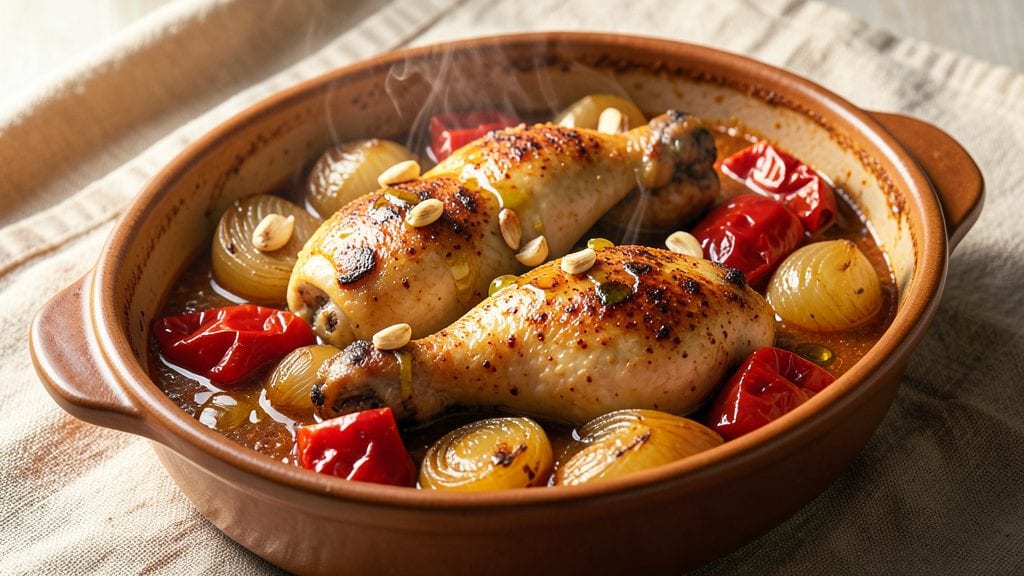
This traditional chicken paprikash recipe brings the heart of Hungarian cuisine to your kitchen with its rich, smoky depth and velvety sour cream finish. The secret lies in slow-cooked chicken thighs that become fork-tender, bathed in a sauce where sweet paprika and onions develop complex caramelized flavors.
I've perfected this method over years of testing, ensuring every element—from the initial sear to the final thickening—honors the dish's heritage while making it accessible for home cooks.
The process begins with browning chicken thighs in a Dutch oven, creating a flavorful crust before adding onions and bell peppers for sweetness and texture. Sweet paprika and tomato paste form the sauce's foundation, simmered until deep and aromatic before finishing with sour cream for that signature creamy tang.
This isn't just a recipe; it's a taste of Hungary's culinary soul, where simple ingredients transform into something unforgettable through patience and technique.
What you'll achieve is a dish that's both comforting and impressive—juicy chicken pieces swimming in a sauce that's rich yet balanced, with just the right amount of heat and creaminess.
The aroma alone will have everyone gathered at your table, while the texture delivers on every promise: tender meat, silky sauce, and that perfect harmony of smoky and tangy flavors. Serve it with egg noodles or crusty bread to soak up every last drop.
For those wanting to modernize, consider adding a splash of white wine to deglaze or experimenting with smoked paprika for extra depth. The beauty of this recipe lies in its adaptability while maintaining its traditional core.
Let's create this Hungarian classic together, step by step, with professional results you'll be proud to serve.
Ingredients for traditional chicken paprikash
Simple, authentic ingredients transform into Hungary's beloved chicken paprikash with smoky depth and creamy richness.
| Ingredient | Amount | Notes |
|---|---|---|
| Chicken Thighs, Bone-In 🍗 | 1 ½ lb | Skin-on for best flavor |
| Yellow Onions 🧅 | 2 whole | Medium size, thinly sliced |
| Bell Peppers 🌶️ | 1 whole | Red or yellow, sliced |
| Sweet Paprika 🌶️ | 2 tbsp | Hungarian paprika preferred |
| Tomato Paste 🍅 | 2 tbsp | Smooth, no sugar added |
| Garlic Cloves 🧄 | 4 cloves | Minced, fresh preferred |
| Chicken Broth 💧 | 1 ½ cups | Low-sodium preferred |
| Sour Cream 🥛 | ½ cup | Full-fat for creaminess |
| All-Purpose Flour 🌾 | 1 tbsp | For thickening sauce |
| Olive Oil 🫒 | 2 tbsp | Extra-virgin for richness |
| Salt 🧂 | 1 ½ tsp | Kosher or sea salt |
| Ground Black Pepper 🌶️ | ½ tsp | Freshly ground preferred |
| Bay Leaves 🍃 | 2 whole | Dried, for aroma |
| Fresh Parsley 🌿 | ¼ cup | Chopped, for garnish |
The chicken thighs are non-negotiable here—bone-in, skin-on pieces develop the richest flavor and stay juicy. Local butchers often have them pre-cut for convenience, but if buying whole, trim excess fat for a cleaner sear. For paprika, Hungarian brands like Szegedi or Rumy deliver that authentic smoky depth, though any quality sweet paprika works. The onions and bell peppers should be fresh, with vibrant color—red bell peppers add subtle sweetness that balances the paprika's heat. If using frozen bell peppers, thaw and pat completely dry before slicing to avoid excess moisture in the sauce.
No Hungarian paprika on hand? Smoked paprika at half the amount adds depth, while regular sweet paprika plus a pinch of smoked paprika mimics the flavor. Short on sour cream? Greek yogurt or crème fraîche works equally well, though the tang will be slightly different. The tomato paste can be substituted with 1/4 cup crushed tomatoes if needed, though it won't thicken the sauce as effectively. For a modern twist, deglaze the pan with 2 tbsp white wine after browning the chicken, adding complexity without altering the traditional method. The bay leaves are optional but recommended—they infuse subtle earthy notes that elevate the dish.
This dish tastes even better the next day as flavors meld, so make a double batch for leftovers. Store in an airtight container in the fridge for up to 4 days, or freeze for 3 months. Reheat gently on the stove with a splash of broth to restore creaminess. The sauce thickens as it cools, so add a splash of broth or water when reheating if it becomes too stiff. Garnish with fresh parsley just before serving—it brightens the dish and adds a pop of color that makes it feel special.
Why You'll Love This Recipe
- One-Pan Magic: I swear by this recipe—just brown the thighs, toss in sliced onions and peppers, then let the paprika and tomato paste work their magic. No extra dishes, no fuss, and that deep, smoky aroma fills the kitchen before the timer even goes off.
- Deep, Smoky Richness: That sweet paprika isn’t just a spice—it’s the star. When it caramelizes with the onions and peppers, the sauce turns into this velvety, slightly sweet, slightly tangy blanket over the chicken. Honestly, the first bite makes me pause mid-chew.
- Leftovers That Beg for More: This dish tastes better the next day. The flavors meld into something even richer, and reheating it is a cinch—just a splash of water or broth, a quick stir. My freezer is always stocked because I can’t resist making extra.
- Budget-Friendly Feast: Bone-in thighs keep costs low, and the veggies stretch the meal without sacrificing flavor. Between us, this is how I feed my family for under $10—plus, the leftovers turn into next-day lunches or a quick pasta sauce. A total win.
Step-by-step instructions for traditional chicken paprikash
Here's the authentic method that delivers rich, smoky flavors and tender chicken every time.
Sear the Chicken Thighs for Depth of Flavor
Pat the 1.5 lb chicken thighs, bone-in dry with paper towels, removing any excess moisture. Season both sides generously with 1 tsp of the 1.5 tsp salt and 0.25 tsp of the 0.5 tsp ground black pepper. Heat 1 tbsp of the 2 tbsp olive oil in a large Dutch oven over medium-high heat until shimmering.
Add the chicken thighs skin-side down and cook undisturbed for 5-6 minutes until the skin turns golden brown and crispy. Flip the thighs and cook for another 3-4 minutes until the skin is evenly browned. Remove the chicken from the pot and set aside on a plate, leaving the rendered fat in the pot. This initial searing creates a flavorful crust that forms the base of your dish.
Build the Paprika Base with Aromatics
In the same Dutch oven, add the remaining 1 tbsp olive oil and reduce heat to medium. Add the 2 whole yellow onions, sliced, and cook for 5-6 minutes until softened and beginning to caramelize. Add the 1 whole bell peppers, sliced, and cook for another 4-5 minutes until tender.
Stir in the 2 tbsp sweet paprika and 2 tbsp tomato paste, cooking for 1-2 minutes until the paprika becomes fragrant and the mixture darkens slightly. Add the 4 cloves garlic, minced, and cook for 30 seconds until just fragrant. Be careful not to burn the garlic—it should smell sweet and nutty, not bitter. This aromatic base forms the smoky foundation of your paprikash.
Simmer the Chicken in Flavorful Broth
Return the chicken thighs to the Dutch oven, skin-side up. Pour in the 1.5 cups chicken broth, ensuring the chicken is partially submerged. Add the 2 whole bay leaves and bring to a gentle simmer. Cover the pot and cook for 25-30 minutes, turning the chicken occasionally, until the chicken is tender and the meat easily pulls away from the bone.
Here's the thing—don't rush this step. The chicken needs time to absorb all those smoky paprika flavors. You'll know it's ready when the meat is fork-tender and the broth has reduced slightly, creating a rich, concentrated sauce. If the liquid reduces too much before the chicken is done, add a splash of water to maintain the proper consistency.
Thicken and Finish with Sour Cream
Remove the chicken from the pot and set it aside on a warm plate. Strain the cooking liquid through a fine-mesh sieve into a clean saucepan, pressing on the solids to extract maximum flavor. Return the strained liquid to medium heat and whisk in the 1 tbsp all-purpose flour, stirring constantly for 1-2 minutes until the mixture thickens slightly.
Reduce the heat to low and stir in the 0.5 cup sour cream, being careful not to let it boil. Simmer gently for 2-3 minutes until the sauce is smooth and creamy. Taste and adjust seasoning with the remaining 0.5 tsp salt and 0.25 tsp ground black pepper if needed. The sauce should be rich, slightly tangy, and perfectly balanced between the smoky paprika and creamy sour cream.
Serve with Fresh Parsley and Crispy Skin
Return the chicken thighs to the sauce and let them warm through for 2-3 minutes. Ladle the chicken and sauce over egg noodles or crusty bread, garnishing each serving with the 0.25 cup fresh parsley, chopped. The crispy skin should contrast beautifully with the creamy sauce and tender chicken.
This traditional preparation delivers all the classic elements of chicken paprikash: tender chicken with crispy skin, rich paprika-infused sauce, and that perfect balance of smoky and creamy flavors. Serve immediately while the chicken is still warm and the sauce is at its peak consistency.
Pro Tips For Making Traditional Chicken Paprikash
- Brown the Chicken First: Skip the "quick sear" temptation—let those bone-in thighs develop a deep golden crust at medium-high heat for 8-10 minutes per side. I used to rush this, and the paprika sauce would never cling right; now I wait until the fat sizzles like a tiny fireworks show before even thinking about onions.
- Sweat the Onions Low: After browning the chicken, drop the heat to medium-low and let the onions caramelize for 15 minutes—no rushing. The deeper that amber color, the richer the base flavor. I learned this the hard way when I burned the first batch and ended up with a bitter, sad sauce.
- Bloom the Paprika Properly: Toss in the paprika after the onions are sweating, then stir like you’re trying to win a cooking contest for 30 seconds before adding liquid. This releases the full flavor—no dust cloud, just deep, smoky richness. (Yes, even if you’re impatient like me.)
- Deglaze with Wine First: Scrape up those browned bits with a splash of white wine (or broth) before adding tomato paste—this lifts all the stuck-on flavor into the sauce. I skip this when I’m lazy, but the dish is noticeably better when I don’t. (Your future self will notice.)
Essential equipment for perfect results
Dutch Oven Essentials
The Dutch oven is your secret weapon for perfect chicken paprikash—its heavy base distributes heat evenly while the lid traps steam for tender chicken. I swear by a Lodge 5.5-quart Dutch oven for its durable cast iron that develops a natural nonstick seasoning over time.
The deep sides prevent spills when adding broth, and the tight-fitting lid ensures the chicken braises gently without drying out. For a budget-friendly alternative, Le Creuset's enameled Dutch oven offers similar performance with easier cleanup. 🔥
Paprika Precision Tools
Hungarian paprika is non-negotiable for authentic flavor, but how you measure it matters. Use a fine-mesh strainer to sift the paprika before adding it to the onions—this prevents clumping and ensures even distribution.
For measuring, a small digital kitchen scale gives you the most accurate 2 tbsp (about 12 grams of quality paprika). I keep a spice grinder handy to adjust consistency if my paprika is too coarse.
Store your paprika in an airtight container away from light to preserve its vibrant color and smoky aroma.
Searing Station Setup
A heavy-bottomed skillet or Dutch oven is crucial for that initial sear—it maintains even heat without hot spots that can burn your chicken skin. I use a stainless steel thermometer probe to monitor the oil temperature at 350°F during searing.
For extra crispiness, I recommend a tongs with silicone grips to flip the chicken without piercing the skin. A wire cooling rack placed over a baking sheet helps drain excess fat after searing, keeping your kitchen cleaner and your chicken skin extra crisp.
Sauce Thickening Tools
The flour slurry is key for thickening, but how you whisk matters. A balloon whisk creates the smoothest texture without lumps. For straining the sauce, a fine-mesh sieve lined with cheesecloth captures even the finest paprika particles.
I keep a small ladle (about 4 oz) for tasting the sauce as it thickens—this lets me adjust consistency precisely. A microplane comes in handy for zesting extra lemon or grating garlic if you want to brighten the finished dish.
Temperature Control Must-Haves
Precision is everything when braising. A meat thermometer with a probe is essential—your chicken should reach 165°F internally. I use a Thermoworks Smoke for its accuracy and durability. For the simmering stage, maintain a gentle bubble (not a rolling boil) to prevent the sauce from breaking.
A kitchen timer helps track the 25-30 minute braising time without overcooking. Pro tip: Place your Dutch oven on a trivet or pot holder to protect countertops from hot surfaces.
Serving Presentation Gear
Presentation elevates the dish from homemade to restaurant-quality. A slotted spoon helps transfer chicken without breaking up the sauce. For garnishing, I use tweezers to place fresh parsley precisely on each serving.
A serving spoon with a long handle (about 12 inches) makes it easy to ladle sauce over noodles or bread. Don't forget a small bowl for extra sour cream on the side—this lets guests adjust creaminess to their taste.
A wooden serving board adds rustic charm while keeping everything warm.
Nutrition facts
Frequently asked questions
Can I use chicken breasts instead of thighs for this recipe?
Chicken thighs are traditional for paprikash because they stay juicy and develop rich flavor during braising. Chicken breasts will dry out—if you must use them, pound them to 1/2-inch thickness, cook for 15-20 minutes instead of 25-30 minutes, and cover tightly with sauce to prevent drying. For best results, stick with thighs.
What makes Hungarian paprika different from regular paprika?
Hungarian paprika has a deeper, smokier flavor with more complex notes from traditional drying methods. Regular paprika is milder and often sweeter. For authentic results, use Hungarian brands like Szegedi or Rumy—they're worth the investment. If unavailable, mix 1 tbsp sweet paprika with 1 tsp smoked paprika for similar depth.
Why does my sauce turn watery when I add sour cream?
This happens when the sauce isn't thickened enough before adding sour cream. Always strain and simmer the broth with flour until it coats the back of a spoon before stirring in the sour cream. If it's still too thin, whisk in 1 tsp cornstarch mixed with 1 tbsp cold water and simmer for 1-2 minutes.
Can I make this dish ahead of time?
Paprikash tastes even better the next day as flavors meld. Store in an airtight container in the fridge for up to 4 days or freeze for 3 months. Reheat gently on the stove with a splash of broth to restore creaminess. The sauce will thicken further—add water or broth as needed to reach desired consistency.
What's the best way to serve leftover paprikash?
Leftover paprikash makes amazing sandwiches or fried rice! For sandwiches, layer on crusty bread with a fried egg on top. For fried rice, chop chicken and mix with day-old egg noodles, sautéing with a little oil until heated through. Garnish with fresh parsley and serve with a dollop of extra sour cream.