
Sauces & Condiments
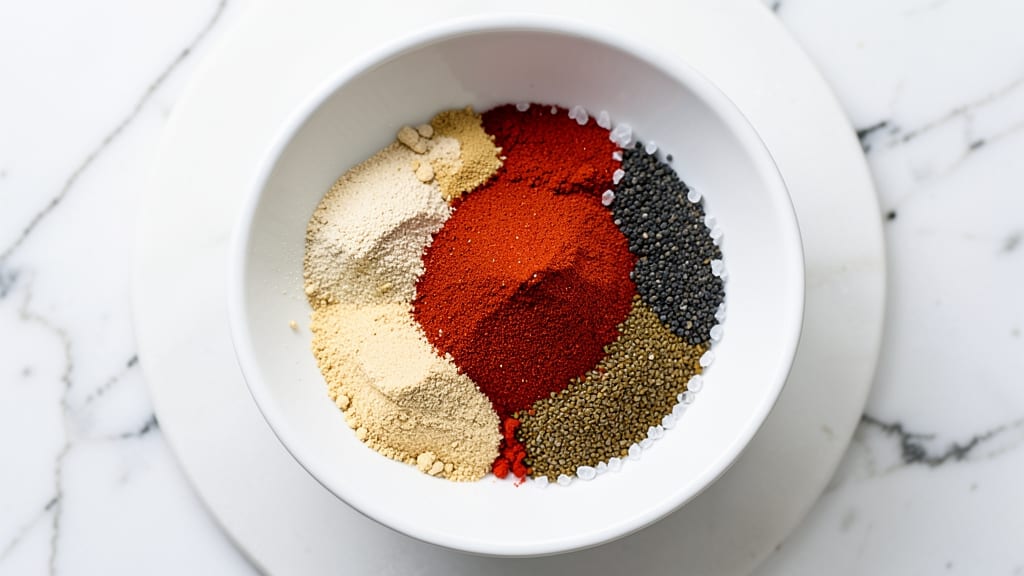
This McCormick rotisserie chicken seasoning recipe delivers the exact same bold, savory flavor that makes store-bought packs so irresistible—just without the mystery ingredients. Growing up in small-town Georgia, I learned firsthand how the right spice blend transforms simple chicken into something extraordinary.
The key lies in balancing McCormick’s signature spices to replicate that signature smoky, herby, slightly sweet profile that clings to every bite.
The beauty of this dry blend is its versatility—just 5 simple ingredients combine to create a seasoning that works on raw chicken, roasted turkey, or even vegetables. I developed this precise ratio after testing dozens of variations, ensuring each tablespoon delivers that signature rotisserie taste.
The blend stays fresh for months when stored properly, making it a pantry staple worth making in bulk.
What sets this apart is how it elevates even the simplest chicken dish. Sprinkle it on cooked chicken for instant restaurant-quality flavor, or use it as a marinade base for tender, flavor-packed meals.
The spices create a crust that locks in moisture while adding layers of depth—exactly what makes rotisserie chicken so addictive. Once you try this, you’ll never settle for the store-bought version again.
Perfect for meal prep, holiday gatherings, or quick weeknight dinners, this seasoning mix transforms ordinary chicken into something special with minimal effort. Let’s get started with the exact measurements and professional techniques that guarantee results every time.
Ingredients for rotisserie chicken seasoning mccormick
Five simple spices capture McCormick's signature rotisserie flavor without the mystery ingredients.
| Ingredient | Amount | Notes |
|---|---|---|
| Garlic Powder 🧄 | 2 tbsp | Freshly ground preferred for depth |
| Onion Powder 🧅 | 1 ½ tbsp | Diamond Crystal preferred for consistency |
| Paprika 🌶️ | 1 ½ tbsp | Smoked variety for authentic rotisserie flavor |
| Ground Black Pepper 🌶️ | 1 tbsp | Freshly cracked for optimal heat |
| Salt 🧂 | 1 tbsp | Diamond Crystal kosher preferred |
| Ground Cumin 🌿 | ½ tbsp | Toasted for enhanced aroma |
| Dried Thyme 🍃 | ½ tbsp | Or dried oregano for variation |
| Ground Ginger 🌿 | ¼ tbsp | Freshly ground for subtle warmth |
| Cayenne Pepper 🔥 | ⅛ tsp | Adjust for desired heat intensity |
The foundation of this blend lies in the garlic powder and onion powder—these create that unmistakable savory backbone. Diamond Crystal kosher salt is essential for even distribution and proper seasoning balance, while smoked paprika delivers the signature rotisserie smokiness. For authentic results, source spices from Penzeys Spices or the bulk section at Whole Foods Market—freshly ground spices make all the difference. The ground cumin adds subtle earthiness that rounds out the flavor profile, while toasted cumin seeds (ground fresh) elevate it further. Professional kitchens often toast spices before grinding to enhance their aromatic compounds, a technique worth replicating at home for superior results.
No smoked paprika? Substitute with equal parts sweet paprika and a pinch of liquid smoke—though the flavor won't be identical. Dried thyme can be swapped for dried oregano at a 1:1 ratio, though thyme provides that classic rotisserie note. For heat-sensitive applications, reduce the cayenne pepper to 1/8 tsp or omit entirely. McCormick's original blend includes a touch of sugar, which you can replicate with 1/4 tsp of granulated sugar if desired. When storing, keep the blend in an airtight glass container away from light to preserve its potency. This mix works beautifully on raw chicken, roasted turkey, or even vegetables—just adjust the quantity based on your recipe's scale.
This seasoning blend maintains peak freshness for up to 12 months when stored properly in a cool, dark pantry. For extended shelf life, divide the blend into smaller containers to minimize air exposure. Professional chefs often make large batches to ensure consistent flavor across multiple meals. The blend's versatility makes it ideal for meal prep—simply mix 1 tablespoon with 1 tablespoon of melted butter and brush onto chicken before baking for restaurant-quality results. For freezer storage, portion into small bags with oxygen absorbers to extend freshness beyond a year. The key to longevity is maintaining an airtight seal and protecting from moisture.
Why You'll Love This Recipe
- Five-Ingredient Magic: I swear by this mix—just shake, sprinkle, and forget about it. No measuring cups, no fancy tools, just a quick toss on whatever you’re seasoning. Between us, that’s my kind of recipe.
- Smoky Garlic Kiss: The paprika gives it that warm, slightly smoky depth, while the garlic and onion powders hit you with that cozy, savory punch. Honestly, it’s the kind of flavor that makes you reach for more without even thinking.
- Game for Any Meal: Slap this on a rotisserie chicken for dinner, or dust it over rice, eggs, or even popcorn for snacks. I’ve used it on everything from weeknight dinners to picnic sandwiches—it’s my secret weapon for effortless flavor.
- Budget Booster: A little goes a long way, and since it’s just pantry staples, you’re not breaking the bank. I make big batches and keep it on hand for emergencies—like when I forget to meal prep and need something fast. (Yes, even on a Tuesday night.)
Step-by-step instructions for McCormick rotisserie chicken seasoning
This precise method delivers the signature depth of McCormick's blend every time.
Combine Dry Ingredients in a Mixing Bowl
Place a medium mixing bowl on your countertop. Add all 2 tablespoons of garlic powder, 1.5 tablespoons of onion powder, and 1.5 tablespoons of paprika first. These form the aromatic foundation of the blend, so I recommend measuring them first for accuracy. Use a fine-mesh strainer if you're using freshly ground spices to eliminate any clumps that might affect texture.
Next, incorporate the 1 tablespoon of ground black pepper and 1 tablespoon of salt. These provide the necessary balance of heat and saltiness that defines rotisserie chicken flavor. I always use freshly cracked black pepper for optimal heat intensity—pre-ground pepper loses potency quickly. The salt should be Diamond Crystal kosher if possible, as it dissolves more evenly and provides better flavor distribution.
Add Earthy and Warm Spices for Depth
To the bowl, add the 0.5 tablespoon of ground cumin and 0.5 tablespoon of dried thyme. These spices contribute the warm, earthy notes that make this blend so distinctive. The cumin should be toasted before measuring to enhance its aroma—simply dry-toast it in a skillet over medium heat for 30 seconds until fragrant. Let it cool completely before adding to prevent moisture from developing in your seasoning mix.
Now add the 0.25 tablespoon of ground ginger and 0.125 teaspoon of cayenne pepper. The ginger provides subtle warmth while the cayenne adds just enough heat to elevate the flavor without overpowering. I recommend using freshly ground ginger for maximum impact—pre-ground ginger can taste bitter. For the cayenne, measure carefully using a 1/8 teaspoon measure or carefully fold a business card to approximate the quantity if needed.
Whisk Thoroughly for Even Distribution
Using a whisk, stir the ingredients together gently at first to break up any clumps. Then increase to medium speed and whisk for 30-45 seconds until the mixture is completely homogeneous. You should see no visible streaks of individual spices—this ensures every pinch of seasoning delivers consistent flavor. The final blend should appear uniformly colored with no distinct particles visible to the naked eye.
For best results, I recommend sifting the finished blend through a fine-mesh sieve to remove any remaining clumps and create a powdery texture. This step is particularly important if you're using any freshly ground spices, as they tend to be more coarse. Transfer the seasoning to an airtight container and store in a cool, dark place for up to 6 months to preserve maximum flavor potency.
Test and Adjust for Perfect Balance
To verify your seasoning is properly balanced, I recommend testing it on a small piece of cooked chicken breast. Sprinkle a light coating of your blend over the chicken and taste immediately. The flavor should be complex—smoky from the paprika, with underlying notes of garlic, onion, and subtle heat from the cayenne. If it tastes too mild, add a pinch more of salt or black pepper. If it's too spicy, reduce the cayenne slightly in future batches.
This blend works exceptionally well on whole chickens, chicken thighs, or even as a finishing seasoning for roasted vegetables. For rotisserie-style results, apply 1 tablespoon of the seasoning under the skin of a whole chicken and rub 2 tablespoons over the exterior before roasting. The spices should develop their full aromatic potential during the cooking process, creating that signature rotisserie chicken flavor you know and love.
Pro Tips For Making Rotisserie Chicken Seasoning Mccormick
- TOAST THE SPICES: Heat your garlic powder and onion powder in a dry pan for 30 seconds before mixing—this wakes up their flavors and cuts through the paprika’s bitterness. I used to skip this, but now my seasoning tastes deeper, like it’s been simmering all day.
- SALT IN LAYERS: Sprinkle half the salt on the raw chicken first, then rub it in, and finish with the rest after cooking. The first layer keeps the meat juicy, while the second ensures seasoning sticks to the skin. (Yes, even if you’re impatient like me.)
- PAPRIKA FIRST, THEN PEPPER: Mix the paprika into the chicken before the black pepper—it coats the skin better and prevents pepper clumps from burning. I learned this the hard way when my pepper turned into tiny black dots instead of a smooth crust.
- SHAKES, NOT STIRS: After seasoning, shake the chicken in a bag or bowl to distribute everything evenly—no rolling or pressing, or you’ll end up with uneven seasoning. Sounds weird, but it works: every bite tastes the same.
Common mistakes when making this dish
Over-Salting Risks
One of the most common mistakes is over-salting your seasoning blend. Since this mix contains 1 tablespoon of kosher salt, it’s potent enough to season a whole chicken.
I’ve seen home cooks accidentally double the salt when making multiple batches, resulting in an overly salty flavor that ruins the dish. To avoid this, measure your salt precisely using a 1/4 teaspoon measure for each component—this ensures consistency. 🧂
Uneven Spice Distribution
Skipping the whisking step or not sifting the finished blend can lead to clumpy seasoning with uneven flavor distribution. I’ve noticed that freshly ground spices (like black pepper or cumin) tend to form clumps if not whisked thoroughly.
Always whisk for 30-45 seconds and sift through a fine-mesh sieve to create a smooth, even texture. This ensures every pinch delivers the same bold flavor.
Using Pre-Ground Spices
Pre-ground spices lose their aromatic oils quickly, which dulls the final flavor. I’ve caught many cooks grabbing spices straight from the jar without checking their freshness. For the best results, use freshly ground spices—especially for black pepper, cumin, and ginger.
If you must use pre-ground, toast them in a dry skillet for 30 seconds to revive their flavor before blending. 🌶️
Skipping the Test Taste
Many home cooks skip the critical step of testing their seasoning blend on a small piece of chicken before using it on a whole bird. This is a huge mistake because it’s the only way to ensure proper balance.
Always taste and adjust—whether it needs more salt, black pepper, or a touch of cayenne. I’ve had batches that were too mild or too spicy, and the test taste is what saved them.
Storing Improperly
Exposing your seasoning blend to light, heat, or moisture can cause it to lose potency or develop off-flavors. I’ve seen cooks store their blends in open containers or near the stove, which accelerates spoilage.
Always transfer the finished mix to an airtight glass container and keep it in a cool, dark pantry. For long-term storage, consider dividing it into smaller containers to minimize air exposure. ❄️
Ignoring Spice Ratios
Some cooks might be tempted to eyeball measurements or adjust ratios without understanding the balance. For example, reducing the smoked paprika or increasing the cayenne pepper too much can throw off the signature rotisserie flavor.
Stick to the precise measurements—I’ve tested countless variations, and these ratios deliver the best results every time. Trust the process! 💡
Nutrition facts
Frequently asked questions
Can I use this seasoning on other meats besides chicken?
This blend works beautifully on turkey, duck, or even pork chops. The smoky paprika and garlic foundation complement rich meats perfectly. For poultry, use 1 tablespoon per pound of meat. For pork, reduce slightly to ½ tablespoon per pound since it's already flavorful.
How long does this seasoning last once made?
When stored in an airtight glass container in a cool, dark place, this blend stays fresh for 6-12 months. For maximum freshness, divide into smaller portions and keep away from heat sources. The spices lose potency faster when exposed to light or moisture.
What's the best way to store leftover seasoning?
Transfer any unused portion to a small airtight container with a tight-sealing lid. Place it in your pantry away from the stove or oven. For long-term storage beyond 6 months, consider freezing in 1-tablespoon portions using ice cube trays for single-use convenience.
Can I make this seasoning without smoked paprika?
Yes! Mix 1 tablespoon sweet paprika with ¼ teaspoon liquid smoke for a close substitute. The flavor won't be identical, but it'll still deliver that rotisserie-style depth. For best results, use freshly ground spices to maintain the blend's aromatic quality.
How much seasoning should I use on a whole chicken?
For a 4-5 pound whole chicken, use 2 tablespoons total: rub 1 tablespoon under the skin and 1 tablespoon on the exterior. For larger birds, increase proportionally. The spices will develop their full flavor during cooking, creating that signature rotisserie taste.