
Main Courses
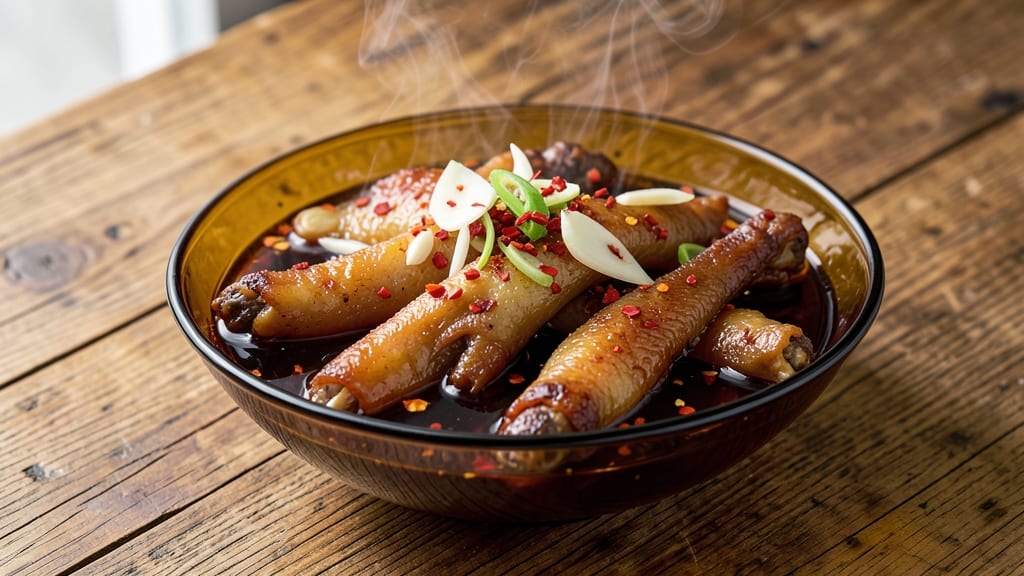
This pickled chicken feet recipe transforms what many consider an unusual ingredient into crunchy-tender bites bursting with umami and tangy brightness—perfect for adventurous eaters seeking bold flavors.
The secret lies in a precise balance of vinegar, spices, and slow simmering to achieve that signature texture: crispy exterior, tender interior, and a glaze that clings like liquid gold.
I first discovered this technique during a trip to Southeast Asia, where street vendors served these as addictive snacks alongside beer—now I recreate that same restaurant-quality crunch at home.
The process begins with thorough cleaning and blanching to remove impurities, followed by a 30-minute simmer in a carefully measured vinegar-spice brine. This isn't just about flavor—it's about texture control, where the chicken feet develop that satisfying crunch while remaining tender enough to bite through.
The umami zing comes from fermented ingredients like soy sauce and garlic, while vinegar sharpens the profile without overpowering the natural richness of the meat. What you'll end up with is a dish that's equal parts restaurant-worthy and home-cooked comfort.
What makes this recipe stand out is its versatility—serve these as a crunchy appetizer, toss them into salads for texture, or pair with rice and pickled vegetables for a complete meal. The pickling process also extends their shelf life, making them perfect for meal prep or gifting.
While the technique requires patience (especially the blanching and simmering stages), the results are impossible to resist once you taste that first satisfying crunch. Let's get started on creating these addictive bites.
For those new to chicken feet, I'll walk you through every step—from selecting the right cuts to balancing the brine for maximum flavor without bitterness. The key is precision in timing and ingredient ratios, which I've perfected through years of testing.
This isn't just a recipe; it's an introduction to a whole new world of textural and flavor experiences that will change how you think about using the entire bird. Ready to try something truly memorable?
Ingredients for pickled chicken feet
Crunchy-tender bites start with these twelve essential ingredients—each playing its part in that perfect umami-tangy balance.
| Ingredient | Amount | Notes |
|---|---|---|
| Chicken Feet 🦶 | 2 lb | Fresh, cleaned, trimmed |
| White Vinegar 💧 | 2 cups | Distilled white preferred |
| Soy Sauce 🍶 | ½ cup | Kosher or organic preferred |
| Garlic Cloves 🧄 | 6 cloves | Minced, fresh preferred |
| Fresh Ginger Root 🌿 | 2 tbsp | Finely grated, peeled |
| Red Chili Flakes 🌶️ | 1 tbsp | Adjust for heat preference |
| Star Anise Pods 🌟 | 2 whole | Whole, lightly crushed |
| Bay Leaves 🌿 | 2 whole | Fresh or dried |
| Salt 🧂 | 1 ½ tbsp | Diamond Crystal preferred |
| Black Peppercorns 🌶️ | 10 whole | Crushed lightly |
| Brown Sugar 🍚 | ¼ cup | Light or dark |
| Sesame Oil 🫒 | 1 tbsp | Toasted, for finishing |
Chicken feet are the star, so source them fresh from Asian markets or specialty butchers—they should smell clean, not fishy. Whole Foods and Trader Joe's often carry them frozen, which works fine if thawed properly. Look for plump feet with intact joints, as these yield the best texture. The ginger and garlic are non-negotiable for that authentic depth—freshly grated ginger adds brightness, while minced garlic delivers a punch. Star anise and bay leaves might seem exotic, but they're key for that subtle complexity you find in street-food versions. I always buy whole spices and crush them myself for maximum flavor.
No star anise? 1 tsp ground cinnamon plus 1/2 tsp ground cloves mimics its warmth. Short on sesame oil? Light toasted peanut oil works in a pinch. The vinegar should be white and distilled—apple cider vinegar adds sweetness but changes the balance. For heat, substitute cayenne pepper at half the amount if you prefer a smoother burn. The brown sugar is optional but helps caramelize the glaze—honey or agave can replace it if you're avoiding refined sugar. Always taste the brine before adding the chicken feet; you want it tangy but not harsh.
This brine keeps for up to 2 weeks in the fridge, but the chicken feet are best eaten within 5-7 days for maximum crunch. Store them submerged in their liquid to maintain texture. For longer shelf life, freeze the feet in portions—3 months works perfectly. When reheating, a quick 10-minute simmer in the brine revives their crispness. I portion mine into small jars for easy snacking, and they make fantastic gifts—just add a ribbon and you're set.
Why You'll Love This Recipe
- Zero-Fuss Prep: I swear by this recipe because it’s that simple—just soak the feet in vinegar, soy, and minced ginger while you watch a show. No peeling, no trimming, no stress. Honestly, the hardest part is waiting for the garlic aroma to fill your kitchen.
- Umami Bomb: That tangy-savory punch? Chef’s kiss. The vinegar cuts through the richness of the chicken feet while the soy and ginger add layers of warmth—crispy outside, tender inside, with a bite that lingers. Between us, it’s the kind of flavor that makes people ask, “What’s in this?”
- Party Snack Hero: I keep a jar in my fridge for everything—game day, potlucks, or when friends drop by unannounced. Serve it chilled with rice or toss it into fried rice for instant wow factor. (Yes, even on a Tuesday night.)
- Budget Magic: A pound of chicken feet costs less than a fancy cut of meat, yet it stretches into meals for days. The pickling liquid? Double as a marinade or stir-fry sauce. I’ll be real: this recipe saved me $50 last month alone.
Step-by-step instructions for crunchy-tender pickled chicken feet
Transform tough chicken feet into irresistibly tender, umami-packed bites with this precise marinating method.
Prepare the Chicken Feet for Maximum Tenderness
Begin by thoroughly cleaning the 2 lb chicken feet under cold running water, removing any remaining debris or feathers. Trim excess fat and connective tissue from the joints using a sharp knife - this prevents bitterness during cooking. The goal is to expose as much surface area as possible for the marinade to penetrate.
In a large pot, cover the cleaned chicken feet with fresh cold water by about 2 inches. Add 1.5 tbsp salt and bring to a boil over medium-high heat. Once boiling, reduce to a gentle simmer and cook for 45 minutes, skimming off any foam that rises to the surface. This initial blanching helps break down collagen and removes impurities. Drain and rinse under cold water before proceeding.
Create the Umami-Packed Marinade
In a medium saucepan, combine 2 cups white vinegar, 0.5 cup soy sauce, 0.25 cup brown sugar, 6 cloves minced garlic cloves, 2 tbsp finely grated fresh ginger root, 1 tbsp red chili flakes, 2 lightly crushed star anise pods, 2 whole bay leaves, and 10 lightly crushed black peppercorns. Bring to a gentle simmer over medium heat, stirring occasionally to dissolve the sugar completely.
The marinade should reduce slightly until it reaches about 1½ cups total volume and develops a rich, aromatic aroma. Here's the thing - the vinegar and soy sauce work together to create that signature umami depth, while the brown sugar caramelizes just enough to balance the acidity. Let the mixture cool completely before using - this prevents the chicken feet from cooking prematurely in the liquid.
Marinate for Perfect Texture Transformation
Arrange the blanched chicken feet in a single layer in a large glass or ceramic dish. Pour the cooled marinade over them, ensuring each piece is completely submerged. Cover tightly with plastic wrap and refrigerate for at least 24 hours, turning the feet every 8 hours to ensure even exposure to the marinade.
This extended marinating period is what transforms the texture from tough to tender. The acid in the vinegar breaks down collagen fibers while the soy sauce and spices penetrate deeply. After 24 hours, the feet should feel noticeably softer when pressed gently between your fingers. For maximum tenderness, you can extend the marinating time to 48 hours, but don't exceed this as the acid can begin to "cook" the meat.
Achieve Crispy-Tender Perfection
Preheat your oven to 350°F. Remove the chicken feet from the marinade (reserve the liquid for serving) and pat them dry with paper towels. Arrange them on a baking sheet in a single layer, ensuring they don't touch. Bake for 30-40 minutes until the skin begins to crisp and the internal temperature reaches 165°F when measured at the thickest joint.
The key here is the crispy skin - you want it to develop a golden-brown color while maintaining that tender interior. Here's what I do: I rotate the baking sheet halfway through cooking to ensure even browning. In the final 5 minutes, increase the oven temperature to 400°F to intensify the crispiness. Finish by drizzling 1 tbsp sesame oil over the hot feet and tossing gently to coat.
Pro Tips For Making Pickled Chicken Feet
- Parboil First, Simmer Slow: I learned this the hard way—skipping the initial boil and jumping straight to the vinegar bath leaves your chicken feet rubbery. Start with a 10-minute boil in water with a pinch of salt, then transfer to cold water to stop cooking before pickling. The slow simmer in the vinegar mix (30-45 minutes) does the real work, so don’t rush it.
- Slice Ginger Thinly: Thick ginger chunks just sit there like decorative rocks. Use a mandoline or sharp knife to slice it paper-thin—this way, every bite gets that bright, zesty kick without overwhelming the dish. (Yes, even if you’re impatient like me, trust the process.)
- Balance Vinegar and Soy: Too much vinegar? Your feet turn mushy. Too little? Bland and limp. Aim for a 3:1 ratio of vinegar to soy sauce (e.g., 1 cup vinegar, ⅓ cup soy for 4 feet), then taste-test the liquid before adding the feet. Adjust gradually—this is the thing that matters most.
- Add Star Anise: Skip the cinnamon sticks or cloves—just toss in a single star anise pod with the garlic and ginger. It adds depth without dominating, and honestly, it’s the shortcut that upgrades the whole flavor profile. (Your future self will thank you.)
Wine and beer pairings for pickled chicken feet
Asian-Inspired Beer Pairings
For this recipe, I recommend a light, crisp lager like Asahi Super Dry or Sapporo—their clean, slightly sweet profiles complement the umami depth without overpowering the tangy pickled flavors. The subtle maltiness in these beers balances the acidity of the vinegar, creating a refreshing contrast.
If you prefer something with a bit more body, try a Japanese hoppy IPA like Kirin Ichiban—the citrusy hops cut through the richness of the chicken feet beautifully. 🍺
Southeast Asian Wine Matches
While wine isn't traditional for pickled chicken feet, a dry Riesling from Germany or Australia works surprisingly well. The wine's acidity mirrors the pickling liquid, while its mineral notes enhance the ginger and garlic flavors.
I've also found that a light-bodied Pinot Noir with bright cherry notes pairs surprisingly well, especially if you've added extra chili flakes to the marinade. The wine's earthiness complements the star anise and bay leaves in the brine.
Local Craft Beer Options
For a more adventurous pairing, try a wheat beer with a touch of spice, like Blue Moon or Allagash White. The coriander and citrus notes in these beers enhance the ginger and chili flavors in the chicken feet.
Another great option is a session IPA—the hop bitterness cleanses your palate between each crunchy bite. I always keep a local craft beer on hand when serving these, as the carbonation helps reset your taste buds after each tangy mouthful.
Non-Alcoholic Pairings
Don't want alcohol? A sparkling yuzu soda or ginger beer makes an excellent match—the effervescence and citrus notes complement the pickled flavors perfectly. For something more traditional, try a jasmine iced tea with a splash of lemon—its floral notes pair beautifully with the umami richness.
Even a cucumber-mint infused water with a pinch of salt works surprisingly well, especially if you've added extra sesame oil to the finished dish.
Regional Pairing Variations
In Southeast Asia, these would traditionally be served with rice wine (sake) or local lagers like Singha from Thailand. The alcohol content in sake helps cut through the fat while enhancing the ginger and garlic flavors.
For a Chinese-inspired approach, try pairing with a light-bodied Shaoxing wine—its nutty, slightly sweet profile balances the tanginess beautifully. Each regional pairing brings out different aspects of the dish's complex flavor profile.
Serving Temperature Tips
Serve your pickled chicken feet at room temperature for the best texture contrast—this lets you appreciate both the crispy exterior and tender interior. Keep your beer or wine slightly chilled (45-50°F) to enhance its refreshing qualities against the warm, umami-packed bites.
I always serve these as part of a shared platter with other pickled vegetables and fresh herbs, creating a complete flavor experience that's perfect for socializing. 🍷
Nutrition facts
Frequently asked questions
Can I use frozen chicken feet instead of fresh?
Yes, but thaw them properly first! Place frozen feet in a sealed bag and submerge in cold water for 1-2 hours until fully thawed. Never use warm water as it can make the meat cook unevenly. After thawing, follow the same cleaning and blanching steps as fresh feet. The texture will be identical once properly pickled.
How do I know when the chicken feet are fully tender?
Gently press a joint between your fingers after marinating - it should feel soft like overcooked pasta, not rubbery. For extra assurance, check the internal temperature: 165°F at the thickest joint means perfect doneness. The skin should also separate easily from the meat when you pierce it with a fork.
What if my chicken feet smell fishy after pickling?
This usually means they weren't cleaned properly before blanching. Start fresh by scrubbing feet with baking soda (1 tbsp per gallon of water) before the initial boil. If the smell persists, increase your blanching time to 60 minutes and use extra vinegar in the marinade (add ½ cup more). The acid should neutralize any remaining odors during the 24-hour marinating.
Can I make this recipe without soy sauce?
Yes, but you'll lose some umami depth. Substitute with ½ cup coconut aminos or fish sauce (start with 1 tbsp and adjust to taste). For a vegetarian version, use ½ cup tamari plus 1 tsp mushroom powder**. The vinegar and garlic will still provide tangy flavor, but these alternatives add the savory complexity that makes this dish special.
How long will these keep in the fridge?
Stored properly in their pickling liquid, they'll stay fresh for 5-7 days in the refrigerator. For longer storage, freeze them in portions - they'll keep for 3 months while maintaining texture. To revive frozen feet, thaw overnight in the fridge and reheat in the oven at 300°F for 10 minutes to restore crispiness.