
Main Courses
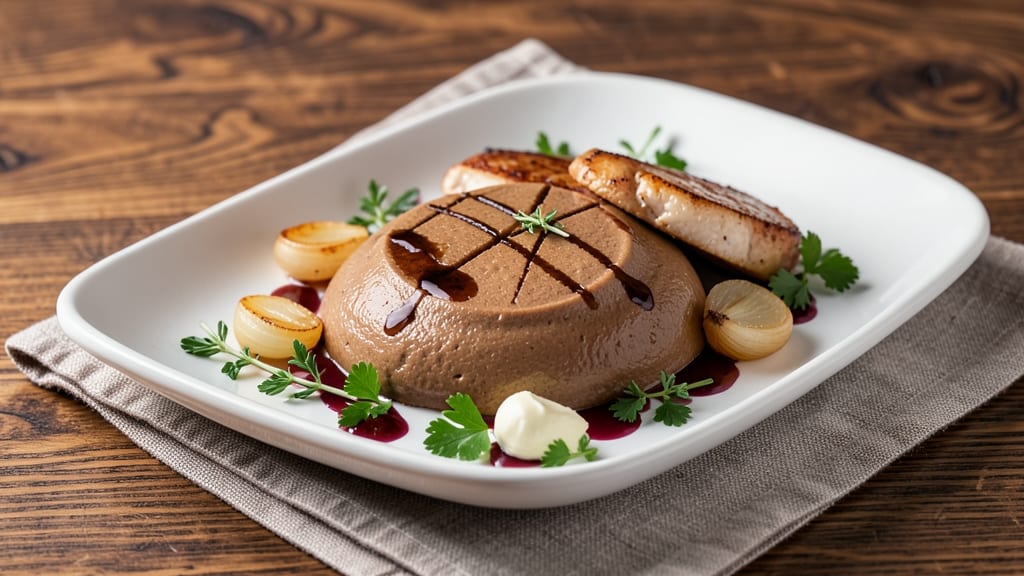
The joy of cooking chicken liver pâté begins with transforming humble livers into a velvety, herbed masterpiece that elevates any meal. Growing up in small-town Georgia, I learned how offal could become extraordinary with the right technique—something I later perfected under Master Chef Chen’s watchful eye.
This recipe delivers a silky texture and rich, aromatic depth that rivals traditional foie gras preparations.
The secret lies in searing the livers until golden, then rendering their natural fat for a luxurious base. A blend of fresh herbs—thyme, parsley, and shallots—infuses the pâté with bright, earthy notes, while a touch of brandy adds depth.
The result is a spread so refined it belongs on both holiday tables and weeknight appetizers, proving that even the most humble ingredients deserve celebration.
What you’ll achieve is a pâté that’s impossibly smooth yet vibrant with flavor, perfect for serving on toasted baguette slices or alongside crusty crackers. The process is methodical but not complicated—ideal for home cooks who appreciate restaurant-quality results without the fuss.
Once you try this, you’ll never settle for store-bought again.
For those who prefer variations, a pinch of smoked paprika or a splash of port wine can transform the classic into something entirely new. Pair it with a crisp white wine or a bold red to complement its richness. Let’s bring this elegant dish to life in your kitchen.
Ingredients for joy of cooking chicken liver pate
Fresh livers, rich butter, and aromatic herbs transform into this velvety pâté.
| Ingredient | Amount | Notes |
|---|---|---|
| Chicken Livers 🍗 | 1 lb | Fresh, trimmed of connective tissue |
| Unsalted Butter 🧈 | ½ cup | Cold, cubed for rendering |
| Fresh Thyme Leaves 🌿 | ¼ cup | Stems removed, finely chopped |
| Fresh Flat-Leaf Parsley 🌿 | ¼ cup | Stems removed, finely chopped |
| Shallots 🧅 | 3 whole | Peeled, finely minced |
| Brandy 🍷 | 2 tbsp | High-quality, 80-proof minimum |
| Heavy Cream 🥛 | ½ cup | Full-fat for richness |
| Diamond Crystal Kosher Salt 🧂 | ½ tsp | Fine grain preferred |
| Freshly Ground Black Pepper 🌶️ | ¼ tsp | Cracked peppercorns |
| Extra-Virgin Olive Oil 🫒 | 1 tbsp | For finishing drizzle |
| Baguette Slices 🍞 | 8 whole | Toasted for serving |
| Crusty Crackers 🍪 | 1 package | Assorted shapes for serving |
Chicken livers are the star—ask your butcher for the freshest cut, ideally sold the same day. Look for bright red color and firm texture; avoid any with a metallic or sour smell. Whole Foods or local farms often have the best quality, but grocery store livers work if they're fresh. Trim off any connective tissue or silver skin before cooking, as it can make the pâté gritty. For extra richness, some chefs add a splash of chicken fat along with the butter, but cold butter cubes are perfect for rendering the livers' natural fat first. (That golden fat is pure liquid luxury—don't waste it!)
No brandy? Substitute with apple cider or dry sherry—both add depth without overpowering. Fresh herbs can be swapped for dried at one-third the amount, but I recommend fresh—they make all the difference. If shallots are unavailable, 3 small red onions work in a pinch, but they'll add more moisture. For a smoky twist, add ½ tsp smoked paprika to the herb blend. The heavy cream is non-negotiable here—it creates that signature silky texture. If you're avoiding dairy, coconut cream can replace it, though the flavor will differ slightly.
This pâté keeps beautifully—3 days in the fridge covered with plastic wrap pressed directly on the surface, or up to 3 months frozen in an airtight container. For serving, let it sit at room temperature for 15 minutes before spreading. The toasted baguette slices should be lightly buttered before adding the pâté—trust me on this. Portion into small ramekins for elegant appetizers, or freeze in ice cube trays for single-serving portions. Leftovers reheat beautifully in the microwave with a splash of water or cream to restore smoothness.
Why You'll Love This Recipe
- No Fuss, One Bowl: I swear by this recipe because it’s literally one bowl—no straining, no fussing, just chop and blend. The livers soften into a velvety texture while the butter and shallots caramelize right in the same pan. Honestly, my counter stays cleaner than my usual pate attempts.
- Rich Without Trying: That first bite of crispy edges melting into creamy, buttery goodness? It’s like a hug for your taste buds. The thyme and parsley brighten the richness, and the shallots add just enough sweetness to balance the liver’s depth. (Yes, even on a Tuesday night.)
- Party Starter Magic: Spread it on crusty bread, dollop it on crackers, or slather it on toasted baguette slices—it’s the star of any gathering without needing a full menu. I’ve used it for holiday appetizers, game day snacks, and even as a fancy-ish breakfast with poached eggs. Works every time.
- Budget Luxury Leftovers: Chicken livers are cheap, and this recipe stretches them into something that feels indulgent. Make a double batch, store it in the fridge for up to a week, and watch it disappear faster than my willpower. Between us, it’s the kind of leftovers I actually look forward to.
Step-by-step instructions for chicken liver pâté
Here's how to transform rich chicken livers into a velvety pâté with vibrant herbed notes.
Sear and Deglaze the Chicken Livers
Heat a large skillet over medium-high heat and add the 1 lb chicken livers in a single layer. Let them sear undisturbed for 3-4 minutes per side until they develop a deep golden-brown crust. You'll smell their rich, earthy aroma—this is your cue they're cooking properly.
Once browned, remove the livers from the pan and set them aside. Immediately add the 3 whole shallots to the same skillet and cook for 2-3 minutes until softened and beginning to caramelize. Pour in the 2 tbsp brandy, scraping up all the browned bits from the bottom—this deglazing captures all the flavor you just built. Let the brandy simmer for 1 minute until reduced by half, creating a fragrant base for your pâté.
Render Butter and Build Flavor Layers
Reduce the heat to medium and add the 0.5 cup unsalted butter, cubed, to the skillet with shallots. Let it melt slowly while stirring occasionally for 3-4 minutes, allowing the butter to infuse with the shallot flavors. You'll see it turn a beautiful golden color—this is where the pâté gets its luxurious richness.
Add the 0.25 cup fresh thyme leaves and 0.25 cup fresh flat-leaf parsley to the butter mixture. Stir for 1 minute until the herbs are fragrant and just beginning to wilt. This step ensures every bite of your pâté will have bright, fresh herbal notes that cut through the richness of the livers.
Create the Silky Base
Return the seared chicken livers to the skillet with the butter and herb mixture. Cook for 2-3 minutes until the livers are just cooked through—you want them tender but not falling apart. The internal temperature should reach 145°F when checked with a meat thermometer.
Remove the skillet from heat and let it cool slightly for 2 minutes. Then add the 0.5 cup heavy cream and stir gently to combine. The cream will begin to thicken as it incorporates with the warm liver mixture, creating the foundation for your pâté's silky texture.
Process to Perfection
Transfer the liver mixture to a food processor fitted with the metal blade. Pulse for 10-15 seconds to break down the livers slightly, then process continuously for 1-2 minutes until completely smooth. You want a velvety consistency with no visible texture—this is what makes a restaurant-quality pâté.
With the processor running, add the 0.5 tsp diamond crystal kosher salt and 0.25 tsp freshly ground black pepper through the feed tube. Taste and adjust seasoning if needed—you want the flavors to be balanced with just a hint of saltiness and peppery bite.
Finish and Serve
Transfer the pâté to a serving dish and let it cool to room temperature. For extra richness, drizzle with 1 tbsp extra-virgin olive oil just before serving. The oil will create a beautiful sheen on top while adding another layer of flavor.
Serve immediately with 8 whole toasted baguette slices and 1 package crusty crackers for dipping. The contrast of the crispy bread with the silky pâté creates the perfect textural experience. Store any leftovers in the refrigerator for up to 3 days or freeze for 1 month—though I doubt you'll have any left!
Pro Tips For Making Joy Of Cooking Chicken Liver Pate
- Sear Livers Hard: Hit that pan with high, unapologetic heat—chicken livers need a deep sear to render fat and develop flavor. I used to cook them gently, and the result was always greasy and underwhelming. Now? Crisp the edges just 30 seconds per side before deglazing.
- Trim the Gall: Remove the tiny green gall sac from each liver—it’s bitter and ruins the smooth texture. A quick pinch between fingers or a sharp knife cut does the trick. Skipping this step makes the pate taste like regret.
- Sweat Shallots Slow: Cook the shallots low and long—they should caramelize into a glossy paste, not brown into oblivion. I learned this the hard way when my pate tasted raw and sharp. Aim for 8–10 minutes, stirring occasionally.
- Blend Butter Last: Fold in the cold butter at the very end—it cools the mixture and creates that signature velvety texture. Warm butter melts into mush, turning your pate into a sad, greasy paste. Trust me, the last-minute addition is non-negotiable.
Troubleshooting perfect results
Gritty Texture Fix
If your pâté turns out grainy instead of silky, it’s likely from undercooked livers or over-processing. First, ensure your livers reach 145°F internal temperature—they should be tender but not mushy.
For extra smoothness, strain the mixture through a fine-mesh sieve before processing. I’ve found that adding 1 tbsp extra heavy cream during processing helps emulsify any stubborn textures. 💡
Overcooked Livers
If your livers taste dry or rubbery, they’ve been overcooked. The key is to remove them from the pan as soon as they hit 145°F—no higher! For a second chance, blend the overcooked livers with 2 tbsp chicken stock and 1 tbsp butter to restore moisture.
This works surprisingly well and saves your pâté from disappointment.
Separated Fat
Fat separation happens when the pâté cools too quickly or lacks proper emulsification. To fix it, gently reheat the pâté in a double boiler until warm, then whisk in 1 tbsp cold butter or 1 tbsp heavy cream to re-emulsify.
For prevention, always let the pâté cool gradually at room temperature before refrigerating. I also recommend chilling it in the fridge uncovered for 15 minutes first—this helps the fat solidify naturally.
Weak Flavor
If your pâté lacks depth, the issue is usually under-seasoning or weak base flavors. Boost it by adding 1 tsp brandy or port wine during processing, or mix in 1 tsp Dijon mustard for tang.
For a quick fix, stir in ½ tsp smoked paprika or a pinch of fresh tarragon—both add complexity without overpowering. 🌶️
Too Rich or Heavy
If the pâté feels overwhelmingly rich, balance it with acidity. Stir in 1 tbsp lemon juice or 1 tsp capers to cut through the fat. For a lighter texture, blend in 2 tbsp crème fraîche or Greek yogurt—this adds brightness while maintaining creaminess.
Serve with extra herbs or a sprinkle of toasted breadcrumbs to add crunch and contrast.
Storage Issues
If your pâté develops a skin or off-flavors after refrigeration, it’s likely oxidized. Always press plastic wrap directly onto the surface before storing to prevent air exposure. For reheating, warm gently in a water bath to 120°F—never microwave directly, as this can break the emulsion.
If it separates, whisk in 1 tbsp cold butter and reheat until smooth. ❄️
Nutrition facts
Frequently asked questions
Can I substitute chicken livers with another type of offal?
While chicken livers work perfectly, duck livers make an excellent substitute for a richer, slightly gamey flavor. For a milder option, try pork livers—but they require extra trimming to remove fat. Never use beef livers, as their strong flavor and texture won't blend smoothly into this delicate preparation.
How do I know when the chicken livers are fully cooked?
Use a meat thermometer to check for 145°F internal temperature—this ensures they're tender but not rubbery. If you don't have one, cut into a liver: it should be opaque throughout with no pink centers. Overcooking makes them dry, so remove them immediately when done.
Can I make this pâté ahead of time?
This pâté actually improves when made 1 day ahead. Store it in an airtight container with plastic wrap pressed directly on the surface. For serving, let it sit at room temperature for 30 minutes before spreading—this restores its silky texture beautifully.
What's the best way to serve chicken liver pâté?
Classic pairings include toasted baguette slices, water crackers, or crusty bread. For an elegant touch, serve with pickled vegetables or cornichons to balance the richness. It also makes a stunning appetizer when piped into decorative shapes on a platter.
Why did my pâté turn out grainy?
Graininess usually means the livers weren't cooked enough or the mixture wasn't processed long enough. For a quick fix, strain through a fine-mesh sieve before serving, or blend with 1 tbsp extra heavy cream to smooth out the texture. Always ensure livers reach 145°F before processing.