
Sauces & Condiments
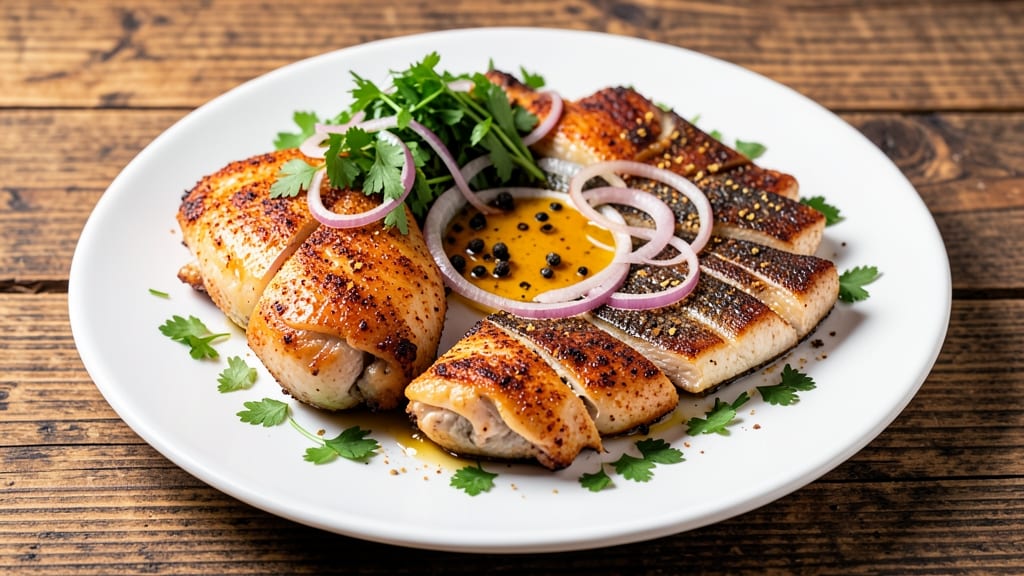
This JJ Fish and Chicken Seasoning Recipe transforms ordinary grilled or baked proteins into restaurant-quality masterpieces with just a sprinkle. The blend of warm spices, citrus zest, and aromatic herbs creates a bold, versatile seasoning that works equally well on fish fillets or chicken breasts—whether you're grilling, baking, or pan-searing.
I developed this mix after years of testing what truly elevates these proteins, and it never fails to impress.
The secret to this seasoning lies in its balance: smoky paprika for depth, garlic powder for savory punch, and dried herbs like thyme and oregano for brightness. Unlike pre-packaged blends, this recipe uses high-quality spices in precise ratios, ensuring every batch delivers consistent, professional results.
The blend stays fresh for months when stored properly, making it a kitchen staple worth keeping on hand.
What makes this seasoning truly special is its adaptability—it works as a dry rub, baking powder, or even a finishing dust for already-cooked proteins.
The citrus zest adds a subtle brightness that cuts through the richness of chicken or fish, while the black pepper and cayenne provide just enough heat to keep things interesting. Once you try this blend, you’ll wonder how you ever cooked these proteins without it.
Perfect for weeknight dinners, holiday meals, or meal prepping, this seasoning simplifies cooking without sacrificing flavor. With just 10 simple ingredients, you’ll have a foolproof, restaurant-worthy blend that transforms basic proteins into standout dishes. Let’s get started!
Ingredients for jj fish and chicken seasoning
Ten spices and citrus zest. One unforgettable seasoning blend for grilled or baked fish and chicken.
| Ingredient | Amount | Notes |
|---|---|---|
| Smoked Paprika 🌶️ | 2 tbsp | High-quality for authentic smokiness |
| Garlic Powder 🧄 | 1 ½ tbsp | Freshly ground preferred |
| Dried Thyme 🌿 | 1 ½ tsp | Organic for superior aroma |
| Dried Oregano 🍃 | 1 ½ tsp | Mexican oregano for depth |
| Onion Powder 🧅 | 1 tbsp | Finely ground for smooth texture |
| Ground Black Pepper 🌶️ | 1 tsp | Freshly cracked for potency |
| Cayenne Pepper 🔥 | ½ tsp | Adjust for desired heat level |
| Diamond Crystal Kosher Salt 🧂 | 1 tsp | Coarse grain preferred |
| Lemon Zest 🍋 | 1 tbsp | Freshly grated for brightness |
| Ground Coriander 🌿 | 1 tsp | Toasted for nutty warmth |
The smoked paprika is the backbone of this blend—Penzeys or Goya are my go-tos for that authentic, slightly sweet smokiness. If you're using regular paprika, toast it in a dry pan for 30 seconds to deepen the flavor. Freshly ground spices make all the difference, so if you've had your garlic powder or coriander sitting for over six months, toss it. The lemon zest should be freshly grated (that's the secret to the brightness that cuts through the richness of chicken or fish). For the dried herbs, Whole Foods or local spice shops carry the highest-quality organic options, but the bulk bins at your regular grocery store work too—just make sure they smell vibrant, not stale.
No smoked paprika? Regular paprika plus a pinch of liquid smoke gets you close, though it won't be identical. Short on lemon zest? Substitute an extra 0.5 tsp of lemon juice, but it won't have the same aromatic punch. Cayenne too spicy? Swap for red pepper flakes at half the amount, or skip it entirely if you prefer mild heat. The coriander can be tricky—if you don't have it, cilantro powder works in a pinch, but it's not the same. For a deeper garlic flavor, add an extra 0.5 tsp of garlic powder or a pinch of granulated garlic. This blend works equally well on fish fillets, chicken breasts, or even pork chops—just adjust the amount based on the protein's size.
Store this blend in an airtight glass jar in a cool, dark place—it'll keep for up to 6 months if sealed properly. For extra freshness, add a bay leaf to the jar before sealing (remove before using). I like to make a big batch and portion it into small jars—one for grilling, one for baking, and one to keep in my spice drawer. The zest loses potency fastest, so if you're not using the full batch within a month, freeze the extra zest in an ice cube tray for later. This seasoning is worth every second of prep—once you try it, you'll never go back to store-bought blends.
Why You'll Love This Recipe
- Five-Ingredient Magic: I swear, this mix is my shortcut to restaurant-quality flavor—just toss those five spices together, and suddenly your grilled chicken or pan-seared fish tastes like it’s been slow-smoked on a Friday night. No fancy techniques, no measuring cups—just eyeball it and go.
- Smoky Depth in Minutes: That smoked paprika? It’s the secret weapon. One sprinkle and your protein gets this rich, almost charred flavor without standing over a grill. The thyme and oregano tie it all together—warm, earthy, and just a little bit addictive.
- Game for Any Meal: Between us, this seasoning works on everything—weeknight dinners, Sunday family feasts, or even a quick lunch for one. Toss it on fish tacos, roast a whole chicken, or shake it into a stir-fry. It’s the kind of versatile that makes you wonder why you ever bought separate seasonings.
- Budget-Friendly Pantry Staple: Honestly, these spices cost pennies but act like gold. A little goes a long way, and since they keep forever, you’ll never stress over last-minute grocery runs. Plus, leftovers? Just reheat and enjoy—no sad, dry meat here.
Step-by-step instructions for JJ fish and chicken seasoning
Here's how to blend these bold spices into a versatile seasoning that elevates any protein.
Measure All Ingredients Precisely
Start by gathering all your ingredients and measuring them exactly as listed. The 2 tablespoons smoked paprika forms the smoky backbone of this blend, so don't skimp—this is what gives your dishes that distinctive charred flavor. Use a kitchen scale if you're particular about accuracy, though measuring spoons work fine for this recipe.
For the 1.5 tablespoons garlic powder and 1.5 teaspoons dried thyme, I recommend using freshly ground spices whenever possible. The flavor difference in finished dishes is noticeable, especially when you're working with delicate proteins like fish. The 1 tablespoon onion powder should be finely ground—any gritty texture will disrupt the smooth application of your seasoning.
Combine Dry Ingredients Thoroughly
In a medium bowl, add the 2 tablespoons smoked paprika, 1.5 tablespoons garlic powder, 1.5 teaspoons dried thyme, 1.5 teaspoons dried oregano, 1 tablespoon onion powder, 1 teaspoon ground black pepper, 0.5 teaspoon cayenne pepper, 1 teaspoon diamond crystal kosher salt, and 1 teaspoon ground coriander. This is where the magic happens—each spice contributes its unique character to create a complex, well-rounded flavor profile.
Use a whisk to thoroughly combine all the dry ingredients. You want to break up any clumps and ensure even distribution of the cayenne pepper and ground coriander, which can sometimes separate. The mixture should look uniform with no visible streaks of individual spices. This step is crucial for achieving consistent flavor in every application.
Incorporate the Lemon Zest
Now add the 1 tablespoon lemon zest to the dry mixture. Here's the thing—this bright citrus element is what transforms this seasoning from simply savory to truly vibrant. The zest should be freshly grated for maximum potency and aroma. Work it into the dry ingredients using a fork or small spatula, pressing it down gently to ensure it's fully distributed throughout the blend.
You'll notice the mixture becomes slightly more aromatic as the lemon zest integrates. The zest's oils will begin to coat the other spices, creating a cohesive blend that's ready to use. This is the moment that matters: the citrus notes will cut through the richness of grilled chicken or fried fish, adding a refreshing contrast that makes the seasoning truly special.
Store Properly for Maximum Freshness
Transfer the completed seasoning blend to an airtight container with a secure lid. I prefer glass jars with tight-sealing lids for this purpose—they allow me to see the contents while keeping out moisture and air. The lemon zest is particularly sensitive to oxidation, so proper storage is essential for maintaining freshness.
Label your container clearly with the contents and date. This seasoning blend will keep its best flavor for up to 6 months when stored in a cool, dark place. For even longer shelf life, you can freeze the seasoning in small portions. The spices will maintain their potency, ready to elevate your grilled proteins whenever you're craving that signature JJ flavor.
Pro Tips For Making Jj Fish And Chicken Seasoning
- TOAST THE SPICES: I learned this the hard way—just tossing dried thyme and oregano into the mix means they’ll linger in the background instead of popping. Heat them in a dry pan for 30 seconds until fragrant (but don’t burn—you want color, not smoke). The aroma alone doubles the depth of flavor in your jj seasoning.
- BLEND SMOKED PAPRIKA LAST: Add the smoked paprika after mixing the other dry ingredients. Why? It stains like a boss, and if you blend it first, you’ll end up with a cloud of red dust everywhere. Sprinkle it in at the end and pulse just until even—no need to overwork it.
- SIFT THE ONION POWDER: Onion powder clumps like a stubborn guest who won’t leave. Sift it through a fine-mesh strainer before measuring to break up any lumps, especially if you’re using a cheap brand. Smooth texture = even distribution in your seasoning.
- STORE IN AIRLESS CONTAINER: This isn’t just about keeping bugs out—moisture is the enemy of dried spices. Transfer the finished seasoning to a vacuum-sealed bag or airtight jar with a silica packet. I used to ignore this, and within weeks, my thyme would lose its punch. Now it stays fresh for months.
Essential equipment for this dish
Precision Measuring Tools
For this seasoning blend, I swear by a set of stainless steel measuring spoons—they're durable and won't rust like plastic ones. I use OXO Good Grips because the handles are comfortable and the openings are wide enough to prevent spills with powdery spices like smoked paprika.
A small kitchen scale (like the Escali Primo) is my secret weapon for spices, especially when measuring the 0.5 teaspoon cayenne—it ensures accuracy down to the gram. 🔥
Whisk and Mixing Bowl
A whisk with a long handle is essential for breaking up clumps in the dry ingredients. I prefer the OXO Good Grips Whisk—its wire construction thoroughly combines everything without leaving residue. Use a medium-sized mixing bowl (about 8-inch diameter) to give your whisk enough room to work.
A glass bowl lets you see the blend's progress, ensuring no streaks of individual spices remain. 🌿
Zest Grater and Citrus Squeezer
The Microplane is my go-to for lemon zest—it yields fine, even strips that distribute perfectly through the blend. Avoid pre-grated zest from jars; it loses potency quickly.
For extra lemon flavor, I sometimes add a splash of fresh juice using a handheld citrus squeezer (like the OXO Good Grips Reversible Juicer), though it's not part of the recipe. The zest's freshness is non-negotiable for that bright, aromatic punch. 🍋
Storage Containers
Store your seasoning in an airtight glass jar with a tight-sealing lid—I use Le Parfait 16-ounce jars for bulk storage. For single-use portions, small amber glass jars (like Ball Mason jars) preserve freshness longer by blocking light.
Label each container with the date and contents; the zest degrades first, so track its freshness. A vacuum sealer extends shelf life to 9 months by removing oxygen. ❄️
Optional: Mortar and Pestle
For a deeper flavor, lightly toast the smoked paprika and ground coriander in a dry skillet, then grind them coarsely in a marble mortar and pestle before mixing.
This step intensifies their aromas—perfect for those who love bold, complex seasonings. I use a KitchenAid marble mortar because it's gentle on delicate spices. 💫
Application Tools
Apply the seasoning with a fine-mesh strainer or spice duster (like the OXO Good Grips Spice Duster) for even distribution. For grilling, use a silicon brush to coat proteins evenly.
A small offset spatula helps spread the blend on baking sheets. These tools ensure no clumps stick to your hands or utensils during application. 🍗
Nutrition facts
Frequently asked questions
Can I use this seasoning on other proteins besides fish and chicken?
This versatile blend works beautifully on pork chops, shrimp, or even tofu for a meaty texture. The citrus and smoky notes complement all these proteins, though you may want to reduce the cayenne slightly for delicate items like shrimp. Always adjust the amount based on the protein's size—thinner cuts need less seasoning than thicker ones.
How much seasoning should I use per pound of protein?
Start with 1-2 teaspoons for every pound of chicken or fish. For grilling, use the higher end (2 teaspoons) since some flavor will burn off. When baking, 1 teaspoon is usually sufficient. For extra flavor, apply half before cooking and half after, especially for delicate fish fillets.
Why does my homemade blend taste weaker than store-bought?
Freshness is key! Store-bought blends often contain preservatives and artificial flavors. Use freshly ground spices (especially garlic powder and black pepper) and freshly grated lemon zest. Toasting your spices lightly in a dry pan before mixing also intensifies their flavor. If your blend tastes flat, check the expiration dates on your spices—many lose potency within 6 months.
Can I make this seasoning without cayenne pepper?
Yes, simply omit the 0.5 teaspoon cayenne for a completely mild version. The blend will still have depth from the smoked paprika and black pepper. For a different heat profile, substitute 0.25 teaspoon red pepper flakes instead. The citrus and herbs will maintain the bright, aromatic character even without any heat.
How can I revive stale seasoning?
If your blend has lost its aroma, try toasting it in a dry skillet over low heat for 2-3 minutes, stirring constantly. This reactivates the spices. For extra freshness, add 0.25 teaspoon fresh lemon zest or a pinch of garlic powder. If the zest looks browned or the spices smell musty, it's better to make a fresh batch—this blend doesn't respond well to revival attempts.