
Main Courses
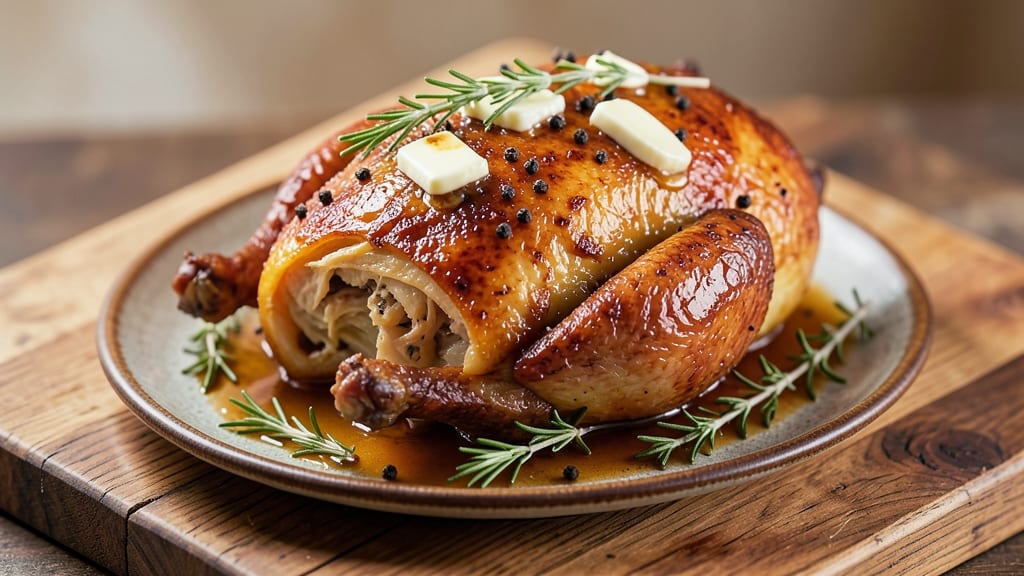
Mastering Ina Garten's perfect roast chicken means achieving that golden, crispy skin and juicy meat that feels like a five-star restaurant dinner. Growing up in small-town Georgia, I learned that a well-roasted chicken is the heart of any family meal—simple yet transformative when done right.
The secret lies in the technique: a dry-brine, high-heat start, and careful basting that keeps every bite tender.
What sets this recipe apart is Ina's signature method of using room-temperature chicken and a butter basting technique that locks in moisture while building that iconic crispy crust. No fancy equipment needed—just patience and attention to detail.
The result? A chicken so perfectly cooked that even skeptics will ask for seconds. This isn't just a recipe; it's a lesson in how small adjustments make all the difference.
By the time you pull that chicken from the oven, you'll have a centerpiece dish with shatteringly crisp skin and meat so tender it falls off the bone. The aroma alone will have everyone gathering around the table, and the first bite will prove why this method works every time.
Whether you're hosting a dinner party or simply craving a comforting Sunday meal, this is the roast chicken that delivers restaurant-quality results at home.
Pair it with simple sides like roasted vegetables or a fresh herb salad to let the chicken shine. The beauty of this recipe is its versatility—it works for holidays, weeknight dinners, or anytime you want to impress without stress. Let's get started on perfecting your roast chicken.
Ingredients for ina garten's perfect roast chicken
The foundation of Ina Garten's legendary roast chicken: a simple yet transformative lineup of ingredients.
| Ingredient | Amount | Notes |
|---|---|---|
| Whole Chicken 🍗 | 4 lb | Bone-in, skin-on, room temperature |
| Kosher Salt 🧂 | ½ cup | Diamond Crystal preferred for texture |
| Black Peppercorns 🌶️ | 1 tbsp | Freshly cracked, coarse grind |
| Unsalted Butter 🧈 | ½ cup | Cold, cubed, European-style preferred |
| Fresh Thyme Sprigs 🌿 | 4 whole | Stems removed, leaves only |
| Fresh Rosemary Sprigs 🌿 | 4 whole | Needles only, finely chopped |
| Garlic Cloves 🧄 | 4 cloves | Peeled, smashed lightly |
| Extra-Virgin Olive Oil 🫒 | 2 tbsp | High-quality, fruity variety |
| Fresh Lemon Juice 🍋 | 2 tbsp | Freshly squeezed |
| Fresh Parsley Sprigs 🌿 | ¼ cup | Chopped, for garnish |
| Fresh Sage Leaves 🌿 | ¼ cup | Chopped, for garnish |
The chicken is non-negotiable—look for a 4-pound bird with good marbling and vibrant color at your local butcher or Whole Foods. Ina swears by Cornish Cross for its even cooking, but a heritage breed works too if you're committed to the extra time. Room temperature is critical; take it out of the fridge 1 hour before roasting to ensure even cooking. For herbs, freshness matters—grab thyme and rosemary from the produce section, not the dried spice aisle. The European-style butter (like Plugrá) creates that signature crisp while keeping the meat impossibly tender.
No kosher salt? Diamond Crystal is ideal, but Morton coarse sea salt works in a pinch—just use 1.5 times the amount by volume. Short on fresh herbs? Dried thyme and rosemary at half the amount suffice, though the flavor won’t be as bright. The olive oil should be fruity and peppery—California avocado or Italian olive oil brands excel here. For lemon juice, freshly squeezed is non-negotiable; bottled juice lacks the brightness. Substituting butter? Ghee works but lacks the same crisp, while duck fat adds richness but alters texture.
Prep the chicken 1 day ahead for optimal results: dry-brine it overnight in the fridge for unmatched crispiness. Store the herbs in damp paper towels in a sealed container for up to 5 days. The butter mixture (herbs, garlic, lemon juice) can be prepped 2 days ahead and stored in the fridge. Leftovers? Reheat gently at 350°F for 15 minutes—the skin stays crisp, and the meat remains juicy. Portion the carcass for stock if you’re ambitious; it yields 2 cups of rich, flavorful liquid.
Why You'll Love This Recipe
- One-Pan Magic: I swear by this—just a whole chicken, salt, pepper, butter, and thyme on a sheet pan. No fancy gadgets, no stress, just hands-off roasting while you sip coffee or scroll through your phone.
- Golden-Crust Obsession: That crispy skin? It’s the butter and salt working their magic, while the thyme infuses the meat with earthy warmth. Honestly, the first time I sliced into it, I nearly dropped the knife.
- Weeknight to Dinner Party: Same recipe, different vibes. Weeknight dinner for two? Roast a small chicken. Feeding a crowd? Double it. The butter bastes effortlessly, so you’re never stuck with dry meat.
- Leftovers That Don’t Suck: Between us, most roast chicken leftovers are sad. Not this one. The crispy skin stays crispy, the meat stays juicy, and I’ve turned it into sandwiches, salads, and soup—no one complains.
Step-by-step instructions for Ina Garten's perfect roast chicken
Master the art of golden skin and juicy meat with this refined technique.
Prepare the Chicken for Maximum Flavor and Crisp
Remove the whole chicken from the refrigerator and let it sit at room temperature for 30 minutes before roasting. This ensures even cooking throughout. Pat the chicken completely dry inside and out with paper towels—removing all moisture is essential for crispy skin. I press firmly, especially around the cavity and under the wings where water tends to accumulate.
In a small bowl, combine the 0.5 cup kosher salt and 1 tablespoon freshly cracked black peppercorns. Rub this mixture generously over the entire chicken, including inside the cavity. The kosher salt should adhere to the skin rather than clump, creating an even seasoning base. Don't skip this step—proper salting is what makes the skin crisp and the meat juicy. Let the seasoned chicken rest uncovered on a wire rack for 1 hour in the refrigerator.
Create the Herb Butter and Prepare the Roasting Pan
While the chicken seasons, prepare the herb butter by combining the 0.5 cup cold unsalted butter with the 4 whole fresh thyme sprigs (stems removed), 4 whole fresh rosemary sprigs (needles finely chopped), 4 smashed garlic cloves, and 2 tablespoons extra-virgin olive oil in a small bowl. Mix well until the butter is evenly coated with the herbs and garlic. This aromatic butter will infuse the chicken with incredible flavor while promoting crispy skin.
Place the chicken on a roasting rack set inside a rimmed baking sheet. The rack elevates the bird, allowing hot air to circulate underneath for even browning. Preheat your oven to 425°F while you prepare the herb butter. Once the oven reaches temperature, remove the rack with chicken and spread the herb butter mixture evenly over the skin, pressing gently to ensure it adheres. This step guarantees that every bite will be infused with herbaceous flavor.
Roast to Golden Perfection with Precision Timing
Return the chicken to the preheated oven and roast for 1 hour to 1 hour 15 minutes, depending on the size of your bird. The key is to maintain the 425°F temperature without opening the oven door—resist the temptation to check early. The chicken is done when the internal temperature reaches 165°F at the thickest part of the thigh, measured with an instant-read thermometer. You'll know it's ready when the skin is deep golden brown and crispy, with juices running clear when pierced.
Here's the thing—your oven might run hot, so start checking at the 20-minute mark if your chicken is on the smaller side. If the skin begins to brown too quickly, tent the chicken loosely with aluminum foil to prevent over-browning while it continues to cook through. The herb butter will render and create a luscious pan sauce—don't discard this; it's packed with flavor for serving.
Rest and Garnish for Optimal Juiciness
Once the chicken reaches 165°F, remove it from the oven and transfer to a cutting board. Tent loosely with aluminum foil and let it rest for 15 minutes before carving. This resting period allows the juices to redistribute throughout the meat, ensuring every slice remains moist and flavorful. I know it's tempting to cut into it immediately, but patience here makes all the difference.
While the chicken rests, prepare the garnish by combining the 0.25 cup chopped fresh parsley sprigs and 0.25 cup chopped fresh sage leaves with the 2 tablespoons fresh lemon juice. Spoon this vibrant mixture over the chicken just before serving. The bright acidity of the lemon juice cuts through the richness of the butter, while the fresh herbs add a pop of color and freshness. Serve the chicken with the pan sauce spooned over the top for a complete presentation.
Pro Tips For Making Ina Garten'S Perfect Roast Chicken
- Start Skin-On, Side-Down: The first 30 minutes face-down on a rack—no crowding—lets fat render without steaming the meat. I learned this the hard way when my first batch came out soggy because I flipped too soon.
- Salt the Chicken Overnight: Toss the chicken with salt and pepper before you even think about cooking. The dry brine (12+ hours) keeps the meat juicy and the skin crispy—no last-minute guesswork. (Yes, I know, it’s extra planning, but it’s worth it.)
- Butter the Skin Twice: Slather that unsalted butter under the skin and on top after the first hour. The first coat bastes from inside; the second locks in flavor and color. Skip either, and you’re missing half the magic.
- Check Temp with Precision: Pull the chicken at 165°F in the thickest part of the thigh—not the breast. I used to overcook the breast waiting for the thigh, so now I use a meat thermometer and rest it covered for 10 minutes. The juices redistribute, and you won’t dry it out.
Best sauces and condiments for this recipe
Classic Pan Sauce
After roasting, the golden butter that pools in the pan transforms into a silky sauce that elevates every bite. Simply spoon the rendered butter and juices into a small saucepan over medium heat, add 2 tablespoons dry white wine or chicken stock, and reduce by half.
Finish with a splash of lemon juice and a pinch of salt. This sauce is the perfect vehicle for the herb-infused flavors. 🍋
Herb Butter Drizzle
For an extra touch of elegance, blend the remaining herb butter from the chicken with 1 tablespoon fresh parsley and 1 teaspoon lemon zest. Drizzle this fragrant mixture over slices before serving.
The bright herbs cut through the richness, adding a fresh contrast that keeps the dish vibrant. I often use this on my farm-raised chickens for a restaurant-worthy finish.
Tangy Mustard Glaze
For a bold twist, mix 2 tablespoons Dijon mustard with 1 tablespoon honey and 1 tablespoon apple cider vinegar. Brush this glaze over the chicken in the last 10 minutes of roasting.
The mustard adds depth, while the honey caramelizes for a glossy finish. This works especially well with heritage breeds that benefit from extra moisture.
Garlic-Herb Compote
Sauté 3 minced garlic cloves in 1 tablespoon olive oil until fragrant, then add ½ cup chicken stock and 1 sprig rosemary. Simmer until reduced to a thick consistency.
Stir in 1 tablespoon chopped parsley before serving. This compote adds a savory depth that pairs beautifully with the crispy skin. 🌿
Citrus-Honey Reduction
Simmer ¼ cup orange juice, 2 tablespoons honey, and 1 teaspoon grated orange zest until syrupy. Drizzle over sliced chicken just before serving. The citrus brightens the dish while the honey adds a subtle sweetness that balances the herbaceous notes.
This is my go-to for holiday dinners when I want to impress without complicating the meal.
Spicy Chili Crème
Blend ½ cup sour cream, 1 tablespoon hot sauce, and 1 teaspoon smoked paprika until smooth. Serve as a dip alongside sliced chicken. The cool cream balances the heat, making this a crowd-pleaser for those who love a kick.
I developed this variation after a particularly spicy weekend at the BBQ circuit—it’s become a staple at The Smoky Pig.
Nutrition facts
Frequently asked questions
Why does Ina Garten recommend letting the chicken sit at room temperature?
Room temperature ensures even cooking throughout the bird. A cold chicken takes longer to heat through, risking dryness in the center while the outside overcooks. The 30-minute rest before roasting allows the meat to relax and cook uniformly. This is especially important for achieving that signature crispy skin without compromising juiciness inside.
Can I use a different herb blend than thyme and rosemary?
While Ina's classic blend works beautifully, you can experiment. Try parsley and tarragon for a lighter profile or oregano and sage for a heartier flavor. Just ensure your herbs are fresh and finely chopped to infuse properly into the butter. The key is balancing earthy and bright notes to complement the chicken's natural taste.
What if my oven runs hot and the skin browns too quickly?
This happens often with high-heat roasting. If the skin starts browning too fast, tent the chicken loosely with aluminum foil to slow browning while it continues cooking. Check the internal temperature at the thickest part of the thigh—it's done at 165°F. The golden color will develop further as it rests. For extra insurance, reduce the oven temperature to 375°F once the skin is set.
How do I know when the chicken is fully cooked?
Use an instant-read thermometer to check the thickest part of the thigh—it should reach 165°F. The juices should run clear when pierced, and the skin should be deep golden brown. If you're unsure, cut into the thigh joint—the meat should separate easily from the bone. Never rely on color alone, as some ovens can create misleading appearances.
Can I make this recipe ahead of time?
Yes! Prep the chicken up to 24 hours ahead by dry-brining it in the fridge. Store the herb butter mixture separately and assemble just before roasting. For leftovers, slice the chicken and reheat at 350°F for 15 minutes to maintain crispiness. The skin stays perfect if you reheat it uncovered, and the meat remains juicy. This makes it ideal for meal prep or holiday gatherings.