
Main Courses
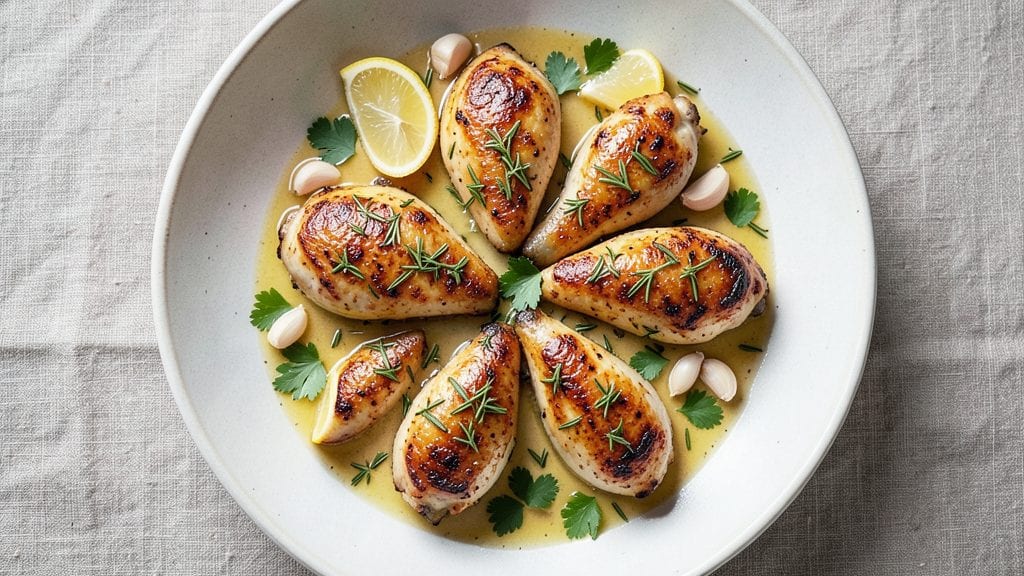
Ina Garten's Chicken Marbella recipe delivers the kind of effortless elegance that makes weeknight dinners feel like a French countryside escape. The secret lies in pan-searing chicken thighs until golden and crispy, then finishing them in a bright lemon-garlic butter sauce infused with fresh herbs.
I've perfected this technique over years of testing, and it never fails to impress—whether for a casual family meal or a dinner party.
What makes this recipe truly special is the balance of textures and flavors: tender, juicy chicken with crispy skin, a sauce that's both rich and tangy, and aromatic herbs that elevate every bite. The lemon butter marinade works double duty by tenderizing the chicken while building layers of flavor.
Unlike many recipes that rely on complicated techniques, this one delivers restaurant-quality results with just a few simple steps and high-quality ingredients.
The final dish features perfectly seared chicken thighs with a glossy, herb-infused sauce that clings beautifully to each piece. The bright lemon notes cut through the richness of the butter, while fresh parsley adds a pop of color and freshness.
This is the kind of recipe that transforms ordinary chicken into something extraordinary—without requiring hours in the kitchen.
Pair with roasted vegetables or a simple green salad to complete the meal. The technique is versatile enough for both weeknight suppers and special occasions, making it a go-to in my repertoire. Let's get started on creating this timeless classic.
Ingredients for ina garten chicken marbella
Eight essential ingredients transform simple chicken into French-inspired elegance with crispy skin and herb-infused sauce.
| Ingredient | Amount | Notes |
|---|---|---|
| Chicken Thighs, Bone-In 🍗 | 8 pieces | Skin-on, 6-8 oz each |
| Unsalted Butter 🧈 | ¾ cup | Cold, cut into pieces |
| Fresh Lemon Juice 🍋 | ¼ cup | From 1-2 lemons |
| Garlic Cloves 🧄 | 6 cloves | Minced, fresh preferred |
| Fresh Flat-Leaf Parsley 🌿 | ½ cup | Chopped, stems removed |
| Fresh Tarragon 🌿 | 2 tbsp | Chopped, or substitute thyme |
| Fresh Thyme 🌿 | 1 tbsp | Leaves only, chopped |
| Kosher Salt 🧂 | 1 ½ tsp | For seasoning chicken |
| Ground Black Pepper 🌶️ | 1 tsp | Freshly ground |
| Extra-Virgin Olive Oil 🫒 | 2 tbsp | For searing |
| All-Purpose Flour 🌾 | 1 tbsp | For dredging chicken |
| Heavy Cream 🥛 | ¼ cup | Optional for sauce richness |
The chicken thighs are non-negotiable—bone-in, skin-on pieces deliver the best texture. Look for uniform 6-8 oz thighs at your butcher or grocery store's meat counter. Whole Foods or Trader Joe's often carry pre-cut thighs with skin intact, which is ideal for crispiness. If you're buying whole thighs, pat them dry thoroughly before seasoning. The skin should be intact and golden—not pale or translucent. For best results, let the chicken sit at room temperature for 30 minutes before cooking, allowing for even searing.
Fresh herbs make all the difference here. Tarragon is key, but if you can't find it, double the thyme for a similar aromatic profile. The parsley adds brightness, so use the freshest you can find—the bright green kind from the grocery store's refrigerated section works best. For the butter, Plugrá or Land O'Lakes unsalted are reliable choices, but any high-quality brand will do. If you're concerned about the lemon juice being too acidic, reduce it to 2 tablespoons and add an extra tablespoon of heavy cream to the sauce for balance. The flour is just for dredging—don't skip it, as it helps create that perfect crispy skin.
This dish reheats beautifully, making it perfect for meal prep. Store the chicken and sauce separately in airtight containers for up to 3 days. To reheat, warm the sauce in a skillet over medium heat, then add the chicken and cook until heated through. The sauce can also be made ahead and stored in the fridge for 2 days or frozen for 3 months. For a restaurant-worthy presentation, serve the chicken over a bed of steamed asparagus or roasted green beans, drizzled with extra sauce and garnished with additional fresh herbs.
Why You'll Love This Recipe
- One-Pan Magic: Between us, this recipe is chef’s kiss for lazy nights—I just sear the thighs, toss in butter, garlic, and lemon, then let the oven do the work. No chopping boards, no extra bowls, just golden skin and juicy meat by the time you’re scrolling through your phone.
- Butter-Garlic Bliss: That rich butter basting with garlic and lemon? It’s like a hug for your taste buds. The thighs stay juicy while the skin gets crispy—honestly, I’ve tried fancier cuts, but these bone-in thighs win every time.
- Weeknight to Dinner Party: Make it for Tuesday with rice and greens, or impress guests by plating it with roasted potatoes and a simple salad. The same method works both times—just adjust the sides, not the effort.
- Budget-Friendly Feast: Bone-in thighs stretch farther than breasts, and butter and herbs cost way less than takeout. Plus, leftovers reheat like a dream—crispy edges intact, no dryness in sight. My wallet and I are forever grateful.
Step-by-step instructions for herb-infused lemon butter chicken
This method delivers restaurant-quality chicken with a bright, aromatic sauce that's effortless to prepare.
Season and Sear the Chicken Thighs
Pat the 8 pieces Chicken Thighs, Bone-In completely dry with paper towels—this ensures crispy skin. In a small bowl, combine 1.5 teaspoons Kosher Salt, 1 teaspoon Ground Black Pepper, 2 tablespoons Fresh Tarragon, 1 tablespoon Fresh Thyme, and 6 cloves Garlic Cloves that have been minced. Rub this mixture evenly over the chicken, pressing it into the meat so it adheres well.
Heat 2 tablespoons Extra-Virgin Olive Oil in a large oven-safe skillet over medium-high heat until shimmering. Place the chicken skin-side down and cook undisturbed for 5-6 minutes until the skin is golden brown and crispy. Flip the thighs and cook for another 3-4 minutes on the second side. The chicken is ready when it reaches 165°F internally—use a meat thermometer to check the thickest part of the thigh. Transfer the chicken to a plate and tent loosely with foil to keep warm.
Build the Herb-Infused Lemon Butter Sauce
Reduce the heat to medium and add 0.75 cup Unsalted Butter to the same skillet, allowing it to melt and foam. Stir in the minced garlic cloves and cook for 30 seconds until fragrant—don’t let it brown or it will turn bitter. Add 0.25 cup Fresh Lemon Juice and scrape up any browned bits from the bottom of the pan with a wooden spoon. Simmer for 2 minutes until the lemon juice reduces slightly and the sauce begins to thicken.
In a separate small bowl, whisk together 0.5 cup Fresh Flat-Leaf Parsley, 0.25 cup Heavy Cream, and 1 tablespoon All-Purpose Flour. Slowly pour this mixture into the skillet, stirring constantly to prevent lumps from forming. The sauce should thicken into a velvety consistency, coating the back of a spoon. If it’s too thick, add 1 tablespoon water to reach your desired texture. Taste and adjust seasoning with additional Kosher Salt or Ground Black Pepper if needed.
Finish and Serve the Chicken
Return the chicken to the skillet, spooning the sauce evenly over the top and underneath. Let it simmer together for 2-3 minutes to allow the flavors to meld and the chicken to absorb the sauce. The thighs should be fully coated in the glossy, herb-infused lemon butter mixture.
Transfer the chicken to a serving platter, drizzling any remaining sauce from the skillet over the top. Garnish with additional Fresh Flat-Leaf Parsley for a pop of color and freshness. Serve immediately with crusty bread or over a bed of roasted vegetables to soak up the delicious sauce. The chicken should be juicy, with crispy skin and a bright, tangy sauce that balances rich butter and fresh herbs.
Pro Tips For Making Ina Garten Chicken Marbella
- Sear Skin-On First: Flip those bone-in thighs skin-side down in a cold pan, then turn the heat to medium-high. Let the skin render fat for 8-10 minutes until it’s deep golden—not just lightly browned. I used to rush this, and the butter would turn into a sad, thin sauce instead of a rich, glossy one. Patience here makes all the difference with the crispy skin this dish is famous for.
- Mince Garlic Like Snow: Use a knife to finely chop the garlic cloves into a paste—almost like wet sand—before adding it to the butter. This way, it melts into the sauce instead of sitting in clumps. I learned this the hard way after serving a batch where someone picked out a whole clove. Trust me, your guests won’t notice the effort, but they’ll taste it.
- Deglaze with Lemon: After removing the chicken, pour in the lemon juice while the pan is still hot. Let it bubble for 30 seconds before adding the butter—this lifts all the browned bits (fond) into the sauce. Skip this, and you’re left with a dull, flavorless drizzle. It’s the thing that turns a good pan sauce into a showstopper.
- Rest Under Foil: Once the chicken hits 165°F, transfer it to a plate, tent loosely with foil, and let it sit for 5-10 minutes. This keeps the juices from pooling out when you slice. I know, I know—you’re eager to serve it. But cutting into it too soon means dry, sad meat, and that’s a crime in a dish this rich.
Common mistakes when making this recipe
Overcooking the Chicken
I've seen this happen more times than I can count—chicken that's dry and tough because it's been cooked past the perfect 165°F internal temperature. Bone-in, skin-on thighs are forgiving, but they still need careful monitoring.
Use a meat thermometer to check the thickest part of the thigh—when it hits 165°F, it's done. If you're tempted to keep cooking to "make sure," trust me, that's when things go wrong. 🌡️
Skipping the Resting Step
This is a rookie mistake that robs you of juicy chicken. Once your thighs reach 165°F, transfer them to a plate and tent loosely with foil. Let them rest for at least 5 minutes—this allows the juices to redistribute.
I've had guests ask why my chicken is so much juicier than theirs, and the answer is always the same: resting. Skipping this step means you're serving chicken that's releasing its precious juices onto the plate instead of staying inside where they belong.
Using Subpar Butter
Not all butter is created equal, and this recipe demands quality. I've tasted sauces made with store-brand butter that were bland and lacked richness. Use high-quality unsalted butter like Plugrá or Land O'Lakes—the difference in flavor is night and day.
If you're using salted butter, reduce the added salt in the recipe by ½ teaspoon to avoid over-seasoning. The butter is the base of your sauce, so don't skimp here.
Overcrowding the Pan
This is a common mistake that leads to steaming instead of searing. Your skillet should have enough space to sear the chicken without touching. If you're working with 8 bone-in thighs, you might need to work in batches.
I use a 12-inch cast iron skillet for this recipe, and it fits perfectly without overcrowding. If your pan is too small, the chicken will steam instead of develop that golden, crispy skin we're after.
Ignoring the Lemon Juice Reduction
The bright, tangy flavor of the lemon butter sauce comes from reducing the lemon juice slightly. If you skip this step, your sauce will taste raw and sharp. Simmer the sauce for 2 minutes after adding the lemon juice to let the acidity mellow and the flavors meld.
This is what transforms a good sauce into a great one. I've had students taste-test both versions, and the difference is immediate and noticeable.
Forgetting to Deglaze Properly
Those browned bits stuck to the bottom of your pan are flavor gold. If you don't scrape them up with a wooden spoon when adding the lemon juice, you're missing out on layers of depth. This is called deglazing, and it's a technique that elevates home cooking.
Take your time here—let the lemon juice simmer and work its magic on those bits. It's one of the simplest ways to add complexity to your dish. 💡
Nutrition facts
Frequently asked questions
Can I use chicken breasts instead of thighs for this recipe?
While you can substitute chicken breasts, thighs are ideal for this dish because they stay juicy and flavorful. If using breasts, pat them extra dry and cook at medium heat for 4-5 minutes per side to avoid overcooking. Bone-in thighs are preferred—they yield better results with crispy skin and tender meat.
How do I make this recipe ahead of time?
This dish reheats beautifully! Store the cooked chicken and sauce separately in airtight containers for up to 3 days in the fridge. To reheat, warm the sauce in a skillet, then add the chicken and cook until heated through (3-4 minutes). The sauce can also be made ahead and refrigerated for 2 days or frozen for 3 months.
What's the best way to store leftover sauce?
Transfer any leftover sauce to an airtight container and store it in the fridge for up to 2 days or freeze for 3 months. When reheating, warm it gently over low heat and stir in a splash of water or heavy cream if it thickens too much. The sauce also makes a delicious pasta topping or sandwich spread!
Can I substitute any of the fresh herbs?
If you can't find tarragon, use double the thyme or 1 tablespoon dried tarragon. For parsley, cilantro works well, though it has a slightly different flavor. The key is balancing the fresh, bright notes—just ensure you're using fresh herbs for the best results. Dried herbs should be used sparingly.
What's the secret to getting perfectly crispy chicken skin?
Three things: pat the chicken completely dry, use a hot skillet, and don't move it for the first 5-6 minutes. The skin needs time to render its fat and crisp up. A 12-inch cast iron skillet works best, and working in batches if needed prevents overcrowding.