
Sauces & Condiments
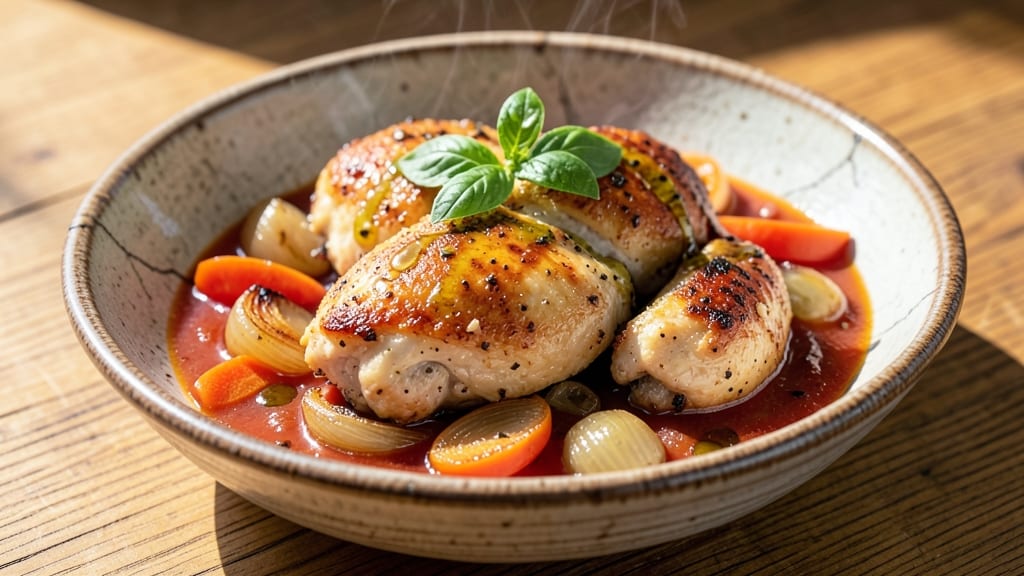
Grandma's chicken cacciatore recipe with tomato sauce transforms simple ingredients into a hearty, slow-simmered masterpiece that tastes like home. The key lies in patient cooking—browning the chicken, layering aromatics, and letting the tomato sauce develop deep, rich flavors over time.
I remember the first time I recreated this from my grandmother's cryptic notes, and how it became my go-to weeknight dinner.
This traditional dish delivers restaurant-quality results with just one pot and minimal prep. The chicken becomes tender and flavorful, while the tomato sauce thickens into a velvety, aromatic base. The secret is simmering everything together, allowing the flavors to meld and intensify. No fancy techniques—just time and attention to detail.
By the time you're done, you'll have a rich, deeply satisfying meal with golden-brown chicken swimming in a sauce that's both tangy and sweet. The aroma alone will have everyone gathering at the table.
This is comfort food at its finest—perfect for feeding a family or treating yourself after a long week.
Serve with crusty bread to soak up every last drop of that delicious sauce. The beauty of this recipe is its versatility—it tastes just as good reheated the next day. Let's get cooking and recreate this classic dish that's been passed down through generations.
Ingredients for grandma's chicken cacciatore recipe with tomato sauce
Fifteen simple ingredients transform into a deeply flavorful chicken cacciatore that tastes like home.
| Ingredient | Amount | Notes |
|---|---|---|
| Chicken Thighs, Bone-In 🍗 | 1 ½ lb | Skin-on for crispiness, cut into even pieces |
| Extra-Virgin Olive Oil 🫒 | ½ cup | High quality, fruity variety for richness |
| Yellow Onion 🧅 | 1 whole | Medium size, sliced into half moons |
| Garlic Cloves 🧄 | 6 cloves | Fresh, minced for aromatic depth |
| Carrots 🥕 | 2 medium | Peeled, cut into thick matchsticks |
| Canned San Marzano Tomatoes 🍅 | 28 oz | Crushed by hand, seeds removed |
| Dry Red Wine 🍷 | ½ cup | Bold variety like Chianti or Cabernet |
| Chicken Broth 💧 | 1 cup | Low-sodium preferred for balance |
| Fresh Rosemary 🌿 | ¼ cup | Chopped, stems removed for freshness |
| Fresh Thyme 🌿 | ¼ cup | Leaves only, stems discarded |
| Tomato Paste 🍅 | 2 tbsp | Squeeze tube preferred for convenience |
| Diamond Crystal Kosher Salt 🧂 | 1 ½ tsp | Adjust to taste, don't skip |
| Freshly Ground Black Pepper 🌶️ | ½ tsp | Freshly cracked for best flavor |
| Red Pepper Flakes 🌶️ | ¼ tsp | Optional, for subtle heat |
| Fresh Parsley 🌿 | ¼ cup | Chopped, for garnish and brightness |
The chicken thighs are non-negotiable here—bone-in, skin-on gives you that crispy skin and rich flavor. Trader Joe's or Whole Foods carry excellent cuts, but any butcher will work. Look for thighs with good marbling—they'll stay juicier during the long simmer. The San Marzano tomatoes are worth hunting down at Italian markets or specialty stores, but any high-quality canned tomatoes will do in a pinch. If you're using frozen, thaw them first and drain well to avoid watery sauce. Fresh herbs make all the difference, so grab a bunch of rosemary and thyme—Costco's bulk section is perfect for this.
No red wine? Substitute with extra chicken broth plus a splash of balsamic vinegar—it mimics the acidity beautifully. The tomato paste can be skipped if you're using extra tomatoes, but trust me on keeping it—it deepens the flavor. If you're short on carrots, swap for zucchini or bell peppers (about the same quantity). The herbs can be dried at one-third the amount, but fresh is ideal. For the wine, Chianti or Cabernet work best—avoid sweet varieties. The red pepper flakes are optional, but I always add them for a subtle kick. If you're making this ahead, the flavors actually improve overnight—reheat gently to preserve the sauce's integrity.
This dish tastes even better the next day, so make extra. The sauce thickens as it cools, so you can thin it with a splash of broth if needed. Store in the fridge for up to 5 days, or freeze portions for 3 months. I like to portion it into individual containers so I can grab a serving straight from the fridge. The chicken reheats beautifully—just warm through with a splash of broth or water. The crusty bread you serve with it? Store at room temperature for up to 3 days, or freeze for longer storage. Leftovers keep well, but the sauce is best used within a week.
Why You'll Love This Recipe
- One-Pan Magic: I swear by this—just toss everything in one skillet and walk away. The carrots soften into the sauce while the onions caramelize, and those bone-in thighs? They practically cook themselves, leaving me free to stir occasionally and pretend I’m a fancy chef.
- Garlic Kiss: Between us, that moment when the garlic cloves hit the olive oil is everything. Sizzling until golden, then melting into the tomato sauce—it’s where the real flavor happens. The acidity of the tomatoes balances the richness, and the herbs? They make it taste like home, even if my kitchen smells like a Tuscan market.
- Leftovers That Win: Honestly, I make this twice as much as needed because the second night is even better. The sauce thickens, the chicken gets more tender, and reheating it? Just a splash of water and a few minutes under the broiler. My kids beg for it the next day, and I don’t even have to try.
- Budget-Friendly Feast: Bone-in thighs stretch farther than breasts, and carrots plus onion round out the meal without breaking the bank. A jar of good tomatoes and a handful of herbs turn this into a weeknight staple that still feels special—no fancy ingredients, just pure, satisfying flavor.
Step-by-step instructions for grandma's chicken cacciatore
Here's how to build this rustic Italian classic—layered flavors and tender chicken in one pot.
Sear the Chicken for Deep Flavor
Heat the 0.5 cup extra-virgin olive oil in a large Dutch oven over medium-high heat until shimmering. Pat the 1.5 lb chicken thighs, bone-in dry with paper towels and season generously with 1.5 tsp diamond crystal kosher salt and 0.5 tsp freshly ground black pepper. Working in batches to avoid crowding, add the chicken thighs skin-side down and sear for 5-6 minutes until golden brown and crispy.
Here's the thing—don't move the chicken around while searing. Let it develop that beautiful crust undisturbed. Once golden on one side, flip carefully and sear the other side for another 4-5 minutes. Remove the chicken and set it aside on a plate, leaving all that rendered fat in the pot. That golden crust is your flavor foundation, and the fat carries all the aromatic goodness we're about to build.
Build the Aromatic Base
In the same Dutch oven, reduce heat to medium and add the 1 whole yellow onion, sliced into half moons. Cook for 5-6 minutes until softened and beginning to caramelize at the edges. Add the 6 cloves garlic cloves, minced, and the 2 medium carrots, cut into thick matchsticks, cooking for another 3-4 minutes until the garlic is fragrant and the carrots begin to soften.
Stir in the 2 tbsp tomato paste and cook for 1 minute until it darkens slightly. This step is crucial—it deepens the tomato flavor and prevents the sauce from being too acidic later. Sprinkle in the 0.25 cup fresh rosemary and 0.25 cup fresh thyme, then pour in the 0.5 cup dry red wine. Let it simmer for 3-4 minutes until the wine reduces by half and the liquid is nearly evaporated.
Simmer the Tomato Sauce
Add the 28 oz canned San Marzano tomatoes, crushed by hand and seeds removed, along with the 1 cup chicken broth. Stir well to combine, then bring the mixture to a gentle simmer. Return the chicken thighs to the pot, skin-side up, and partially cover with a lid. Let it cook for 30 minutes on low heat, allowing the chicken to poach gently in the developing sauce.
After 30 minutes, check the sauce consistency. If it's too thick, add 2-3 tablespoons of water to loosen it slightly. Sprinkle in the 0.25 tsp red pepper flakes and adjust seasoning with additional diamond crystal kosher salt if needed. The sauce should be rich but not overly thick—it will continue to reduce as it simmers. This is where patience pays off; let the flavors meld and develop their depth.
Finish with Herbs and Rest
Increase heat to medium-low and let the cacciatore simmer uncovered for another 25-30 minutes. The chicken is done when it reaches an internal temperature of 165°F and the sauce has thickened into a velvety consistency. Stir in the 0.25 cup fresh parsley just before serving—this adds a bright, fresh finish that cuts through the richness.
Remove from heat and let the dish rest for 10 minutes before serving. This resting period allows the juices to redistribute throughout the chicken, ensuring every bite is moist and flavorful. Serve the cacciatore hot, straight from the pot, with crusty bread to soak up every last drop of that luscious tomato sauce.
Pro Tips For Making Grandma'S Chicken Cacciatore Recipe With Tomato Sauce
- Sear the Chicken Hard: Don’t just brown the thighs—get them deep golden, almost caramelized, with a few minutes of direct heat. I used to rush this and ended up with pale chicken that soaked up sauce instead of standing up to it. Use a heavy pan and leave them alone until they release easily with a spatula.
- Chop Carrots Small: Tiny dice, not thick slices—think 1/4-inch cubes or smaller. They’ll soften into the sauce without turning mushy, adding natural sweetness and texture. My first time I cut them like fries, and they just sat there like rubbery afterthoughts.
- Deglaze with Wine First: Pour in the white wine (or dry red) before adding tomatoes—let it bubble for 30 seconds to lift all those browned bits. I skipped this once and got a dull, thin sauce. The wine’s acidity also brightens the flavors early, so the tomatoes shine later.
- Salt the Onions Mid-Cook: Sprinkle a pinch of salt over the onions once they’ve softened but before they brown. It draws out moisture, making them sweeter and preventing a bitter edge. Sounds weird, but it works—my grandma did it, and I finally believed her after testing it myself.
Make-ahead tips for this dish
Prep Ahead Strategy
This dish actually tastes better when made ahead, so I always prep components the night before. Start by browning and seasoning the 1.5 lb chicken thighs—pat them dry and refrigerate uncovered on a plate for 1 hour to dry-brine.
Store them in an airtight container in the fridge. The onion, garlic, and carrots can be chopped and stored in a separate container. This saves 20 minutes of prep time the next day. 💡
Sauce Development
The real flavor magic happens during simmering, so I recommend making the sauce base ahead. Sauté the aromatics and deglaze with wine, then refrigerate the mixture in an airtight container overnight. The flavors meld beautifully, and you'll wake up to a pot already halfway to perfection.
Just add the chicken and tomatoes when you're ready to cook—simmer for 1 hour instead of 2 hours total. The sauce will be even more concentrated and complex. ❄️
Freezer-Friendly
This cacciatore freezes exceptionally well, making it perfect for meal prep. After fully cooking, let it cool completely, then portion into quart-sized freezer bags or airtight containers. Label with the date and freeze for up to 3 months.
When ready to eat, thaw overnight in the fridge and reheat gently on the stovetop with 2 tablespoons of water or broth to restore moisture. The texture remains rich and the flavors intact—just like Grandma's. ❄️
Weeknight Hack
For busy evenings, I use my Instant Pot to speed up the process. Sear the chicken in a regular pan first, then transfer everything to the Instant Pot. Cook on high pressure for 15 minutes, then natural release.
The chicken will be tender and the sauce rich, though it'll have a slightly different texture than the stovetop version. This cuts total cooking time to 45 minutes instead of 2 hours. 🍲
Reheating Like a Pro
Never reheat cacciatore in the microwave—it ruins the sauce's texture. Instead, transfer portions to a skillet and warm over low heat for 5-7 minutes, stirring occasionally and adding 1-2 tablespoons of water or broth to prevent drying.
For extra richness, cover the skillet for the first 3 minutes to trap steam. The result? A sauce that's just as velvety as when it was first made. 🔥
Make-Ahead Serving
Plan to serve this dish straight from the fridge for a crowd—it's perfect for potlucks or family gatherings. The contrast between warm chicken and cool sauce creates a satisfying experience. To serve, simply reheat the entire pot in a 350°F oven for 20-25 minutes, stirring once halfway through.
The aromas will fill your kitchen and have everyone eager to eat. This is the ultimate make-ahead comfort food. 💛
Nutrition facts
Frequently asked questions
Can I use chicken breasts instead of thighs?
Chicken breasts will work, but thighs are ideal for this dish. They stay juicier during the long simmer and develop that rich, crispy skin. If using breasts, cut them into 1-inch pieces and reduce simmering time to 20 minutes after adding them to the sauce to prevent drying.
What if I don't have red wine?
No problem! Substitute with ½ cup chicken broth plus 1 tablespoon balsamic vinegar for acidity. For extra depth, add ½ teaspoon dried oregano or 1 crushed bay leaf. The flavor won't be identical, but it'll still be delicious. The key is balancing acidity and richness.
How do I know when the chicken is fully cooked?
Use a meat thermometer to check for 165°F in the thickest part of the thigh. If you don't have one, cut into the thickest piece—the juices should run clear, and the meat should pull away from the bone easily. Never rely on color alone, as chicken can appear cooked even when underdone.
Can I make this in a slow cooker?
Brown the chicken in a skillet first, then transfer everything to the slow cooker. Cook on low for 4-5 hours or high for 2-3 hours. The chicken will be tender, and the sauce will develop beautifully. Just add 1 tablespoon cornstarch mixed with water at the end if you want a thicker sauce.
What's the best way to serve this dish?
Serve hot with crusty Italian bread or freshly cooked pasta (like spaghetti or orzo) to soak up the sauce. Garnish with extra fresh parsley and a sprinkle of grated Parmesan cheese for brightness. For a complete meal, add a simple green salad with lemon vinaigrette.