
Sauces & Condiments
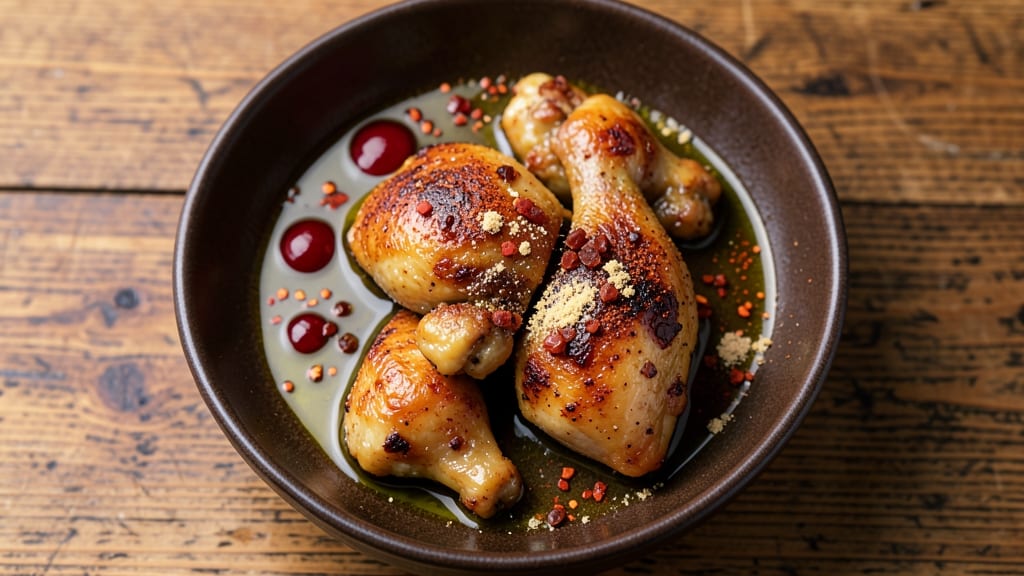
This fireman's chicken marinade recipe delivers that signature smoky, spicy kick that transforms ordinary grilled chicken into a crowd-pleasing centerpiece. The blend of cayenne, paprika, and brown sugar creates a perfect balance of heat and sweetness that caramelizes beautifully on the grill.
I've perfected this marinade over years of testing—it's the secret behind restaurant-quality results at home.
The marinade works its magic through a simple yet effective process: combining oil, vinegar, and spices into a liquid that tenderizes the meat while infusing bold flavor. Let it work for at least 4 hours (overnight is even better) to ensure maximum penetration.
This isn't just another marinade—it's a flavor multiplier that elevates every bite with its complex, smoky-spicy profile.
What you'll achieve is chicken with a deep, charred crust and juicy interior, where every bite carries that signature fireman's heat. The marinade's balance of sweet and spicy creates a caramelized bark on the outside while keeping the meat tender inside.
This is the kind of marinade that turns simple grilled chicken into an unforgettable experience.
Use it for grilled chicken, fried chicken, or even as a dipping sauce—its versatility makes it a kitchen essential. Store any leftovers in the refrigerator for up to 1 week, ready to transform your next chicken dish.
Let's get started on this flavor-packed marinade that will become your new go-to recipe.
Ingredients for fireman's chicken marinade
Nine simple ingredients. One unforgettable marinade. Perfect for grilled chicken cravings.
| Ingredient | Amount | Notes |
|---|---|---|
| Extra-Virgin Olive Oil 🫒 | ½ cup | High-quality, fruity variety |
| Apple Cider Vinegar 🍏 | ¼ cup | For tangy depth |
| Cayenne Pepper 🔥 | 2 tbsp | Adjust for heat preference |
| Smoked Paprika 🌶️ | 1 ½ tbsp | Key for smoky flavor |
| Brown Sugar 🍯 | ¼ cup | Light or dark preferred |
| Garlic Powder 🧄 | 1 ½ tsp | Freshly ground preferred |
| Onion Powder 🧅 | 1 tsp | For savory base |
| Ground Black Pepper 🌶️ | 1 tsp | Freshly cracked |
| Diamond Crystal Kosher Salt 🧂 | 1 ½ tsp | Fine grain preferred |
| Ground Cumin 🌿 | ½ tsp | Earthy depth |
The olive oil and apple cider vinegar are your base—Trader Joe's or Whole Foods carry the best extra-virgin olive oil for that fruity punch. Skip the cheap stuff here. For the cayenne, Penzeys has the best selection, but any hot pepper powder works. The smoked paprika is non-negotiable—McCormick or Simply Organic are solid. Brown sugar adds caramelization, so grab Domino or Wholesome Sweeteners for consistent results. Freshly ground spices make all the difference—toast your cumin seeds before grinding if you've got whole ones.
No smoked paprika? Chipotle powder or extra cayenne works in a pinch. Sub honey for brown sugar if you're avoiding refined sugar, but reduce by half. The garlic powder can be swapped for 1/4 cup minced fresh garlic if you're feeling fancy. For a deeper vinegar taste, balsamic adds complexity. If you're sensitive to spice, cut the cayenne to 1 tbsp and add an extra 0.5 tsp of brown sugar to balance. This marinade is forgiving—adjust to your heat tolerance.
Store any leftover marinade in a sealed jar in the fridge for up to 1 week. It actually tastes better the next day as flavors meld. For maximum shelf life, freeze in ice cube trays—perfect for small batches. The spices stay potent for 6 months in a dark cabinet, but if they smell stale, toss them. Double the batch and freeze half—you'll thank yourself later when you're craving that smoky-spicy kick.
Why You'll Love This Recipe
- I’ll be real: the combo of brown sugar and cayenne in this marinade is chef’s kiss—caramelized edges with a slow-building kick that sticks to your ribs. That apple cider vinegar cuts through the richness, so it’s never cloying, just ridiculously balanced.
- Sweet Heat Magic: I’ll be real: the combo of brown sugar and cayenne in this marinade is chef’s kiss—caramelized edges with a slow-building kick that sticks to your ribs. That apple cider vinegar cuts through the richness, so it’s never cloying, just ridiculously balanced.
- One-Bowl Wonder: Honestly? You can mix this while your chicken thaws or even toss it together in the pan after cooking. Five ingredients, zero fuss—just stir, slather, and let the smoky paprika do its thing. (Yes, even on a Tuesday night.)
- Tailgate or Taco Night: This marinade works everywhere: grill it for summer BBQs, shred it for tacos, or toss it with roasted veggies for a weeknight dinner. The olive oil keeps it juicy whether it’s seared or slow-cooked, and the vinegar adds that tangy punch that makes it feel special.
Step-by-step instructions for fireman's chicken marinade
Here's how to blend this bold marinade for maximum flavor penetration.
Whisk Together the Wet Ingredients
In a medium bowl, combine the 0.5 cup extra-virgin olive oil and 0.25 cup apple cider vinegar. I like to use a whisk for this step—it creates a smooth emulsion that helps the marinade cling to the chicken. The vinegar will initially separate, but keep whisking until it fully integrates with the oil. This creates the base that carries all the spices and sugars.
The reason we start with these two ingredients is that the acidity from the vinegar helps tenderize the chicken while the oil provides moisture and fat-soluble flavor delivery. You'll notice the mixture will look slightly cloudy at first, but continue whisking until it becomes uniformly pale yellow. This ensures even distribution of all subsequent ingredients.
Add the Dry Seasonings Gradually
With the whisk still in the bowl, sprinkle in the 2 tablespoons cayenne pepper, 1.5 tablespoons smoked paprika, 0.25 cup brown sugar, 1.5 teaspoons garlic powder, 1 teaspoon onion powder, 1 teaspoon ground black pepper, 1.5 teaspoons diamond crystal kosher salt, and 0.5 teaspoon ground cumin. Here's the thing—don't just dump them all in at once. Instead, add them in small batches while whisking continuously.
This gradual approach prevents clumping of the spices, especially the cayenne and smoked paprika which can get gummy if not properly incorporated. The brown sugar will dissolve slowly as you whisk, creating a slightly syrupy consistency that helps the marinade cling better to the chicken. You'll know it's properly mixed when you can't see any distinct spice particles at the bottom of the bowl.
Test and Adjust the Heat Level
Taste a small amount of the marinade directly from the bowl—yes, you should taste it now. The heat from the cayenne should be noticeable but not overwhelming. If it's too spicy for your preference, add a pinch more of the brown sugar or a splash of apple cider vinegar to balance it. The sugar helps mellow the heat while adding caramelization potential when grilled.
This is also when you want to check the overall flavor profile. The marinade should have a perfect balance of smoky (paprika), sweet (brown sugar), tangy (vinegar), and earthy (cumin) notes. If it tastes flat, add a tiny pinch more of the diamond crystal kosher salt—it enhances all the other flavors without adding its own taste. Once satisfied with the balance, give it one final whisk to ensure everything is evenly distributed.
Marinate the Chicken Properly
Place your chicken pieces—whether thighs, breasts, or drumsticks—in a resealable plastic bag or shallow dish. Pour the marinade over the chicken, making sure each piece is thoroughly coated. Here's the crucial part: seal the bag or cover the dish and refrigerate for at least 4 hours, but ideally overnight. The longer it marinates, the deeper the flavor penetration.
I know it's tempting to grill immediately, but this marinade needs time to work its magic. The acid in the vinegar breaks down muscle fibers, while the sugars and spices infuse the meat. Flip the chicken occasionally during the marinating process to ensure even coating. If you're using bone-in pieces, you might want to marinate them for 6-8 hours to get maximum flavor penetration through the bone.
Pro Tips For Making Fireman'S Chicken Marinade
- STIR THE MARINADE WELL: Don’t just dump everything in and call it a day—give that mix a good 30-second stir with a whisk or fork. The smoked paprika and cayenne clump like stubborn guests at a party if you’re lazy, and you’ll end up with uneven heat and color. I learned this the hard way when my first batch tasted like a one-spot sizzle instead of a full-on flavor bomb.
- USE RAW APPLE CIDER VINEGAR: Skip the cooked-down or aged stuff—raw, unfiltered apple cider vinegar is the real MVP here. It’s tangier, more complex, and won’t turn your marinade into a syrupy mess when you cook. (Yes, even if the bottle says “seasoned.”) Trust me, your chicken will thank you with better depth than the cheap stuff.
- DON’T SKIP THE 10-MINUTE REST: After coating the chicken, let it sit uncovered in the fridge for at least 10 minutes. This lets the vinegar and cayenne mellow out a little—no more shocking heat when you bite in. I was skeptical until I tried it: the flavors meld instead of fighting each other.
- SWAP BROWN SUGAR FOR HONEY (IF NEEDED): If you’re in a hurry or hate measuring, swap the brown sugar for the same amount of honey—it caramelizes faster and adds a smoother sweetness. Just don’t overdo it; honey can make the marinade too sticky when grilling. (I know, I know—it’s not traditional, but it works.)
Wine and beer pairings for fireman's chicken marinade
Red Wine Pairings
For this bold, smoky-spicy marinade, I reach for a Zinfandel from California—its jammy fruit and peppery notes complement the cayenne and smoked paprika beautifully. A 2018 Dry Creek Vineyard Zinfandel (around $25) has just the right balance of heat and sweetness to stand up to the marinade's intensity.
The wine's natural acidity also cuts through the richness of grilled chicken, cleansing your palate between bites. 🍷
If you prefer something lighter, a Rhône-style Syrah from Washington State works wonders. Look for Chateau Ste. Michelle—their 2019 Syrah offers dark berry flavors and a touch of spice that mirrors the marinade's profile. Both wines should be served slightly chilled (60-65°F) to enhance their aromatic qualities.
Beer Complements
A Mexican lager like Modelo Especial is my go-to beer pairing—its crisp, clean finish and subtle citrus notes balance the marinade's heat without overpowering it. The carbonation also helps refresh your palate between bites of smoky-spicy chicken. For a local option, Corona Extra works just as well. 🍺
For craft beer lovers, a Belgian witbier adds an interesting contrast. Try Hoegaarden or Stella Artois—their coriander and orange peel notes create a refreshing interplay with the smoky-spicy marinade. Serve these beers well-chilled (40-45°F) to highlight their crispness against the rich, charred flavors of the chicken.
Non-Alcoholic Options
Don't overlook non-alcoholic pairings! A sparkling hibiscus iced tea (made with hibiscus tea bags and sparkling water) provides a tart, floral contrast that complements the smoky-spicy profile. Add a slice of lime for brightness.
For something more substantial, try a ginger beer—its spicy kick echoes the cayenne in the marinade while keeping things refreshing. 🌿
Another great option is a smoky black tea like Lapsang Souchong, served over ice with a splash of lemon. The tea's natural smokiness enhances the marinade's flavors without competing with them. For a fruity alternative, a mango-lime soda (like Jarritos) adds sweetness that balances the heat beautifully.
Nutrition facts
Frequently asked questions
Can I use this marinade on other meats besides chicken?
This marinade works beautifully on pork chops, shrimp, or even tofu for a smoky-spicy kick. The acidity helps tenderize tougher cuts like pork shoulder, while the spices add depth to seafood. Just reduce marinating time for delicate proteins like shrimp to 30-60 minutes to avoid over-tenderizing.
How do I adjust the heat level for sensitive eaters?
For milder heat, reduce the cayenne pepper to 1 tablespoon and add an extra 0.5 teaspoon of brown sugar to balance. You can also replace 0.5 teaspoon of cayenne with 1 teaspoon of sweet paprika for a smoky flavor without the heat. Always taste and adjust gradually!
Can I grill the chicken directly in the marinade?
I don't recommend it—grilling in the marinade can cause flare-ups from the sugars and create an uneven cook. Instead, brush on 2-3 tablespoons of leftover marinade during grilling for that signature flavor. Reserve 1/4 cup of marinade to use as a dipping sauce after cooking!
What's the best way to store leftover marinade?
Store in an airtight container in the fridge for up to 1 week or freeze in ice cube trays for 3 months. The flavors actually improve as they meld! For maximum freshness, freeze in 1-tablespoon portions—perfect for quick flavor boosts on future grilled dishes.
Why does my chicken turn out dry when using this marinade?
Over-marinating (beyond 8 hours) or using bone-in pieces can draw out too much moisture. For breasts, marinate 4-6 hours max and pat dry before cooking. Use a meat thermometer—chicken is safe at 165°F internal temp. For extra juiciness, brine the chicken for 30 minutes before marinating.