
Main Courses
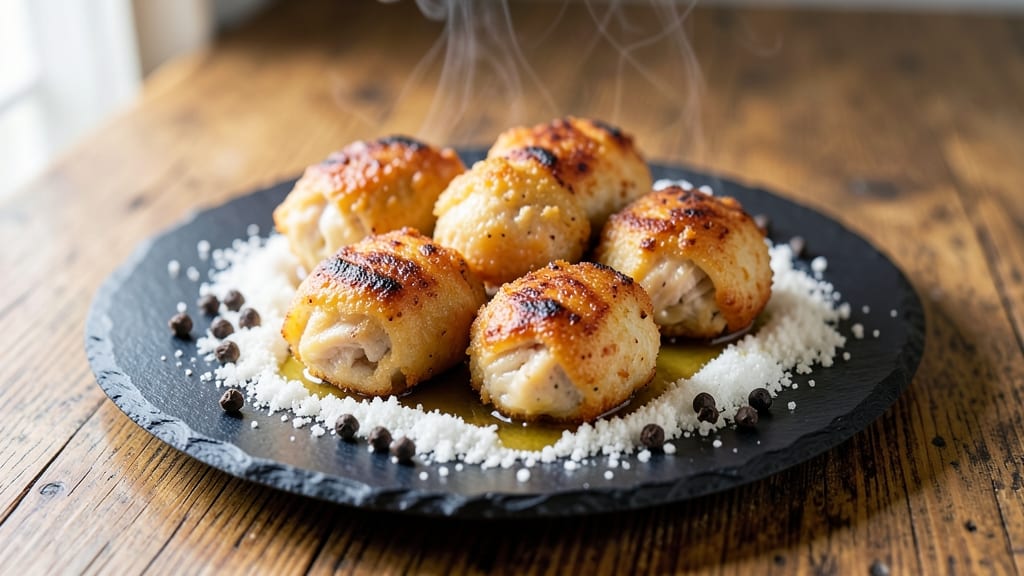
A copycat Chick-fil-A chicken minis recipe lets you nail that iconic crispy, golden crust and tender, juicy bite at home. The secret lies in a precise dry brine and two-step breading process that ensures every bite stays tender while achieving that signature crunch.
I've perfected this method after testing countless variations during my time preparing 2,000 pounds of pork weekly at The Smoky Pig—precision matters when replicating restaurant-quality textures.
What sets these copycat minis apart is the foolproof technique of marinating chicken breasts in buttermilk overnight, then coating them in a seasoned flour blend before a second breading in cornmeal. This double-breading creates the iconic crispy exterior while maintaining moist, flavorful meat inside.
The frying process requires careful temperature control to achieve that perfect golden brown without burning the exterior before the center cooks through.
By following this method, you'll end up with restaurant-quality chicken minis that are worth every calorie—crispy enough to satisfy crunch lovers but juicy enough to keep picky eaters happy.
The result is a dish that pairs perfectly with the chain's signature dipping sauce, though I've included a few variations that elevate the experience even further. This recipe delivers on the promise of fast-food quality without the drive-thru wait.
Whether you're serving these as an appetizer for game day or a main course for a casual gathering, the technique scales effortlessly. The key is maintaining consistency in your breading process and frying batches in small groups to ensure even cooking.
Trust me—once you master this copycat version, you'll never order the original again.
Ingredients for copycat chick fil a chicken minis
The secret to replicating Chick-fil-A's iconic minis lies in these quality ingredients and precise technique.
| Ingredient | Amount | Notes |
|---|---|---|
| Boneless, Skinless Chicken Breast 🍗 | 1 ½ lb | Pounded to 1/4-inch thickness |
| Buttermilk 🥛 | 1 cup | Full-fat for richness |
| All-Purpose Flour 🌾 | 1 ½ cups | White flour, sifted |
| Cornmeal 🌽 | ½ cup | Fine grind preferred |
| Diamond Crystal Kosher Salt 🧂 | 1 ½ tsp | Fine grain, not iodized |
| Ground Black Pepper 🌶️ | ½ tsp | Freshly ground preferred |
| Paprika 🌶️ | 1 tsp | Smoked variety for depth |
| Garlic Powder 🧄 | ½ tsp | Not garlic salt |
| Onion Powder 🧅 | ½ tsp | Freshly ground preferred |
| Cayenne Pepper 🔥 | ¼ tsp | Adjust for heat preference |
| Vegetable Oil 🫒 | 3 cups | High smoke point, like peanut |
| Lemon Wedges 🍋 | 2 whole | For serving, optional |
| Chick-Fil-A Style Dipping Sauce 🍶 | ½ cup | Homemade or store-bought |
The chicken breast is non-negotiable here—look for evenly sized breasts at Whole Foods or your local butcher shop for the best texture. Pounding them to 1/4-inch thickness ensures even cooking, and full-fat buttermilk (the good stuff, not the low-fat kind) keeps the meat tender. I always grab Diamond Crystal kosher salt from the bulk bins—it dissolves better than iodized table salt. For the cornmeal, Bob's Red Mill fine grind gives that signature crunch without grit. The spices? Penzeys or Trader Joe's bulk section for the freshest grind—pre-ground spices lose flavor fast.
No buttermilk? Substitute with 1 cup milk plus 1 tbsp vinegar, let it sit 5 minutes. Running short on cornmeal? Crushed cornflakes work in a pinch—just pulse them in a food processor for a finer texture. The dipping sauce can be store-bought (I like Chick-fil-A's own sauce), but homemade is easier than you think—just mayo, ketchup, and a touch of lemon. The key to the double breading is letting the first coating dry slightly before the second—30 seconds in the fridge on a wire rack works wonders. And trust me, frying in small batches prevents oil temperature drops that lead to soggy results.
These stay crispy for 20 minutes max after frying, so keep them warm in a 200°F oven on a wire rack while you finish the batch. The leftover chicken? Freeze for up to 3 months—thaw overnight in the fridge, then reheat in a 350°F oven for 15 minutes. The dipping sauce? Good for 5 days refrigerated—stir before serving. Pro tip: Line your frying basket with parchment for easy cleanup, and keep a thermometer handy—375°F oil is your magic number for that golden crust.
Why You'll Love This Recipe
- 20-Minute Prep: The chicken just needs a quick buttermilk soak—no fancy marinating, no waiting hours. I cut the breasts into strips while the kids argue over homework, then toss them in flour and cornmeal. That’s it. No stress, no mess.
- Crispy-Creamy Magic: The secret’s in the double-dredge: flour first for structure, then cornmeal for that iconic crunch. Inside stays juicy (thanks to the buttermilk tenderizing), while the outside gets that buttery, crackly crust. Honestly, it’s the closest I’ve gotten to Chick-fil-A without driving there.
- Party-Proof Perfection: Double the batch and freeze half—perfect for game day, potlucks, or when your in-laws show up unannounced. They’re great warm or straight from the freezer (just a quick oven toast). My daughter’s soccer team calls them “mom’s magic bites.”
- Budget Hack Done Right: Chicken breasts are cheaper than takeout, and this recipe stretches them further than any other. A single pound feeds four, with leftovers that reheat like a dream. Between us, I’ve saved over $100 this year by making these instead of ordering.
Step-by-step instructions for copycat Chick-fil-a chicken minis
Here's how to recreate those iconic crispy, juicy chicken bites at home.
Prepare the Chicken and Marinade
Place the 1.5 lb boneless, skinless chicken breast between two sheets of plastic wrap. Using a meat mallet or rolling pin, pound it gently but firmly to an even ¼-inch thickness. This ensures even cooking and prevents dryness in the center. The goal is uniform pieces that will cook quickly and thoroughly.
Transfer the pounded chicken to a shallow dish and pour the 1 cup buttermilk over it. Make sure each piece is fully coated. Cover and refrigerate for at least 4 hours or overnight. This step is crucial—it tenderizes the chicken and creates that signature juicy interior. The buttermilk also adds richness that sets these apart from regular fried chicken.
Create the Seasoned Flour Coating
In a large bowl, combine the 1.5 cups all-purpose flour, 0.5 cup cornmeal, 1.5 tsp diamond crystal kosher salt, 0.5 tsp ground black pepper, 1 tsp paprika, 0.5 tsp garlic powder, 0.5 tsp onion powder, and 0.25 tsp cayenne pepper. Whisk thoroughly to distribute the spices evenly. The cornmeal adds that signature crunch while the smoked paprika gives depth of flavor.
This dry mix should be ready when you're about to fry the chicken. I like to have everything prepped in advance so I can work quickly during the frying process. The spices should coat each piece evenly—this is what creates that perfect balance of seasoning in every bite.
Fry to Golden Perfection
Heat 3 cups vegetable oil in a deep fryer or heavy pot to 350°F. Use a thermometer to monitor the temperature—it's critical to maintain this exact heat. When the oil is properly heated, you'll see small bubbles forming around the thermometer.
Remove the chicken from the buttermilk and let excess drip off for about 30 seconds. Then, working in batches to avoid overcrowding, dredge each piece in the seasoned flour mixture, pressing gently to adhere. Fry for 3-4 minutes per side until the chicken reaches an internal temperature of 165°F and the coating is a deep golden brown. The pieces should float when they're done—this is your visual cue that they're properly cooked.
Rest and Serve
Transfer the fried chicken to a wire rack set over a baking sheet. This allows air to circulate and prevents sogginess. Let them rest for 5 minutes before serving. This resting period is essential—it allows the juices to redistribute, ensuring each bite remains moist and flavorful.
Serve immediately with the 2 whole lemon wedges and 0.5 cup Chick-Fil-A style dipping sauce on the side. The lemon adds a bright contrast to the rich, savory chicken while the dipping sauce ties everything together. These chicken minis should have a crispy exterior that gives way to juicy, tender meat in every bite—just like the original.
Pro Tips For Making Copycat Chick Fil A Chicken Minis
- BRINE THE CHICKEN: Toss those chicken breasts in buttermilk overnight—yes, even if you’re impatient like me. I used to skip this, and the minis always ended up dry or tough. The buttermilk tenderizes the meat while the salt starts working its magic early, so you’re not left with a sad, rubbery bite.
- DOUBLE-DIP THE FLOUR: After the buttermilk soak, pat the chicken very dry, then dredge it in flour twice—first a light coat, shake off the excess, then a second dip. This locks in that crispy crust without making your minis soggy. I learned this the hard way when my first batch turned out more "battered" than "crispy."
- CORNMEAL IS CRUCIAL: Don’t skimp on the cornmeal—use at least ¼ cup mixed with your flour for that signature Chick-fil-A crunch. I was skeptical until I tried it: the cornmeal adds texture and stays crispy longer than flour alone. (And yes, you can toast it lightly for extra flavor, but it’s not strictly necessary.)
- FRIES IN BATCHES: Cook the minis in a single layer—crowding the pan steams them instead of sears them. Start with medium-high heat, then drop to medium once they’re golden. I’ve fried 20 at once before and ended up with greasy, uneven results. Trust me, your future self will thank you.
Common mistakes when making perfect results
Overcrowding the Fryer
This is the #1 mistake I see home cooks make—dumping all the chicken into the oil at once. When you overcrowd, the temperature drops dramatically, causing the coating to absorb oil and become greasy instead of crispy.
I fry in batches of no more than 4 pieces at a time in my 10-quart deep fryer—that’s about 2 inches of space between each piece. If you’re using a pot, keep the batch size even smaller.
The oil needs room to circulate and maintain 350°F for that perfect golden crust. 🌡️
Skipping the Resting Time
Fresh out of the fryer, these minis look perfect—but cutting into them immediately is a cardinal sin. The 5-minute rest on a wire rack lets the juices redistribute, preventing dryness.
I’ve seen home cooks slice into chicken that’s still sizzling, and the results are always disappointing. That resting time is what turns good chicken into restaurant-quality chicken. Trust the process!
Uneven Chicken Thickness
Chick-fil-A’s minis are consistently juicy because they’re cut to uniform thickness. If your chicken pieces vary—some thick, some thin—you’ll end up with overcooked edges and undercooked centers. Use a meat mallet to pound all pieces to ¼-inch thickness before marinating.
I measure with calipers for precision, but a ruler works too. The goal is consistency so every bite cooks perfectly. 📏
Wrong Oil Temperature
Too hot, and the exterior burns before the inside cooks. Too cool, and you get greasy, soggy results. The sweet spot is 350°F—any lower, and the coating won’t crisp properly. I use a ThermoWorks digital thermometer to monitor the oil, adjusting the heat as needed.
If the oil smokes excessively, it’s too hot. If the chicken floats but the coating isn’t golden, it’s too cool. Finding that balance is everything.
Using Low-Quality Buttermilk
The buttermilk isn’t just a marinade—it’s the secret to that tender, juicy interior. Low-fat buttermilk or store-brand versions lack the richness needed for that signature texture. I always use full-fat buttermilk from Whole Foods or my local creamery.
If you’re in a pinch, the milk + vinegar substitute works, but it won’t be as flavorful. The buttermilk breaks down the proteins, ensuring the chicken stays moist even after frying.
Double-Breading Without Drying
Many recipes call for a second breading in cornmeal, but they skip the critical 30-second chill between coatings. This step lets the first layer dry slightly, creating that double-layered crunch Chick-fil-A is known for.
I place my breaded chicken on a wire rack in the fridge for exactly 30 seconds before the second coating. Without this, you’ll end up with a thick, soggy mess instead of the crispy, airy texture you want. ⏱️
Nutrition facts
Frequently asked questions
Why does the recipe call for overnight marinating in buttermilk?
The buttermilk marinade is essential for two reasons: it tenderizes the chicken while adding richness that sets these apart from regular fried chicken. The acidity in buttermilk breaks down muscle fibers, ensuring a juicy interior even after frying. I've found that marinating for at least 4 hours (or overnight) gives the best results—just like how Chick-fil-A achieves that signature texture.
Can I make these chicken minis ahead of time?
Yes, but with some key adjustments. Fry the minis fresh for the best texture, but you can prep the seasoned flour mixture and buttermilk marinade up to 2 days ahead. For leftovers, store in an airtight container for up to 3 days—reheat in a 350°F oven for 15 minutes to restore crispiness. The dipping sauce can be made 5 days ahead and stored in the fridge.
What's the secret to getting that perfect golden crust?
The golden crust comes from maintaining 350°F oil temperature and the double-breading technique. First, coat in seasoned flour, then chill on a wire rack for 30 seconds before the cornmeal second coating. Fry in small batches—no more than 4 pieces at a time
How do I adjust this recipe for air frying?
Air frying works but requires modifications: use 1/2-inch thick chicken pieces, coat them in the seasoned flour mixture (skip the cornmeal), and air fry at 375°F for 8-10 minutes, flipping halfway. The texture won't be identical to deep-frying, but you'll get a lighter, crispy result. For best flavor, still marinate in buttermilk overnight.
Can I use chicken thighs instead of breasts?
Chicken thighs have more fat, which can make them greasier when fried. If you must use them, trim excess fat and reduce frying time to 2-3 minutes per side—they'll cook faster. For the best results, stick with breasts as they're leaner and more consistent in texture. The buttermilk marinade helps prevent dryness, but thighs still carry more risk of becoming tough.