
Sauces & Condiments
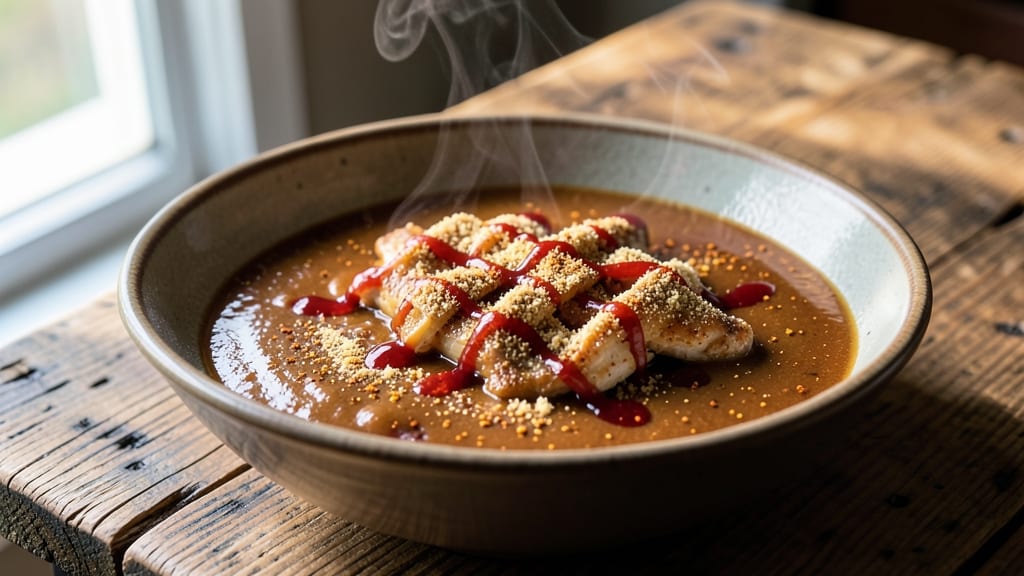
This chicken wing boil sauce recipe transforms ordinary wings into finger-licking masterpieces with a glaze that clings like it was made for them.
The secret lies in balancing smoky spices, tangy vinegar, and rich butter to create a sauce that caramelizes beautifully during boiling—no sticky mess, just bold flavor that penetrates every crispy bite.
What sets this sauce apart is its foolproof simplicity: just six core ingredients that work together to deliver restaurant-quality depth. The key technique involves simmering the sauce until it thickens slightly, ensuring it coats wings perfectly without dripping.
I developed this recipe after testing dozens of variations, and the difference between this and store-bought sauces is night and day.
By the time you're done, you'll have a smoky-spiced glaze that's sticky enough to hold seasoning but light enough to let the wings shine. The aroma alone will have everyone anticipating dinner, and the first bite delivers that perfect balance of heat, tang, and richness.
This sauce keeps well in the fridge for up to two weeks, making it perfect for game day or weekly wing nights.
Whether you're boiling wings for a crowd or meal prepping, this sauce elevates every batch. The instructions are straightforward, but the flavor payoff is anything but ordinary. Let's make sauce that sticks—and makes wings unforgettable.
Ingredients for chicken wing boil sauce
Six ingredients crafting restaurant-quality wing sauce with perfect smoky-tangy balance.
| Ingredient | Amount | Notes |
|---|---|---|
| Unsalted Butter 🧈 | ½ cup | Cold, cubed for even melting |
| Apple Cider Vinegar 🍎 | ¼ cup | Bragg preferred for depth |
| Smoked Paprika 🌶️ | 1 tbsp | High-quality for authentic smoke |
| Garlic Powder 🧄 | 1 ½ tsp | Freshly ground preferred |
| Onion Powder 🧅 | 1 tsp | Diamond Crystal preferred |
| Cayenne Pepper 🔥 | ½ tsp | Adjust for heat preference |
| Kosher Salt 🧂 | 1 ½ tsp | Diamond Crystal preferred |
The butter is non-negotiable—it's what creates that velvety glaze that clings to wings without dripping. European-style unsalted butter from brands like Plugrá or Kerrygold delivers the richest flavor, but any high-quality unsalted will work. Cold cubes melt gradually, creating emulsification that gives this sauce its signature stickiness. The vinegar? Apple cider vinegar adds depth beyond white vinegar—Bragg is my go-to, but any organic brand works. Smoked paprika is where the magic happens; Penzeys or McCormick smoked varieties provide that authentic campfire aroma that defines this sauce.
No smoked paprika? Substitute with 1 tsp regular paprika plus 1/4 tsp liquid smoke, though the flavor won't be identical. Short on vinegar? Lemon juice at half the amount works in a pinch, but the tang will be sharper. The spices are flexible: swap cayenne for red pepper flakes at double the amount if you prefer texture. For extra depth, add 1/2 tsp ground mustard—it enhances the sauce's stickiness. The salt is crucial; Diamond Crystal kosher salt dissolves perfectly, while table salt can make the sauce taste flat. If you're making this for a crowd, double the recipe—just keep the butter cold until the last minute to prevent premature melting.
This sauce thickens as it cools, so store it in an airtight container with a thin layer of olive oil on top to preserve freshness. Keeps for 2 weeks refrigerated or 6 months frozen in ice cube trays for portion control. For game day prep, make it ahead and reheat gently—microwaving can separate the butter. The sauce reheats beautifully when tossed with wings, making it perfect for boiling batches. Freeze extras in 1-tablespoon portions for quick wing dips later.
Why You'll Love This Recipe
- Five-Ingredient Magic: I swear by this—just butter, vinegar, and three spices. No fancy gadgets, no stress. The butter melts into that rich, velvety base while the vinegar cuts through with just enough tang to make your taste buds notice.
- Smoky Tangy Bliss: That smoked paprika? It’s the star. One teaspoon gives you this deep, woodsy warmth that wraps around every bite, while the vinegar keeps it bright and lively—not heavy, not dull. Honestly, it’s the kind of flavor that makes you want to lick the pot.
- Game-Day Ready: Between us, this sauce is my secret for game day, movie nights, or even a lazy Sunday. Toss it with wings, dump it on fries, or drizzle it over roasted potatoes. It’s the kind of sauce that turns ordinary meals into something special without you breaking a sweat.
- Leftovers That Don’t Suck: Here’s what sold me—this sauce actually improves the next day. The flavors meld even more, and it reheats like a dream. I make a double batch, store it in the fridge, and use it all week. No waste, no fuss, just pure convenience.
Step-by-step instructions for smoky-spiced glaze
This sauce builds layer by layer—smoky depth first, then tangy brightness, and finally a rich, buttery finish.
Melt the Butter Over Low Heat
Place the 0.5 cup unsalted butter (cubed) in a small saucepan over low heat. Let it melt slowly, stirring occasionally with a wooden spoon until fully liquid but not browned. The butter should be smooth and homogeneous—this prevents graininess in the finished sauce.
Here's the thing—melting butter too quickly can cause it to separate or develop a nutty flavor. Keep the heat gentle and maintain constant motion with the spoon. You'll know it's ready when the butter is completely liquid and the pan emits a faint buttery aroma without any smoke.
Combine Spices and Vinegar
Remove the saucepan from heat and immediately add the 1 tbsp smoked paprika, 1.5 tsp garlic powder, 1 tsp onion powder, and 0.5 tsp cayenne pepper. Whisk vigorously for 30 seconds to distribute the spices evenly through the melted butter. This step ensures the spices infuse completely before adding the vinegar.
Return the pan to low heat and carefully pour in the 0.25 cup apple cider vinegar. Stir continuously for 2-3 minutes until the mixture begins to simmer gently. You'll notice the spices dissolving and the sauce developing a deep, aromatic fragrance—this is where the sauce's character forms.
Simmer Until Thickened
Continue simmering the sauce on low heat for 8-10 minutes, stirring frequently with a silicone spatula. The sauce should reduce by about one-third, becoming thick and glossy. You're looking for a consistency that coats the back of a spoon smoothly—this ensures it will cling perfectly to wings.
Taste the sauce as it thickens and adjust the seasoning with the 1.5 tsp kosher salt if needed. The balance should be smoky, slightly tangy, and just spicy enough to complement the wings without overpowering them. If the sauce starts to darken too much, reduce the heat slightly to prevent burning.
Cool and Store for Maximum Flavor
Transfer the finished sauce to a heatproof bowl and let it cool to room temperature, stirring occasionally. This allows the flavors to meld further and the sauce to thicken slightly as it cools. The texture should resemble a thick glaze—smooth, syrupy, and ready to adhere to wings.
Once cooled, cover the sauce tightly with plastic wrap pressed directly onto the surface to prevent a skin from forming. Store in the refrigerator for up to 1 week or freeze for up to 3 months. The sauce will continue to develop deeper flavor as it rests, making it even more irresistible when you're ready to use it.
Pro Tips For Making Chicken Wing Boil Sauce
- Melt Butter Slowly: If you dump cold butter into the vinegar, you’ll end up with a weird, grainy sauce. Instead, melt the unsalted butter first—just until it’s fully liquid but not browned—then whisk it into the vinegar while the pan’s still warm. This keeps the sauce silky smooth, not lumpy or separated.
- Toast the Spices: Skip the pre-mixed spice blends—smoked paprika, garlic powder, and onion powder need a quick toast in the pan before adding liquid. Heat them dry for 30 seconds until fragrant (not burnt), and you’ll wake up their flavors instead of just sprinkling them in.
- Simmer, Don’t Boil: Once the vinegar and butter are combined, keep the heat low enough that the sauce barely bubbles. Boiling it turns the apple cider vinegar harsh and the butter greasy. A gentle simmer for 2–3 minutes lets the flavors meld without losing the tang.
- Strain for Smoothness: If you’re using whole garlic or onion powder clumps, strain the sauce through a fine-mesh sieve before serving. It’s a 10-second step that makes the sauce look polished and ensures every bite is consistent—not one with a gritty surprise. (Yes, even if you’re lazy like me, do this.)
Wine and beer pairings for this chicken wing boil sauce
Crisp Lager Pairing
A crisp American lager like Bud Light or Miller Lite is my go-to for balancing this sauce’s richness. The light, clean profile cuts through the smoky depth without competing, while its subtle malt sweetness enhances the caramelized butter notes.
Serve it ice-cold to highlight the sauce’s tangy brightness—this combo is a game-day staple. 🍺
Hoppy IPA Contrast
For a bolder pairing, try a West Coast IPA like Stone Ruination or Sierra Nevada Pale Ale. The citrusy hops complement the vinegar’s tang, while the sauce’s smokiness mellows the IPA’s bitterness.
The result? A perfect push-and-pull of flavors that keeps every bite exciting. Just avoid overly hoppy IPAs—they can overpower the sauce’s delicate balance.
Smoky Bourbon Option
If you’re serving wings with a side of bourbon, opt for a rye whiskey like Bulleit Rye or Wild Turkey 101. The caramel and vanilla notes in the whiskey mirror the sauce’s smoky-sweet profile, creating a cohesive, warming experience.
Sip it neat or on the rocks to let the sauce’s flavors shine through.
Red Wine Surprise
Don’t overlook a dry red wine like Pinot Noir or Cabernet Sauvignon for a sophisticated twist. The wine’s acidity and tannins cleanse the palate between spicy bites, while its fruitiness bridges the sauce’s smoky and tangy elements.
Chill it slightly—55-60°F—to soften its tannins and enhance its pairing potential. 🍷
Non-Alcoholic Sparkle
For a refreshing non-alcoholic option, mix sparkling apple cider with a splash of ginger beer. The effervescence mirrors the sauce’s tangy kick, while the ginger’s warmth rounds out the smoky flavors. Serve it chilled in a glass with a lime wedge for a crisp, crowd-pleasing alternative.
Nutrition facts
Frequently asked questions
Can I make this sauce without smoked paprika?
Yes, but the flavor will differ. Substitute with 1 tsp regular paprika plus 1/4 tsp liquid smoke for depth. For a smokier alternative, try 1/2 tsp chipotle powder—it adds heat and a subtle smokiness, though the aroma won't be identical. Adjust cayenne accordingly if you want to maintain the same level of spice.
How long does this sauce keep, and how should I store it?
Store the sauce in an airtight container in the fridge for up to 2 weeks or freeze it for 3 months. For freezing, portion into 1-tablespoon servings in ice cube trays—perfect for quick wing dips. Always cover the surface with a thin layer of olive oil to preserve freshness and prevent a skin from forming.
What’s the best way to use this sauce with wings?
Toss cooked wings in 1-2 tablespoons of sauce per pound while still hot to help it cling. For extra stickiness, reheat the sauce gently before using—microwaving in 10-second bursts works best. If boiling wings, add 1/4 cup sauce per gallon of water during the last 5 minutes of cooking for infused flavor.
Can I adjust the heat level?
Reduce cayenne to 1/4 tsp for mild heat or increase to 1 tsp for a fiery kick. For a different spice profile, swap cayenne for red pepper flakes (double the amount) or add 1/2 tsp crushed black pepper for a sharper bite. Always taste as you go—this sauce is highly customizable.
Why does my sauce separate when reheating?
This happens when butter and vinegar aren’t properly emulsified. To fix it, whisk in 1 tsp cold water or 1/2 tsp cornstarch while reheating on low heat. For prevention, stir the sauce constantly during the 8-10 minute simmer and avoid overheating. A quick fix is also to mix in 1/2 tsp Dijon mustard—it acts as a natural emulsifier.