
Main Courses
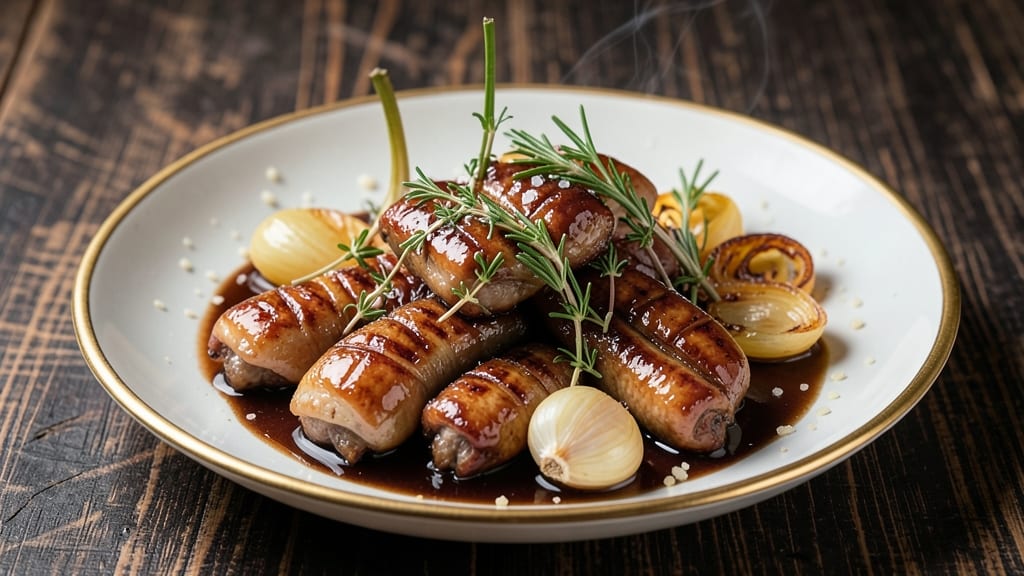
Transforming tough chicken tongue into tender, melt-in-your-mouth perfection requires patience and precision—this braised method delivers restaurant-quality results at home. The secret lies in slow cooking until the meat becomes so tender it practically falls apart, then finishing with a crispy herbed crust that adds texture and flavor.
I first discovered this technique while researching traditional European preparations, where chicken tongue was once a prized delicacy.
This recipe begins with thorough cleaning and marinating to ensure the meat stays moist during the long braising process. You'll simmer the tongue in aromatic broth with onions, garlic, and herbs until fork-tender, then crisp it in butter with fresh herbs for that coveted golden crust.
The process takes about 3 hours, but the hands-off cooking makes it ideal for special occasions or when you want to impress guests with an unexpected centerpiece.
What you'll end up with is a dish that's rich, flavorful, and surprisingly elegant—juicy chicken tongue with a crispy exterior and velvety interior. The herbed crust adds a sophisticated touch that elevates this often-overlooked cut into something truly remarkable.
Serve with roasted vegetables or a simple green salad to let the star of the dish shine.
Perfect for holiday dinners or when you want to try something different, this recipe proves that with the right technique, even tough cuts can become unforgettable. Let's get started with the step-by-step instructions to achieve tender results every time.
Ingredients for chicken tongue
Transform tough chicken tongues into velvety perfection with these carefully selected ingredients designed for restaurant-quality braising.
| Ingredient | Amount | Notes |
|---|---|---|
| Chicken Tongues 🍗 | 2 whole | Fresh, cleaned and trimmed |
| Unsalted Butter 🧈 | ½ cup | Cold, cut into cubes |
| Yellow Onions 🧅 | 1 whole | Peeled and quartered |
| Garlic Cloves 🧄 | 6 cloves | Peeled and smashed |
| Fresh Thyme Sprigs 🌿 | 4 whole | Stems removed |
| Fresh Rosemary Sprigs 🌿 | 2 whole | Needs removed |
| Bay Leaves 🍃 | 2 whole | Dried, standard size |
| Dry White Wine 🍷 | 1 cup | Sauvignon Blanc preferred |
| Chicken Broth 💧 | 2 cups | Low-sodium, homemade preferred |
| Fresh Parsley Leaves 🌿 | ¼ cup | Chopped, for finishing |
| Extra-Virgin Olive Oil 🫒 | 2 tbsp | For searing |
| Diamond Crystal Kosher Salt 🧂 | 1 ½ tsp | For seasoning |
| Freshly Ground Black Pepper 🌶️ | ½ tsp | Cracked over top |
| All-Purpose Flour 🌾 | 2 tbsp | For dredging |
The chicken tongues form the foundation of this dish, and their quality is non-negotiable. Source them from a reputable butcher or specialty meat purveyor—look for tongues that are bright red with minimal marbling. Whole Foods Market or local farms often carry them, though they may require advance ordering. The tongues must be thoroughly cleaned and trimmed of excess fat before cooking. For optimal results, purchase them fresh rather than frozen, as the texture suffers during thawing. If you must use frozen, submerge them in cold water for 30 minutes before trimming to prevent excessive moisture loss. The butter you'll use for the herbed crust should be high-fat, unsalted—European-style butter like Plugrá delivers superior flavor due to its higher fat content and lack of additives.
Substitutions must be made thoughtfully to preserve the dish's delicate balance. If you cannot find fresh thyme or rosemary, dried varieties work at one-third the quantity, though the aroma won't be as pronounced. For the white wine, dry vermouth or additional chicken broth can suffice, though the acidity will differ slightly. The flour for dredging can be swapped for cornstarch if you prefer a lighter crust, though it may crisp less dramatically. For the olive oil, avocado oil has a higher smoke point if you're searing at high heat, but it lacks the fruity complexity that enhances the dish. If you're avoiding gluten, omit the flour entirely—simply pat the tongues dry before searing. The parsley can be substituted with cilantro or chives, though parsley's slightly bitter note complements the richness of the tongue better.
Proper storage begins with the chicken tongues, which should be used immediately after purchase or stored in the coldest part of your refrigerator for up to 3 days. If prepping ahead, trim and marinate the tongues in the wine and broth mixture for up to 12 hours before braising, though the flavor develops best with at least 4 hours of marinating. The herbed butter can be prepared 1 day in advance and stored in an airtight container in the refrigerator, though it's best used within 24 hours for optimal texture. Once braised, the tongues reheat beautifully—simmer gently in their braising liquid for 10-15 minutes until heated through. For longer storage, the cooked tongues can be refrigerated in their juices for up to 4 days or frozen for 3 months, though the texture may be slightly less tender after freezing.
Why You'll Love This Recipe
- I’ll be real: chicken tongues are cheaper than chicken breasts but taste like a splurge. A single batch feeds four, and the ingredients are simple—no fancy pantry staples needed. It’s the kind of dish that makes you feel like you’re treating yourself without breaking the bank.
- One-Pot Magic: I swear by this recipe because it’s all in one pan—just butter, onions, garlic, and thyme simmering with those tender tongues. No chopping mountains of veggies or juggling multiple dishes; the onions caramelize right there while the chicken tongues melt in your mouth.
- Rich, Earthy Depth: Between us, chicken tongues have a texture and flavor unlike anything else—firm yet tender, with that deep, savory richness. The butter and thyme turn it into something luxurious, like a homey version of a fancy bistro dish.
- Weeknight or Weekend: Honestly, this works for both. Toss it together for a quick weeknight dinner, or let it simmer low and slow for a weekend meal that feels special. The leftovers reheat beautifully, too—just a splash of water or broth to revive that buttery goodness.
Step-by-step instructions for braised chicken tongue
This method transforms tough chicken tongues into melt-in-your-mouth delicacies with a golden herbed crust.
Prepare the Chicken Tongues for Maximum Tenderness
Begin by scoring the surface of each chicken tongue in a crosshatch pattern using a sharp chef's knife. This creates channels that allow the marinade to penetrate deeply and helps break down connective tissue during braising. Work quickly to avoid drying out the meat.
Next, dredge each scored tongue in the 2 tablespoons all-purpose flour, pressing gently to adhere. This creates a delicate crust that will later develop into a golden-brown finish. Place the floured tongues on a wire rack set over a baking sheet and refrigerate for 30 minutes to allow the flour to set. This step is crucial for achieving that signature buttery crust.
Develop the Flavor Base with Herbs and Aromatics
In a large Dutch oven, heat the 2 tablespoons extra-virgin olive oil over medium heat until shimmering. Add the 1 whole yellow onion, quartered, and cook for 8-10 minutes until softened and beginning to caramelize at the edges. This foundational step builds sweetness that balances the richness of the butter.
Add the 6 cloves garlic cloves and cook for 30 seconds until fragrant. Immediately stir in the 4 whole fresh thyme sprigs, 2 whole fresh rosemary sprigs, and 2 whole bay leaves. The herbs should sizzle slightly—this releases their essential oils. Cook for 1 minute until the garlic turns golden, then remove the pan from heat and set aside.
Sear the Chicken Tongues for Crust Development
Working in batches if needed, add the floured chicken tongues to the Dutch oven in a single layer. They should sizzle gently without crowding. Cook for 3-4 minutes per side until deeply golden brown. This high-heat sear is essential for developing that crisp herbed crust while locking in juices.
Transfer the seared tongues to a plate and set aside. In the same pot, reduce heat to medium-low and add the 0.5 cup unsalted butter, cut into cubes. Let it melt completely, then pour in the 1 cup dry white wine. Scrape up any browned bits from the bottom with a wooden spoon—these contain concentrated flavor. Simmer for 3 minutes until the wine reduces by half.
Braise to Buttery Perfection
Return the chicken tongues to the Dutch oven and pour in the 2 cups chicken broth. The liquid should come about halfway up the sides of the tongues. Bring to a gentle simmer, then cover tightly with a lid. Braise for 1 hour 15 minutes at 325°F, maintaining a very gentle bubble at the surface. This slow cooking time is what transforms tough collagen into silky tenderness.
After 1 hour 15 minutes, check for doneness by piercing the thickest part with a fork—it should slide in easily with no resistance. If needed, continue braising for another 15-20 minutes. The tongues should be fork-tender with a rich, buttery sauce surrounding them. Here's the thing—don't rush this step. Patience ensures that melt-in-your-mouth texture.
Finish and Serve with Herbed Garnish
Remove the chicken tongues from the braising liquid and transfer them to a serving platter. Tent loosely with foil and let rest for 10 minutes. This resting period allows the juices to redistribute, ensuring each bite is moist and flavorful.
Strain the braising liquid through a fine-mesh sieve to remove herbs and bay leaves. Return the sauce to the Dutch oven and reduce over medium-high heat until slightly thickened. Stir in the 0.25 cup fresh parsley leaves and season with 1.5 teaspoons diamond crystal kosher salt and 0.5 teaspoon freshly ground black pepper. Spoon the herbed sauce over the chicken tongues before serving.
Pro Tips For Making Chicken Tongue
- Trim the Fat First: Chicken tongues come with a thick, fatty membrane—peel it off before cooking or it’ll make your butter pool like a sad, greasy puddle. I learned this the hard way when my first batch tasted like a buttery disappointment. Use a sharp knife and scrape it off in one smooth motion.
- Sear Over Medium-High: Too much heat and you’ll char the outside before the inside cooks; too little and the butter will turn into a bland sauce. Medium-high heat for 3-4 minutes per side guarantees a golden crust without burning. Trust me, your future self will notice the difference.
- Slice Onions Thinly: Big chunks of onion mean tough, chewy bites. Thinly slice them—almost translucent—and they’ll melt into the butter like silk. I used to chop them roughly, and the texture always felt off. A sharp knife and a steady hand fix this instantly.
- Deglaze with Wine (Optional): After searing, splash in a splash of dry white wine (or even a splash of chicken stock) to lift the browned bits from the pan. It’s the lazy way to make your dish taste like you spent hours on it. Skip it if you’re in a rush, but the flavor upgrade is real.
Perfect pairings for these flavors
Herb-Infused Sauces
Elevate your braised chicken tongues with a herb-infused sauce that mirrors the dish's aromatic profile. After braising, strain the liquid and reduce it with 2 tbsp cold butter and 1 tsp lemon zest for brightness.
I often finish with 1 tbsp chopped chives and a pinch of smoked paprika for depth. This sauce clings beautifully to the tender meat, enhancing its natural richness. 🌿
Crispy Potato Companions
For a rustic contrast, serve the chicken tongues with crispy roasted potatoes tossed in 2 tbsp olive oil, 1 tsp dried thyme, and ½ tsp garlic powder. Roast at 425°F for 30 minutes until golden and fluffy.
The starchiness of the potatoes soaks up the herbed sauce, making every bite satisfying. I like using Yukon Gold potatoes for their creamy texture.
Wine Pairing Perfection
A dry Riesling from Germany or Alsace is my go-to pairing—its crisp acidity and slight sweetness cut through the buttery richness of the dish. For a red option, try a Pinot Noir with earthy undertones that complement the rosemary and thyme.
Avoid heavy, tannic wines that would overpower the delicate flavors. 🍷
Vegetable Harmony
Balance the richness with roasted seasonal vegetables like carrots, parsnips, and Brussels sprouts. Toss them in 2 tbsp olive oil, 1 tsp honey, and ½ tsp smoked salt, then roast at 400°F for 25 minutes.
The caramelized edges add a sweet contrast to the savory chicken tongues. I often serve this medley on the side for a vibrant, colorful plate.
Bread Service
Offer crusty sourdough bread or baguette slices for soaking up the herbed sauce. Toast the bread lightly and rub with a garlic clove before serving. The crusty texture provides a satisfying bite, while the garlic enhances the overall flavor profile. I recommend Boudin Bakery sourdough for its tangy depth.
Modern Twist: Chimichurri
For a fresh, vibrant contrast, serve the chicken tongues with a chimichurri sauce made from 1 cup parsley, 4 garlic cloves, 2 tbsp red wine vinegar, and ½ cup olive oil.
Pulse in a food processor until chunky. The bright acidity and herbaceous notes cleanse the palate between each buttery bite. This South American-inspired sauce adds a dynamic, unexpected element. 🌶️
Nutrition facts
Frequently asked questions
Why do I need to score the chicken tongues before cooking?
Scoring creates tiny channels that allow marinades and braising liquids to penetrate deeply, breaking down collagen faster. This technique ensures even tenderness throughout the thick cut. Think of it like making microscopic slashes for flavor and moisture to work their magic!
Can I substitute chicken tongues with another cut?
While chicken tongues are ideal, you could try chicken livers (pan-seared with bacon) or beef tongue (braised longer, ~4 hours). However, the texture and flavor will differ significantly. For best results, stick with chicken tongues—they're designed for this butter-herb transformation.
How do I know when the chicken tongues are fully cooked?
They're done when they're fork-tender with no resistance at the thickest part. The internal temperature should reach 195°F—well above typical poultry temps. If you cut into one and see silky meat with no pink, it's perfect. Overcooking can make them dry, so check frequently during the final 15 minutes of braising.
What if my chicken tongues turn out tough instead of tender?
This usually happens from rushing the braising time or using too much liquid. Always braise at 325°F for at least 1 hour 15 minutes—the collagen needs time to dissolve. If needed, add ½ cup more broth and cook another 30 minutes. For next time, trim excess fat first (it can insulate and prevent even cooking).
Can I make this recipe ahead of time?
The tongues reheat beautifully. Braise them fully, then refrigerate in their juices for up to 4 days. To serve, gently reheat in a skillet with 1 tbsp butter and 2 tbsp broth over low heat for 10-15 minutes. The crust may soften slightly but will still be delicious. Freeze for 3 months by wrapping tightly in plastic and foil.