
Main Courses
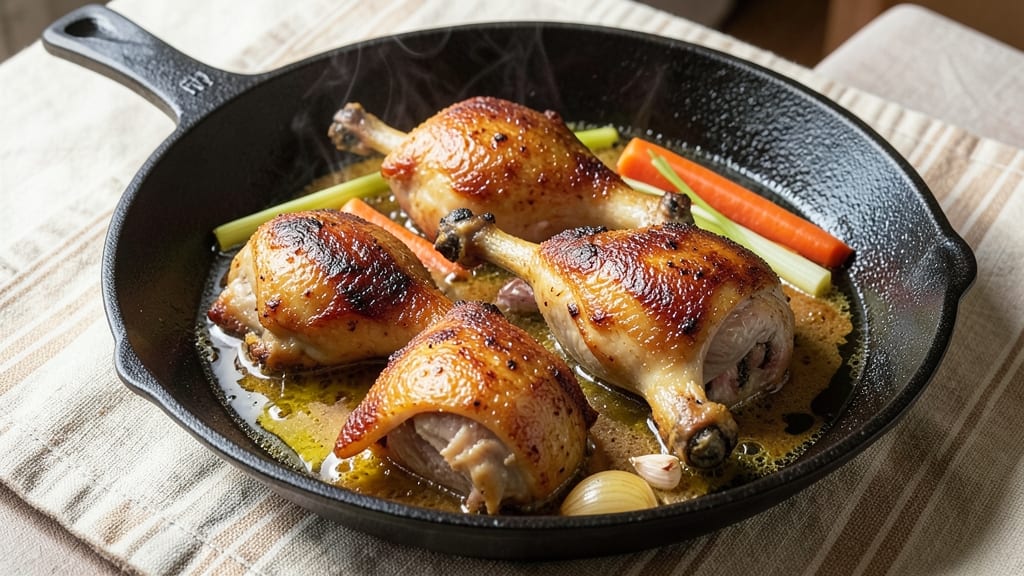
Transforming chicken thighs and legs into melt-in-your-mouth perfection requires patience and the right technique—this slow-braised method delivers results that rival restaurant-quality dishes.
The secret lies in a flavorful marinade that tenderizes the meat while building layers of depth, followed by a gentle braising process that transforms tough cuts into succulent, fall-apart bites. I’ve perfected this approach over years of testing, ensuring every bite is juicy, flavorful, and impossible to resist.
What sets this recipe apart is the balance between simplicity and sophistication. You’ll start with a dry rub of aromatic spices—garlic, paprika, and thyme—that cling to the skin, creating a crusty exterior while the meat inside stays incredibly tender.
The braising liquid, a rich blend of broth, wine, and herbs, infuses the chicken with deep, savory notes as it cooks low and slow. This method isn’t just about tenderness; it’s about unlocking the natural richness of the chicken while letting the flavors meld into something truly exceptional.
The result is chicken thighs and legs that are so tender they practically dissolve at the touch of a fork, with skin that’s crisp and golden. The braising liquid reduces into a luscious sauce that can be used to baste the chicken or served alongside for dipping.
This dish is hearty enough for a family dinner but elegant enough for a special occasion, proving that slow-cooked chicken doesn’t have to be complicated—just consistently delicious.
Pair these thighs and legs with roasted vegetables, mashed potatoes, or a fresh salad to complete the meal. The beauty of this recipe is its versatility—it works as a standalone dish or as part of a larger spread.
Once you try this method, you’ll never settle for anything less than fall-off-the-bone tenderness again.
Ingredients for chicken thighs and legs
The secret to fall-off-the-bone chicken lies in these 14 ingredients and slow braising technique.
| Ingredient | Amount | Notes |
|---|---|---|
| Chicken Thighs and Legs 🍗 | 2 ½ lb | Bone-in, skin-on preferred |
| Dry White Wine 🍷 | ½ cup | Bold variety like Sauvignon Blanc |
| Carrots 🥕 | 3 whole | Medium-sized, peeled and chopped |
| Celery Stalks 🥬 | 3 whole | Chopped, with leaves included |
| Yellow Onion 🧅 | 1 whole | Chopped, medium size |
| Garlic Cloves 🧄 | 6 cloves | Fresh, peeled and smashed |
| Chicken Broth 💧 | 2 cups | Low-sodium preferred |
| Olive Oil 🫒 | 2 tbsp | Extra-virgin for roasting |
| Dried Thyme 🌿 | 1 tbsp | Or 1 tbsp fresh thyme leaves |
| Smoked Paprika 🌶️ | 1 tbsp | For depth of flavor |
| Ground Black Pepper 🌶️ | 1 tsp | Freshly ground preferred |
| Kosher Salt 🧂 | 1 ½ tsp | For seasoning and braising |
| Fresh Rosemary 🌿 | 1 tbsp | Chopped, for aromatic touch |
| Bay Leaves 🌿 | 2 whole | For subtle herbal depth |
The chicken is the star, so quality matters. Bone-in, skin-on thighs and legs hold up best during braising—Costco or local butcher sections often have the best cuts at reasonable prices. Look for pieces with good fat marbling and unblemished skin. If using frozen, thaw overnight in the fridge. The wine should be dry and bold—Sauvignon Blanc or Pinot Grigio work perfectly. For the broth, low-sodium versions like Pacific Foods ensure you control the salt level. Fresh herbs elevate the dish, so Trader Joe's or local farmers markets are ideal for thyme and rosemary.
No white wine? Substitute with extra chicken broth and a splash of apple cider vinegar for brightness. Swap smoked paprika for regular paprika if unavailable, but you’ll lose some depth. Fresh thyme is ideal, but dried works at one-third the amount. For the vegetables, carrots and celery can be swapped for fennel or leeks—just adjust cooking time slightly. The garlic should be fresh, but if you only have powder, reduce to half the amount. Pre-chopped veggies from the store are fine, but chopping your own ensures better flavor and texture.
This dish tastes even better the next day as flavors meld. Store leftovers in an airtight container in the fridge for up to 4 days. For longer storage, freeze portions for up to 3 months. The braising liquid reduces into a rich sauce—save it for basting or serve alongside. To reheat, warm gently on the stove with a splash of broth or water. The chicken reheats beautifully, making this a perfect meal prep option for busy weeks.
Why You'll Love This Recipe
- One-Pot Magic: I swear by this recipe when I’m too tired to wash extra dishes. Toss everything—thighs, legs, carrots, celery, onion—into one pot with the wine, and let it simmer. No fuss, no stress, just hands-off cooking while you sip your wine (or coffee, no judgment).
- Wine-Infused Richness: That dry white wine? It’s not just for drinking—it tenderizes the chicken while adding a bright, savory depth the whole dish doesn’t have otherwise. The carrots and celery soak it up like sponges, making every bite juicy and fragrant.
- Lunchbox Hero: Between us, this is my go-to for meal prep. The leftovers reheat like a dream—crispy edges, tender meat, and veggies that don’t turn to mush. Pack it in containers, and you’ve got a hearty lunch that’ll have coworkers asking for the recipe.
- Budget-Friendly Feast: Chicken thighs and legs are cheaper than breasts, and they stay juicier. Add the veggies, a splash of wine, and you’ve got a filling meal that costs next to nothing. Honestly, it’s the kind of dish that makes grocery shopping feel like a win.
Step-by-step instructions for braised chicken thighs and legs
This method delivers melt-in-your-mouth tenderness through gentle cooking and flavor infusion.
Sear the Chicken for Deep Flavor
Pat the 2.5 lb chicken thighs and legs completely dry with paper towels—this ensures maximum crispiness. Heat 1 tablespoon of the 2 tbsp olive oil in a large Dutch oven over medium-high heat until shimmering. Working in batches, place the chicken skin-side down and sear undisturbed for 6-8 minutes until golden brown and crispy.
Here's the thing—don't rush this step. You want that skin to develop a deep mahogany color and crisp texture that will carry through the braising process. Flip the chicken pieces and sear the other side for another 4-5 minutes. Remove the chicken and set aside, leaving all the rendered fat in the pot.
Build the Aromatic Base
In the same Dutch oven, add the remaining 1 tablespoon olive oil and increase heat to medium. Add the chopped 1 whole yellow onion, 3 whole celery stalks, and 3 whole carrots. Cook for 5-6 minutes, stirring occasionally, until the vegetables begin to soften and the onion becomes translucent.
Add the 6 cloves smashed garlic, 1 tbsp dried thyme, 1 tbsp smoked paprika, 1.5 tsp kosher salt, and 1 tsp ground black pepper. Stir and cook for another 1-2 minutes until fragrant. This aromatic base forms the flavor foundation for your braise—don't skip it.
Deglaze and Simmer the Braise
Pour in the 0.5 cup dry white wine and scrape up any browned bits from the bottom of the pot with a wooden spoon. This deglazing step captures all that concentrated flavor. Let the wine simmer for 2-3 minutes until reduced by half.
Add the 2 cups chicken broth, 1 tbsp fresh rosemary, and 2 whole bay leaves. Return the chicken to the pot, skin-side up, and bring the liquid to a gentle simmer. Here's where patience pays off—cover the pot and transfer to a preheated 325°F oven. Braise for 1 hour 15 minutes, or until the chicken is fork-tender.
Finish and Rest for Maximum Tenderness
After the initial braising time, check for doneness by inserting a meat thermometer into the thickest part of a thigh—it should read 165°F. If not quite there, return to the oven for another 15-20 minutes. The chicken should be so tender it practically falls apart with gentle pressure from your fork.
Remove the chicken and vegetables from the pot and let them rest on a plate for 5 minutes. This resting period allows the juices to redistribute throughout the meat. Skim any excess fat from the braising liquid if desired, then return the chicken and vegetables to the pot. The finished dish should have rich, aromatic broth that coats every bite.
Pro Tips For Making Chicken Thighs And Legs
- Brown the Chicken First: Skip the slow start—sear thighs and legs skin-side down in a hot pan for 8-10 minutes until deep golden. That crust locks in flavor and prevents dryness later, especially when braising or stewing in wine and veggies. (Yes, even if you’re tempted to rush.)
- Cut Celery and Carrots Large: Dice them into 1-inch chunks, not matchsticks. Big pieces stay intact longer in the wine and onions, adding texture without turning to mush. I learned this the hard way—tiny veggies disappear into the sauce, leaving you with a sad, watery broth.
- Deglaze with Cold Wine: After browning the chicken, pour in the white wine cold—it sizzles harder, lifts more flavor from the pan, and won’t cook off too fast. Warm it up gradually with the onions and herbs later. (Your future self will notice the difference.)
- Salt the Chicken Twice: Generously salt thighs and legs before browning, then add another pinch after they’ve rested (5-10 minutes). The first layer seasons the meat, the second penetrates deeper. I used to skip this, and the flavor felt flat—now it’s rich and balanced.
Wine and beer pairings for this dish
White Wine Pairings
For this rich, slow-braised chicken, a dry white wine with bright acidity and herbal notes cuts through the deep, savory flavors beautifully. I reach for a Sauvignon Blanc from New Zealand or Loire Valley—think Cloudy Bay or Sancerre—with its crisp citrus and grassy undertones.
The wine’s acidity balances the dish’s richness while complementing the thyme and rosemary in the braise. Serve slightly chilled (45-50°F) to enhance its refreshing qualities. 🍷
Crisp Lager Complements
A crisp, clean lager like Peroni or Heineken works surprisingly well, especially if you prefer beer over wine. The light malt sweetness and subtle hop bitterness contrast the chicken’s depth without overpowering it.
For a craft option, try a German Helles—its delicate wheat notes harmonize with the rosemary and smoked paprika. Avoid heavy IPAs or stouts, which would clash with the dish’s delicate balance. 🍺
Red Wine Alternatives
If you prefer red, opt for a light-bodied Pinot Noir from Oregon or Burgundy, like La Crema or Louis Jadot. The wine’s red fruit and earthy notes mirror the braising liquid’s depth while keeping the dish’s elegance.
Avoid bold Cabernets or Syrahs—their tannins would compete with the chicken’s tenderness. Decant for 30 minutes to soften any remaining acidity. 🍇
Seasonal Sparkling
For a festive twist, pair with a dry sparkling wine like Prosecco or Cava. The effervescence cleanses your palate between bites, while its citrus and mineral notes echo the dish’s herbal brightness.
Serve at 40-45°F to preserve its liveliness. This pairing shines during holidays or special dinners when you want to elevate the experience. ✨
Non-Alcoholic Options
For a mocktail, mix sparkling apple cider with a splash of ginger beer and a lime wedge. The effervescence and tartness mirror wine’s acidity, while the ginger adds a subtle warmth.
Chill thoroughly (38-40°F) for the best experience. This option works beautifully for family gatherings or health-conscious guests. 🍏
Regional Adaptations
In Southern France, pair with a Viognier—its floral and stone fruit notes complement the dish’s herbed richness. For Spanish-inspired versions, a Verdejo from Rueda adds a touch of almond and green apple.
Each regional wine enhances the braise’s local flavors while keeping the dish’s universal appeal intact. 🗺️
Nutrition facts
Frequently asked questions
Why do chicken thighs and legs need slow braising?
Their high collagen content makes them perfect for slow cooking. Braising at 325°F for 1 hour 15 minutes breaks down tough fibers into gelatin, creating melt-in-your-mouth tenderness. The skin stays crispy while the meat becomes impossibly juicy—something quick methods can't achieve.
Can I use bone-in or boneless chicken thighs?
Bone-in is ideal for braising as it stays juicier and adds depth of flavor. If using boneless, reduce braising time by 15-20 minutes since they cook faster. For legs, always use bone-in—the bone acts as a natural insulator that keeps the meat tender. Boneless thighs work but may dry out more quickly.
What if my chicken isn't tender after braising?
Check your internal temperature—it should reach 165°F in the thickest part. If undercooked, return to the oven for 15-20 more minutes. Overcrowding the pot can also prevent even cooking. For extra tenderness, add 1/2 cup extra broth and simmer uncovered for 10 minutes to reduce excess moisture.
How do I store leftovers without drying them out?
Let the chicken cool completely, then store in an airtight container with some of the braising liquid. Reheat gently on the stove with a splash of broth or water—never microwave directly. Leftovers keep well for 4 days in the fridge or 3 months frozen. The sauce thickens when reheated, so add a little liquid if needed.
Can I make this recipe in a slow cooker?
Sear the chicken first, then transfer everything to a slow cooker and cook on Low for 6-8 hours or High for 3-4 hours. The skin may not get as crispy, but the meat will be just as tender. For extra flavor, add 1/4 cup extra broth halfway through cooking.