
Side Dishes
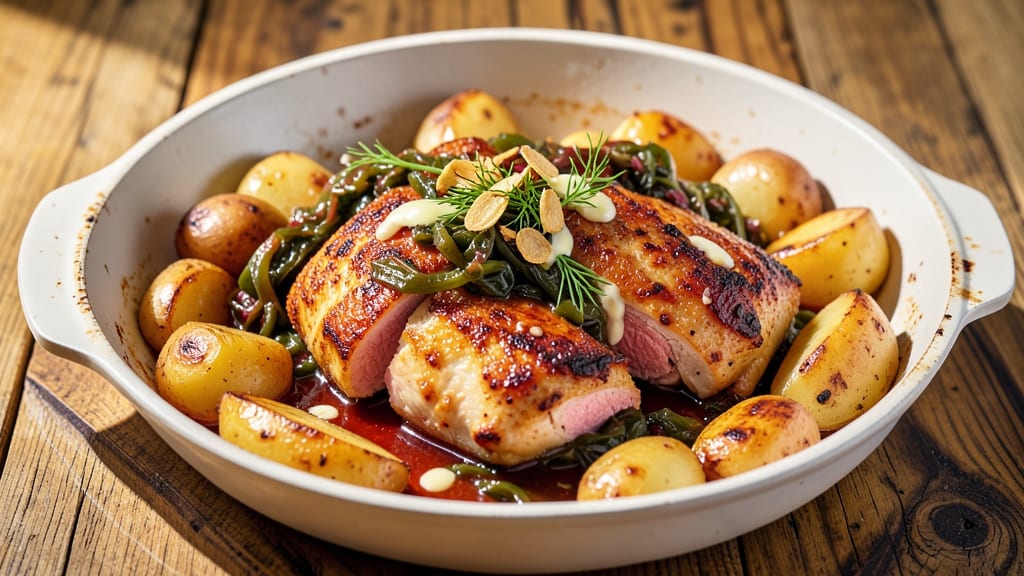
This chicken sauerkraut potatoes recipe delivers the kind of hearty, tangy comfort that feels like a hug in a skillet—perfect for chilly evenings when you crave bold flavors without fuss.
Growing up in small-town Georgia, I learned that the best meals balance simplicity with layers of taste, and this dish does exactly that by marrying crispy chicken, caramelized potatoes, and fermented sauerkraut into one foolproof one-skillet wonder.
The beauty of this recipe lies in its versatility—it works as a standalone meal or pairs beautifully with crusty bread to soak up every last bit of that savory-tangy sauce.
I developed it during a particularly busy week when I needed a dish that could feed my family with minimal cleanup, and it’s been a staple ever since. The key is letting the sauerkraut’s natural acidity mellow while the chicken and potatoes develop rich, caramelized edges.
By the time you’re done, you’ll have a restaurant-quality dish that’s tender, crispy, and packed with flavor—no fancy techniques required. The chicken stays juicy, the potatoes achieve that perfect golden crust, and the sauerkraut adds a bright, tangy contrast that cuts through the richness.
This is the kind of meal that transforms a simple weeknight into something special, all while keeping prep under 30 minutes.
Serve it as-is for a hearty main or pair it with a crisp green salad to balance the richness. The leftovers reheat beautifully, making it ideal for meal prep. Here’s how to bring this comforting dish to your table—no shortcuts, just proven technique and bold flavors.
Ingredients for chicken sauerkraut potato
Twelve simple ingredients transform into a restaurant-worthy one-skillet masterpiece—juicy chicken, caramelized potatoes, and tangy sauerkraut all in one pan.
| Ingredient | Amount | Notes |
|---|---|---|
| Boneless, Skinless Chicken Thighs 🍗 | 1 ½ lb | Cut into 1-inch pieces |
| Russet Potatoes 🥔 | 2 lbs | Cut into 1-inch cubes |
| Sauerkraut 🥬 | 1 lb | Drained and rinsed |
| Unsalted Butter 🧈 | 4 tbsp | Full-fat for best flavor |
| Yellow Onion 🧅 | 1 whole | Diced, medium size |
| Garlic Cloves 🧄 | 4 cloves | Minced, fresh preferred |
| Apple Cider Vinegar 🍏 | 2 tbsp | For tangy brightness |
| Dijon Mustard 🍯 | 1 tbsp | For depth of flavor |
| Kosher Salt 🧂 | 1 ½ tsp | Diamond Crystal preferred |
| Freshly Ground Black Pepper 🌶️ | ½ tsp | Cracked peppercorns preferred |
| Fresh Thyme Leaves 🌿 | 1 tbsp | Or 1 tsp dried thyme |
| Heavy Cream 🥛 | ½ cup | Full-fat for richness |
| Extra-Virgin Olive Oil 🫒 | 1 tbsp | For crispy chicken |
The sauerkraut is the star here, so grab the high-quality, jarred kind—look for brands like Bubbies or Rehr's at your local grocery store's refrigerated section. Fresh sauerkraut has more crunch, but jarred works perfectly. The potatoes should be russets—their starchy nature gives that perfect golden crust. For the chicken, thighs stay juicier than breasts during longer cooking. If you can't find sauerkraut, quick-pickled red cabbage (thinly sliced cabbage + vinegar + salt) works in a pinch, but it won't have the same depth of flavor. The butter matters too—Plugrá or Land O'Lakes unsalted are my go-tos for that rich, caramelized flavor.
No sauerkraut? A mix of thinly sliced red cabbage and 1 tbsp apple cider vinegar gets you close, but let it sit for 10 minutes to soften. The Dijon mustard adds that special tang—Maille is my favorite, but any good-quality Dijon works. Fresh thyme is ideal, but dried works at half the amount if that's what you've got. The heavy cream is non-negotiable for that velvety finish, but half-and-half works in a pinch (though it won't be as rich). For the olive oil, California avocado oil has a higher smoke point if you're searing at high heat. And if you're watching calories, you can reduce the heavy cream to 2 tbsp and add an extra splash of chicken broth instead.
This dish reheats like a dream—even better the next day as the flavors meld. Store leftovers in an airtight container for up to 4 days in the fridge. For meal prep, portion into individual containers with a splash of water to keep the potatoes from drying out. Freezes beautifully for up to 3 months, though the potatoes might get a little softer after thawing. To serve, a crusty baguette is perfect for soaking up that tangy sauce—Trader Joe's or Whole Foods have great options. And if you're feeling fancy, garnish with extra fresh thyme or a sprinkle of smoked paprika for a pop of color.
Why You'll Love This Recipe
- Here’s what sold me: the sauerkraut’s sharp bite against the buttery, golden potatoes and juicy chicken. It’s not just a side—it’s the star. (Yes, even on a Tuesday night.) The onions add this sweet depth that makes every bite feel like a hug for your taste buds.
- One-Pan Magic: I swear by this recipe because it’s one pan—no chopping boards, no extra dishes. Toss in the potatoes, chicken, and sauerkraut, let the butter work its magic, and boom. Done. The onions caramelize right there, and the sauerkraut’s tang cuts through everything like a flavor hero.
- Tangy-Creamy Balance: Here’s what sold me: the sauerkraut’s sharp bite against the buttery, golden potatoes and juicy chicken. It’s not just a side—it’s the star. (Yes, even on a Tuesday night.) The onions add this sweet depth that makes every bite feel like a hug for your taste buds.
- Leftover Goldmine: Between us, this dish begs for seconds, which means it’s perfect for leftovers. Reheat the next day, and the flavors only get better—crispy edges on the potatoes, tender chicken, and that sauerkraut still packing flavor. I’ve fed a crowd with it, packed it for lunches, and even served it at a casual dinner. It’s that reliable.
Step-by-step instructions for chicken sauerkraut potatoes
Here's how to create this hearty, one-skillet masterpiece that delivers cozy satisfaction with minimal effort.
Sear the Chicken Until Golden Brown
Heat a large, deep skillet over medium-high heat until hot. Add the 1 tablespoon extra-virgin olive oil and swirl to coat the bottom. Working in batches if needed, add the 1.5 lb boneless, skinless chicken thighs cut into 1-inch pieces, arranging them in a single layer without overcrowding.
Let the chicken sear undisturbed for 3-4 minutes per side until golden brown and deeply caramelized. You'll notice the edges develop a beautiful crust while the interior remains juicy. Transfer the seared chicken to a plate and set aside—this step builds the foundation of flavor that carries through the entire dish.
Real talk: Don't rush this searing process. The deeper caramelization from the high heat creates complex flavors that make this dish truly special. If your skillet isn't hot enough, the chicken will steam instead of sear—watch for that telltale smoke signal that indicates proper heat.
Build the Potato and Sauerkraut Base
In the same skillet (no need to wipe out those flavorful browned bits), reduce heat to medium and add 2 tablespoons unsalted butter. Let it melt completely before adding the 2 lbs russet potatoes cut into 1-inch cubes. Toss the potatoes to coat them evenly in the butter, then spread them out in an even layer.
Cook the potatoes undisturbed for 8-10 minutes, stirring occasionally, until they begin to soften and develop golden spots on the edges. This initial cooking creates a crispy potato base that prevents sogginess later. Add the 1 whole yellow onion diced medium, 4 cloves garlic cloves minced, and 1 tablespoon fresh thyme leaves, stirring to combine with the potatoes.
Here's where the magic happens: Pour in the 2 tablespoons apple cider vinegar and 1 tablespoon Dijon mustard, tossing everything together. The vinegar brightens the flavors while the mustard adds depth that complements the sauerkraut perfectly. Cook for another 3-4 minutes until the onions soften and become translucent.
Combine and Simmer the Sauerkraut Mixture
Add the 1 lb sauerkraut (drained and rinsed) to the skillet, breaking up any large chunks with your spoon. Stir well to distribute the sauerkraut evenly among the potatoes and onions. Sprinkle with 1.5 teaspoons kosher salt and 0.5 teaspoon freshly ground black pepper, then add the seared chicken pieces back to the skillet.
Pour in 0.5 cup heavy cream and stir gently to combine everything. The cream should coat the potatoes and chicken, creating a luxurious sauce. Bring the mixture to a gentle simmer over medium heat, then reduce heat to low. Cover the skillet and let it cook for 15-20 minutes, stirring occasionally, until the potatoes are fork-tender and the flavors have melded together.
This is the moment that matters: The potatoes should be soft enough to pierce easily with a fork, but still hold their shape. The sauerkraut should be heated through but still retain its distinctive tang. If the mixture looks too dry, add 1-2 tablespoons water to maintain moisture—this one-skillet approach relies on proper liquid balance for perfect texture.
Finish with Crispy Edges and Herbed Garnish
Once the potatoes are tender, increase heat to medium-high and uncover the skillet. Let the mixture cook uncovered for 5-7 minutes, stirring occasionally, until the edges develop golden-brown crispiness and the sauce thickens slightly. This final step creates the perfect textural contrast between the crispy edges and tender centers.
Taste and adjust seasoning if needed—you might want to add a pinch more salt to enhance the flavors. The dish should balance the richness of the chicken and cream with the tangy brightness of the sauerkraut and vinegar. Remove from heat and let it rest for 2-3 minutes before serving to allow the flavors to settle.
This comforting dish delivers on its promise of cozy satisfaction in every bite. The crispy potato edges contrast beautifully with the tender chicken and sauerkraut, while the herbed cream sauce ties everything together. Serve immediately while hot, garnished with additional fresh thyme leaves if desired—it's the perfect hearty meal for chilly evenings.
Pro Tips For Making Chicken Sauerkraut Potato
- CUT POTATOES IN EVEN SLICES: I learned this the hard way—uneven slices mean some potatoes stay crunchy while others turn to mush. Use a mandoline or sharp knife to slice them all ¼-inch thick, then soak in cold water for 10 minutes to remove excess starch. Drain well before cooking, or they’ll steam instead of crisp.
- SEAR CHICKEN ON HIGH HEAT: Low heat = bland chicken. Crank your pan to medium-high, add a splash of water, and let the thighs sizzle undisturbed for 3-4 minutes per side until golden. The steam helps render fat, and the crust locks in flavor—no dry, rubbery meat here.
- RINSE SAUERKRAUT FIRST: That tangy brine is great, but too much liquid makes the dish soggy. Drain the sauerkraut, then rinse it quickly under cold water to cut the acidity. Pat it dry with a towel—this keeps the potatoes crisp and the flavors balanced.
- SALT THE POTATOES BEFORE COOKING: Toss the sliced potatoes with ½ teaspoon salt per pound before adding them to the pan. This seasoning gets absorbed into the flesh instead of just sitting on top, and it guarantees they’re seasoned through—not just on the outside. (Yes, even if you’re using unsalted butter later.)
Make-ahead tips for this recipe
Prep Ahead for Weeknight Wins
This dish is a meal prep dream because the flavors actually improve overnight. I always chop the potatoes and onion the night before and store them in separate airtight containers in the fridge.
The sauerkraut can be drained and rinsed ahead too—just keep it in its juice until you're ready to cook to maintain its tang.
The chicken stays freshest when cut and seasoned just before cooking, but you can marinate it in 1 tbsp olive oil and ½ tsp salt for up to 4 hours if you're really planning ahead. 💡
Freezer-Friendly Components
For true make-ahead convenience, cook the potatoes and sauerkraut mixture separately and freeze them in individual portions. Store the potatoes and onion base (after Step 2) in a freezer-safe bag for up to 3 months.
When ready to serve, thaw overnight in the fridge, then add the chicken and cream during the final cooking stage. The chicken should be cooked fresh for best texture, but you can par-cook it and store it separately for up to 2 days before adding to the skillet. ❄️
Reheating Like a Pro
Leftovers reheat beautifully in the skillet—just add 1-2 tablespoons water or chicken broth to prevent drying. Warm over medium-low heat for 8-10 minutes, stirring occasionally, until everything is heated through.
For microwave reheating, cover with a damp paper towel and heat in 1-minute intervals on 70% power until reaching 165°F. The potatoes might get slightly softer, but the flavors will be even more developed. 🔥
Portion Control for Meal Prep
Divide the fully cooked dish into quart-sized meal prep containers with a splash of water or broth at the bottom. This prevents the potatoes from drying out during storage. Each container makes a perfect lunch—just reheat and enjoy.
I like to portion the dish while still warm so the flavors meld together in the containers. Store in the fridge for up to 4 days or freeze for 3 months. The sauerkraut's tang actually intensifies slightly when reheated, making it even more flavorful. 💪
Make-Ahead Garnishes
Prep your garnishes ahead of time to save even more time during the week. Chop fresh thyme leaves and store them in a small container in the fridge for up to 5 days.
Toast smoked paprika in a dry skillet for 1 minute and store it in an airtight container. A quick sprinkle of these finishes any reheated dish beautifully.
For extra convenience, make a small batch of crusty bread (like a baguette) and store it in a paper bag at room temperature for up to 3 days—perfect for soaking up that tangy sauce. ✨
Weekend Prep for Busy Nights
On Sundays, I like to make a double batch of this recipe and freeze half. The extra portion comes together in 20 minutes on busy weeknights. Just thaw overnight in the fridge, then finish cooking in the skillet.
I also prep a simple side salad with mixed greens, cherry tomatoes, and a basic vinaigrette that keeps for 4 days in the fridge. This way, I have a complete meal ready to serve with minimal effort during the week. 📅
Nutrition facts
Frequently asked questions
Can I use chicken breasts instead of thighs?
While you can substitute chicken breasts, thighs are ideal because they stay juicier during the longer cooking process. If using breasts, cut them into ½-inch pieces and cook them for 2-3 minutes less per side to avoid drying out. For best results, marinate them in 1 tbsp olive oil and ½ tsp salt for 30 minutes before cooking.
What if I don’t have sauerkraut on hand?
You can make a quick substitute by thinly slicing 1 small red cabbage, tossing it with 2 tbsp apple cider vinegar and ½ tsp salt, then letting it sit for 10 minutes to soften. For deeper flavor, add ½ tsp caraway seeds (a classic sauerkraut spice) if available. The texture won’t be identical, but it’ll still add tangy brightness.
How do I prevent the potatoes from getting mushy?
The key is to cut them evenly (about 1-inch cubes) and cook them undisturbed for the first 8-10 minutes to develop crispy edges. Avoid overcrowding the skillet and add them in a single layer. If the dish seems too wet, uncover and cook for 2-3 extra minutes to evaporate excess moisture. Stirring too soon turns potatoes into mush!
Can I make this dish in the oven instead of a skillet?
Preheat oven to 400°F. Follow the same steps for searing chicken and building the potato base, then transfer everything to a baking dish. Cover with foil and bake for 25 minutes, then uncover and bake 10 more minutes to crisp the edges. The oven method works well for larger batches or if you prefer hands-off cooking.
What’s the best way to store leftovers?
Store in an airtight container for up to 4 days in the fridge. For reheating, add 1-2 tbsp water or broth to the skillet and warm over medium-low heat for 8-10 minutes. The flavors actually deepen overnight, making it even more delicious the next day! For freezing, portion into individual containers with a splash of liquid to prevent drying.