
Main Courses
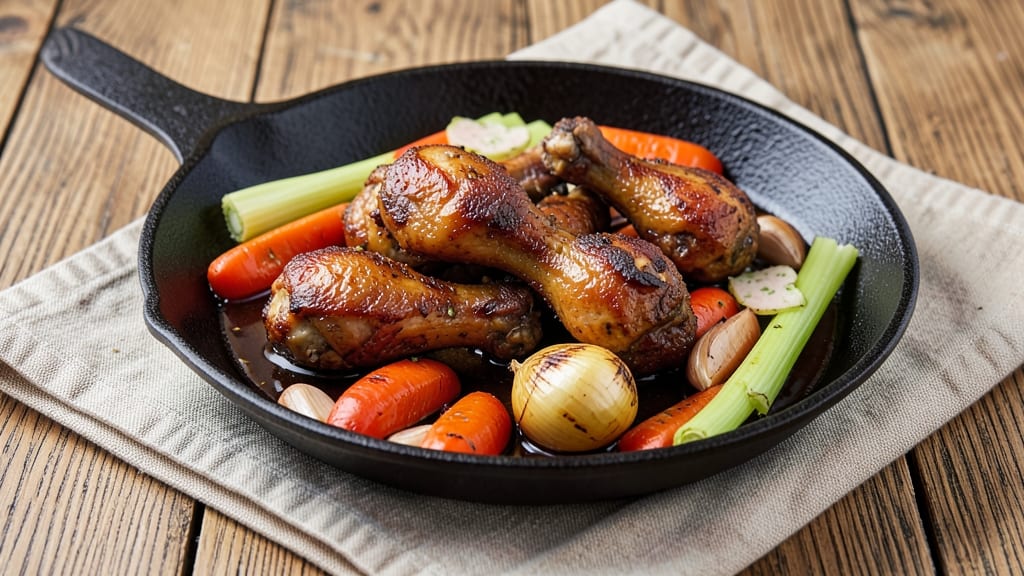
Transforming humble chicken necks into a rich, flavorful broth base is one of the most rewarding cooking techniques I’ve mastered—simple yet deeply satisfying. These often-overlooked cuts deliver unmatched depth of flavor when slow-cooked, making them the backbone of soups, stews, and braises that taste like they simmered all day.
The key lies in proper seasoning and patience, as collagen-rich connective tissue breaks down into a velvety, umami-packed liquid.
What sets this recipe apart is its versatility—use the finished broth as a base for ramen, pho, or hearty beef stews, or shred the meat for tacos, dumplings, or salads.
The process is straightforward: a simple brine enhances tenderness, while aromatics like bay leaves, garlic, and ginger infuse the broth with layers of complexity. With just 30 minutes of prep and 2 hours of hands-off cooking, you’ll have a pantry staple that elevates every dish it touches.
The result is a deeply aromatic, collagen-rich broth with tender, fall-off-the-bone meat that dissolves into your favorite recipes. Whether you’re making a classic French poulet au pot or a modern Asian-inspired noodle soup, this technique ensures restaurant-quality depth without the fuss.
The beauty? Every step builds flavor incrementally, rewarding your effort with a broth so rich it’ll have everyone asking for seconds.
Pair the finished broth with crusty bread, fresh herbs, or a squeeze of citrus to brighten the dish. For extra depth, finish with a splash of fish sauce or a sprinkle of smoked paprika—small touches that make all the difference.
Ready to unlock the full potential of chicken necks? Let’s get started.
Ingredients for chicken necks
Simple ingredients transform chicken necks into a velvety, umami-rich broth base perfect for soups and stews.
| Ingredient | Amount | Notes |
|---|---|---|
| Chicken Necks 🍗 | 2 lb | Raw, skin-on preferred |
| Yellow Onion 🧅 | 1 whole | Peeled, halved lengthwise |
| Carrots 🥕 | 4 whole | Scrubbed, cut into chunks |
| Celery Stalks 🥬 | 4 whole | Trimmed, cut into pieces |
| Garlic Cloves 🧄 | 6 cloves | Peeled, smashed slightly |
| Fresh Ginger 🌿 | 2 tbsp | Grated, organic preferred |
| Bay Leaves 🍃 | 2 whole | Dried, high-quality |
| Kosher Salt 🧂 | 1 ½ tbsp | Diamond Crystal preferred |
| Black Peppercorns 🌶️ | 1 tsp | Freshly cracked |
| Dried Thyme 🌿 | 1 tsp | Or 1 tbsp fresh sprigs |
| Water 💧 | 8 cups | Filtered preferred |
| Apple Cider Vinegar 🍎 | 2 tbsp | For tenderizing brine |
| Fish Sauce 🍜 | 1 tbsp | Red Boat brand preferred |
The chicken necks are the star here—look for skin-on cuts at your butcher or grocery store's meat counter, as the skin adds extra fat for richness. Trader Joe's and Whole Foods often carry them fresh, but frozen works too (thaw overnight in the fridge). For the aromatics, fresh ginger is ideal—organic ginger root from the produce section has more punch than pre-grated. The bay leaves? California or Turkish are the gold standard, but any dried will do in a pinch. If you're feeling fancy, grab a whole fish sauce bottle—it keeps for months and elevates the broth's depth.
No fresh ginger? Powdered ginger at half the amount works, but it lacks complexity. Skip the vinegar? Lemon juice or white wine vinegar are decent swaps, though cider vinegar's slight sweetness is perfect here. Running low on thyme? Dried oregano at the same amount gives a similar earthiness. The carrots and celery can be swapped for leeks or fennel if you're feeling adventurous—just adjust the volume to keep the same ratio. For the water, filtered or spring water prevents off-flavors, but tap water in most areas will work fine. The kosher salt is non-negotiable—Diamond Crystal dissolves perfectly, while table salt can leave gritty residue.
This broth gets better with time—plan to simmer for at least 2 hours, but 4 hours is ideal for maximum collagen breakdown. Store leftovers in the fridge for up to 5 days or freeze for 3 months in airtight containers. I like to portion it into ice cube trays for easy use in future recipes. The shredded chicken? Use it immediately in tacos or salads, or freeze it for up to 2 months. Trust me, you'll want to make this at least twice.
Why You'll Love This Recipe
- One-Pot Magic: I swear by this recipe because it’s literally dump-and-go. Brown the chicken necks, toss in the chopped veggies—onion, carrots, celery—and garlic, then let the slow cooker or pot do the work. No straining, no extra pots, just rich, golden broth and tender meat when you’re ready.
- Deep Umami Bomb: That crispy skin on the chicken necks? Chef’s kiss. The onions caramelize just enough to sweeten the broth, while the garlic cloves turn into aromatic gold. Honestly, the flavor builds in layers—salty, sweet, and herby—like a hug in a bowl.
- Soup-to-Staple Flex: Make it a hearty soup for a cold night, shred the meat for tacos the next day, or freeze it for future lazy dinners. I’ve used this base for ramen, dumplings, and even a quick grain bowl. The veggies soften perfectly, so you’re not stuck with mushy leftovers.
- Budget Win: Chicken necks are the unsung hero of affordable protein—cheaper than thighs, just as flavorful. A single batch stretches to feed four for two meals, and the veggies (onion, carrots, celery) are pantry staples. My wallet thanks me every time.
Step-by-step instructions for chicken neck broth
This method extracts maximum flavor and collagen from chicken necks for a rich, velvety foundation.
Prepare the Chicken Necks and Aromatics
Pat the 2 lb chicken necks dry with paper towels to remove any surface moisture. This ensures better browning and flavor extraction. In a large Dutch oven or heavy pot, arrange the chicken necks in a single layer, skin-side down. Let them sit uncovered for 10 minutes at room temperature—this prevents shocking the broth when added to cold water.
While the chicken necks rest, peel and halve the 1 whole yellow onion lengthwise, then trim the 4 whole carrots and 4 whole celery stalks into 1-inch chunks. Peel and smash the 6 cloves garlic slightly to release their aroma without mincing. Grate the 2 tbsp fresh ginger using a fine grater or microplane. Here's the thing—fresh ginger adds a bright, peppery note that dried ginger can't match, so don't skip this step.
Build Deep Flavor Through Browning
Place the Dutch oven over medium-high heat and add the chicken necks skin-side down. Let them brown undisturbed for 8-10 minutes until the skin turns deep golden brown and crispy in spots. This step is non-negotiable—browning develops the Maillard reaction, creating complex, meaty flavors that infuse the broth. If the necks release easily from the pot, they're ready to flip. Work in batches if needed to avoid overcrowding.
Once browned, carefully remove the chicken necks and set them aside. Add the halved yellow onion, carrot chunks, celery pieces, smashed garlic cloves, and grated ginger to the same pot. Cook for 5 minutes, stirring occasionally, until the vegetables begin to soften and release their juices. This process, called sweating, extracts their natural sweetness and aroma before they dissolve into the broth.
Simmer the Broth for Maximum Extraction
Return the browned chicken necks to the pot and add the 8 cups water, 1.5 tbsp kosher salt, 1 tsp black peppercorns, 1 tsp dried thyme, and 2 whole bay leaves. Bring the mixture to a full rolling boil over high heat, then immediately reduce the heat to maintain a gentle simmer. Here's where it gets crucial: the broth should never boil vigorously after the initial boil. A steady, barely perceptible bubble at the surface is ideal—this prevents the liquid from becoming cloudy and ensures the collagen breaks down slowly for a rich, gelatinous texture.
Cover the pot and let the broth simmer for 2 hours. I know it seems like a long time, but this low-and-slow approach is what transforms simple ingredients into a luxurious, restaurant-quality base. Skim any foam or impurities that rise to the surface with a ladle during the first 30 minutes of simmering—this keeps the broth clear and clean. The chicken necks should become fork-tender and easily separate from the bone by the end of the cooking time.
Finish with Acid and Umami
After 2 hours of simmering, remove the chicken necks and strain the broth through a fine-mesh sieve or cheesecloth-lined colander into a clean pot. Discard the solids, but save the chicken necks for another use if desired—they're perfect for shredding into tacos or salads. Return the strained broth to the pot and stir in the 2 tbsp apple cider vinegar and 1 tbsp fish sauce. The vinegar brightens the broth with a subtle tang, while the fish sauce adds a deep, savory umami punch that elevates the entire dish. Taste and adjust the seasoning with additional salt if needed—remember, the broth will reduce slightly as it cools.
Let the broth cool to room temperature, then transfer it to airtight containers or jars. It will continue to thicken and develop flavor as it chills, creating a luxurious, velvety texture perfect for soups, stews, or even as a cooking liquid for grains. This broth keeps beautifully in the refrigerator for up to 5 days or can be frozen for 3 months. The longer it sits, the more complex and delicious it becomes—so don't be afraid to make a big batch.
Pro Tips For Making Chicken Necks
- Sear First, Simmer Slow: Chicken necks won’t render their fat and collagen properly if they’re just simmered raw—start by searing them in batches over medium-high heat until deep golden brown. I learned this the hard way when my broth turned out murky instead of rich. The crust locks in flavor and prevents a bland, watery result.
- Chop Veggies Uniformly: Onions, carrots, and celery should be cut into even ½-inch chunks—no big hunks, no fine dice. Uneven pieces mean some cook faster and turn to mush while others stay tough. My grandmother swore by this, and she was right: consistency is the thing that matters most for a balanced mirepoix.
- Deglaze Aggressively: After searing the chicken necks, don’t just splash in liquid—scrape the browned bits from the pot with a wooden spoon while adding the liquid. Those bits are pure flavor, and skipping this step means losing half the depth of your broth. (Yes, even if you’re impatient like me.)
- Salt the Water: If you’re poaching or simmering the chicken necks in water, add a generous pinch of salt (about 1 teaspoon per quart) early on. It seasons the meat directly and prevents blandness. I used to skip this, but the difference is noticeable—especially when you’re using chicken necks, which can taste neutral on their own.
Serving suggestions for chicken necks
Broth-Based Soups
This velvety chicken neck broth is the perfect foundation for hearty soups. For a pho-inspired bowl, simmer the broth with rice noodles, thinly sliced flank steak, and fresh herbs like cilantro and Thai basil.
Add a splash of hoisin sauce and sriracha to taste. I love topping it with bean sprouts and lime wedges for brightness. 🌿
For a classic French-style potage, blend the broth with roasted garlic, cream, and a touch of nutmeg for a silky texture. Serve with crusty baguette slices and a side of buttered escargot for an elegant touch.
The collagen-rich broth gives it an unmatched depth that store-bought stocks can't match.
Shredded Chicken Applications
Shred the cooked chicken necks and use them in tacos or burrito bowls. Toss with lime juice, cilantro, and avocado for a fresh, zesty topping. I often serve them over warm corn tortillas with pickled red onions and salsa verde.
The meat stays moist and flavorful, perfect for a quick weeknight meal. 🌮
For Asian-inspired dumplings, mix the shredded chicken with shredded cabbage, ginger, and soy sauce, then wrap in wonton wrappers. Pan-fry until golden and serve with chili oil or sweet chili sauce. The broth's umami flavor carries through beautifully in every bite.
Grain and Rice Dishes
Use the broth as a cooking liquid for risotto or congee. For risotto, toast arborio rice in olive oil, then slowly add the warm broth while stirring. Finish with white wine, parmesan, and fresh peas for a creamy, luxurious dish.
The collagen in the broth creates a naturally thick, velvety texture without extra starch. 🍚
For congee, simmer jasmine rice in the broth until it reaches a porridge-like consistency. Top with soft-boiled eggs, scallions, and sesame oil for a comforting breakfast or late-night snack. The broth's richness makes even simple toppings taste extraordinary.
Sauces and Braises
Reduce the broth by half to create a glazed sauce for roasted vegetables or grilled meats. Deglaze the pot with red wine and add tomato paste for a Bolognese-style sauce. The collagen-rich reduction adds depth that can't be replicated with other stocks. 🍷
Use the broth as a base for braised short ribs or beef chuck roast. The chicken neck broth tenderizes the meat while infusing it with layers of flavor. I like to finish with a splash of balsamic vinegar and fresh rosemary for a restaurant-worthy dish.
Nutrition facts
Frequently asked questions
Why do chicken necks make such a rich broth?
Chicken necks contain high levels of collagen in their connective tissue, which breaks down during long simmering into gelatin. This creates a naturally thick, velvety texture that store-bought stocks can't match. The skin also adds fat for richness, while the bones release minerals that deepen flavor.
Can I use frozen chicken necks instead of fresh?
Thaw frozen necks overnight in the refrigerator before cooking. The texture and flavor will be just as good, though fresh necks may have slightly more pronounced skin crispness when browned. Never thaw at room temperature to prevent bacterial growth.
What if I don't have apple cider vinegar or fish sauce?
For vinegar, use lemon juice or white wine vinegar (½ the amount). Skip fish sauce? Try soy sauce or a pinch of MSG for umami. The broth will still be delicious—just slightly less complex. The key is balancing acidity and saltiness.
How do I store leftover broth and shredded chicken?
Broth keeps 5 days refrigerated in airtight containers or 3 months frozen. For the chicken, store it separately in the fridge for 3 days or freeze for 2 months. Portion broth into ice cube trays for easy future use—just pop out what you need! The longer it sits, the more flavor develops.
What's the best way to use the shredded chicken?
Toss with lime juice and cilantro for tacos, mix into dumpling fillings, or stir into grain bowls. For extra flavor, simmer the shredded chicken back in the broth with soy sauce and garlic for 10 minutes. It's incredibly versatile—don't let it go to waste!