
Side Dishes
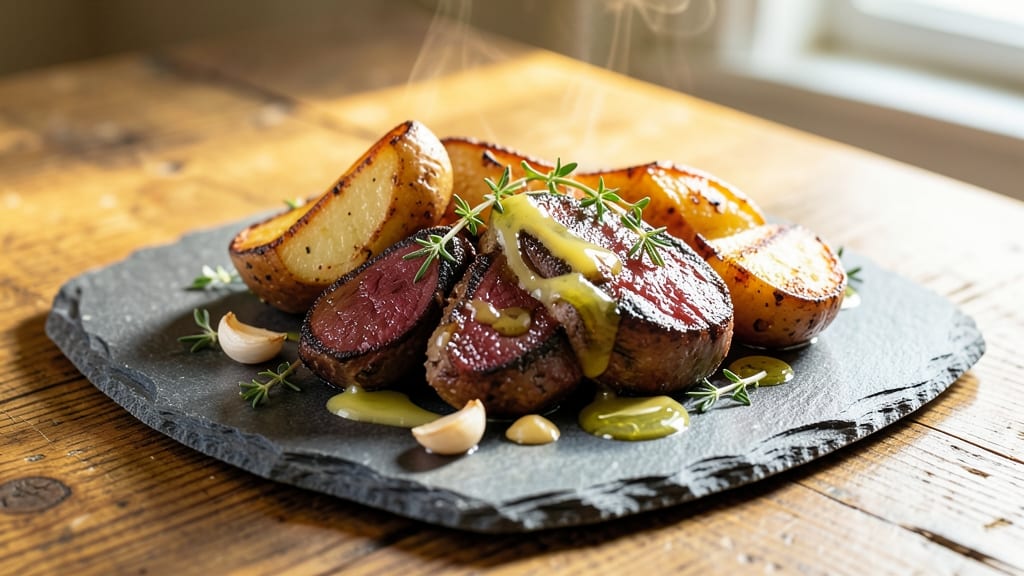
Mastering chicken livers with potatoes transforms humble ingredients into a restaurant-worthy side dish that delivers bold, pan-fried richness in just 30 minutes.
Growing up in small-town Georgia, I learned how offal could become a centerpiece when cooked with precision—this recipe preserves that tradition while simplifying the technique for home cooks.
The key lies in searing the livers until deeply caramelized while keeping the potatoes crisp on the outside and tender within, creating a perfect balance of textures.
This method eliminates guesswork by using a two-pan approach: potatoes roast in the oven while livers develop their signature crust on the stovetop. With just five ingredients and 15 minutes of active prep, you’ll achieve a dish that’s rich enough to stand alone or pair beautifully with grilled meats.
The secret weapon? A splash of lemon juice at the end to brighten the deep, savory flavors and cut through the richness.
By the time you plate this dish, you’ll have golden, crispy potatoes alongside perfectly seared livers—each bite offering a contrast of tender meat and crunchy edges, all tied together by a hint of garlic and thyme.
It’s the kind of side that elevates any meal, whether you’re serving it at a family gathering or a weeknight dinner. Let’s get started with a technique that’s foolproof and delivers professional results every time.
For those who prefer extra richness, a drizzle of brown butter or a sprinkle of fresh parsley adds depth without complicating the process. The recipe scales effortlessly, making it ideal for feeding a crowd or meal prepping ahead.
Store leftovers in the refrigerator for up to three days, re-heating gently to preserve the crispiness of the potatoes and the tenderness of the livers.
Ingredients for chicken liver with potato
Five core ingredients deliver restaurant-quality richness with minimal effort and maximum flavor.
| Ingredient | Amount | Notes |
|---|---|---|
| Fresh Chicken Livers 🍗 | 1 lb | Trimmed of connective tissue |
| Baby Potatoes 🥔 | 2 lbs | Yukon Gold preferred, halved |
| Unsalted Butter 🧈 | 4 tbsp | Cold, cut into small cubes |
| Garlic Cloves 🧄 | 4 cloves | Thinly sliced, not minced |
| Fresh Thyme Leaves 🌿 | ¼ cup | Chopped, stems removed |
| Lemon Juice 🍋 | 1 tbsp | Freshly squeezed |
| Diamond Crystal Kosher Salt 🧂 | 1 tsp | Fine grain preferred |
| Freshly Ground Black Pepper 🌶️ | ½ tsp | Cracked peppercorns |
| Extra-Virgin Olive Oil 🫒 | 2 tbsp | For roasting potatoes |
The chicken livers demand attention—freshness is non-negotiable. Look for vibrant, deep-red livers at Whole Foods or your local butcher shop, where they're typically sold pre-trimmed for convenience. If you're trimming them yourself, remove any connective tissue or silver skin, then rinse under cold water to eliminate any bloodline. Costco often carries them in bulk, which is ideal for larger batches. For the potatoes, Yukon Golds provide the perfect balance of creaminess and structure, but any waxy variety will work. Halve them before roasting to ensure even cooking and crisp edges. The butter should be cold when added to the livers—this creates the signature crust through proper rendering.
No fresh thyme? Dried thyme at one-third the amount works in a pinch, though it lacks the bright, herbal notes of fresh. Substituting garlic powder for fresh slices is possible, but the texture and flavor will differ slightly—roasted garlic offers a deeper, sweeter alternative. For those avoiding butter, duck fat or olive oil can replace it in the liver searing, though the flavor profile shifts. The lemon juice can be swapped for white wine vinegar if preferred, though it will alter the acidity balance. If you're scaling this for a crowd, double the butter and increase the oven temperature by 25°F to maintain crispiness in larger batches.
Livers and potatoes reheat best when stored separately. Keep the livers in an airtight container with a splash of their pan juices to maintain moisture, while the potatoes can be tossed with a bit of olive oil to prevent drying. Both components keep well in the refrigerator for up to three days, though the livers are best enjoyed within two days for optimal texture. For longer storage, freeze the livers in a single layer before transferring to a sealed bag—they'll keep for up to three months. When reheating, use low heat to prevent the potatoes from becoming soggy, and crisp the livers again in a hot pan for 30 seconds per side.
Why You'll Love This Recipe
- One-Pan Magic: I swear by this—just toss the livers and potatoes in a hot pan with butter, garlic, and thyme. No chopping, no fuss, and the whole thing comes together while you’re still debating what to watch on TV.
- Rich, Earthy Bite: That first crispy edge on the potatoes? The buttery garlic seeping into tender livers? Honestly, it’s the kind of dish where every bite feels like a little flavor victory—no sad, bland aftertaste here.
- Weeknight or Weekend: Make it for a lazy Tuesday or impress guests on Saturday—same recipe, different vibes. The livers feed two, the potatoes stretch it to four, and leftovers reheat like a dream (if you can resist eating them all first).
- Budget Powerhouse: Chicken livers are cheap, potatoes are cheap, and a stick of butter lasts forever. Between us, this feeds my family for half the cost of takeout, and the taste? Way better than anything delivered.
Step-by-step instructions for chicken livers with potatoes
This method delivers perfectly seared livers and crispy potatoes in record time.
Prep and Par-Cook the Potatoes
Preheat your oven to 400°F. Toss the halved baby potatoes with the 2 tablespoons extra-virgin olive oil, 1 teaspoon diamond crystal kosher salt, and 0.25 teaspoon freshly ground black pepper. Spread them on a rimmed baking sheet in a single layer, cut-side down. Roast for 20 minutes until they begin to soften but aren't fully cooked through.
Here's the thing—you want them tender enough to finish quickly on the stovetop but still holding their shape. If they brown too much during this stage, reduce the oven temperature to 375°F for the remaining time. Remove them from the oven and keep warm while you prep the livers.
Clean and Sear the Chicken Livers
Rinse the 1 pound fresh chicken livers under cold water and pat them completely dry with paper towels. Trim away any connective tissue or silver skin using a sharp knife—this ensures a silky texture. Cut the livers into ½-inch thick slices if they're large.
Heat 2 tablespoons unsalted butter in a large skillet over medium-high heat until it foams but doesn't brown. Add the livers in a single layer, leaving space between each piece. Let them sear undisturbed for 2-3 minutes per side until they develop a deep golden crust. You'll see the butter bubbling vigorously—this signals they're cooking properly.
Finish the Potatoes and Deglaze
Return the partially roasted potatoes to the oven and finish cooking at 400°F for 10-12 minutes until their edges are crispy and they're fork-tender. Meanwhile, reduce heat under the livers to medium-low and add the 4 cloves thinly sliced garlic cloves and 0.25 cup chopped fresh thyme leaves. Cook for 30 seconds until fragrant but not browned.
Carefully pour in the 1 tablespoon lemon juice and scrape up any browned bits from the bottom of the pan with a wooden spoon. These bits pack intense flavor. Let the sauce simmer for 1 minute until slightly reduced. The livers should reach an internal temperature of 145°F—they'll continue cooking slightly from the residual heat.
Combine and Serve Immediately
Transfer the livers to a warm serving platter and tent loosely with foil. Add the crispy potatoes to the same skillet and toss them with the garlic-thyme butter and lemon sauce for 1-2 minutes until evenly coated. The potatoes should absorb the buttery aroma and develop a golden sheen.
Here's the critical moment: divide the livers and potatoes among plates, ensuring each serving has both components. The livers should be rich and tender with a crisp exterior, while the potatoes offer a perfect balance of crispy edges and fluffy centers. Garnish with additional chopped fresh thyme leaves and serve immediately—this dish doesn't wait.
Pro Tips For Making Chicken Liver With Potato
- Soak Livers First: Drop those livers in cold water for 10 minutes before cooking—it washes off the blood and keeps them from turning into a bitter, rubbery mess. I learned this the hard way after making a batch that tasted like iron filings.
- Parboil Potatoes Properly: Don’t just toss baby potatoes in boiling water—cut them in half first, then simmer for 8-10 minutes until they’re just fork-tender but still hold their shape. Overcooking turns them into mush, and nobody wants that.
- Sear Livers Fast & Furious: High heat is non-negotiable here—get your pan screaming hot before adding the livers, and don’t crowd them. If they’re sizzling like crazy for the first 30 seconds, you’re doing it right.
- Deglaze with Thyme: After searing the livers, splash in a splash of water or white wine, then scrape up that browned butter-garlic-thyme crust from the pan. That’s where all the flavor hides—don’t skip it.
Essential equipment for great chicken liver with potato
Skillet Essentials
Your 10-inch cast iron skillet is non-negotiable for this recipe—I’ve used my Lodge Pre-Seasoned skillet for years, and it develops the perfect crust on those livers. The deep sides help prevent splatter when the butter foams, and the weight ensures even heat distribution.
If you don’t have cast iron, a heavy stainless steel skillet like All-Clad works, though you’ll need to monitor heat more closely. Avoid nonstick—it can’t handle the high heat needed for proper browning. 🔥
Oven Must-Haves
For the potatoes, a rimmed baking sheet prevents spills, and I always use half-sheet pans (18x13 inches) for even airflow. Line it with parchment paper for easy cleanup, but leave the edges bare so the potatoes crisp properly.
If your oven runs hot, invest in an oven thermometer—I keep a Thermoworks Oven Thermometer on hand to ensure accuracy, especially when roasting at 400°F. A wire rack on top of the pan elevates the potatoes for extra crispiness, but it’s optional. ⚡
Knives and Prep Tools
A sharp chef’s knife (I use my Wüsthof 8-inch) is critical for trimming livers—dull blades crush the delicate meat. Pair it with a cutting board (I prefer maple for its gentle surface) to keep your workspace clean.
For slicing garlic, a serrated knife or garlic press works, but thin slices infuse flavor better than minced. A microplane comes in handy for zesting lemon if you want to add brightness to the finishing sauce. 💡
Temperature Control
Precision matters here. A meat thermometer (like ThermoWorks Smoke) ensures livers hit 145°F—overcooking turns them rubbery. For the oven, I recommend a digital thermometer to avoid hot spots, especially if your appliance runs hot or cold.
If you’re searing livers and the butter smokes excessively, reduce heat to medium—the goal is a golden crust, not char. A kitchen torch can add drama to the final plating, but it’s purely decorative. 🌡️
Storage Containers
For leftovers, I store livers and potatoes separately in glass Pyrex containers with airtight lids. The livers go in a single layer with a splash of their pan juices to retain moisture, while potatoes get a light toss with olive oil to prevent drying.
If freezing, use quart-sized freezer bags with labels—livers freeze best in a single layer before bagging for even thawing. A vacuum sealer extends freshness but isn’t essential. 💫
Nutrition facts
Frequently asked questions
Can I substitute baby potatoes for regular potatoes?
Yes, but with adjustments. Use 2 pounds of regular potatoes (like Yukon Golds) cut into 1-inch cubes instead of halves. Increase roasting time to 25-30 minutes total, stirring halfway to ensure even browning. Baby potatoes cook faster and develop crispier edges due to their smaller size.
How do I avoid rubbery chicken livers?
Never overcook them! Livers reach 145°F quickly—use a meat thermometer for accuracy. Sear at medium-high heat for 2-3 minutes per side max, then remove immediately. Overcrowding the pan lowers temperature, causing steaming instead of searing. Pat them perfectly dry before cooking to prevent steam buildup.
What's the best way to reheat leftovers?
Reheat livers and potatoes separately. For livers: warm in a skillet over medium heat for 30 seconds per side with a splash of water to restore moisture. For potatoes: bake at 375°F for 10 minutes with a drizzle of olive oil to revive crispiness. Never microwave—it turns livers tough and potatoes soggy.
Can I make this dish ahead of time?
Partial prep works best. Par-cook potatoes (roast for 15 minutes at 400°F) and store at room temp. Trim livers and refrigerate in an airtight container for up to 24 hours. Finish cooking fresh—livers lose texture when fully prepped ahead. Assemble and serve immediately for best results.
What's the secret to extra crispy potatoes?
Roast at 425°F instead of 400°F for the final 10 minutes, and use a wire rack over a baking sheet. Toss potatoes with 1 extra tablespoon olive oil before roasting. For maximum crunch, finish under a broiler for 1-2 minutes while watching closely to prevent burning.