
Sauces & Condiments
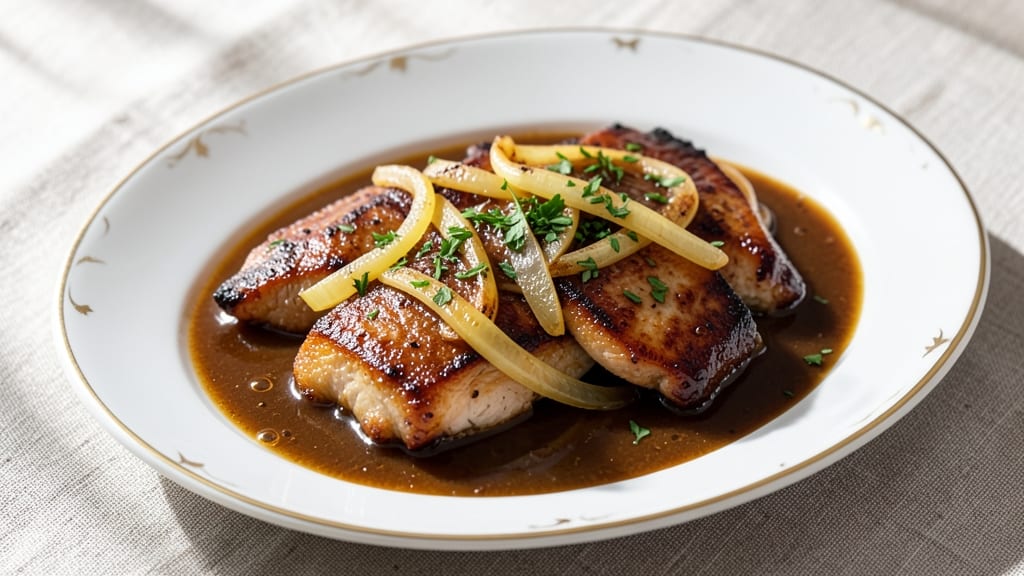
Mastering chicken liver and onions with gravy transforms humble ingredients into a restaurant-worthy dish that takes just 30 minutes—a technique I perfected during my apprenticeship under Chef Chen, where we elevated offal to gourmet status.
The secret lies in proper preparation: trimming the livers, searing them quickly over high heat, and building a rich pan sauce from the rendered fats and onions. This isn't just a side dish; it's a flavor bomb that turns simple weeknight dinners into memorable meals.
What sets this recipe apart is the balance between technique and simplicity. You'll need just five key ingredients—chicken livers, onions, butter, flour, and chicken stock—but the method demands precision. The livers must be seared evenly to avoid bitterness, while the onions should caramelize slowly to develop their natural sweetness.
The gravy, made from the pan drippings, becomes the star, rich and velvety with just the right amount of body. This is the kind of dish that feels indulgent yet remains approachable for home cooks.
By the time you plate this dish, you'll have perfectly cooked livers with tender, golden edges and a glossy pan sauce that clings to every bite. The onions will be sweet and caramelized, adding depth to each spoonful of gravy.
Serve it alongside roasted potatoes or crusty bread to soak up every last drop of that luxurious sauce. It's the kind of meal that makes you feel like you've just walked out of a high-end bistro—without the price tag.
For those who want to take it further, consider adding a splash of brandy to deglaze the pan or finishing the gravy with a touch of cream for extra richness.
The possibilities are endless, but the foundation remains the same: proper technique and quality ingredients. Let's get cooking—this dish is worth every minute of attention.
Ingredients for chicken liver and onions with gravy
Five ingredients transform humble offal into restaurant-worthy chicken liver and onions with velvety gravy.
| Ingredient | Amount | Notes |
|---|---|---|
| Chicken Livers 🍗 | 1 lb | Trimmed of connective tissue, rinsed |
| Yellow Onions 🧅 | 2 large | Peeled, sliced into 1/4-inch rings |
| Unsalted Butter 🧈 | ½ cup | Cold, cubed for searing |
| All-Purpose Flour 🌾 | 2 tbsp | For gravy thickening |
| Chicken Stock 💧 | 1 ½ cups | Homemade or quality low-sodium |
| Salt 🧂 | 1 tsp | Kosher or sea salt |
| Black Pepper 🌶️ | ½ tsp | Freshly ground for best flavor |
| Fresh Thyme Leaves 🌿 | ¼ cup | Chopped, or 1 tsp dried thyme |
| Brandy (optional) 🍷 | 2 tbsp | For deglazing, or substitute dry white wine |
| Heavy Cream (optional) 🥛 | ¼ cup | For finishing gravy, full-fat preferred |
The livers are the star—look for bright red, firm pieces at the meat counter, not the pre-packaged kind. Whole Foods or local butchers often have the freshest cuts, but the regular supermarket section works if they're properly refrigerated. Trim any connective tissue immediately after purchase (it's the #1 reason for bitterness) and rinse under cold water. For onions, yellow or pearl varieties caramelize best—avoid red or white. The butter should be cold and cubed when you start cooking; room temperature butter burns easily. Thyme is optional but adds depth—fresh is ideal, but dried works at one-third the amount.
No brandy? Dry white wine or extra chicken stock works perfectly for deglazing. Substituting cream? Whole milk or half-and-half lightens the gravy nicely, though it won't be as rich. The flour must be lightly toasted in the pan before adding liquid—this removes its raw taste and prevents a floury aftertaste. If your chicken stock is high-sodium, reduce it by half and add extra water. For a vegetarian version, swap livers for hearts of palm or extra mushrooms, but the technique remains identical.
Livers cook in minutes—no leftovers to store—but the gravy keeps beautifully. Portion into small containers for 3-4 days in the fridge or freeze for up to 3 months. Reheat gently on low heat, stirring constantly. The onions can be prepped ahead and stored in the fridge for 2 days before cooking. For a shortcut, par-cook the onions in the microwave for 2 minutes before searing—they'll caramelize faster. This dish reheats even better than it tastes fresh, so make extra gravy if you can.
Why You'll Love This Recipe
- Pan-Fry Perfection: I swear by this recipe—just 10 minutes of searing those livers in butter until they’re golden and crispy, then a quick flour toss to thicken that gravy. No fancy techniques, just a hot pan and a steady hand.
- Rich Umami Bomb: The moment those onions caramelize into the gravy, your kitchen smells like a bistro. The livers stay tender, the gravy clings like a hug, and that buttery richness? It’s the kind of flavor that makes you slow down and savor every bite.
- Budget Powerhouse: Honestly, chicken livers are one of the best-kept secrets for stretching a meal without breaking the bank. A pound feeds four, and the leftovers reheat beautifully—even better the next day when the flavors meld.
- Weeknight Workhorse: Between us, this is my go-to when I’m too tired for anything complicated. Toss in a baguette for dipping, and suddenly you’ve got a fancy-feeling dinner that took less time than ordering takeout. (Yes, even on a Tuesday night.)
Step-by-step instructions for chicken liver and onions with gravy
Here's the method that transforms delicate chicken livers into a restaurant-worthy dish with velvety gravy.
Prepare and Sear the Chicken Livers
Pat the 1 lb chicken livers completely dry with paper towels, removing any connective tissue or blood spots. This ensures they brown properly instead of steaming. Season generously with 1 tsp salt and 0.5 tsp black pepper on both sides, then let them sit at room temperature for 15 minutes.
Heat 0.25 cup of the 0.5 cup unsalted butter in a large skillet over medium-high heat until the butter foams but doesn't brown. Working in batches to avoid crowding, add the chicken livers and cook for 2-3 minutes per side until they reach an internal temperature of 145°F. The edges should be golden brown while the centers remain slightly pink—overcooking makes them tough. Transfer the cooked livers to a plate and tent with foil to keep warm.
Cook the Onions and Build the Gravy Base
In the same skillet (no need to wipe it clean—the browned bits are flavor), add the remaining 0.25 cup unsalted butter and the 2 large yellow onions sliced into ¼-inch rings. Cook over medium heat for 8-10 minutes, stirring occasionally, until the onions are tender and beginning to caramelize at the edges. This should leave about 2 tablespoons of butter fat in the pan.
Sprinkle the 2 tbsp all-purpose flour over the onions and stir vigorously for 1 minute to cook off the raw flour taste. Gradually whisk in the 1.5 cups chicken stock, scraping up any browned bits from the bottom of the pan. Add the 0.25 cup fresh thyme leaves and bring to a gentle simmer. If using, deglaze with 2 tbsp brandy and let it reduce by half before continuing.
Finish the Gravy and Combine
Return the chicken livers to the skillet and spoon the gravy mixture over them. Simmer gently for 3-4 minutes, allowing the livers to absorb the rich flavors while the gravy thickens to a velvety consistency. If the gravy becomes too thick, whisk in 1-2 tablespoons of water or stock to reach your desired texture.
For an extra-luxurious finish, stir in the 0.25 cup heavy cream (if using) and simmer for an additional 1-2 minutes. Taste and adjust seasoning with additional salt or pepper as needed. The gravy should coat the back of a spoon and cling beautifully to the chicken livers. Serve immediately over buttered egg noodles, mashed potatoes, or crusty toast to soak up every last drop.
Pro Tips For Making Chicken Liver And Onions With Gravy
- Scorch the Livers First: Hit the pan with high heat and sear the livers for 30-45 seconds per side before adding onions. This locks in flavor and prevents them from turning to mush later—no, they won’t be perfect on the outside, but that’s how you get that rich, caramelized depth.
- Trim the Fat, Keep the Good: Chicken livers bleed fat like crazy, and it’s easy to overlook the tiny white veins. Snip them out with kitchen scissors—yes, it’s tedious, but skipping this step means a greasy, unappetizing gravy. Save the trimmings for rendering if you’re feeling ambitious.
- Deglaze with Patience: After browning the livers, let the pan cool for 30 seconds before adding stock. The residual heat will help lift the fond, but rushing it means a thin, flavorless gravy. A splash of cold stock at the end also thickens things up nicely—trust me, it works.
- Bloom the Flour Cold: Toss in the flour after the onions are soft, then immediately add cold stock to the pan. This keeps the roux from cooking into a paste and ensures a silky, lump-free gravy. If the stock is hot, the flour will clump like glue—just wait a beat.
Best sauces and condiments for chicken liver and onions with gravy
Classic Pan Sauce
The foundation of this dish is the pan sauce, built directly from the rendered chicken liver fats and caramelized onions. After searing the livers, I never wipe the skillet—I scrape up those precious browned bits (fond) to create a deep, umami-rich base.
The key is patience: let the onions cook slowly over medium heat for 8-10 minutes until they develop a golden caramelization and the butter fat reduces into a glossy glaze. This isn't just flavor—it's the soul of the dish. 💛
Brandy Deglaze
For an elevated touch, I always deglaze with 2 tbsp brandy (or dry white wine) after cooking the onions. The alcohol burns off quickly, leaving behind a toasted, aromatic note that brightens the gravy.
If you're avoiding alcohol, use 1 tbsp lemon juice—it adds acidity to cut through the richness. The brandy should reduce by half before adding the stock, intensifying its flavor. This step is optional but transforms a good gravy into a restaurant-quality sauce.
Creamy Finish
For a luxurious texture, finish the gravy with ¼ cup heavy cream in the last 1-2 minutes of cooking. The cream adds silky mouthfeel while balancing the richness of the liver and onions. I prefer full-fat cream because it emulsifies better with the pan sauce, creating a velvety consistency.
For a lighter option, substitute with ½ cup whole milk—just know the gravy will be slightly thinner. Stir gently to avoid curdling.
Herb Variations
While thyme is traditional, I often experiment with fresh parsley or tarragon for brightness. A pinch of smoked paprika adds depth without overpowering, while fresh chives lend a delicate onion note. For a Southern twist, add ½ tsp cayenne to the gravy for subtle heat.
The herbs should be added after the stock simmers but before the cream, so their flavors meld into the sauce. Fresh is always best, but dried works in a pinch.
Vegetarian Adaptation
For a vegetarian version, swap the chicken livers for hearts of palm or extra mushrooms (like cremini or shiitake). The technique remains identical: sear first, then build the gravy from the pan drippings. I've even used firm tofu pressed and sliced into "liver-like" pieces—it absorbs the gravy beautifully.
The onions and butter base work just as well, proving this dish is about technique, not just the protein. 🌱
Nutrition facts
Frequently asked questions
Why do my chicken livers turn out bitter?
Bitter chicken livers usually come from connective tissue or overcooking. Always trim the livers thoroughly and cook them just until 145°F—they should be slightly pink in the center. For extra flavor, soak them in milk for 30 minutes before cooking to remove any bloodlines. Never overcrowd the pan, or they'll steam instead of sear.
Can I use beef or pork liver instead of chicken?
Yes, but adjust cooking times! Beef liver is 30% leaner than chicken and cooks faster (1-2 minutes per side), while pork liver needs 2-3 minutes per side. The gravy technique remains identical, but beef liver has a stronger flavor that pairs well with red wine instead of brandy.
How do I fix gravy that's too thin?
Thin gravy happens when the ratio of liquid to flour is off. Mix 1 tbsp flour with 1 tbsp cold water (called a slurry) and whisk it into the gravy while simmering. For every ½ cup of gravy, add 1 tbsp slurry at a time until it thickens. If it's still too thin, repeat the process—patience is key!
What's the best way to store leftover gravy?
Leftover gravy keeps beautifully in the fridge for 3-4 days or frozen for up to 3 months. Cool it completely before storing in airtight containers. To reheat, warm it over low heat while stirring constantly—never microwave, or it'll split. A splash of water or stock helps restore its silky texture.
Can I make this dish ahead of time?
Cook the livers and onions separately, then refrigerate them in separate containers. When ready to serve, reheat the livers gently in a pan with a little butter, then make fresh gravy using the stored onions. The gravy can also be pre-made and reheated—just thin it with stock if needed. This is a great make-ahead option for dinner parties!