
Sauces & Condiments
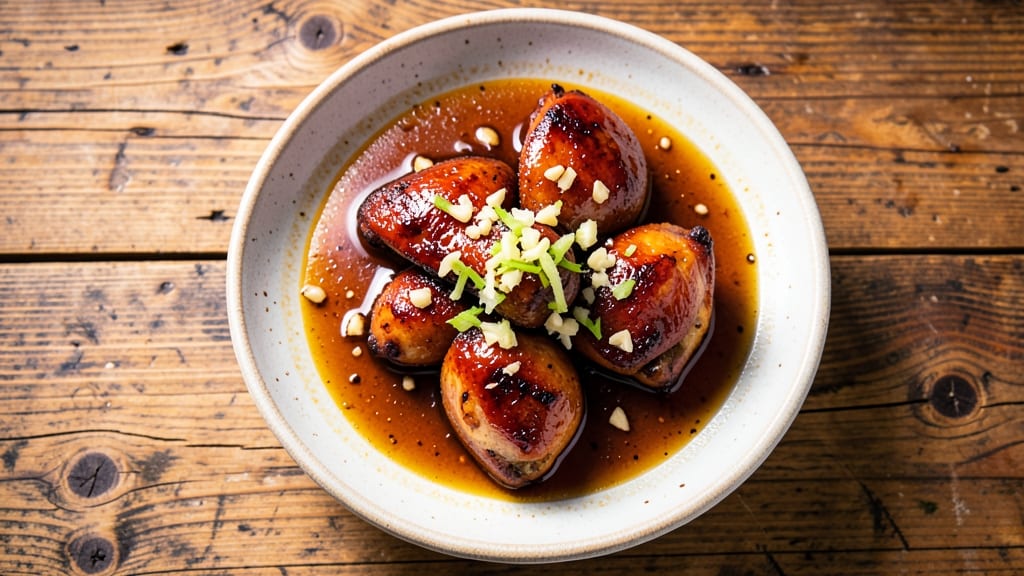
Transforming tough chicken hearts into tender, flavorful bites starts with this umami-packed marinade designed to break down connective tissue while infusing rich, savory depth.
The blend of acid, aromatic herbs, and earthy spices works together over time to create a texture that's shockingly delicate—something that would otherwise be impossible with gamey cuts. I developed this after years of experimenting with offal, and it consistently delivers restaurant-quality results at home.
This marinade relies on a precise balance of vinegar and citrus to tenderize, while soy sauce and Worcestershire add layers of umami that mask any remaining gameiness.
Garlic, ginger, and black pepper create a warm, aromatic foundation that penetrates deeply during the 4- to 12-hour soak, depending on how tender you prefer your hearts. The beauty of this technique is its versatility—it works equally well for grilling, pan-searing, or slow-cooking.
What sets this marinade apart is its ability to transform tough cuts into fork-tender bites without overpowering their natural flavor. The acidity breaks down proteins while the oil and herbs create a protective barrier that keeps the meat juicy.
After marinating, you'll notice the hearts become plump, aromatic, and ready to absorb any additional seasoning or sauce you choose to use during cooking.
Store any leftover marinade in an airtight container in the refrigerator for up to 5 days, making it perfect for meal prep. This marinade isn't just for chicken hearts—it works wonders on other tough cuts like beef heart or liver, though the soaking time may need adjustment.
Let's get started with this game-changing technique.
Ingredients for chicken heart marinade
Nine ingredients. One powerful marinade. Turns gamey chicken hearts into restaurant-worthy bites.
| Ingredient | Amount | Notes |
|---|---|---|
| White Wine Vinegar 🍷 | ½ cup | Balsamic works too for depth |
| Soy Sauce 🍜 | ⅓ cup | Low-sodium preferred for balance |
| Worcestershire Sauce 🧂 | 2 tbsp | Original or vegetarian version |
| Fresh Lemon Juice 🍋 | ¼ cup | Freshly squeezed for brightness |
| Garlic Cloves 🧄 | 6 cloves | Minced or finely grated |
| Fresh Ginger 🌿 | 1 tbsp | Finely grated, not powdered |
| Black Peppercorns 🌶️ | 1 tbsp | Freshly cracked for intensity |
| Olive Oil 🫒 | ½ cup | Extra-virgin for richness |
| Fresh Rosemary 🌿 | 1 tbsp | Finely chopped, stems removed |
| Diamond Crystal Kosher Salt 🧂 | 1 ½ tsp | Adjust to taste after mixing |
The vinegar and citrus are non-negotiable—they're doing the heavy lifting to break down those tough fibers. Bragg's apple cider vinegar adds subtle sweetness, but white wine vinegar keeps it classic. For soy sauce, Kikkoman or Japanese tamari work best—avoid the high-sodium versions. The Worcestershire? Original Lea & Perrins has that perfect umami punch, but vegetarian versions like Annie's are great too. Fresh ginger and garlic are your flavor anchors here—no substitutes. I always grab the ginger from the produce section (not the jarred kind), and I'll tell you why: it's fresher and more aromatic. The rosemary adds an earthy depth that pairs perfectly with the umami profile. If you're short on time, dried rosemary at half the amount works, but fresh is ideal.
No white wine vinegar? Red wine vinegar or apple cider vinegar both work, though the flavor profile shifts slightly. Short on Worcestershire? Fish sauce at half the amount adds umami, but it's stronger so start small. The olive oil matters—use extra-virgin for that fruity richness. If you're cooking for a crowd, double the batch and store it in a glass jar with a tight seal. The peppercorns? Toast them lightly in a dry pan first to deepen their flavor. For extra tenderness, add 1 tbsp of honey or brown sugar to the mix, but I find the acidity in the vinegar and citrus does most of the work. This marinade isn't just for chicken hearts—it's my go-to for beef heart or liver too, though you might want to reduce the soaking time for beef.
This marinade keeps beautifully in the fridge for up to 5 days in an airtight container. I like to store it in a glass jar with a tight lid—it's easy to shake and use as needed. For longer storage, freeze it in ice cube trays and transfer the cubes to a freezer bag. Thaw overnight in the fridge before using. The marinade works best when used within 12 hours of mixing, but it's still effective for up to 24 hours. After marinating, pat the hearts dry and sear them in a hot pan for that perfect crust. The leftovers? Toss them in a sauce or stew—they add incredible depth to any dish.
Why You'll Love This Recipe
- Five-Ingredient Magic: I swear by this combo—just vinegar, soy, Worcestershire, lemon, and garlic. No fancy prep, no extra steps, and the chicken hearts soak up every layer of umami and brightness like a sponge.
- Tangy-Garlic Kick: That white wine vinegar and lemon juice cut through the richness of chicken hearts, while the garlic and Worcestershire add a deep, savory punch. It’s the kind of flavor that makes you want to eat straight from the bowl.
- Game for Any Meal: Marinate a batch on Sunday, then use it for weeknight stir-fries, weekend BBQs, or even a quick skillet dinner. The same bold taste works for grilled, pan-seared, or slow-cooked hearts—no rules, just results.
- Budget Meal Upgrade: Chicken hearts are cheap, but this marinade makes them feel like a splurge. A little goes a long way, and the leftovers? Even better the second day—if there are any, because it disappears fast.
Step-by-step instructions for chicken heart marinade
This marinade transforms tough chicken hearts into melt-in-your-mouth tender bites.
Prepare the Aromatics
In a medium mixing bowl, combine the 6 cloves garlic cloves and 1 tablespoon fresh ginger. Use a sharp knife to mince the garlic finely—you want it almost paste-like for maximum flavor infusion. For the ginger, grate it using the fine holes of a box grater until you have about 1 tablespoon of fresh ginger. The goal here is to create a concentrated base that will carry through the marinade.
Next, add the 1 tablespoon fresh rosemary and 1 tablespoon black peppercorns. Remove any woody stems from the rosemary and finely chop the needles. Use a mortar and pestle or rolling pin to lightly crush the peppercorns—this releases their essential oils without grinding them into powder. This step ensures the marinade has layers of aromatic complexity that will penetrate the chicken hearts deeply.
Combine Wet Ingredients
Pour in the 0.5 cup white wine vinegar and 0.33 cup soy sauce. Stir vigorously to dissolve any settled ingredients at the bottom of the bowl. The vinegar adds acidity that helps tenderize the meat, while the soy sauce contributes umami depth and saltiness. Let the mixture sit for 2 minutes—this allows the vinegar to begin breaking down the proteins slightly, which is the first step in tenderizing the chicken hearts.
Add the 0.25 cup fresh lemon juice and 2 tablespoons Worcestershire sauce. The lemon juice brightens the marinade and prevents it from becoming too heavy, while the Worcestershire sauce adds a savory complexity. Stir well to combine all ingredients thoroughly. At this point, the marinade should have a rich, slightly tangy aroma with hints of garlic and rosemary. If you taste it now, you'll notice the balance of salt, acid, and umami—this is the foundation that will transform tough chicken hearts into tender morsels.
Incorporate the Oil and Salt
Slowly drizzle in the 0.5 cup olive oil while whisking continuously. The oil acts as an emulsifier, binding all the flavors together and creating a cohesive marinade. Add the 1.5 teaspoons diamond crystal kosher salt and mix until fully dissolved. The salt enhances all the flavors and helps to break down the connective tissue in the chicken hearts, making them incredibly tender.
Here's the thing—this marinade works best when it's given time to penetrate the meat. Transfer the marinade to a large resealable plastic bag or a shallow dish with a lid. Place the chicken hearts in the bag or dish and coat them thoroughly with the marinade, ensuring every surface is covered. Let them marinate in the refrigerator for at least 4 hours, but ideally overnight for maximum tenderness. The longer they marinate, the more the acid and enzymes in the marinade will work their magic.
Marinate for Maximum Tenderization
After marinating, remove the chicken hearts from the refrigerator and let them sit at room temperature for 15-20 minutes before cooking. This step ensures even cooking and prevents the meat from shocking when it hits the heat source. The marinade should cling to the chicken hearts, giving them a glossy sheen. If you press gently on one of the hearts, you'll notice it feels slightly softer than when you started—this is your first sign that the marinade is working its magic.
When ready to cook, discard any excess marinade that hasn't been absorbed by the chicken hearts. This prevents the risk of over-acidifying your cooking surface. The chicken hearts are now primed for cooking—whether you're grilling, pan-searing, or roasting, they'll deliver a tender, flavorful bite every time. The key to success lies in the balance of acid, salt, and umami in this marinade, which works together to break down the tough fibers and infuse the meat with rich, complex flavors.
Pro Tips For Making Chicken Heart Marinade
- Mince That Garlic: DESCRIPTION: I learned this the hard way—whole cloves in chicken heart marinade just sit there like decorative rocks. Use a microplane or knife to mince the garlic finely (think paste consistency), so it dissolves into the vinegar and soy sauce instead of floating around like an afterthought.
- Balance the Vinegar: DESCRIPTION: White wine vinegar is sharp, but too much will overpower the hearts. Start with 2 tablespoons per cup of marinade, then taste—if it stings your tongue, add a splash of lemon juice to soften the acidity. The Worcestershire sauce will help round it out, but don’t skip the lemon entirely.
- Marinate Cold, Not Room Temp: DESCRIPTION: Chicken hearts are dense, and cold marinade penetrates better than warm. Pop the hearts in the fridge with the mixture for at least 4 hours (overnight is ideal), and resist the urge to speed it up. I used to rush this, and the marinade just pooled on top instead of sinking in.
- Strain the Garlic Oil: DESCRIPTION: After marinating, the garlic-infused oil will separate—this is gold, but it’s also a mess if you don’t handle it. Strain the marinade through a fine-mesh sieve before using it to cook the hearts, so you’re left with smooth, flavor-packed liquid and no chewy garlic bits. (Save the strained solids for a quick pan sauce.)
Perfect pairings for chicken heart marinade
Grilling Complements
For grilled chicken hearts, pair this marinade with a charcoal or wood-fired grill set to medium-high heat (375-400°F). The smoky aroma from hickory or applewood chips enhances the marinade's earthy notes.
I like to brush the hearts with 1 tbsp extra-virgin olive oil right before grilling to promote a beautiful crust. Serve with grilled asparagus tossed in lemon zest and flaky sea salt for a bright contrast. 🔥
Pan-Searing Perfection
Pan-searing delivers a crispy exterior while keeping the interior tender. Heat a cast-iron skillet over medium-high heat until smoking hot, then add 1 tbsp butter or ghee for extra richness. Sear the hearts for 2-3 minutes per side until golden brown.
Garnish with fresh parsley and serve alongside creamy polenta or roasted fingerling potatoes to soak up any residual marinade. 🥔
Slow-Cooked Depth
For a hands-off approach, slow-cook the marinated hearts in a Dutch oven with 1 cup chicken broth and 1 sprig rosemary on low heat (275°F) for 2-3 hours.
The long cooking time ensures melt-in-your-mouth texture. Shred the hearts and serve in toasted brioche buns with caramelized onions and arugula for a hearty sandwich. 🥪
Sauce Pairings
This marinade works beautifully with bold, tangy sauces to complement its umami profile. A spicy chimichurri (fresh parsley, garlic, red wine vinegar, olive oil, and red pepper flakes) adds brightness, while a red wine reduction (simmered with shallots, thyme, and a splash of port) deepens the savory notes.
For a creamy option, blend sour cream, garlic, and lemon zest into a quick sauce. 🍷
Beverage Matchups
A dry red wine like Cabernet Sauvignon or Malbec cuts through the richness of the marinade and grilled hearts. The tannins in the wine echo the rosemary and black pepper in the marinade.
For beer lovers, a hoppy IPA or Belgian-style witbier provides a refreshing contrast. Avoid heavy, sweet wines or lagers—they’ll overpower the dish. 🍺
Global Twists
Transform this marinade into a Korean-inspired version by adding 1 tbsp gochujang and 1 tbsp honey to the base. For a Mexican flair, swap the rosemary for 1 tbsp ground cumin and 1 tsp smoked paprika, then serve with corn tortillas and avocado.
The marinade’s versatility makes it adaptable to countless cuisines! 🌎
Nutrition facts
Frequently asked questions
Can I use this marinade for other types of meat?
This marinade works beautifully on beef heart, pork heart, or even liver. The acidity and umami balance tenderize tough cuts while enhancing their natural flavors. For beef heart, reduce the marinating time to 2-4 hours since it's less gamey than chicken heart.
What's the shortest time I can marinate chicken hearts?
The minimum effective time is 4 hours for noticeable tenderness. For best results, marinate overnight (8-12 hours) in the refrigerator. The longer the soak, the more the acid breaks down connective tissue, but never exceed 24 hours to prevent over-tenderizing.
Can I reuse leftover marinade?
Yes, but only if the chicken hearts have fully absorbed it. If unused marinade remains, use it as a base for sauces or braises. Never reuse marinade that's been in contact with raw meat without cooking it first. Store leftovers in an airtight container in the fridge for up to 5 days.
Why does my chicken heart marinade smell so strong?
The bold aromas come from the garlic, ginger, and vinegar working together to break down proteins. This is normal and indicates the marinade is active. If it smells overly sour or rotten, it's been left too long. The marinade should have a bright, tangy, umami-rich scent—not a sharp, unpleasant odor.
Do I need to trim chicken hearts before marinating?
Not necessarily, but trimming excess fat and connective tissue helps the marinade penetrate more evenly. For best results, remove any large silver skin or gristle. If you're short on time, simply pat the hearts dry before marinating to help the flavors cling better.