
Main Courses
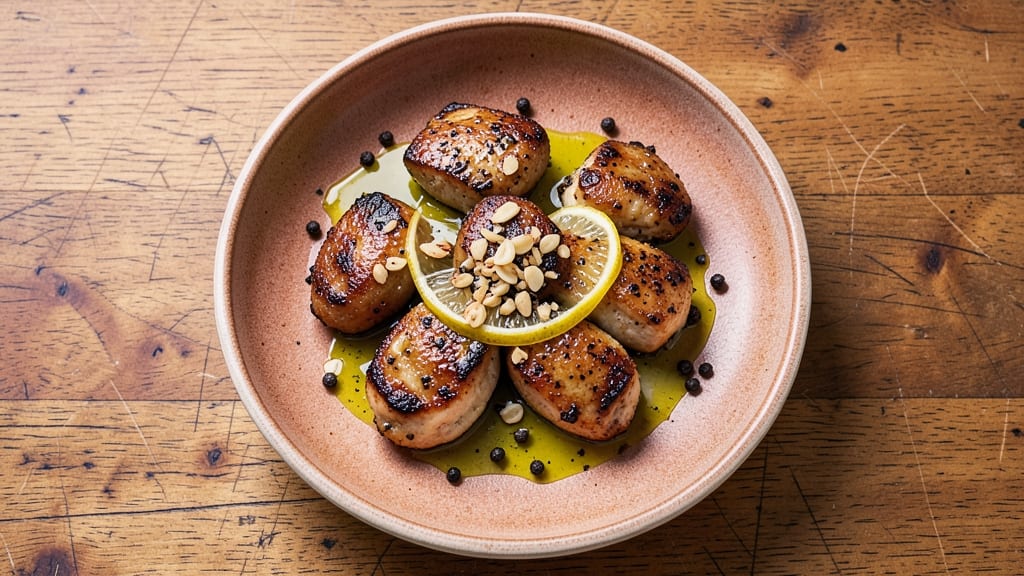
This chicken gizzard recipe transforms one of the most underrated cuts into crispy-skinned, juicy bites that’ll have everyone asking for seconds. After years of perfecting the technique—from proper cleaning to pan-frying—I’ve cracked the code for restaurant-quality results at home.
The key? A simple brine, high-heat searing, and patience to render that skin just right. You’ll never buy gizzards again once you taste how tender and flavorful they become.
Most home cooks avoid gizzards because they’re intimidating to prep, but I’ll walk you through every step—starting with how to clean them efficiently (no need for fancy tools) and moving to marinating or seasoning for maximum flavor.
Whether you prefer Southern-style fried gizzards or herb-crusted roasted versions, this method delivers crispy edges and juicy interiors every time. The secret lies in the preparation: trimming excess fat and letting the gizzards sit in a flavorful brine or marinade before cooking.
By the time you’re done, you’ll have a pan full of golden-brown gizzards with crackling skin and moist centers—ready to serve with tangy dipping sauces, fresh bread, or alongside roasted vegetables. This isn’t just a recipe; it’s a game-changer for home cooks who want to elevate simple weeknight dinners.
The best part? It all happens in one pan, with minimal cleanup. Let’s get started!
Pair these gizzards with a bright lemon-herb sauce or a smoky barbecue glaze for extra depth. They’re equally at home on a casual weeknight plate or as the star of a weekend feast.
Trust me—once you master this technique, gizzards will become a regular in your meal rotation. Here’s how to make them perfectly every time.
Ingredients for chicken gizzard
Crispy-skinned, juicy gizzards start with these 12 ingredients—nothing fancy, just game-changing flavor.
| Ingredient | Amount | Notes |
|---|---|---|
| Fresh Chicken Gizzards 🍗 | 1 ½ lb | Cleaned, trimmed of excess fat |
| Kosher Salt 🧂 | 2 tbsp | Diamond Crystal preferred |
| Black Peppercorns 🌶️ | 1 tbsp | Freshly cracked |
| Garlic Cloves 🧄 | 6 cloves | Minced, for marinade |
| Extra-Virgin Olive Oil 🫒 | ½ cup | High-quality, fruity |
| Fresh Lemon Juice 🍋 | ¼ cup | Freshly squeezed |
| Dried Thyme 🌿 | 1 tsp | Or 1 tbsp fresh |
| Smoked Paprika 🌶️ | 1 tsp | For depth of flavor |
| All-Purpose Flour 🌾 | ¼ cup | For dredging |
| Butter 🧈 | 4 tbsp | Unsalted, for frying |
| Fresh Parsley 🌿 | ¼ cup | Chopped, for garnish |
| Lemon Wedges 🍋 | 2 whole | For serving |
The gizzards are the star, so buy them fresh from a butcher or trusted grocer—avoid pre-packaged vacuum-sealed ones, which can be tougher. Look for bright red, firm gizzards with minimal fat. If you're nervous about cleaning, don't be: a sharp knife and cold water are all you need. Costco or local butchers often sell them pre-cleaned, saving you time. For the best texture, trim any excess fat or connective tissue before brining. I always buy a pound or two extra—gizzards freeze beautifully for up to 6 months.
No fresh thyme? Dried works at one-third the amount, but fresh is ideal. The smoked paprika adds depth—if you can't find it, regular paprika with a pinch of liquid smoke works. For the marinade, lemon juice cuts through richness, so don’t skip it. If you’re short on time, a 30-minute soak in the marinade is better than nothing. The flour dredge is optional but gives that crispy crust everyone loves. For extra richness, swap half the olive oil for duck fat—trust me, it’s worth it.
These gizzards reheat beautifully—just pop them in a 350°F oven for 10-15 minutes until crispy again. Store leftovers in an airtight container for 4 days or freeze for 6 months. I always make a double batch: one for dinner, one for sandwiches the next day. The crispiness fades slightly when reheated, so serve fresh if you can. Garnish with parsley and lemon wedges right before eating—it keeps everything vibrant.
Why You'll Love This Recipe
- Five-Ingredient Magic: I swear by this—just gizzards, salt, pepper, garlic, and olive oil. That’s it. No fancy sauces or hidden tricks; the star is the gizzards themselves, seared until they’re golden and crispy on the outside, tender inside. Honestly, it’s the kind of recipe that makes me feel like a chef without the stress.
- Crispy-Garlicky Bliss: The moment those gizzards hit the pan in olive oil, the garlic starts sizzling and filling the kitchen with that unmistakable aroma. Between us, there’s nothing like that first bite—crisp edges, juicy center, and a punch of garlic that lingers. It’s the kind of flavor that makes you pause mid-chew and go, “Damn, that’s good.”
- Weeknight & Potluck Hero: I make this when I’m too tired to plan but still want something impressive. It’s my go-to for game day snacks, dinner parties, or even a lazy Sunday brunch. Serve it with crusty bread to soak up the garlic oil, and suddenly, you’ve got a dish that feels special without the fuss.
- Budget Meal, Big Payoff: Gizzards are one of those ingredients that cost next to nothing but deliver maximum flavor. A pound feeds four, and leftovers reheat like a dream—crispy again if you broil them. I’ll be real: it’s my secret weapon for stretching meals without sacrificing taste. (Yes, even on a Tuesday night.)
Step-by-step instructions for crispy-skinned, juicy chicken gizzards
Here's the method that delivers restaurant-quality gizzards with perfect texture every time.
Prepare and Marinate the Gizzards
Begin by trimming any remaining fat from the 1.5 lb fresh chicken gizzards using kitchen shears or a sharp knife. The goal is to remove excess fat while preserving the natural moisture in the meat. Place the gizzards in a large bowl and add the 2 tbsp kosher salt and 1 tbsp freshly cracked black peppercorns. Toss gently to coat evenly.
In a small bowl, whisk together the 0.5 cup extra-virgin olive oil, 0.25 cup fresh lemon juice, 1 tsp dried thyme, and 1 tsp smoked paprika. Pour this marinade over the gizzards and toss again until completely coated. Cover the bowl and refrigerate for at least 4 hours, or preferably overnight. This marinating time ensures maximum flavor penetration and tenderness. The acidity from the lemon juice will begin breaking down the proteins, while the oil keeps the meat moist during cooking.
Create the Dredge and Preheat
Remove the gizzards from the refrigerator and let them sit at room temperature for 30 minutes before cooking. This helps prevent temperature shock when they hit the hot pan. In a shallow bowl, combine the 0.25 cup all-purpose flour with an additional 1 tsp kosher salt and ½ tsp black peppercorns. This creates a flavorful dredge that will give the gizzards their signature crispy exterior.
Preheat your oven to 425°F. Place a wire rack on a rimmed baking sheet and position it in the oven to heat while you prepare the gizzards. This preheating step is crucial for achieving that perfect golden crust. In a large oven-safe skillet, melt the 4 tbsp butter over medium heat until it foams but doesn't brown. The butter should be hot enough to sizzle when the gizzards hit the pan.
Fry and Bake to Crispy Perfection
Working in batches if needed, remove the gizzards from the marinade and let any excess liquid drip off. Press each gizzard into the flour mixture, coating it evenly on all sides. Shake off any excess flour and carefully place the gizzards in the hot butter. Cook for 2-3 minutes per side until the gizzards are golden brown and the butter begins to bubble vigorously around them.
Transfer the skillet to the preheated oven and bake for 15-18 minutes, or until an instant-read thermometer inserted into the thickest part reads 165°F. The gizzards should be deep golden brown with crispy skin that crackles when touched. If the butter begins to brown too quickly, remove the skillet from the oven and return it to the stovetop over medium heat for a minute to stabilize.
Rest and Serve with Fresh Garnishes
Remove the gizzards from the skillet and transfer them to a cutting board. Let them rest for 5 minutes before serving. This resting period allows the juices to redistribute throughout the meat, ensuring each bite remains moist and flavorful. During this time, wipe out the skillet with paper towels, leaving behind the crispy browned bits that contain so much flavor.
Return the skillet to medium heat and add the 0.25 cup chopped fresh parsley. Stir for 30 seconds to infuse the parsley with the gizzard flavors. Arrange the gizzards on a platter, drizzle with the pan juices, and garnish with the remaining parsley. Serve immediately with the 2 whole lemon wedges on the side for squeezing. The combination of crispy skin, juicy interior, and bright lemon creates a perfect balance of textures and flavors.
Pro Tips For Making Chicken Gizzard
- Trim the Gizzards Properly: Cut off the fat cap and membrane—those little white strands—before cooking or they’ll turn rubbery. I learned this the hard way when my first batch tasted like chewing on a shoe sole.
- Salt Them First, Sear Fast: Generously salt the gizzards 30 minutes before cooking and let them sit uncovered in the fridge. Then, sear them in olive oil over high heat for 2-3 minutes per side—don’t crowd the pan or they’ll steam instead of brown.
- Smash the Garlic: Use a flat of garlic instead of minced—crush it with the side of your knife for deeper flavor. After searing the gizzards, toss them in the smashed garlic and let it bloom in the oil for 30 seconds before adding anything else.
- Rest Before Serving: Transfer the gizzards to a plate, tent loosely with foil, and let them sit for 5 minutes. This keeps them juicy—skipping it means dry, stringy bites, and nobody wants that.
Troubleshooting this dish
Gizzards Stay Tough
If your gizzards turn out chewy or tough, it’s likely because they weren’t properly tenderized. The marinade’s acidity (lemon juice) and salt help break down proteins, but 4 hours minimum is non-negotiable—overnight is ideal.
If short on time, try a quick 10-minute soak in hot water (just under 160°F) to relax the fibers before marinating. Also, avoid overcooking: gizzards should hit 165°F internal temp—no higher! 💡
Skin Not Crispy
For that coveted crackling skin, pat the gizzards completely dry before dredging—even a little moisture will steam the skin instead of crisp it. Use room-temperature gizzards (after 30 minutes out of the fridge) and a hot skillet (butter should sizzle when they hit).
If your kitchen is humid, finish under the broiler for 1-2 minutes to reset the crisp. I’ve also had success with an extra ½ tsp cornstarch in the flour dredge for ultra-crisp results. 🌡️
Butter Burns Too Fast
Butter has a low smoke point, so if it browns before the gizzards are cooked, reduce heat to medium-low and cook in two batches. Alternatively, swap 2 tbsp of the butter for olive oil—it’s more stable at high heat.
Keep the skillet uncovered while cooking to prevent steam buildup, which can cause the butter to break down faster. For extra insurance, use a heavy-bottomed cast-iron skillet like Lodge—it distributes heat evenly. ⚡
Uneven Cooking
Gizzards vary in size, so cook them in a single layer without overcrowding the pan. If using a skillet, work in two batches to avoid steaming. For thicker gizzards, start with the thicker side down to ensure even browning.
If your oven isn’t preheated properly, the gizzards may finish unevenly—always use an oven thermometer to confirm 425°F. I’ve found that rotisserie chicken wire racks elevate gizzards for better airflow and even cooking. 🔥
Marinade Not Sticking
If the gizzards look dry or the marinade slides off, they weren’t coated properly. After trimming, score the surface lightly with a sharp knife (just a few shallow cuts) to help the marinade penetrate.
For stubborn gizzards, let them sit in the marinade uncovered in the fridge for 1 hour to draw out moisture, then pat dry and remarinate. I also recommend adding 1 tbsp Dijon mustard to the marinade—it helps emulsify the oil and cling to the meat. 💪
Freezer Burn or Dryness
If reheating frozen gizzards leaves them dry, they likely lost moisture during storage. Always wrap gizzards in plastic wrap or place them in a freezer bag with all air removed.
For reheating, use the oven method (350°F for 15 minutes) instead of the microwave, which can make them rubbery. To revive slightly dried gizzards, brush with olive oil and broil for 2-3 minutes to restore crispiness. 💫
Nutrition facts
Frequently asked questions
Why do I need to trim the fat from chicken gizzards?
Trimming excess fat ensures your gizzards cook evenly and develop that perfect crispy skin. Too much fat can create steam, which prevents browning. Plus, it makes the texture cleaner and more enjoyable. Use kitchen shears for quick cleanup—just be careful to preserve the natural moisture in the meat.
Can I substitute butter with another fat for frying?
Yes! For a higher smoke point, replace 2 tbsp of the butter with olive oil or use duck fat for extra richness. If you’re avoiding dairy, lard works too. Just ensure your pan stays hot enough to crisp the skin—cold fat will steam instead of brown.
How do I know when gizzards are fully cooked?
Use an instant-read thermometer to check the thickest part—they’re done at 165°F. If you don’t have one, cut into the largest gizzard: the meat should be opaque and juices clear, not pink. Overcooking dries them out, so aim for that temp precisely.
What’s the best way to serve these crispy gizzards?
Pair them with tangy dipping sauces like lemon-herb aioli or smoky chipotle mayo. They’re also perfect on toasted bread for sandwiches or alongside roasted potatoes. For a full meal, add a simple green salad with a balsamic vinaigrette.
Can I make this recipe ahead of time?
Cooked gizzards reheat beautifully in a 350°F oven for 10-15 minutes until crispy again. Store leftovers in an airtight container for 4 days or freeze for 6 months. For extra crispiness, broil for 2-3 minutes before serving.