
Main Courses
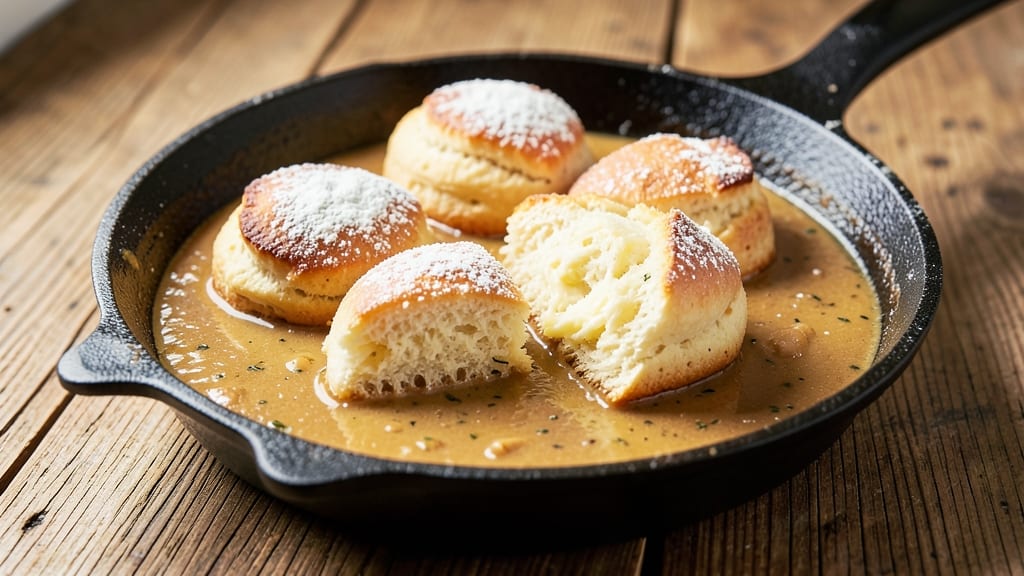
My grandmother’s legendary Campbell’s cream of chicken and biscuits recipe turned a humble can of soup into a golden, flaky masterpiece—one I still struggle to replicate.
This recipe delivers that same soul-warming satisfaction with minimal effort, combining rich gravy with tender biscuits in a single dish that feels like a hug on a plate. The secret lies in thickening the soup just enough to create a velvety sauce that clings to every bite of flaky biscuit.
What makes this recipe truly foolproof is the one-pan approach, where the biscuits bake directly in the gravy, absorbing all that creamy, savory goodness without a single extra dish to wash.
I developed this method during a particularly busy week when I needed dinner on the table in under 30 minutes—no shortcuts, just smart layering of flavors and textures.
The biscuits stay soft and pillowy while the gravy thickens into a restaurant-quality sauce, all thanks to a simple cornstarch slurry that works every time.
By the time you serve this dish, your kitchen will smell like Sunday dinner, and everyone at the table will be reaching for seconds. The contrast of tender biscuits cutting through the rich, slightly tangy gravy creates a balance that’s impossible to resist.
This is the kind of meal that turns ordinary weeknights into special occasions, all while keeping prep simpler than takeout. Let’s get cooking—your taste buds (and your dinner guests) will thank you.
Perfect for feeding a crowd or a quiet family dinner, this recipe scales effortlessly while maintaining that cozy, homemade feel. Pair it with a simple green salad or steamed vegetables to round out the meal, or serve it as-is for maximum comfort.
The beauty of this dish is in its adaptability—whether you’re hosting or just craving a taste of home, this one-pan wonder delivers every time.
Ingredients for campbell's cream of chicken and biscuits
Pantry staples plus a few key ingredients for that nostalgic, creamy, one-pan magic.
| Ingredient | Amount | Notes |
|---|---|---|
| Campbell's Cream of Chicken Soup 🍲 | 2 cans | Condensed, 10.5 oz each |
| All-Purpose Flour 🌾 | 2 cups | Plus 2 tbsp for biscuits |
| Baking Powder 🍞 | 2 tbsp | Aluminum-free preferred |
| Salt 🧂 | 1 tsp | Plus extra for dough |
| Unsalted Butter 🧈 | ¾ cup | Cold, cubed for biscuits |
| Whole Milk 🥛 | ½ cup | Full-fat for richness |
| Cornstarch 🌾 | 2 tbsp | For gravy thickening |
| Fresh Parsley 🌿 | 2 tbsp | Chopped, for garnish |
| Garlic Powder 🧄 | 1 tsp | For biscuit flavor |
| Black Pepper 🌶️ | ½ tsp | Freshly ground |
| Sharp Cheddar Cheese 🧀 | ½ cup | Shredded, optional topping |
The Campbell's cream of chicken soup is non-negotiable here—it's the soul of the dish. Grab the condensed version (not the ready-to-serve kind) from any grocery store, but check the expiration date. Costco often has bulk deals if you're making this regularly. For the biscuits, King Arthur flour or Bob's Red Mill all-purpose flour gives the best rise, but store-brand works fine. The baking powder needs to be fresh—if it's more than six months old, toss it. I always keep a small box in my pantry for biscuits and pancakes.
No cornstarch? All-purpose flour works at double the amount—just whisk it with cold water first. Running out of milk? Heavy cream makes the biscuits extra tender, but whole milk is what Grandma used. Want to skip the cheese? A sprinkle of crumbled bacon or green onions adds a nice contrast. The parsley is just for color—skip it if you're in a hurry. For the biscuits, don't overwork the dough—just fold and cut. The secret to flaky layers is keeping that butter cold (trust me on this).
The soup keeps for 3 months unopened, but once you crack a can, use it within 5 days. Store the biscuit dough in the fridge for up to 2 days—wrap it tightly in plastic to keep it from drying out. Leftovers reheat beautifully in the oven at 350°F for 15 minutes—just cover with foil. I always make a double batch of biscuits and freeze half. Portion them into a ziplock bag with parchment between layers, and they'll stay fresh for up to 3 months.
Why You'll Love This Recipe
- Pantry-to-Table Magic: I swear by this recipe when I forget to meal prep—just crack open a can of soup, mix in flour and butter, and boom, dinner’s ready. The biscuits? Three ingredients, no rolling required—just dump, pat, and bake.
- Creamy-Crispy Harmony: That buttery biscuit crust soaking into the rich, velvety soup? It’s the kind of combo that makes you close your eyes mid-bite. The baking powder gives them just enough lift to balance the soup’s depth.
- Lunchbox Hero: Pack these for work or school—they reheat beautifully (microwave or oven, no judgment). Honestly, my kids would rather take these than a sandwich, and they’re not even picky eaters.
- Budget Win: A single can of soup and a stick of butter stretch to feed four for under $5. Leftovers? Even better cold, straight from the fridge—no reheating needed. My wallet and I both approve.
Step-by-step instructions for cream of chicken and biscuits
This one-pan wonder delivers homestyle comfort with tender biscuits and velvety gravy.
Prepare the Cream of Chicken Gravy
Preheat your oven to 425°F. In a large cast-iron skillet or oven-safe pan, melt the 0.75 cup unsalted butter over medium heat until it foams. Pour in the 2 cans Campbell's Cream of Chicken Soup and stir to combine. The mixture will bubble gently—let it simmer for 3-4 minutes until slightly thickened.
In a small bowl, whisk together the 2 tbsp cornstarch with 2 tablespoons of the whole milk until smooth. Slowly pour this mixture into the simmering soup while stirring constantly. The gravy will thicken dramatically—keep stirring for another 2 minutes until it reaches a creamy, spoonable consistency. If it thickens too much, add the remaining 0.25 cup whole milk to reach your preferred texture. Here's the thing—this gravy is the heart of your dish, so don't rush the thickening process.
Make the Biscuit Dough
In a large mixing bowl, combine the 2 cups all-purpose flour, 2 tbsp baking powder, 1 tsp salt, 1 tsp garlic powder, and 0.5 tsp black pepper. Whisk until evenly distributed—this ensures your biscuits will have that perfect flaky texture. Cut in the 0.75 cup cold unsalted butter using a pastry cutter or your fingers until the mixture resembles coarse crumbs with pea-sized butter pieces throughout.
Make a well in the center and pour in the remaining 0.25 cup whole milk. Using a fork or wooden spoon, gently mix just until the dough comes together. Be careful not to overwork it—you're aiming for a soft, slightly sticky dough that holds its shape when pressed. Turn the dough out onto a lightly floured surface and knead it just 3-4 times until smooth. This quick kneading develops the gluten enough for structure without making the biscuits tough.
Assemble and Bake the Biscuits
Roll the dough to about 1-inch thickness and cut out 6 biscuits using a 2.5-inch round cutter. Place them directly on top of the creamy gravy in your skillet, spacing them evenly. The residual heat from the gravy will help them rise beautifully. Sprinkle the 0.5 cup shredded sharp cheddar cheese evenly over the biscuits—this adds a delicious cheesy pull that everyone will love.
Transfer the skillet to the preheated oven and bake for 18-20 minutes until the biscuits are golden brown on top and the edges are set. You'll know they're done when they've puffed up nicely and the cheese is melted and bubbly. If the gravy starts to bubble over, that's normal—just give it a quick stir to prevent spillage. The aroma filling your kitchen at this point is pure comfort food magic.
Finish and Serve
Remove the skillet from the oven and let the biscuits rest for 2 minutes before serving. This resting time allows the biscuits to set slightly and makes them easier to handle. Use a spatula to gently loosen any biscuits that stuck to the pan. The gravy should be thick and creamy—if it's separated, simply stir vigorously to re-emulsify it.
Garnish with the 2 tbsp chopped fresh parsley just before serving. The bright green color contrasts beautifully with the golden biscuits and creamy gravy. Serve immediately while everything is warm and bubbly. Each bite delivers that perfect combination of flaky, buttery biscuit with rich, comforting gravy—this is the kind of meal that makes you feel right at home.
Pro Tips For Making Campbell'S Cream Of Chicken And Biscuits
- Chill the Butter: Take that cold block of unsalted butter straight from the fridge—no thawing, no softening. Cut it into small cubes and toss them into the flour mix while your hands are still cold. This keeps the biscuits flaky and tender, not greasy. I used to skip this, and the biscuits turned out like hockey pucks.
- Measure Flour Right: Spoon that flour into your measuring cup, then level it off with a knife. Packing it down just to fill the cup traps too much air, and your biscuits will end up dense. I learned this the hard way after making a batch that looked more like pancakes than biscuits.
- Don’t Overmix the Dough: Stir the butter and flour together just until the mixture resembles coarse crumbs with a few pea-sized wet spots. Overworking it develops gluten, and your biscuits will turn out tough instead of light. Think "rustic," not "perfectly blended."
- Heat the Pan Slow: Warm your skillet or griddle over medium heat—low enough that you can hold your hand an inch above it for about 3 seconds. Too hot, and the bottoms burn before the tops cook through. I was skeptical until I tried it, and now I never rush this step.
Common mistakes when making this dish
Over-Thickened Gravy
I've ruined more gravies than I care to admit by over-thickening them, and this one is no exception if you're not careful. The cornstarch slurry needs to be added gradually while stirring constantly—don't dump it all at once.
If your gravy becomes too thick, a splash of warm milk can rescue it, but it's better to add the cornstarch slowly from the start. The gravy should coat the back of a spoon but still be pourable, not glue-like. 🌡️
Underbaked Biscuits
Nothing's worse than serving biscuits that collapse when you cut into them. The key is baking them until they're golden brown and firm to the touch—about 18-20 minutes at 425°F.
I've learned the hard way that peeking too early leads to underdone biscuits. If the tops aren't golden, they need more time. The internal temperature should reach 190°F for perfect doneness.
Dough Overworking
I once made biscuits so tough they could've been used as building materials. The secret is minimal handling—just mix until the dough comes together, then turn it out and knead it 3-4 times.
Overworking develops too much gluten, resulting in dense, chewy biscuits. Remember, this is comfort food, not bread—keep it tender and flaky. 🍞
Uneven Biscuit Sizes
Using a 2.5-inch round cutter ensures consistent baking, but I've seen biscuits turn out lopsided when cutters are too small or irregular. Press straight down without twisting, and don't crowd them in the pan.
I like to space mine about ½ inch apart so they rise properly. Uneven sizes mean uneven baking, which leads to some biscuits being undercooked while others burn.
Skipping the Resting Time
I used to rush this step, thinking the biscuits would be better served immediately. Big mistake! Letting them rest for 2 minutes after baking helps them set and makes them easier to serve without falling apart.
The gravy also settles slightly, making it easier to spoon. Patience here pays off in perfect texture every time.
Using Warm Butter
This is a cardinal sin in biscuit-making. Cold butter creates those beautiful flaky layers, while warm butter makes biscuits dense. I keep my butter in the freezer for 15 minutes before using it, then cut it into small cubes.
The butter should be firm but not rock-hard—just soft enough to cut with a knife. This simple step makes all the difference in texture. 🧈
Nutrition facts
Frequently asked questions
Can I make this recipe without Campbell's Cream of Chicken Soup?
While Campbell's is ideal for that classic flavor, you can substitute with homemade chicken gravy or another cream-based soup like cream of mushroom. For best results, use a similar thickness and richness level. Just reduce any liquid by simmering longer if needed to match the recipe's consistency. The biscuits will still work perfectly!
How do I keep my biscuits from getting tough?
Cold butter is your secret weapon! Keep it chilled and cut it into small pieces when mixing into the dough. Also, handle the dough minimally—just combine until it forms, then roll and cut immediately. Overworking develops gluten, which makes biscuits dense. The 2-minute rest after baking is crucial too—don't skip it!
Can I prepare this ahead of time?
Make the biscuit dough up to 2 days ahead and refrigerate it wrapped tightly. For the gravy, prepare it completely and refrigerate in an airtight container for up to 3 days. Reheat gently on the stove, then assemble with fresh biscuits before baking. The flavors actually improve overnight!
What's the best way to reheat leftovers?
Oven reheating preserves the best texture. Cover with foil and warm at 350°F for 15 minutes. For microwave reheating, cover with a damp paper towel and heat in 30-second intervals, stirring between each. The gravy may separate slightly—just stir vigorously to restore its creamy consistency.
Can I make this vegetarian?
Yes! Replace the Campbell's Cream of Chicken Soup with a vegetable-based cream soup like cream of celery or mushroom. For extra richness, add ½ cup vegetable broth to the gravy. The biscuits remain exactly the same—this swap keeps all the comforting flavors while making it plant-friendly.