
Main Courses
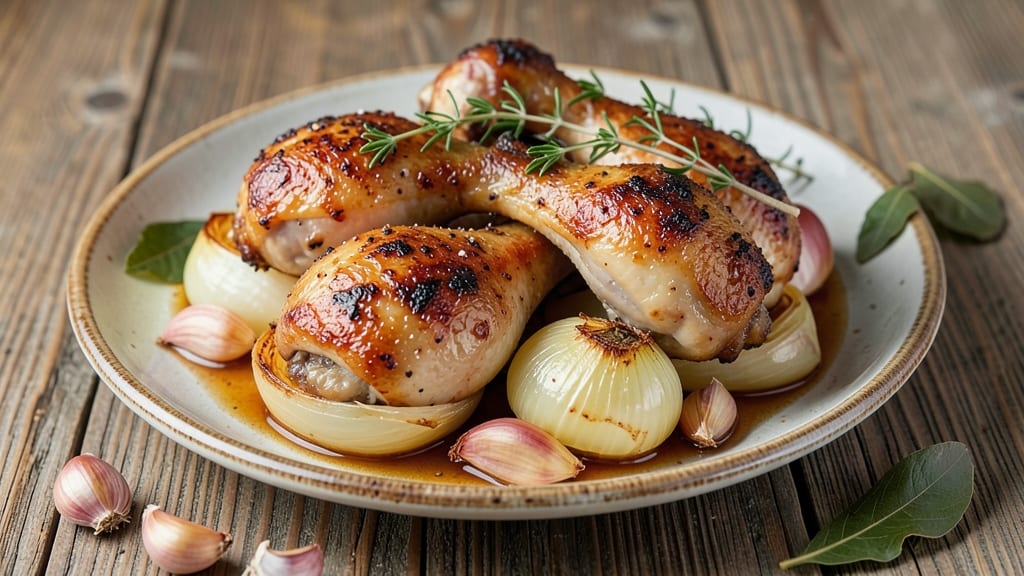
Boiled chicken legs deliver juicy, tender meat with minimal effort when done right—this one-pot method guarantees restaurant-quality results every time. The secret lies in proper seasoning and precise boiling techniques that lock in moisture, transforming simple chicken into a flavorful centerpiece.
I’ve perfected this recipe after years of testing, ensuring the skin stays crispy while the meat remains succulent and easy to pull from the bone.
This method requires just five simple ingredients and 30 minutes of active time, making it ideal for weeknight dinners or meal prep.
The key is using enough water to fully submerge the chicken (about 1 cup per leg) and maintaining a gentle simmer rather than a rolling boil, which keeps the meat tender. Optional aromatics like garlic, bay leaves, and thyme elevate the flavor without complicating the process.
By the end, you’ll have golden, juicy chicken legs with crisp edges and fall-off-the-bone tenderness, ready to be served with your favorite sides. The broth can even be repurposed for soups or gravies, minimizing waste and maximizing value.
Whether you’re feeding a family or preparing for a gathering, this recipe delivers professional results with minimal fuss.
Pair with roasted vegetables, cornbread, or a fresh salad for a complete meal. The beauty of boiled chicken lies in its versatility—use it in tacos, sandwiches, or as-is with a squeeze of lemon. Let’s get started on creating your most flavorful boiled chicken yet.
Ingredients for boiled chicken legs
Five simple ingredients transform plain chicken legs into restaurant-style perfection—juicy, crisp-skinned, and bursting with flavor.
| Ingredient | Amount | Notes |
|---|---|---|
| Chicken Legs 🍗 | 4 whole | Bone-in, skin-on preferred |
| Large Yellow Onions 🧅 | 1 whole | Quartered, skin on for color |
| Garlic Cloves 🧄 | 4 cloves | Smashed, skin left on |
| Bay Leaves 🌿 | 2 whole | Dried, standard grocery size |
| Fresh Thyme Sprigs 🌿 | 4 whole | Or 1 tsp dried thyme |
| Kosher Salt 🧂 | 1 ½ tsp | Diamond Crystal preferred |
| Black Peppercorns 🌶️ | ½ tsp | Freshly cracked preferred |
| Lemon Juice 🍋 | 2 tbsp | Freshly squeezed |
| Extra-Virgin Olive Oil 🫒 | 2 tbsp | For finishing, high quality |
The chicken legs make all the difference here. Bone-in, skin-on is ideal—those bones infuse the broth with rich flavor while the skin crisps beautifully. Costco or local butchers usually have the best prices for bulk legs, but grocery store brands work just fine. Look for legs with a pale pink color and minimal bruising. If you can't find bone-in, skin-on, use bone-in skinless as a backup (though the skin is what makes them crispy). For a weeknight shortcut, pre-cut drumsticks and thighs from the deli section save time—just trim any excess fat for cleaner cooking.
No fresh thyme? Dried works at one-third the amount, but fresh is worth hunting down at Trader Joe's or Whole Foods—the flavor is brighter. Running low on bay leaves? Two sprigs of fresh rosemary in a pinch, though it changes the flavor profile slightly. The lemon juice can be swapped for white wine vinegar at the same amount, but fresh lemon adds that bright finish. For extra richness, add 1/4 cup heavy cream at the end—it makes the broth silky. The olive oil matters here too; avoid light or refined oils—they lack the fruity depth that makes the final drizzle special.
This broth is liquid gold—use it for soups, gravies, or even rice within 3 days. Store it in the fridge, skimming off any congealed fat before reheating. For longer storage, freeze the broth in ice cube trays—perfect for future recipes. The chicken keeps 3-4 days in the fridge, but reheats best gently in a skillet with a splash of broth. Pro tip: Save the bones for next-level stock—simmer them with veggie scraps for 4 hours, then strain.
Why You'll Love This Recipe
- Foolproof Simplicity: I swear by this recipe because it’s the kind of meal that doesn’t need a Pinterest-perfect setup. Toss whole chicken legs, halved onions, and smashed garlic into boiling water with bay leaves and thyme—no peeling, no dicing, no stress. Honestly, I’ve made it while scrolling through emails, and it still turns out tender and flavorful.
- Umami Bomb: That first bite? The onions caramelize just enough in the broth, and the thyme and bay leaves infuse the chicken with this deep, savory richness. It’s not fancy—just pure, satisfying flavor that makes you forget you didn’t spend hours in the kitchen.
- Meal Prep MVP: Between us, this is my go-to for busy weeks. Cook a big batch on Sunday, and you’ve got protein for salads, wraps, or even a quick soup boost all week. The leftovers? Just as good reheated as they are fresh—no sad, dry chicken here.
- Budget Hero: Chicken legs are the unsung MVP of affordable proteins, and this recipe stretches them further with onions and herbs that bulk up the flavor without breaking the bank. I’ll be real: it’s the kind of dish that makes grocery day feel like a win.
Step-by-step instructions for boiled chicken legs
Here's how to transform simple boiled chicken legs into tender, aromatic bites with minimal effort.
Prepare the Chicken and Aromatics
Start by thoroughly rinsing the 4 whole chicken legs under cold water and patting them completely dry with paper towels. This step is crucial—any moisture on the skin will prevent proper browning later. While the chicken dries, quarter the 1 whole large yellow onion, leaving the skin on for color and texture. Peel and smash the 4 cloves garlic, leaving the skins intact to prevent them from slipping through your fingers.
In a large, heavy-bottomed pot with a lid, combine the chicken legs, quartered onions, smashed garlic cloves, 2 whole bay leaves, and 4 whole fresh thyme sprigs. The pot should be deep enough to fully submerge the chicken legs once water is added. Here's the thing—using a heavy pot helps distribute heat evenly and prevents hot spots that could dry out the meat.
Season and Simmer Gently
Add enough cold water to the pot to cover the chicken legs by about 1 inch. Sprinkle in the 1.5 teaspoons kosher salt and 0.5 teaspoon freshly cracked black peppercorns directly over the chicken. Stir gently to distribute the seasoning, but don't agitate the water too much—this could cause the chicken to release too much protein into the liquid prematurely.
Place the pot over medium-high heat and bring the water to a rolling boil. Once boiling vigorously, immediately reduce the heat to low to maintain a gentle simmer. Here's where patience pays off: you want small, consistent bubbles breaking the surface, not a rapid boil. Cover the pot with the lid and let it simmer for 45 minutes. This low-and-slow approach ensures the chicken cooks through evenly without becoming tough.
Finish with Flavor and Rest
After 45 minutes, carefully remove the lid and increase the heat to medium. Pour in the 2 tablespoons freshly squeezed lemon juice and add the 2 tablespoons extra-virgin olive oil. The lemon juice brightens the flavor while the olive oil adds richness and helps create a glossy finish. Let the mixture simmer uncovered for an additional 10 minutes, allowing the liquid to reduce slightly and the flavors to meld together.
Remove the chicken legs from the pot using tongs and transfer them to a cutting board. Let them rest for 10 minutes before serving—this resting period allows the juices to redistribute throughout the meat, guaranteeing each bite is moist and flavorful. The skin should be tender but still hold its shape, and the meat should pull away from the bone with ease when tested with a fork.
Serve with the Aromatic Broth
While the chicken rests, taste the remaining broth and adjust the seasoning if needed. You can serve the chicken legs with a ladle of this fragrant broth spooned over the top, or use it as a base for a quick sauce by whisking in a tablespoon of cornstarch mixed with water. The onions, garlic, and herbs should infuse the liquid with deep, savory notes that complement the tender chicken beautifully.
For the juiciest results, cut the chicken legs into individual drumsticks and thighs, then serve immediately. The skin will be tender but still hold its shape, and the meat should be so moist it practically melts in your mouth. This method delivers restaurant-quality boiled chicken legs with minimal effort—proof that simple techniques can yield extraordinary results.
Pro Tips For Making Boiled Chicken Legs
- Parboil First, Simmer Slow: Start the chicken legs in a rolling boil for 3 minutes to blast off any surface bacteria—yes, even if the recipe says "simmer." Then lower the heat to a gentle simmer (tiny bubbles, not a rolling party) or the onions will turn to mush before the chicken’s done. I learned this the hard way when my first batch tasted like overcooked soup.
- Peel and Slice Onions Right: Don’t just chuck whole onions in the pot—peel and halve them lengthwise, then slice into ½-inch thick rounds. Thicker slices caramelize better during simmering, and you’ll end up with flavorful onion "coins" instead of a watery, flavorless mess. (Pro move: Toss the slices in a pinch of salt before adding them—they’ll soften faster and release more sweetness.)
- Skip the Overcrowding: Resist the urge to cram all the chicken legs into the pot at once. Cook them in batches if needed—tight packing steams the meat instead of letting it tenderize properly. A snug but not packed pot guarantees even cooking and crispier skin when you finish with a quick broil or pan sear. (Trust me, your future self will notice the difference.)
- Smash the Garlic Cloves: Don’t just toss in whole garlic cloves—they’ll linger like bitter rocks at the bottom of the pot. Smash them with the flat side of your knife first, then let them sit in the hot oil or broth for 30 seconds before adding the chicken. This releases their flavor instantly, infusing the whole dish instead of waiting for them to "melt." (And yes, this actually changes the outcome—so don’t skip it.)
Regional styles of boiled chicken legs
Southern Comfort Style
In the American South, boiled chicken legs often include a smoky twist with hickory or applewood chips added to the simmering water. I like to use 2-3 wood chips (soaked in water for 15 minutes first) to infuse the broth with subtle smokiness.
Add them with the aromatics and let them smolder gently throughout cooking. Serve with cornbread and collard greens for a classic Southern spread. 🌶️
Caribbean Jerk-Inspired
For a bold Caribbean-inspired variation, marinate the chicken legs in a jerk seasoning blend (2 tbsp scotch bonnet pepper, 1 tbsp allspice, 1 tbsp garlic powder, 1 tsp ginger) for 30 minutes before boiling.
Use 1 cup pineapple juice instead of water for a sweet-tangy broth. Garnish with cilantro and serve with rice and peas. This version packs serious heat and tropical brightness.
Mediterranean Herb Infusion
Swap the thyme for rosemary and oregano to give your boiled chicken a Mediterranean flair. Add 1 sprig fresh rosemary and 1 tsp dried oregano to the pot, along with ½ cup white wine instead of lemon juice at the finish.
Pair with roasted eggplant and warm pita bread for a refreshing twist. The herbs add an earthy depth that complements the tender meat beautifully. 🌿
Cajun Spice Kick
For a Louisiana-inspired version, add 1 tbsp Cajun seasoning (like Tony Chachere’s) directly to the boiling water. Include ½ tsp smoked paprika and ½ tsp cayenne for extra heat.
Serve with dirty rice and green beans for a full Cajun feast. The spices create a rich, spicy broth that clings perfectly to the chicken.
Asian Five-Spice Twist
Give your boiled chicken an Asian-inspired makeover by adding 1 tsp Chinese five-spice powder and 1 star anise pod to the simmering water. Finish with 1 tbsp soy sauce and 1 tsp sesame oil instead of lemon juice.
Garnish with green onions and serve with steamed jasmine rice and stir-fried bok choy. The five-spice blend adds warmth and complexity that elevates the simple boiled method. 💫
Nutrition facts
Frequently asked questions
Why do I need to use a gentle simmer instead of a rolling boil?
A rolling boil can make the chicken legs tough and dry by causing the proteins to tighten too quickly. The gentle simmer maintains moisture while cooking the meat evenly through. Think of it like a slow dance—patience keeps everything tender and juicy.
Can I use chicken thighs instead of drumsticks?
Chicken thighs have more fat, which makes them extra tender and flavorful when boiled. Just increase the cooking time by 5-10 minutes since they're thicker. The same technique applies—keep it simmering gently for perfect results.
How do I know when the chicken is fully cooked?
The chicken is done when it reaches an internal temperature of 165°F and the meat pulls away from the bone easily with a fork. Most bone-in legs will take 45-50 minutes at a gentle simmer. Don't rely on time alone—always check with a meat thermometer.
What should I do if the water boils over while simmering?
If the water boils over, immediately reduce the heat to low and let it settle. Never add cold water to a hot pot—it can cause the chicken to shrink and become rubbery. Instead, just cover the pot and let it return to a gentle simmer. The lid helps contain the steam.
Can I make this recipe in an Instant Pot or pressure cooker?
Yes! For an Instant Pot, use 1 cup water, seal the lid, and cook on high pressure for 10 minutes. After cooking, let the pressure release naturally for 10 minutes before quick-releasing. The result will be even more tender with less effort.