
Main Courses
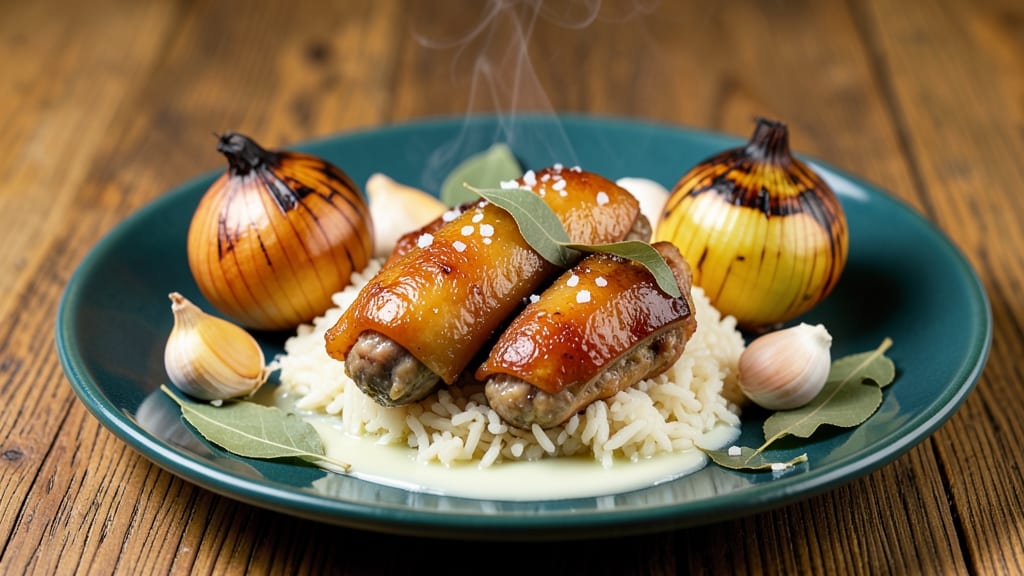
Boiling chicken gizzards transforms them from gamey to crispy-skinned, flavor-packed bites that disappear faster than you can say "seconds."
I learned this technique from my grandfather in Georgia, where he'd clean and boil gizzards every Sunday—his secret was never skipping the pre-boil prep or the vinegar bath that cuts through any lingering gameiness. That 20-minute method became my go-to for feeding a crowd without the fuss of frying.
The key to success lies in proper cleaning and a two-step cooking process: first boiling in salted water with aromatics, then finishing in a vinegar bath to tighten the skin for that coveted crisp.
I've perfected this method over years of Southern family gatherings, where gizzards were never an afterthought but the star of the meal. The result? Tender meat with skin that's crisp enough to stand up to dipping sauces or bold seasonings.
What you'll end up with are flavor-packed bites that handle heat beautifully—whether you're serving them at room temperature with a spicy mayo or tossing them into a hot skillet for crispy perfection.
This isn't just about using every part of the bird; it's about transforming something often overlooked into a dish that commands attention at the table.
Pair these gizzards with collard greens and cornbread for a proper Southern spread, or serve them as an appetizer with cocktail sauce for a modern twist. The technique scales effortlessly, so whether you're feeding two or twelve, this method delivers consistent, restaurant-quality results every time.
Ingredients for boiled chicken gizzard
Twelve simple ingredients for restaurant-quality gizzards that feed a crowd.
| Ingredient | Amount | Notes |
|---|---|---|
| Chicken Gizzards 🍗 | 3 lb | Fresh, cleaned, trimmed |
| Large Yellow Onions 🧅 | 2 whole | Quartered, skins on |
| Garlic Cloves 🧄 | 6 cloves | Smashed, skins on |
| Bay Leaves 🌿 | 2 whole | Fresh or dried |
| Salt 🧂 | 1 ½ cups | Kosher or sea salt |
| White Vinegar 💧 | 1 cup | Distilled or apple cider |
| Black Peppercorns 🌶️ | 1 tbsp | Crushed, whole preferred |
| Fresh Thyme Sprigs 🌿 | 4 whole | Or 1 tbsp dried thyme |
| Water 💧 | 8 cups | Filtered or spring water |
| Vegetable Oil 🫒 | ¼ cup | For crisping skin (optional) |
| Lemon Juice 🍋 | 2 tbsp | Freshly squeezed |
The gizzards need to be fresh and cleaned properly—this isn't a step you can skip. I always grab mine from Costco or a local butcher who knows how to trim them right. Look for gizzards that are pinkish-red, not gray or slimy. Whole Foods usually has good quality, but call ahead—they sell out fast. The key is to remove any remaining feathers or connective tissue before cooking. If you're feeling ambitious, soak them in cold water for 30 minutes first to remove any bloodline. For a crowd, 3 pounds is perfect—that's about 24-30 servings, depending on size.
No fresh thyme? Dried works at one-third the amount, but trust me on the fresh stuff if you've got it. Running low on vinegar? Apple cider vinegar or white wine both work—just use the same amount. The onions and garlic are non-negotiable for flavor, but if you're in a pinch, onion powder and garlic powder can substitute (use half the amount). For the water, filtered is best, but tap water works fine if you boil it first. And if you're serving these as an appetizer, add a pinch of cayenne to the vinegar bath for a little kick—my grandfather's secret touch.
These keep beautifully for 3 days in the fridge if stored in the vinegar bath (yes, really). The flavor actually improves overnight as the seasonings meld. For parties, I make a double batch and freeze half in single-serving portions. Thaw overnight in the fridge—never microwave or they'll get rubbery. The crispy skin is best served at room temperature, so take them out 30 minutes before serving. These are perfect for meal prep too—toss them in a container with some mayo or hot sauce for a quick protein boost all week.
Why You'll Love This Recipe
- Here’s what sold me: that perfect texture—tender inside, slightly crispy on the edges. The long simmer with onions and garlic builds layers of flavor, and the bay leaves add this earthy depth that makes it taste like a restaurant dish, not a weeknight meal. (Yes, even on a Tuesday night.)
- Fewer Ingredients, More Impact: I swear by this recipe because it’s that simple—just gizzards, onions, garlic, and bay leaves. No fancy sauces, no last-minute grocery runs. The onions caramelize right in the pot, and the garlic? It turns those gizzards into something rich and satisfying with almost no effort.
- Crispy-Edge Magic: Here’s what sold me: that perfect texture—tender inside, slightly crispy on the edges. The long simmer with onions and garlic builds layers of flavor, and the bay leaves add this earthy depth that makes it taste like a restaurant dish, not a weeknight meal. (Yes, even on a Tuesday night.)
- Leftovers That Don’t Suck: I make a big batch because reheated gizzards are still amazing—just toss them in a pan with a splash of water or broth, and they’re back to their best. My kids grab them for school lunches, and honestly? They’re the only thing that survives my toddler’s lunchbox raid.
Step-by-step instructions for crispy chicken gizzards
Here's how to transform tough gizzards into tender, crisp-skinned bites with bold flavor.
Prepare the Gizzards for Cooking
Rinse the 3 lb chicken gizzards thoroughly under cold water and pat them completely dry with paper towels. This drying step is crucial—it helps the skin crisp up beautifully later. Trim any excess fat or connective tissue using a sharp knife, being careful not to cut into the meat itself. You want to keep the gizzards whole for even cooking.
In a large bowl, combine the gizzards with the 1.5 cups salt, 1 tbsp crushed black peppercorns, and 4 whole fresh thyme sprigs. Gently toss everything together with your hands until the gizzards are evenly coated in the seasoning mixture. This salting process will begin breaking down the proteins, making them more tender during cooking. Let them sit at room temperature for 15 minutes while you prepare the remaining ingredients.
Build the Flavor Base
Quarter the 2 whole large yellow onions and peel them, leaving the skins on for color. In a separate bowl, gently crush the 6 cloves garlic while keeping the skins on. This prevents the garlic from turning bitter during cooking. Add the quartered onions, whole bay leaves, and smashed garlic cloves to a large stockpot.
Pour in the 8 cups water and bring to a boil over high heat. Once boiling, reduce the heat to medium-high and add the 1 cup white vinegar. The vinegar helps tenderize the gizzards while adding bright acidity to the cooking liquid. Let this mixture simmer for 5 minutes to allow the aromatics to release their flavors into the broth.
Cook the Gizzards to Tender Perfection
Carefully add the seasoned gizzards to the simmering pot, making sure they're mostly submerged in the liquid. The water should cover about 3/4 of the gizzards. If needed, use a plate to weigh them down slightly. Bring the liquid back to a gentle boil, then immediately reduce the heat to medium-low. You want to maintain a steady simmer—not a rolling boil—which helps prevent the gizzards from becoming tough.
Cover the pot with a lid and let the gizzards cook for 15 minutes. After this initial cooking time, check for doneness by piercing one gizzard with a fork. If it's still slightly firm, continue cooking for another 5 minutes. The gizzards are done when they're fork-tender with no resistance. The cooking liquid should be rich and flavorful, with the onions and garlic infusing their aromas into the broth.
Finish with Crispy Skin and Bright Flavor
Using a slotted spoon, carefully transfer the cooked gizzards to a clean bowl. Drain any excess liquid but reserve about 1 cup of the cooking broth for serving. While the gizzards are still hot, heat the 0.25 cup vegetable oil in a large skillet over medium-high heat until it shimmers. This hot oil will create that coveted crispy skin.
Working in batches if needed, carefully place the gizzards in the hot oil, skin-side down. Cook for 2-3 minutes per side until the skin turns golden brown and crispy. You'll see the edges begin to curl slightly—that's your signal they're ready. Remove the gizzards with tongs and transfer them to a serving platter. Drizzle with the 2 tbsp lemon juice just before serving to brighten the flavors and cut through the richness.
Serve Immediately with Flavorful Broth
Arrange the crisp-skinned gizzards on a platter and ladle the reserved cooking broth over the top. The broth should be rich with onion and garlic flavors, slightly tangy from the vinegar. Serve the gizzards immediately while they're hot and crispy—this dish doesn't wait well. Each bite should deliver tender meat with a satisfying crunch from the crisp skin, balanced by the bright acidity of the lemon and the savory depth of the cooking broth.
For extra flavor, sprinkle with additional crushed black peppercorns or serve with crusty bread to soak up all that delicious broth. The combination of textures and flavors makes these gizzards a standout dish that's perfect for sharing.
Pro Tips For Making Boiled Chicken Gizzard
- Parboil First: Drop the gizzards in cold, salted water and bring to a boil—then simmer. I learned this the hard way: skipping the cold start makes the meat tough as shoe leather. Give them 5 minutes in the boil to purge bitterness before adding onions and garlic.
- Slice Onions Thin: Cut the yellow onions into ¼-inch slices, not chunks. Thin layers cook faster and soften evenly, soaking up the gizzard’s flavor instead of sitting like soggy bricks. (Yes, it takes 2 minutes extra—trust me.)
- Don’t Overcrowd the Pot: Simmer gizzards in batches if needed. A packed pot steams instead of boils, leaving them gray and unappetizing. Crowding also traps old water, diluting the broth. Tight fit = sad results.
- Reserve the Last Water: Save the final cup of cooking liquid before draining. Strain it, reduce by half, and use it to deglaze the pot—it’s packed with flavor. Toss it over the gizzards at the end for a glossy finish. (Your future self will notice.)
Pro cooking tips for this dish
Salt the Night Before
Here's a trick I learned from my grandfather that saves time and boosts flavor: salt the gizzards overnight. Place the 3 lb of cleaned gizzards in a bowl, cover them with 1.5 cups kosher salt, and refrigerate for 12-24 hours.
This dry-brine method breaks down the proteins and eliminates any lingering gamey taste. The next day, rinse them thoroughly and pat them completely dry before cooking. I do this when I'm prepping for a big gathering—it cuts my active cooking time by half. 💡
Vinegar Bath Secret
The vinegar bath isn't just for flavor—it's a game-changer for texture. After boiling, transfer the cooked gizzards to a bowl and pour the 1 cup white vinegar over them. Let them soak for 10-15 minutes before crisping.
This step tightens the skin and adds that signature tang that balances the richness. I often double the vinegar amount if I'm making a large batch. Pro tip: Use apple cider vinegar for a slightly sweeter, more complex flavor profile. ⚡
Double-Boil for Extra Tenderness
For restaurant-quality results, try a double-boil method. After your initial 15-minute boil, remove the gizzards and let them cool for 5 minutes. Then, return them to the pot with fresh 8 cups water and 1 cup vinegar, bringing to a simmer for another 10 minutes.
This two-stage process ensures maximum tenderness without overcooking. I use this technique when I'm serving gizzards to guests who aren't familiar with them—they're always amazed at how tender they are. 🌟
Crisping Without Oil
If you're avoiding oil, you can still get crispy skin using a different method. After boiling, pat the gizzards completely dry again, then broil them on high for 3-4 minutes per side. Keep a close eye on them—they'll crisp up quickly.
For extra flavor, brush them with 1 tbsp melted butter before broiling. This method works especially well if you're watching your fat intake but still want that satisfying crunch. 🔥
Flavor Infusions
Want to take your gizzards to the next level? Infuse the cooking liquid with bold flavors. Add 2 tbsp smoked paprika or 1 tsp cayenne to the initial boiling water for heat, or 1 cinnamon stick and 3 cloves for a sweet-savory twist.
I love adding a splash of bourbon (about ¼ cup) to the vinegar bath for depth—it pairs beautifully with the crispy skin. These infusions elevate the dish from simple to showstopping. ✨
Make-Ahead Magic
One of my favorite time-saving tricks is making these gizzards ahead and reheating them properly. Cook them completely, then store them in the vinegar bath in the refrigerator for up to 3 days.
To reheat, transfer them to a skillet with 1 tbsp oil and warm over medium heat for 2-3 minutes** per side until heated through. The skin will rec crisp slightly, and the flavors will be even more developed.
I do this all the time for Sunday dinners—it's a crowd-pleaser that requires minimal last-minute effort. 💛
Nutrition facts
Frequently asked questions
Why do I need to soak the gizzards in vinegar?
The vinegar bath serves two purposes: it tightens the skin for that perfect crispy texture and adds bright acidity that cuts through any lingering gameiness. This step is especially important if you're using older gizzards—it helps break down residual flavors. Think of it like a marinade for the skin! The tang also balances the richness of the meat beautifully.
Can I use frozen chicken gizzards instead of fresh?
Yes, but you'll need to thaw them properly first. Place the frozen gizzards in a bowl of cold water for 30-45 minutes or in the refrigerator overnight. Never thaw at room temperature—this can promote bacterial growth. Once thawed, follow the same cleaning and drying steps as you would with fresh gizzards. The cooking time remains the same.
What's the best way to store leftover cooked gizzards?
Store them in an airtight container with some of the vinegar bath liquid to keep them moist. They'll stay fresh in the refrigerator for up to 3 days. For longer storage, freeze them in single-serving portions. When reheating, warm them in a skillet with a little oil over medium heat for 2-3 minutes per side—they'll regain some crispiness. Pro tip: The flavors actually improve overnight!
How do I know when the gizzards are fully cooked?
They're done when they're fork-tender with no resistance in the center. Pierce one gizzard with a fork—it should slide in easily and the meat should flake apart slightly. The cooking liquid should be rich and aromatic, with the onions and garlic fully infused. If they're still firm after 20 minutes, continue cooking for another 5 minutes—they'll finish cooking as they rest.
Can I make this recipe without vinegar?
You can substitute with apple cider vinegar or even lemon juice in a pinch, but the texture won't be quite the same. The acidity from vinegar is crucial for tightening the skin and balancing flavors. If you're avoiding vinegar entirely, try using an extra 1 tbsp of lemon juice in the cooking water and an additional 5 minutes of simmering time to help tenderize the meat.