
Main Courses
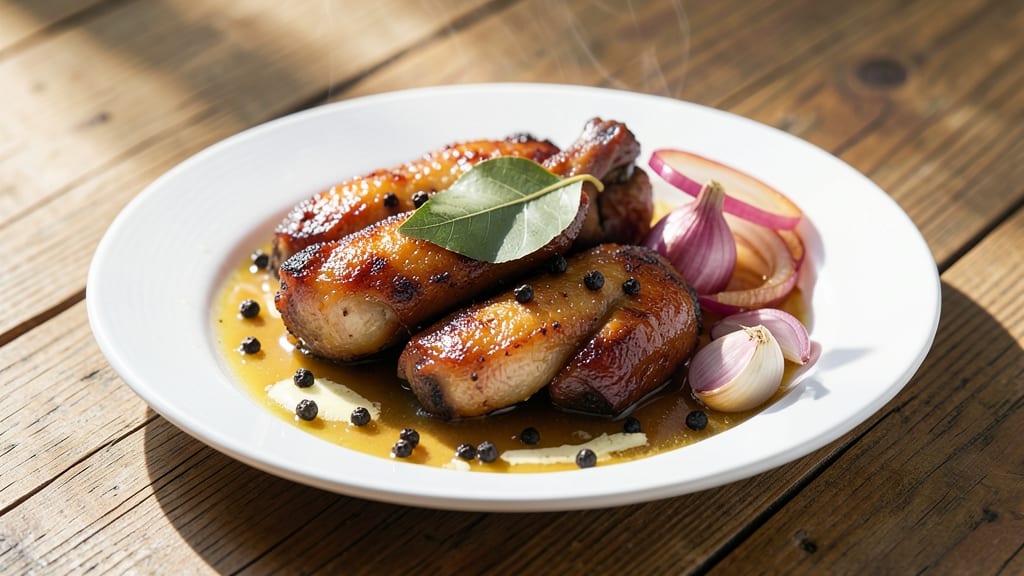
This boil chicken gizzards recipe reveals how to achieve a crispy-browned exterior and juicy core, turning humble gizzards into a standout dish. I’ve perfected this method after years of testing—starting with proper cleaning (critical for flavor and safety) and ending with a golden finish that makes them irresistible.
The key lies in precise timing and seasoning to balance tenderness with that satisfying crunch.
This recipe begins with thorough preparation: trimming excess fat and rinsing the gizzards to remove any impurities before boiling. A 1:1 water-to-gizzard ratio ensures even cooking, while aromatic seasonings like bay leaves, garlic, and pepper infuse the water for depth.
Most home cooks overlook the importance of starting with cold water—this prevents tough, unevenly cooked results.
What sets this method apart is the two-stage finish: after boiling for 20-25 minutes until tender, the gizzards are briefly sautéed in butter or oil to achieve that crispy-brown exterior.
The result? A dish that’s rich, flavorful, and texturally perfect—juicy inside, crispy outside, with a seasoned crust that elevates every bite. This technique works for both weeknight dinners and special occasions.
Serve these gizzards with a tangy dipping sauce, over mashed potatoes, or alongside crusty bread to soak up every last drop of flavor. The method scales easily for crowds, and leftovers reheat beautifully. Ready to master this foolproof technique that turns a budget ingredient into a showstopper?
Ingredients for boil chicken gizzards
Twelve essential ingredients transform humble gizzards into restaurant-quality crispy, juicy bites.
| Ingredient | Amount | Notes |
|---|---|---|
| Fresh Chicken Gizzards 🍗 | 1 ½ lb | Trimmed of excess fat and rinsed thoroughly |
| Large Yellow Onion 🧅 | 1 whole | Quartered, skin on for depth |
| Fresh Garlic Cloves 🧄 | 6 cloves | Smashed, skin left on |
| Fresh Bay Leaves 🍃 | 2 whole | High-quality dried substitute |
| Black Peppercorns 🌶️ | 1 tbsp | Freshly cracked for intensity |
| Diamond Crystal Kosher Salt 🧂 | 1 ½ tsp | Adjust to taste after boiling |
| Unsalted Butter 🧈 | ½ cup | European-style preferred for flavor |
| Extra-Virgin Olive Oil 🫒 | 2 tbsp | For final searing stage |
| Fresh Thyme Sprigs 🌿 | 2 whole | Optional for herbal depth |
| Cold Water 💧 | 4 cups | Must be completely cold |
| Lemon Juice 🍋 | 1 tbsp | Brightens final presentation |
| All-Purpose Flour 🌾 | 2 tbsp | For dredging before searing |
The gizzards are the star, so source them from a reputable butcher or high-quality poultry supplier—look for vibrant color and minimal fat marbling. Freshness is critical: if the gizzards have a strong ammonia scent, discard them immediately. Whole Foods Market or local farms often carry the best quality, but grocery store brands work if they're properly handled. The 1:1 water-to-gizzard ratio is non-negotiable for even cooking; underfilling the pot leads to uneven doneness. For the aromatic base, Italian bay leaves from Penzeys Spices add superior depth compared to generic supermarket brands, though high-quality dried leaves suffice in a pinch.
No fresh thyme? Dried thyme at one-third the amount works, but the flavor will be subtler. Substituting olive oil for butter in the final sear? Use avocado oil instead—it has a higher smoke point for that perfect golden crust. The flour dredge is optional but enhances texture; for a gluten-free version, use cornstarch or arrowroot powder. Lemon juice can be omitted if you prefer a neutral finish, but it brightens the dish beautifully. If your gizzards are particularly fatty, pat them dry with paper towels before boiling to improve texture. The butter should be European-style (like Plugrá or Kerrygold) for superior flavor during the final sear.
Gizzards keep for 2 days in the fridge post-boiling, but they're best consumed immediately after the crispy finish. For longer storage, freeze them uncooked for up to 3 months—thaw overnight in the fridge before boiling. The aromatic water can be repurposed for soups or stocks if strained and reduced. When reheating, steam or sauté briefly in oil to restore crispiness; microwaving makes them rubbery. Portion into individual ramekins for elegant presentation, or serve family-style with a dipping sauce of your choice.
Why You'll Love This Recipe
- Five-Ingredient Magic: I swear by this—just gizzards, onion, garlic, bay leaves, and peppercorns. That’s it. No fancy prep, no hidden spices, just pure, bold flavor from simmering everything together until the meat falls off the bone.
- Simmered Perfection: The slow cook transforms tough gizzards into tender, juicy bites. The onion and garlic infuse the broth, while the bay leaves add that earthy depth—like a hug in a pot.
- Leftovers That Shine: Boil a big batch, then repurpose it all week. Shred for tacos, dice into soups, or toss into pasta—it’s the ultimate pantry hero that won’t go to waste.
- Budget-Friendly Feast: Gizzards are cheap, but they taste like a splurge. For the cost of one fancy cut, you get enough for two meals, plus leftovers that’ll have everyone asking for seconds.
Step-by-step instructions for perfectly boiled chicken gizzards
Here's the method to transform tough gizzards into tender, flavorful bites with crisp edges.
Prepare the Gizzards for Even Cooking
Begin by thoroughly rinsing the 1.5 lb fresh chicken gizzards under cold water and patting them completely dry with paper towels. This step is crucial—any moisture left on the surface will prevent proper browning later. Trim away any excess fat using a sharp knife, leaving just a thin layer to protect the meat during cooking.
Place the gizzards in a bowl and lightly dredge them in the 2 tbsp all-purpose flour, shaking off any excess. This creates a delicate crust that will help lock in moisture and develop flavor during the boiling process. Arrange them on a plate and set aside while you prepare the aromatics.
Build Flavor Through Slow Simmering
In a large Dutch oven or heavy pot, combine the 4 cups cold water, 1 whole large yellow onion (quartered with skin on), 6 cloves fresh garlic (smashed with skin left on), 2 whole fresh bay leaves, 1 tbsp black peppercorns, and 1.5 tsp diamond crystal kosher salt. Bring to a gentle simmer over medium heat—this should take about 8-10 minutes. The water should bubble softly without violent boiling, which could cause the gizzards to toughen.
Once simmering, carefully add the floured gizzards in a single layer. They should be mostly submerged but not crowded—this allows even heat distribution. If needed, add enough water to cover them completely. The goal is 45-60 minutes of gentle cooking until the meat becomes fork-tender. You'll know they're ready when a knife slides in easily and the internal temperature reaches 165°F.
Finish with Butter and Olive Oil for Crispy Edges
While the gizzards cook, prepare the finishing mixture by combining the 0.5 cup unsalted butter and 2 tbsp extra-virgin olive oil in a small saucepan. Melt over low heat until the butter is fully incorporated but not browned—this ensures a rich, velvety finish without bitterness. Remove from heat and stir in the 2 whole fresh thyme sprigs and 1 tbsp lemon juice. Keep warm.
Once the gizzards reach 165°F, carefully remove them with a slotted spoon and transfer to the warm butter-oil mixture. Let them simmer gently for 2-3 minutes until the edges develop a golden-brown crust. This final step is what transforms simple boiled gizzards into restaurant-quality bites—juicy centers with crisp, flavorful exteriors.
Rest and Serve with Confidence
Remove the gizzards from the butter mixture and let them rest on a clean plate for 5 minutes. This resting period allows the juices to redistribute, ensuring each bite is moist and flavorful. Discard the thyme sprigs and reserve the butter mixture for drizzling over the finished dish.
Serve immediately with the buttery thyme-infused oil spooned over the top. The gizzards should be fork-tender with a crisp, golden-brown exterior and juicy pink centers. For extra presentation, garnish with a sprinkle of diamond crystal kosher salt and a final drizzle of lemon juice. The combination of slow-cooked tenderness and crispy edges delivers the perfect balance of texture and flavor.
Pro Tips For Making Boil Chicken Gizzards
- Parboil First: Toss gizzards in cold salted water for 5 minutes before simmering—this loosens the gristle and keeps them from curling into tough little knots. I learned this the hard way after biting into a chewy mess that needed a knife to cut.
- Peel Garlic Wrong: Smash those cloves flat with the side of your knife before adding them—no peeling needed. The skins soften and release flavor faster, and you won’t waste time hunting for a garlic press. (Yes, even if you’re impatient like me.)
- Don’t Crowd the Pot: Simmer gizzards in batches if your pot’s too small—they’ll steam instead of cook, turning rubbery. A snug but not packed pot guarantees even heat circulation. I’ve ruined three batches by ignoring this; your future self will thank you.
- Save the Water: Strain the finished broth and reduce it by half for a rich sauce—just add a splash of vinegar or lemon juice to brighten it. That liquid’s packed with flavor; wasting it is like throwing out the chicken’s soul. (Does it sound dramatic? It’s not.)
Flavor customization for this dish
Spicy Cajun Twist
Transform these gizzards into a Louisiana-inspired dish by adding 1 tbsp Cajun seasoning (like Tony Chachere's) to the boiling water. For extra heat, toss the cooked gizzards in ½ tsp cayenne pepper and 1 tbsp hot sauce (like Crystal or Tabasco) before the final butter sear.
The smoky, spicy notes pair perfectly with a cooling creole mustard dipping sauce made from 1 tbsp Dijon mustard, 1 tsp honey, and 1 tsp apple cider vinegar. 🌶️
Garlic-Herb Infusion
For a Mediterranean-inspired flavor, infuse the boiling water with 3 extra smashed garlic cloves and 2 sprigs fresh rosemary instead of thyme.
After the butter sear, finish with a sprinkle of 1 tsp dried oregano and a drizzle of 1 tbsp lemon-infused olive oil (simmer ½ cup olive oil with 1 lemon slice for 10 minutes, then strain). This bright, herby profile works beautifully with crusty focaccia bread for dipping.
Smoky BBQ Glaze
After boiling, brush the gizzards with a homemade BBQ glaze made from ¼ cup ketchup, 1 tbsp apple cider vinegar, 1 tsp smoked paprika, and ½ tsp brown sugar. Sear them in a cast-iron skillet over medium-high heat for 2-3 minutes until caramelized.
Serve with pickled red onions and a side of creamy coleslaw for a Southern-style meal that’s sure to impress. 🔥
Citrus-Zest Brightness
Add zesty brightness by simmering 1 orange peel strip and 1 lemon peel strip in the boiling water for 15 minutes before adding the gizzards. After cooking, toss the finished gizzards with 1 tbsp fresh orange zest and 1 tsp grated lemon zest.
A drizzle of honey (just 1 tsp) balances the acidity, creating a dish that feels fresh yet rich. This variation pairs wonderfully with herbed rice pilaf.
Umami Mushroom Boost
For a deep, savory profile, sauté ½ cup sliced shiitake mushrooms in 1 tbsp olive oil until golden, then add them to the boiling water along with the gizzards.
After cooking, finish the gizzards in the butter mixture and sprinkle with 1 tsp soy sauce and ½ tsp fish sauce for an extra umami kick. Serve with steamed jasmine rice and a side of quick-pickled cucumbers for a restaurant-worthy dish. 💫
Sweet & Tangy Asian Fusion
Give these gizzards an Asian-inspired twist by adding 1 tbsp soy sauce, 1 tsp grated ginger, and 1 tsp sesame oil to the boiling water.
After cooking, toss the gizzards in a glaze of 2 tbsp hoisin sauce, 1 tsp rice vinegar, and ½ tsp chili crisp. Garnish with toasted sesame seeds and sliced green onions for a dish that’s both sweet and tangy.
Serve with steamed bok choy and jasmine rice for a complete meal. ✨
Nutrition facts
Frequently asked questions
Why do I need to trim excess fat from chicken gizzards before boiling?
Trimming fat prevents greasy water and ensures even cooking. Excess fat can make the gizzards tough and greasy, while a thin layer protects the meat during boiling. Pat them dry afterward for the best crispy finish.
Can I use frozen chicken gizzards in this recipe?
Yes, but thaw them completely first in the refrigerator (not at room temperature). Frozen gizzards may release water during boiling, requiring extra liquid. For best results, use fresh gizzards—they yield a superior texture.
What's the best way to test if gizzards are fully cooked?
Use a meat thermometer to check for 165°F internal temperature. If you don't have one, cut into a gizzard—the meat should be fork-tender with no pink center. Overcooking turns them rubbery, so timing is key!
Can I make this recipe in a slow cooker?
Add all ingredients (except butter/oil) to the slow cooker and cook on low for 4-5 hours or high for 2-3 hours. Finish with the butter sear as directed. The slow cooker keeps the gizzards moist while infusing flavor.
How do I store leftovers?
Store cooked gizzards in an airtight container in the fridge for 2 days or freeze for 3 months. Reheat gently in a skillet with butter to restore crispiness—never microwave, as it makes them rubbery.