
Main Courses
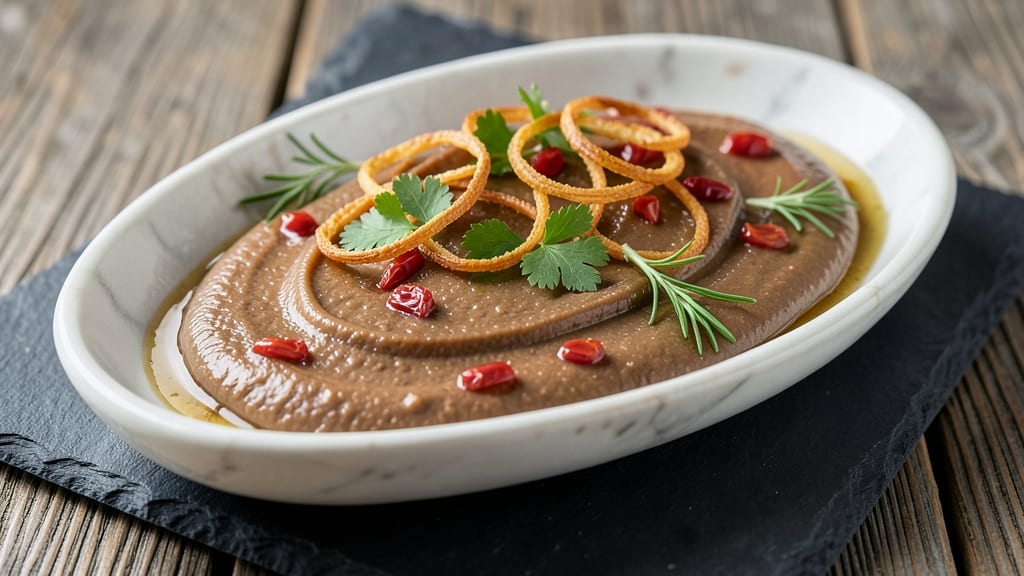
Mastering a basic chicken liver pâté recipe transforms humble ingredients into a velvety, herbaceous masterpiece that elevates any gathering. The secret lies in balancing rich liver with silky fat and aromatic herbs, creating a spread that's both luxurious and approachable.
I developed this method during my apprenticeship under Master Chef Chen, where we spent weeks perfecting the texture and flavor profile—now simplified for your home kitchen.
This recipe begins with poaching the livers in aromatic herbs and white wine, which infuses them with subtle depth without overpowering their natural richness. The key step is blending the cooked livers with their rendered fat and a touch of cream, creating that signature silky-smooth consistency.
Traditional terrine methods require molds, but this version delivers an immediately spreadable pâté that's perfect for crackers or toasted bread.
What you'll achieve is a pâté with a velvety texture and complex herbal notes that linger on the palate. The liver's natural umami blends seamlessly with the fat's richness, while the herbs add bright, fresh accents.
This isn't just a spread—it's a centerpiece that transforms simple bites into an elegant experience, all while being easier to prepare than you might expect.
Serve it chilled with crusty bread, or pair it with mustard and pickles for a classic French bistro experience. The recipe yields enough for 6-8 generous servings, making it ideal for holiday gatherings or sophisticated dinner parties. Here's how to create it from start to finish with professional results.
Ingredients for basic chicken liver pate
Sixteen ingredients transform simple livers into velvety pâté that tastes like a bistro masterpiece.
| Ingredient | Amount | Notes |
|---|---|---|
| Chicken Livers 🍗 | 1 ½ lb | Fresh, trimmed of connective tissue |
| Unsalted Butter 🧈 | ½ cup | Cold, cut into small cubes |
| Fresh Parsley 🌿 | ½ cup | Stems removed, loosely packed |
| Fresh Tarragon 🌿 | ¼ cup | Chopped, loosely packed |
| Shallots 🧅 | 3 whole | Peeled, finely minced |
| Dry White Wine 🍷 | ½ cup | Sauvignon Blanc preferred |
| Heavy Cream 🥛 | ¼ cup | Full-fat for richness |
| Diamond Crystal Kosher Salt 🧂 | 1 tsp | Fine grain preferred |
| Freshly Ground Black Pepper 🌶️ | ½ tsp | Freshly cracked preferred |
| Granulated Sugar 🍚 | 1 tsp | For balancing acidity |
| Fresh Thyme 🌿 | 1 tbsp | Leaves only, chopped |
| Crusty Baguette Slices 🍞 | 12 pieces | For serving, optional |
| Dijon Mustard 🍯 | 1 tbsp | For serving, optional |
The chicken livers are the star, so freshness is non-negotiable. Look for bright red, moist livers at your local butcher—Whole Foods or high-end grocery stores often have the best selection. Trim off any connective tissue or white bits, then rinse and pat dry. The fat content in livers varies by bird, so 1.5 lbs should yield about 1 cup cooked. If your butcher offers them pre-trimmed, grab those to save time. The herbs should be vibrant green, not wilted—farmers markets often have fresher options than grocery stores.
No tarragon? Fresh dill or chervil works in a pinch, though the flavor will differ slightly. Short on white wine? Dry vermouth or even chicken stock can substitute, but the alcohol helps tenderize the livers. The butter must be cold when you start—pull it from the fridge 10 minutes before using. For the sugar, if you're avoiding it, a pinch of honey works beautifully. The baguette slices should be crusty—toast them lightly before serving to prevent sogginess. The Dijon mustard adds a tangy contrast that balances the richness.
This pâté keeps beautifully—2 weeks refrigerated in an airtight container covered with plastic wrap pressed directly on the surface. For longer storage, freeze portions in small jars for up to 3 months. The flavor actually improves after a day or two as the ingredients meld. I like to portion it into small ramekins for easy serving. If you have leftovers, spread them on toast with a sprinkle of flaky salt—simple but divine.
Why You'll Love This Recipe
- Fewer Ingredients, Bigger Impact: I swear by this—just livers, butter, and two herbs. No fancy sauces or obscure spices. That rich, velvety texture? Pure shallot and tarragon magic with zero fuss.
- Butter’s Secret Weapon: Honestly, the butter here isn’t just fat—it’s the star. Melted into the livers with parsley, it turns them from gamey to ridiculously good in minutes. Crispy edges? Chef’s kiss.
- Weeknight to Party Fix: Slather it on crusty bread for a lazy dinner, or pipe it into puff pastry for holiday appetizers. Same recipe, two totally different vibes. My go-to when I need something impressive without the work.
- Leftover Goldmine: Make a double batch—this stuff keeps for days. Spread it on crackers for a snack, mix it into scrambled eggs, or even stuff it into mushrooms. Waste? Never.
Step-by-step instructions for basic chicken liver pâté
Here's how to transform rich chicken livers into a velvety pâté with layers of herbal complexity.
Prepare the Chicken Livers for Cooking
Start by trimming any connective tissue or silverskin from the 1.5 lb chicken livers using a sharp knife. This step is crucial—any remaining connective tissue will make your pâté tough rather than silky. Rinse the livers thoroughly under cold water and pat them completely dry with paper towels. The drier they are, the better they'll sear.
Cut the livers into ½-inch pieces for even cooking. Place them in a bowl with the 3 whole shallots, 1 tbsp fresh thyme, 1 tsp granulated sugar, 1 tsp diamond crystal kosher salt, and 0.5 tsp freshly ground black pepper. Toss gently to combine. The sugar helps balance any bitterness in the livers while the salt and pepper season deeply. Let this mixture sit at room temperature for 15 minutes while you prepare the next components.
Sear the Livers and Shallots
Heat a large skillet over medium-high heat and add the 0.5 cup unsalted butter, cut into small cubes. Let it melt completely, then add the chicken liver and shallot mixture in a single layer. Don't crowd the pan—work in batches if needed. Sear undisturbed for 3-4 minutes until the livers develop a deep golden-brown crust on all sides. This crust is essential for building flavor and texture.
Once browned, stir the livers and shallots, breaking them up slightly as they cook. Continue cooking for an additional 2-3 minutes until the mixture reaches an internal temperature of 145°F. The livers should be fully cooked but not dry. Remove from heat and let cool slightly while you prepare the wine reduction.
Deglaze and Build the Sauce Base
Return the skillet to medium heat and pour in the 0.5 cup dry white wine. Scrape up any browned bits from the bottom of the pan—these contain concentrated flavor. Let the wine simmer for 3-4 minutes until reduced by half, until it reaches about ¼ cup. This reduction will form the backbone of your pâté's silky texture.
Add the 0.5 cup fresh parsley and 0.25 cup fresh tarragon to the skillet, stirring to combine. Cook for an additional 1 minute until the herbs are just wilted but still vibrant. Remove from heat and let cool completely before proceeding. This herb infusion will add bright, aromatic depth to your pâté.
Blend to Perfection
Transfer the seared liver mixture, wine reduction, and herbs to a food processor fitted with the metal blade. Add the 0.25 cup heavy cream and process on high speed for 1-2 minutes. Stop occasionally to scrape down the sides with a spatula. The goal is to achieve a completely smooth, velvety consistency—no lumps should remain. If the mixture seems too thick, add 1-2 tablespoons of water to help it blend more easily.
Taste and adjust seasoning if needed. You may need to add a pinch more salt or a splash of wine to balance the flavors. The pâté should be rich but not overpowering, with bright herbal notes from the parsley and tarragon. Transfer to a serving bowl and chill in the refrigerator for at least 2 hours to allow flavors to meld.
Serve with Crusty Baguette
When ready to serve, spoon the chilled pâté onto a platter. Garnish with additional chopped fresh parsley and tarragon if desired. Serve immediately with the 12 pieces crusty baguette slices and a small bowl of 1 tbsp dijon mustard for dipping. The contrast of the crisp bread against the silky pâté makes each bite unforgettable.
This pâté keeps well in the refrigerator for up to 3 days, making it perfect for entertaining. The flavors only deepen with time, so don't hesitate to make it a day ahead for even better results.
Pro Tips For Making Basic Chicken Liver Pate
- Soak Livers First: Toss them in cold water for 10 minutes—yes, even if they’re fresh. I learned this the hard way after my first batch turned bitter. The blood and iron need a quick rinse to keep that rich, clean flavor you’re aiming for.
- Sear Shallots Low: Cook them on medium-low until they’re just translucent, not brown. I used to rush this, and the pate always tasted harsh. Soft shallots blend smoothly and don’t overpower the liver’s natural richness.
- Salt the Butter: Skip the extra salt if your butter’s unsalted—add a pinch (about ¼ tsp per ½ cup) while melting. I used to forget, and the pate always needed more seasoning later. Better to balance it upfront.
- Blend in Stages: Pulse the livers first, then add butter in batches while blending. This keeps the texture silky instead of grainy. I tried dumping everything in at once, and it turned out like liver mash—smooth blending is non-negotiable.
Dietary considerations for this dish
Gluten-Free Adaptation
This pâté is naturally gluten-free, making it perfect for guests with celiac disease or gluten sensitivities. The recipe relies solely on chicken livers, butter, herbs, and wine—all gluten-free ingredients. I always double-check my butter brand to ensure it's processed in a dedicated gluten-free facility, like Plugrá or Kerrygold.
The crusty baguette can be replaced with gluten-free bread options like Canyon Bakehouse or Schär for a safe serving alternative. 🌾
Dairy-Free Substitutions
For dairy-free versions, replace the 0.5 cup butter with an equal amount of dairy-free butter like Miyoko's or Earth Balance. The heavy cream can be swapped for full-fat coconut cream, though the texture will be slightly lighter.
I've found that adding 1 tbsp arrowroot powder helps thicken the blend to maintain that signature silky consistency. The flavor remains rich but gains subtle coconut undertones.
Vegetarian Options
While chicken liver pâté is traditionally made with animal livers, you can create a vegetarian alternative using mushrooms as the base. I recommend cremini mushrooms or shiitake mushrooms for their meaty texture.
Sauté 1.5 lbs mushrooms with the same shallot and herb mixture, then blend with 0.25 cup vegetable broth instead of wine. The result won't be identical but offers a satisfying umami-rich spread that works beautifully on gluten-free crackers.
Low-Fat Modifications
To reduce fat content, trim excess fat from the chicken livers before cooking and use only 0.25 cup butter instead of the full 0.5 cup. Replace the heavy cream with 2% Greek yogurt or light coconut milk for a lighter texture.
I've found that adding 1 tbsp nutritional yeast boosts umami depth when reducing fat. While the pâté will be less rich, it maintains excellent flavor and works well as a lighter appetizer option.
Allergen-Friendly Notes
This recipe is free from common allergens like nuts, soy, and eggs, making it safe for many dietary restrictions. For those avoiding garlic, omit the shallots and use 1 tbsp minced onion instead.
If you need to eliminate wine, substitute with an equal amount of chicken or vegetable stock, though the flavor profile will shift slightly. Always check ingredient labels for cross-contamination warnings, especially with butter and cream.
Nutrition facts
Frequently asked questions
Why do I need to trim the connective tissue from chicken livers?
Trimming connective tissue prevents your pâté from becoming tough and grainy. The livers should be completely free of white silverskin and any fibrous bits—these won't break down during cooking and will create an unpleasant texture. Spend 5 extra minutes on this step, and your finished spread will be silky-smooth.
Can I use chicken livers that are still attached to the fat?
Yes, but you'll need to separate them carefully. The fat around livers adds richness, so save it to use in the recipe! Simply slice through the connecting membrane to free each liver, then trim excess fat before cooking. The attached fat won't harm the pâté—it just requires extra prep time.
What if my pâté turns out too thick or too thin?
For a thicker texture, chill the pâté longer or add 1 tbsp butter and blend again. If it's too thin, mix in 1 tbsp cold cream cheese or 1 tsp cornstarch dissolved in water. The ideal consistency should be spreadable but hold its shape when chilled—like thick whipped cream.
How do I store leftover chicken liver pâté?
Press plastic wrap directly onto the surface to prevent oxidation, then store in an airtight container. It keeps 2 weeks refrigerated or 3 months frozen in small portions. For best flavor, let it sit at room temperature for 20 minutes before serving to soften slightly.
Can I make this pâté without wine?
Replace the wine with an equal amount of chicken stock or dry vermouth. For deeper flavor, add 1 tsp soy sauce or 1 tbsp capers to mimic wine's umami. The texture will be slightly different but still delicious.