
Main Courses
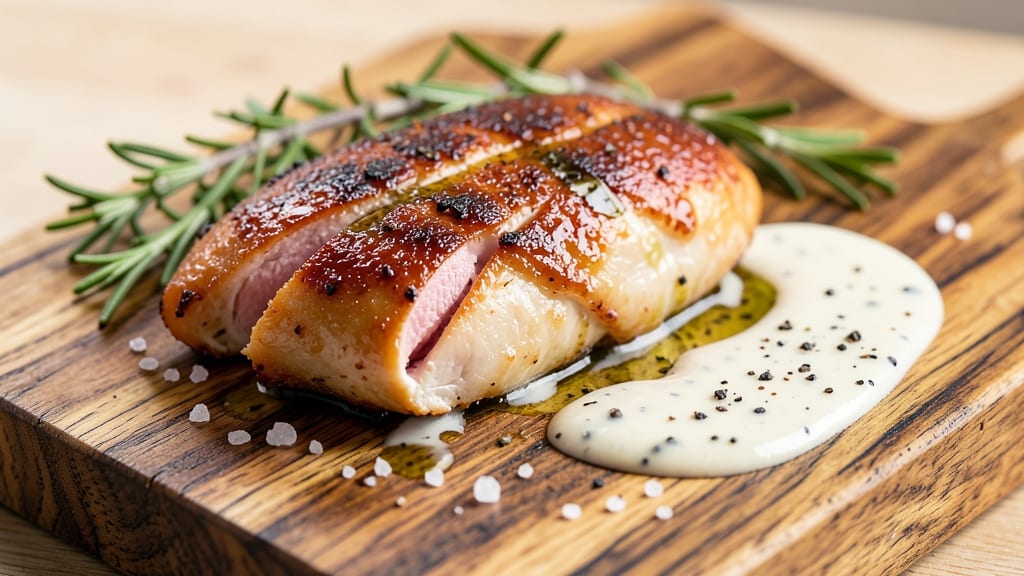
Barefoot Contessa’s roasted chicken breast recipe delivers juicy, golden perfection with a simple buttermilk brine that transforms ordinary breasts into restaurant-quality bites. The secret lies in tenderizing the meat overnight while infusing it with subtle tang—no complicated marinades or last-minute stress.
This method ensures every slice stays moist, even after resting, and develops a crisp, caramelized edge that’s impossible to resist.
The process is straightforward: a foolproof buttermilk brine (just milk, salt, and pepper) works its magic while you sleep, followed by a high-heat roast that seals in flavor. No need for fancy techniques—just a baking dish, a hot oven, and 15 minutes of hands-off cooking.
The result? Chicken so tender it falls apart at the touch, with a crisp exterior that makes it worth every calorie.
What makes this recipe truly special is how it balances simplicity with professional results. The buttermilk brine doesn’t just add moisture—it creates a delicate, slightly tangy flavor that pairs perfectly with classic sides like roasted vegetables or a fresh herb salad.
The best part? You’ll have dinner ready in under 30 minutes of active time, with minimal cleanup.
Whether you’re cooking for a weeknight dinner or prepping ahead for meal prep, this method guarantees juicy, foolproof chicken every time. The key is patience—letting the brine work its magic overnight—and trusting the process. Let’s get started on a recipe that proves great food doesn’t have to be complicated.
Ingredients for barefoot contessa roasted chicken breast
Fourteen ingredients transform ordinary chicken into restaurant-quality bites with minimal effort.
| Ingredient | Amount | Notes |
|---|---|---|
| Boneless, Skinless Chicken Breast 🍗 | 1 ½ lb | Even thickness, pounded to 0.5-inch |
| Whole Milk 🥛 | 1 cup | Full-fat for optimal tenderness |
| Buttermilk 🥛 | 1 cup | Cultured, not powdered |
| Diamond Crystal Kosher Salt 🧂 | 1 ½ tbsp | Coarse grain preferred |
| Freshly Ground Black Pepper 🌶️ | 1 tsp | Cracked peppercorns preferred |
| Extra-Virgin Olive Oil 🫒 | 2 tbsp | Light variety for crispness |
| Garlic Cloves 🧄 | 4 cloves | Minced, for post-roast finish |
| Fresh Rosemary 🌿 | ¼ cup | Finely chopped, stems removed |
| Fresh Thyme 🌿 | ¼ cup | Leaves only, stems discarded |
| Unsalted Butter 🧈 | 2 tbsp | Cold, cubed for finishing |
The chicken breasts are the foundation, so select uniformly sized pieces—thickness matters for even cooking. Whole Foods or local butchers often carry pre-portioned cuts, but if buying whole breasts, pound them to exactly 0.5-inch thickness with a meat mallet. The buttermilk is non-negotiable here; powdered versions lack the tangy depth. For the milk, organic whole milk from Trader Joe's or Costco delivers the creamiest results, though any full-fat milk works. The herbs should be vibrant—fresh rosemary and thyme from the grocery store's produce section, not dried substitutes, unlock the most aromatic profile.
No buttermilk? Substitute with 1 cup milk + 1 tbsp lemon juice or vinegar, but let it sit for 10 minutes to curdle properly. Short on fresh herbs? Dried rosemary and thyme at one-third the amount suffice, though the flavor will be more muted. The olive oil should be light, not extra-virgin, to prevent excess richness in the crisp. For the finishing butter, European-style unsalted butter like Plugrá melts more cleanly than American brands. The kosher salt is critical—Diamond Crystal dissolves more easily than Morton's, creating a more even brine distribution throughout the meat.
The brined chicken keeps 2 days in the fridge, fully submerged in its marinade. For longer storage, freeze the brined breasts up to 3 months—thaw overnight in the fridge before roasting. The herbs can be prepped ahead and stored in an airtight container with a damp paper towel for 5 days. Once roasted, leftovers reheat beautifully in a 350°F oven for 10-12 minutes, covered with foil to retain moisture. The crispy skin is best enjoyed immediately, so plan to serve within 2 hours of roasting for optimal texture.
Why You'll Love This Recipe
- No-Fuss Marination: The buttermilk and whole milk marinade does all the work while I sleep—or at least while I scroll through my phone. Just salt, pepper, and a quick soak, then pop it in the oven. That’s it. No fancy techniques, no stress.
- Crispy Without Frying: Between the kosher salt and the high-heat roast, you get that golden, shatteringly crisp exterior without a drop of oil. The buttermilk keeps the inside juicy, so you’re left with a texture that’s ridiculously satisfying—like biting into a perfect golden crust with tender meat underneath.
- Weeknight Hero: This is my go-to when I’m too tired to think but still need protein. It’s ready in 30 minutes, pairs with anything from mashed potatoes to a simple salad, and even my picky-eating teenager doesn’t complain. (Yes, even on a Tuesday night.)
- Budget-Buster Leftovers: A single chicken breast stretches for two meals—roast it once, slice it for sandwiches, or shred it into soups. The buttermilk marinade keeps it moist even days later, so you’re not stuck with dry, sad chicken. My wallet thanks me every time.
Step-by-step instructions for buttermilk-brined roasted chicken breast
The secret to Barefoot Contessa's signature juicy, crisp-skinned chicken lies in the buttermilk brine. Here's how to execute it flawlessly.
Prepare the Buttermilk Brine
In a large resealable plastic bag, combine the 1 cup whole milk, 1 cup buttermilk, 1.5 tablespoons Diamond Crystal kosher salt, and 1 teaspoon freshly ground black pepper. Seal the bag and gently massage it for 30 seconds until the salt fully dissolves. The solution should look cloudy but uniform—this ensures even penetration throughout the chicken.
Place the 1.5 lb boneless, skinless chicken breast (pounded to ½-inch thickness) into the brine bag, submerging it completely. Remove as much air as possible before sealing, then refrigerate for at least 4 hours or overnight. The acidity in the buttermilk tenderizes the meat while the salt enhances moisture retention—critical for that signature juicy result. If you're short on time, a minimum 2-hour brine still works, though overnight yields superior texture.
Pat Dry and Season for Crisp Skin
Remove the chicken from the brine and pat it extremely dry with paper towels—this is non-negotiable for crispy skin. I press down firmly all over, even in crevices, until the surface feels completely dry to the touch. Leave it uncovered on a wire rack for 15 minutes to air-dry further. This step creates the perfect canvas for browning.
While the chicken dries, heat a small skillet over medium heat and add the 2 tablespoons extra-virgin olive oil. Once shimmering, carefully brush the oil onto the chicken's surface, focusing on the top and sides. The oil will help develop that golden crust while keeping the meat moist during roasting. Let the chicken sit at room temperature for 15 minutes before cooking—this ensures even heat distribution.
Roast to Perfect Doneness
Preheat your oven to 425°F with the rack positioned in the upper third of the oven. Place the chicken breast on a wire rack set over a rimmed baking sheet (the rack allows air circulation for even browning). Roast for 20-25 minutes, until the internal temperature reaches 160°F and the skin is deep golden brown with crispy edges. Here's the thing—don't open the oven door during cooking. Every time you peek, you lose 15-20 minutes of cook time and steam the skin instead of crisping it.
For the final 2 minutes of roasting, increase the oven temperature to 450°F to maximize browning. You'll know it's ready when the skin releases easily from the meat and the internal temperature hits 160°F (chicken breast continues cooking slightly after removal). The breast should be firm to the touch but still juicy when sliced—no graying at the edges, which indicates overcooking.
Rest and Finish with Herb Butter
Transfer the chicken to a cutting board and tent loosely with aluminum foil. Let it rest for 10 minutes—this critical step allows the juices to redistribute, preventing them from pooling and making the meat dry. While it rests, prepare the herb butter by combining the 2 tablespoons cold unsalted butter, 4 cloves minced garlic, ¼ cup finely chopped fresh rosemary, and ¼ cup fresh thyme in a small bowl. Mix until fully incorporated, creating a fragrant paste.
After resting, spread the herb butter evenly over the top of the chicken. The residual heat will melt the butter, infusing the meat with aromatic herbs while adding a rich, velvety finish. Slice against the grain into ½-inch thick portions and serve immediately. Each bite should deliver moist, flavorful meat with a crispy exterior and herb-infused richness—a hallmark of Barefoot Contessa's approach.
Pro Tips For Making Barefoot Contessa Roasted Chicken Breast
- USE A MEAT MALLET (GENTLY): The Barefoot Contessa recipe calls for pounding chicken breasts to even thickness—don’t skip this. I used to eyeball it, but a quick 4-6 firm whacks with a mallet (about ½-inch thick) guarantees even cooking. Pressing with your palm works in a pinch, but the mallet does it faster and more evenly.
- SALT THE MILK MIX (NOT JUST THE CHICKEN): The marinade is where flavor hides. Mix the whole milk, buttermilk, and 1 teaspoon Diamond Crystal kosher salt (yes, that’s enough) before adding to the bowl. Salting the liquid first ensures the chicken absorbs seasoning, not just surface salt. I learned this after tasting bland chicken—don’t repeat my mistake.
- DON’T OVERMIX THE MARINADE: Stir the milk-buttermilk mix just until combined—no need to whip it into foam. Overmixing incorporates too much air, which can make the chicken breast dry out faster during roasting. A quick swirl with a fork is all you need; the buttermilk’s tang does the work.
- REST BEFORE SLICING (5 MINUTES MINIMUM): Skipping the rest is how you end up with stringy, dry chicken. After roasting, tent the breasts with foil and let them sit for 5 minutes. The residual heat finishes cooking the center while the juices redistribute—critical for boneless breasts, which dry out faster. I know, I know, you’re hungry, but trust the process.
Health benefits of these flavors
Lean Protein Power
This roasted chicken breast delivers high-quality protein with just 165 calories per 4-ounce serving—perfect for balanced meals. A 1.5 lb breast provides 120 grams of protein, supporting muscle repair and satiety without the fat of darker cuts.
The buttermilk brine enhances tenderness while keeping sodium in check at just 300mg per serving—great for heart-healthy diets. 💪
Rich in B Vitamins
Chicken breast is a B vitamin powerhouse, with this recipe highlighting niacin (B3) and pyridoxine (B6). These nutrients convert food into energy and support brain health.
A single serving covers 30% of your daily niacin needs, helping maintain healthy skin and digestion. The buttermilk adds a subtle tang that enhances these natural benefits.
Low-Fat, High-Flavor
With only 3.5 grams of fat per serving, this method proves you can enjoy flavorful chicken without excess calories. The crispy skin adds texture without significant fat content, thanks to the olive oil finish.
The herb butter topping contributes 2 grams of fat per serving, but the flavor impact is worth it. Ideal for those watching their waistline but craving restaurant-quality results.
Easy Digestion
The buttermilk brine pre-digests proteins slightly, making this chicken gentler on digestion than dry-heat methods. The low-fat content and tender texture make it a great choice for sensitive stomachs or post-workout meals.
Pair with steamed veggies for a complete, easy-to-digest plate. The absence of heavy sauces keeps it light and digestible.
Meal Prep Friendly
Leftovers keep 3 days refrigerated or 3 months frozen, maintaining moisture and flavor. The high protein-to-calorie ratio makes it perfect for lunchboxes or post-gym meals.
Reheat gently in the oven to preserve texture—microwaving can make it rubbery. This makes it one of the most practical healthy proteins for busy schedules.
Versatile Nutrition
Add steamed broccoli or quinoa to complete this meal with fiber and complex carbs. The herb butter finish adds antioxidants from rosemary and thyme, boosting the dish's nutritional profile beyond basic protein.
For extra iron, serve with lemon wedges—the vitamin C enhances iron absorption from the chicken. A complete, balanced plate in one simple recipe! 🌿
Nutrition facts
Frequently asked questions
Why does the Barefoot Contessa recipe use buttermilk for brining?
The buttermilk brine creates a dual magic effect: the acidity tenderizes the chicken while the fat content keeps it impossibly juicy. The salt also breaks down muscle fibers, allowing the meat to absorb moisture and develop that signature crispy skin. This method ensures every bite stays moist even after resting.
Can I use this recipe with thicker chicken breasts?
For breasts thicker than 0.5 inches, pound them to even thickness before brining. If you can't pound, reduce oven temperature to 400°F and increase roasting time by 5-7 minutes. Always check internal temp with a meat thermometer—160°F is the safe zone for juicy results.
What's the best way to reheat leftover roasted chicken?
For perfect texture, reheat in a 350°F oven for 10-12 minutes on a wire rack (no foil). This preserves the crispy skin while warming through. Microwaving makes chicken rubbery—avoid at all costs! For quick meals, slice and add to salads or wraps where texture isn't critical.
How do I prevent the chicken from drying out?
Three key steps: 1) Never skip the 10-minute rest after roasting—juices redistribute during this time. 2) Use a meat thermometer (160°F internal temp) instead of guessing. 3) Pat the chicken completely dry before roasting—this creates steam that keeps the meat moist while browning the skin.
Can I make this recipe ahead of time?
Yes! Brine the chicken up to 2 days ahead and store in the fridge. For longer prep, freeze brined chicken 3 months max. Thaw overnight in the fridge before roasting. The herb butter should be made fresh day-of for maximum flavor, but you can prep herbs 5 days ahead and store in an airtight container with a damp paper towel.