
Soups & Stews
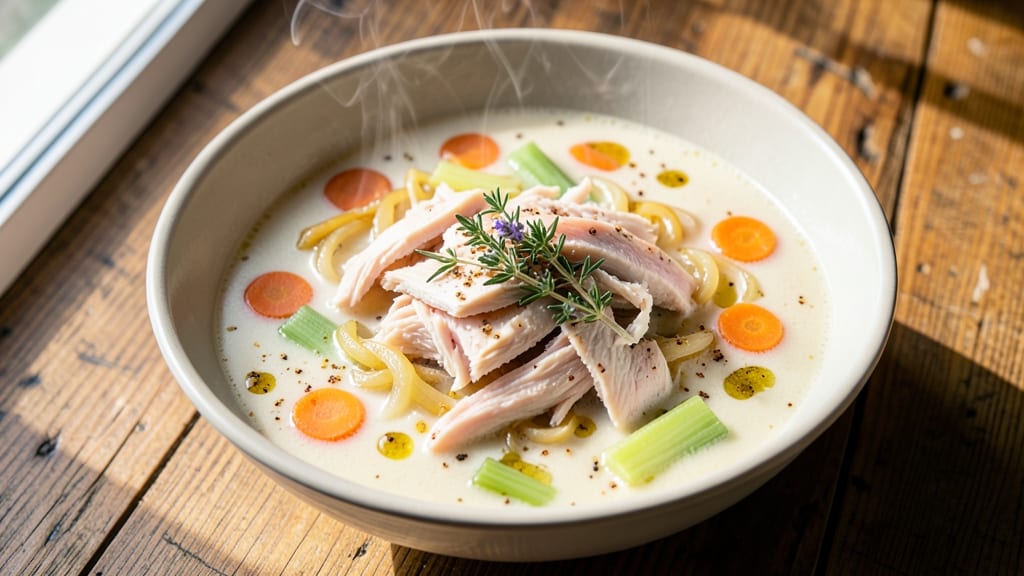
The Barefoot Contessa's chicken soup recipe transforms simple ingredients into a velvety, aromatic masterpiece that tastes like a hug in a bowl. This isn't just soup—it's a symphony of herbal broth, tender chicken, and perfectly balanced vegetables that simmer into harmony.
The secret lies in slow cooking and layering flavors, just as Ina Garten would, ensuring every spoonful is rich yet light, savory without being heavy.
What sets this recipe apart is the clarity of its broth, achieved through careful simmering and a thoughtful blend of aromatics like celery, carrots, and onions. The chicken, poached gently, stays tender and infused with the surrounding flavors, while herbs like thyme and bay leaf add depth without overpowering.
It’s the kind of soup that feels both comforting and refined—easy enough for a weeknight but impressive enough for guests.
By the time you serve this soup, you’ll have a golden, fragrant broth dotted with tender chicken pieces, al dente vegetables, and a sprinkle of fresh herbs for brightness. The texture is pure comfort: creamy from the chicken and vegetables, yet light enough to enjoy in any season.
It’s the kind of dish that makes you want to linger at the table, savoring every bite.
This recipe scales beautifully for a crowd, and leftovers only get better as the flavors meld further. Garnish with a drizzle of olive oil, a sprinkle of black pepper, and a few fresh herbs to elevate it to restaurant-quality. Here’s how to make it—step by step, just as Ina would.
Ingredients for barefoot contessa chicken soup
Herbal notes, tender chicken, and golden broth—this soup is all about harmony in every spoonful.
| Ingredient | Amount | Notes |
|---|---|---|
| Chicken Breast 🍗 | 1 ½ lb | Boneless, skinless, cut into 1-inch pieces |
| Yellow Onion 🧅 | 1 whole | Medium size, chopped |
| Carrots 🥕 | 4 medium | Peeled and sliced into 1/2-inch pieces |
| Celery Stalks 🧅 | 3 whole | Trimmed and chopped |
| Garlic Cloves 🧄 | 4 cloves | Peeled and smashed |
| Fresh Thyme 🌿 | ½ ounce | Or 1 tbsp dried thyme |
| Fresh Parsley 🌿 | ¼ cup | Chopped, for garnish |
| Bay Leaves 🌿 | 2 whole | Dried, standard size |
| Chicken Broth 💧 | 6 cups | Low-sodium preferred |
| Extra-Virgin Olive Oil 🫒 | 2 tbsp | For sautéing |
| Salt 🧂 | 1 ½ tsp | Kosher or sea salt |
| Black Pepper 🌶️ | ½ tsp | Freshly ground |
| Fresh Lemon Juice 🍋 | 1 tbsp | For brightness |
The vegetables form the aromatic base of this soup, so don't skimp. Whole Foods or your local market usually carry the freshest celery and carrots—look for crisp stalks and vibrant orange carrots without blemishes. The thyme and bay leaves are non-negotiable for that classic herbal depth. I always grab a small bunch of fresh thyme from Trader Joe's—it's cheaper than dried and makes a noticeable difference. For the chicken, boneless, skinless breasts cook evenly and stay tender. If you prefer thighs, use them—they'll give you richer flavor but may need slightly less cooking time.
No fresh thyme? Dried works at one-third the amount, but fresh is ideal. Short on parsley? Fresh basil or cilantro adds a nice twist. The broth is crucial—low-sodium is key so you can control the seasoning. If you can't find low-sodium, dilute regular broth with water. For extra richness, add 1/2 cup heavy cream at the end (optional). The lemon juice should be freshly squeezed—bottled won't cut it here. And if you're making this ahead, add the lemon juice just before serving to keep it bright.
This soup tastes even better the next day as flavors meld. Store in an airtight container in the fridge for up to 5 days—the broth gets deeper in color and more flavorful. Freezes beautifully for 3 months too. I always make a double batch—one for dinner, one for lunches. The chicken stays tender when reheated gently, and the vegetables hold their texture. Garnish with extra parsley and a drizzle of olive oil right before serving—that's when it feels restaurant-quality.
Why You'll Love This Recipe
- No-Fuss Prep: I swear by this one—just dice the onion, chop the carrots and celery into big chunks (no need for perfection), and toss them in a pot with the chicken. The garlic? Sauté it until it’s golden but not burnt, and boom, you’re halfway there. Honestly, it’s the kind of soup where the ingredients do most of the work.
- Garlic-Kissed Magic: That moment when the garlic starts to caramelize? Pure satisfaction. The Barefoot Contessa method lets it mellow into the broth without overpowering, while the chicken stays tender and the veggies melt into the perfect sweet-savory balance. It’s the kind of flavor that makes you pause mid-sip and go, “Wait, is this really just soup?”
- Leftovers That Beg: This soup tastes even better the next day—if it lasts that long. I’ve reheated portions for lunch, packed it for work, and even frozen half for when I’m too tired to cook. The chicken stays juicy, the broth deepens, and somehow, it just gets cozier with time. (Yes, even on a Tuesday night.)
- Budget Meal for Days: A whole chicken breast, a single onion, a handful of carrots and celery—this recipe stretches ingredients without skimping on taste. I’ll be real: it’s my go-to when groceries are tight, but I still make it when I’m not. That’s how good it is. Plus, the veggies are cheap staples, so you’re not breaking the bank for a meal that feels like a hug in a bowl.
Step-by-step instructions for Barefoot Contessa's chicken soup
Here's how to create a fragrant, herb-infused soup with tender chicken and vibrant vegetables.
Sauté the Aromatic Vegetables
Heat the 2 tablespoons extra-virgin olive oil in a large pot over medium heat until shimmering. Add the chopped yellow onion, sliced carrots, and chopped celery stalks. Cook for 5-7 minutes until the vegetables soften and the onion becomes translucent.
Stir occasionally to prevent browning—you want the vegetables to sweat their flavors into the oil, not caramelize. This foundational step builds the soup's depth of flavor. If the vegetables stick, gently scrape the bottom with a wooden spoon to release any browned bits, which contain concentrated flavor.
Add Garlic and Herbs for Depth
Push the vegetables to one side of the pot and add the peeled and smashed garlic cloves to the empty space. Cook for 30 seconds until fragrant—garlic should smell pungent but not burn. Add the 0.5 ounce fresh thyme and 2 whole bay leaves, stirring to combine.
Here's the thing—thyme and bay leaves release their flavors gradually, so don't rush this step. Let them infuse into the vegetables for 1 minute while you prepare the chicken. The herbs will transform this from a basic vegetable soup to a sophisticated herbal broth.
Cook the Chicken Thoroughly
Add the 1.5 lb chicken breast cut into 1-inch pieces to the pot. Stir to coat the chicken with the aromatic vegetables and herbs. Pour in the 6 cups chicken broth and bring to a gentle boil. Once boiling, reduce heat to medium-low and simmer uncovered for 15-18 minutes.
You'll know the chicken is done when it easily pulls apart with a fork and the internal temperature reaches 165°F. Don't be tempted to cover the pot—simmering uncovered allows excess moisture to evaporate, creating a more concentrated broth. Stir occasionally to prevent sticking, especially after the first 5 minutes when the chicken releases its juices.
Season and Finish the Soup
Remove the chicken from the pot using a slotted spoon and transfer it to a cutting board. Shred the chicken with two forks into bite-sized pieces, discarding any bones. Return the shredded chicken to the pot. Add the 1.5 teaspoons salt, 0.5 teaspoon black pepper, and 1 tablespoon fresh lemon juice, stirring well to combine.
Taste and adjust seasoning if needed—this is where you can personalize the soup. The lemon juice brightens the flavors and cuts through the richness of the chicken. Let the soup simmer for an additional 5 minutes to allow the flavors to meld together. If the soup is too thick, add ½ cup water to reach your desired consistency.
Garnish and Serve Warm
Remove the 2 whole bay leaves from the soup. Ladle the soup into bowls and garnish each serving with 1 tablespoon chopped fresh parsley. The parsley adds a fresh, vibrant finish that contrasts beautifully with the rich herbal broth.
Serve immediately while hot. Each spoonful should deliver tender chicken, sweet carrots, earthy celery, and a fragrant herbal broth. The lemon juice ensures a bright, balanced flavor that keeps the soup from feeling heavy. Pair with crusty bread to soak up every last drop of that aromatic broth.
Pro Tips For Making Barefoot Contessa Chicken Soup
- SEAR THE CHICKEN FIRST: Don’t just toss raw chicken into the pot—get it golden brown first. Cut breasts into 1-inch chunks, pat them dry, and sear them in a hot skillet with a little oil until they release from the pan. This builds flavor that simmering alone can’t match, and it keeps the meat from turning rubbery.
- MISJUDGE THE SOFTENESS: Carrots and celery should be fork-tender, not mushy. After the initial simmer, check them at 15 minutes—if they’re still crisp, cover and let them cook another 5-10 minutes. Overcooking turns them to pulp, and no one wants soup with "carrot paste" in it.
- SKIP THE GARLIC TOAST: Sauté minced garlic in the same pan you seared the chicken—it picks up all that meaty flavor. Cook it low and slow until it’s just golden, not browned (that’s bitter). This is the thing that matters most for depth, not just the raw garlic smell.
- USE A SPLIT ONION: Cut the onion in half lengthwise, peel, and slice one half into thin wedges. The root end stays intact, so it holds its shape better than chopped onion and adds a subtle sweetness. (Yes, it looks weird, but it works—trust me on this.)
Common mistakes when making perfect results
Overcooking the Chicken
One of the biggest mistakes is letting the chicken overcook, which turns it dry and rubbery. The 15-18 minutes simmer time is precise—any longer and the chicken becomes tough.
I’ve seen people walk away and forget about the soup, only to return to find the chicken falling apart like overcooked pasta. Use a meat thermometer to check for 165°F internal temperature—this is your foolproof guide. 🌡️
Skipping the Sauté
Rushing through the vegetable sauté step is a common error that dulls the soup’s flavor. Those 5-7 minutes of cooking the onions, carrots, and celery are crucial—they develop natural sweetness and release their aromatic oils.
I’ve made this soup skipping this step, and while it’s still edible, it lacks that deep, savory foundation. Take your time here—it’s worth it.
Ignoring the Bay Leaves
Some people remove the bay leaves too early or forget them entirely, missing out on their earthy depth. These leaves infuse the broth gradually, so leave them in until the very end.
If you remove them too soon, the soup will taste flat. I always tuck them into the chicken pieces while simmering—they’ll release their magic without overpowering the dish. 🌿
Using High-Sodium Broth
Regular chicken broth can make your soup taste bland or overly salty, depending on how you adjust. Always opt for low-sodium broth—it gives you full control over seasoning. I’ve ruined a perfectly good soup by using regular broth and then overcompensating with salt.
If you’re stuck with high-sodium, dilute it with water or add extra broth to balance it out.
Adding Lemon Juice Too Early
The lemon juice should go in at the very end—adding it earlier will make the broth taste bitter and flat. The acidity needs to brighten the finished soup, not cook off during simmering.
I’ve made this mistake and ended up with a soup that tasted dull. Add it right before serving, and you’ll notice the difference immediately. 🍋
Not Adjusting Seasoning at the End
Tasting and adjusting the seasoning is non-negotiable. The soup’s flavor evolves as it simmers, so always do a final taste test before serving. I’ve seen people skip this step and serve soup that’s either bland or overly salty.
A pinch of salt or a splash of lemon juice can elevate the dish from good to amazing. Trust your palate—it’s your best tool!
Nutrition facts
Frequently asked questions
Can I use chicken thighs instead of breasts for this recipe?
Chicken thighs add even more richness and stay juicier than breasts. Use 1.5 lbs bone-in, skin-on thighs and reduce the simmering time to 12-15 minutes—they cook faster than breasts. The skin will crisp up beautifully, adding extra flavor to the broth. Just remove the skin before shredding if you prefer a lighter texture.
How can I make this soup vegetarian?
Swap the chicken for 1.5 lbs extra-firm tofu or 1 lb mushrooms (like cremini or shiitake) for umami depth. Use vegetable broth instead of chicken broth and add 1 tbsp soy sauce or 1 tsp miso paste for extra flavor. Simmer the tofu or mushrooms for 10-12 minutes until tender, then proceed with the rest of the recipe as written.
Can I make this soup in an Instant Pot?
Yes! Follow the same steps until adding the broth. Sauté the vegetables and garlic, then add the chicken, broth, thyme, and bay leaves. Cook on high pressure for 8 minutes, then quick-release. Shred the chicken and finish with salt, pepper, and lemon juice. The Instant Pot version cooks 30 minutes faster but yields slightly less concentrated broth.
Why does my soup look cloudy instead of golden?
Cloudiness usually means the broth didn't simmer long enough to clarify. For a clearer broth, strain the soup through a fine-mesh sieve after cooking, then return the solids to the pot. Alternatively, simmer uncovered for 5 extra minutes to evaporate excess moisture. Avoid stirring vigorously—gentle simmering helps create that beautiful golden hue.
What's the best way to reheat leftovers?
Gently reheat on the stovetop over low heat until just warmed through—never boil to prevent the chicken from drying out. If using the microwave, cover with a damp paper towel and heat in 30-second intervals, stirring between each. For best texture, reheat only what you'll serve immediately and keep the rest refrigerated for up to 5 days.