
Main Courses
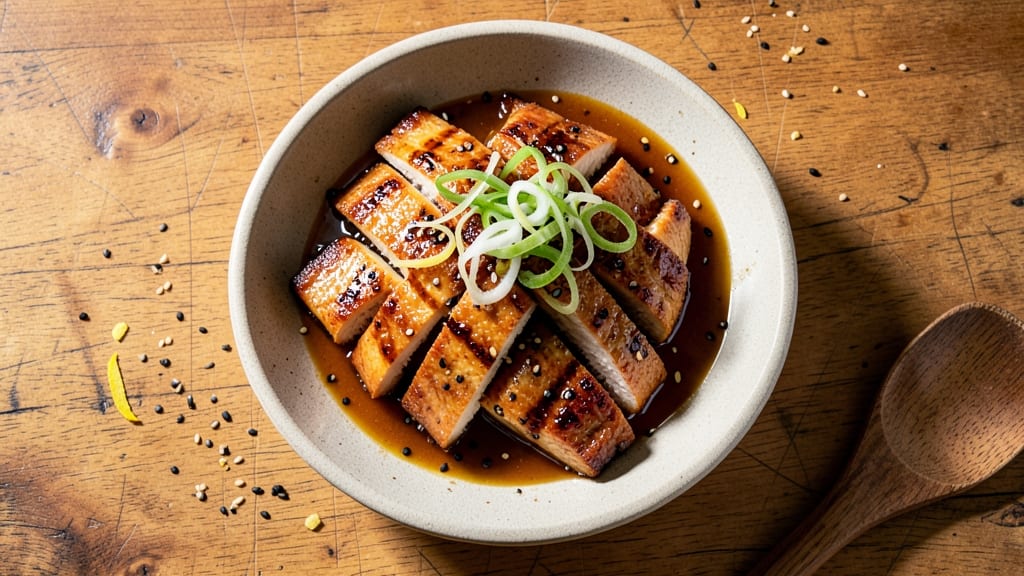
This baked teriyaki chicken tenders recipe delivers crispy, golden edges with tender, juicy meat inside—no deep fryer required. The secret lies in a foolproof marinating technique that ensures maximum flavor penetration while keeping the chicken moist during baking.
I developed this method after years of perfecting restaurant-quality results at home, using just a few simple ingredients and 30 minutes of active time.
The beauty of this recipe is its versatility—it works as a weeknight dinner for the family or an impressive appetizer for game day. The teriyaki glaze isn't just a topping; it's baked into the chicken, creating a caramelized crust that locks in moisture while adding that signature sweet-savory flavor.
No breading means no mess, and the sauce is made from scratch with just five pantry staples.
What you'll end up with is crispy, bite-sized chicken tenders that hold their shape perfectly, glistening with a sticky-sweet glaze that's impossible to resist. The texture is the star here: crunchy exterior, tender interior, and a sauce that's rich enough to coat every bite without being overwhelming.
Serve with a side of steamed vegetables or rice to balance the richness, or turn it into a full meal with a simple salad.
This recipe is designed for foolproof success, even for beginners. The marinade does the heavy lifting, so you won't spend hours in the kitchen—just prep, bake, and enjoy.
The result is a dish that's restaurant-quality at home, with all the flavor and none of the fuss. Let's get started!
Ingredients for baked teriyaki chicken tenders
Foolproof marinade plus crispy technique equals restaurant-quality teriyaki tenders without deep frying.
| Ingredient | Amount | Notes |
|---|---|---|
| Boneless, Skinless Chicken Breast 🍗 | 1 ½ lb | Cut into 1-inch strips for even cooking |
| Extra-Virgin Olive Oil 🫒 | 2 tbsp | For marinade and coating |
| Low-Sodium Soy Sauce 🥫 | ½ cup | High-quality brand preferred |
| Honey 🍯 | ⅓ cup | Wildflower preferred for depth |
| Fresh Garlic Cloves 🧄 | 4 cloves | Minced for marinade |
| Fresh Ginger Root 🌿 | 1 tbsp | Finely grated, fresh preferred |
| Rice Vinegar 🍶 | 1 tbsp | White vinegar substitute |
| Sesame Oil 🌰 | 1 tsp | Toasted sesame seeds optional garnish |
| Diamond Crystal Kosher Salt 🧂 | 1 tsp | For seasoning chicken |
| Ground Black Pepper 🌶️ | ½ tsp | Freshly ground preferred |
| Cornstarch 🌽 | 1 tbsp | For crispy coating |
| Sesame Seeds 🌰 | 1 tbsp | Toasted for garnish |
The chicken breast quality makes all the difference here. Look for plump, uniform pieces with minimal fat—Perdue or Bell & Evans are reliable brands for consistent texture. Freshness matters too: if the chicken has a strong odor or slimy texture, skip it. For the soy sauce, Kikkoman or La Choy are standard choices, but any low-sodium brand works. The honey should be wildflower or clover for that floral depth—avoid the cheap grocery store brands that taste like syrup. Garlic and ginger should be freshly grated or minced (pre-minced jars lack punch), and the rice vinegar adds brightness without overpowering.
No sesame oil? Toasted peanut oil works in a pinch, though the flavor profile shifts slightly. Substituting maple syrup for honey? Use 1:1 ratio but expect a slightly different caramelization. The cornstarch is non-negotiable for that crispy crust—Bob's Red Mill is a reliable brand. For the sesame seeds, toasted in a dry pan for 1 minute amplifies their nutty flavor. If you're short on time, the marinade can be prepped 24 hours ahead—just refrigerate covered. The chicken strips should be 1-inch thick for even cooking; thicker pieces need 2-3 minutes extra baking time.
Marinated chicken keeps 2 days in the fridge if stored in an airtight container with the marinade. The leftover teriyaki sauce freezes beautifully for 3 months—just thaw and reheat gently. For crispy leftovers, reheat at 375°F for 5 minutes to restore texture. Portion the sauce separately if you plan to use it for other dishes—it's too precious to waste. Store sesame seeds in a cool, dark place for up to 6 months; ground spices like ginger lose potency after 3 months once opened.
Why You'll Love This Recipe
- Fewer Messy Pans: I swear by this recipe because it’s one sheet pan—no pots, no stovetop sticky sauce, just chicken and a drizzle of olive oil. The teriyaki glaze caramelizes right on the pan while the chicken bakes, and honestly? Cleanup is just wiping one surface.
- Sweet-Savory Magic: That honey-soy glaze cuts through the richness of the chicken with a perfect balance—sticky, slightly tangy, and just sweet enough. Between us, the garlic cloves roasted right on the pan add this unexpected depth that makes it taste like a restaurant dish.
- Lunchbox Hero: Between us, these tenders are my go-to for meal prep. Slice them up, pack them with rice or veggies, and they stay tender for days. My kids (yes, even the picky one) grab them first—no complaints, just seconds.
- Budget-Friendly Feast: Chicken breast is affordable, and this recipe stretches it far. A single batch feeds four, and leftovers reheat like a dream. I’ll be real: it’s my secret weapon for feeding a crowd without breaking the bank.
Step-by-step instructions for baked teriyaki chicken tenders
Here's how to achieve perfectly tender, crispy-coated chicken tenders with a glossy teriyaki glaze—no deep-frying required.
Prepare the Chicken and Marinade
Cut the 1.5 lb boneless, skinless chicken breast into 1-inch strips for even cooking. In a medium bowl, whisk together the 0.5 cup low-sodium soy sauce, 0.33 cup honey, minced 4 cloves fresh garlic, 1 tbsp finely grated fresh ginger root, 1 tbsp rice vinegar, and 1 tsp sesame oil. This marinade balances sweetness with umami depth—don't skip the ginger, as it prevents the sauce from tasting flat.
Add the chicken strips to the marinade and toss to coat evenly. Cover and refrigerate for at least 30 minutes (or up to 2 hours) to allow the flavors to penetrate. The longer it marinates, the more tender the chicken will be, but even 30 minutes makes a noticeable difference in moisture retention.
Create the Crispy Cornstarch Coating
In a shallow dish, combine the 1 tbsp cornstarch, 1 tsp Diamond Crystal kosher salt, and 0.5 tsp ground black pepper. Remove the chicken from the marinade (reserve the marinade) and pat the strips dry with paper towels—this ensures the cornstarch adheres properly for maximum crispiness.
Roll each chicken strip in the cornstarch mixture until fully coated. Place them on a parchment-lined baking sheet, spacing them about 1 inch apart to allow for even browning. The cornstarch creates a delicate, crunchy exterior that contrasts beautifully with the tender interior—this is what sets these apart from breaded tenders.
Bake to Golden Perfection
Preheat your oven to 400°F and bake the coated chicken tenders for 15-18 minutes, flipping halfway through, until the edges are deep golden brown and the internal temperature reaches 165°F. The cornstarch coating should be crispy but not burnt—watch closely after 15 minutes to prevent over-browning.
During the last 2 minutes of baking, brush the reserved marinade over the tenders for a glossy finish. This step ensures the glaze caramelizes slightly, adding extra depth of flavor. The tenders should be juicy inside with a satisfying crunch—if they're not crispy enough, return them to the oven for another 1-2 minutes until golden.
Garnish and Serve Immediately
Remove the tenders from the oven and sprinkle with 1 tbsp toasted sesame seeds while still hot. Serve immediately with your choice of dipping sauce—extra teriyaki glaze works perfectly, or try a spicy sriracha mayo for contrast. The sesame seeds add a nutty finish that complements the sweet-savory glaze.
These tenders stay crispy for about 10 minutes after baking, so serve them right away. The combination of tender chicken, crispy coating, and sticky glaze makes this a foolproof method that rivals deep-fried versions—without the mess or guilt.
Pro Tips For Making Baked Teriyaki Chicken Tenders
- Pound Chicken Evenly: Skip the uneven thickness—chicken breasts vary in size, and you’ll end up with some overcooked edges. Use a meat mallet or rolling pin to tap them down to ¼-inch thickness before cutting into tenders. This ensures they cook through without drying out, especially since you’re baking, not frying.
- Marinate Overnight (Or At Least 2 Hours): I used to toss the sauce on right before baking, thinking it’d be fine. Wrong. The chicken stays juicier and absorbs more flavor if the teriyaki—soy sauce, honey, garlic, olive oil—sits on it for at least 2 hours (overnight is ideal). Pro tip: Toss the chicken in a sealed bag or container to avoid messes.
- Bake at 425°F for Crispy Edges: Low and slow turns teriyaki chicken soggy. Start with 425°F for 12-15 minutes—this gets the edges caramelized and slightly crispy before the interior cooks through. After 12 minutes, check the thickest piece: if it’s still pink, add 2-3 more minutes. No need to flip; the sauce will stick and crisp.
- Deglaze the Pan for Extra Glaze: Don’t toss that leftover teriyaki sauce from the baking tray! After removing the chicken, place the pan on the stove over medium heat, add a splash of water, and scrape up the browned bits. Simmer until thickened—this makes a richer glaze to drizzle over the finished tenders. Works even if you’re not using a nonstick pan.
Health benefits of this baked teriyaki chicken tenders
Lean Protein Power
These baked teriyaki chicken tenders deliver high-quality protein with just 160 calories per serving (based on 4 servings). The 1.5 lb boneless, skinless chicken breast provides 53 grams of protein total—about 26 grams per serving.
That's nearly 50% of your daily protein needs in one meal, making this an excellent choice for muscle recovery, especially after workouts. 💪
Balanced Carbohydrates
The teriyaki glaze contains natural sugars from honey and soy sauce, offering a quick energy boost without refined carbs. A single serving provides about 12 grams of carbohydrates, with 8 grams coming from the honey—great for fueling active lifestyles.
The cornstarch coating adds a minimal 3 grams of carbs per serving, keeping this dish low-carb friendly while still satisfying sweet cravings.
Heart-Healthy Fats
Sesame oil and sesame seeds contribute healthy monounsaturated fats that support cardiovascular health. Just 1 teaspoon of sesame oil contains 4.5 grams of fat, primarily omega-6 fatty acids—essential for brain function and reducing inflammation.
The 1 tablespoon of toasted sesame seeds adds an extra 2 grams of heart-healthy fats, making this dish a smart choice for heart health.
Antioxidant Boost
Fresh ginger and garlic in the marinade pack antioxidant power that fights oxidative stress. Ginger contains gingerol, which aids digestion and reduces inflammation, while garlic provides allicin, a compound linked to immune support.
The honey adds pinocembrin, a flavonoid with potential anti-cancer properties. Together, these ingredients create a flavorful, health-boosting combination. 🌿
Low in Saturated Fat
Unlike traditional fried chicken tenders, this baked version eliminates unhealthy fats from deep-frying. The skinless chicken breast contains only 1.5 grams of saturated fat per serving, making it ideal for heart-healthy diets.
The extra-virgin olive oil used in the marinade adds monounsaturated fats, which help lower bad cholesterol levels when consumed in moderation.
Gluten-Free Friendly
This recipe naturally avoids gluten-containing ingredients, making it safe for those with celiac disease or gluten sensitivity. The marinade relies on soy sauce (ensure it's gluten-free), cornstarch (check for cross-contamination), and other gluten-free staples.
Always verify labels on soy sauce and cornstarch to confirm they're certified gluten-free for peace of mind. ✨
Nutrition facts
Frequently asked questions
Can I use chicken thighs instead of breasts for this recipe?
Yes, but adjust your cooking time! Chicken thighs stay juicier with longer baking—aim for 20-25 minutes at 400°F until the internal temp hits 165°F. The skin will crisp up beautifully, but pat it dry thoroughly before coating to prevent excess moisture. Thighs add richer flavor but lose crispiness faster, so serve immediately.
How do I make the sauce thicker for dipping?
Simmer the reserved marinade on medium heat for 3-5 minutes until it reduces by about 30%. For extra thickness, mix 1 tsp cornstarch with 1 tbsp water, stir into the sauce, and simmer until it reaches a glossy consistency. Pro tip: Add a pinch of xanthan gum (1/8 tsp) for a restaurant-style cling.
Why did my tenders turn out soggy instead of crispy?
This usually happens from one of three things: not patting the chicken dry before coating, overcrowding the baking sheet, or under-baking. For crispiness, space tenders 1 inch apart and bake on the middle rack—hot air circulates better there. If they're still soft, broil for 1-2 minutes at the end for extra crunch.
Can I bake these ahead of time for meal prep?
Yes, but with a twist! Bake as directed, then cool completely and store in a single layer on a tray. Once cold, transfer to an airtight container. Reheat at 375°F for 5-7 minutes until crispy again. For best texture, reheat in batches—overcrowding makes them steamy instead of crispy. Serve with fresh sauce on the side for dipping.
What's the best way to serve these as appetizers?
Arrange the crispy tenders on a platter with toothpick flags and drizzle with extra teriyaki glaze. Add quick-pickled cucumbers or mandarin orange slices for color contrast. Serve with spicy mayo or sweet chili sauce for dipping. For a wow factor, sprinkle with edible gold leaf or crushed peanuts.