
Main Courses
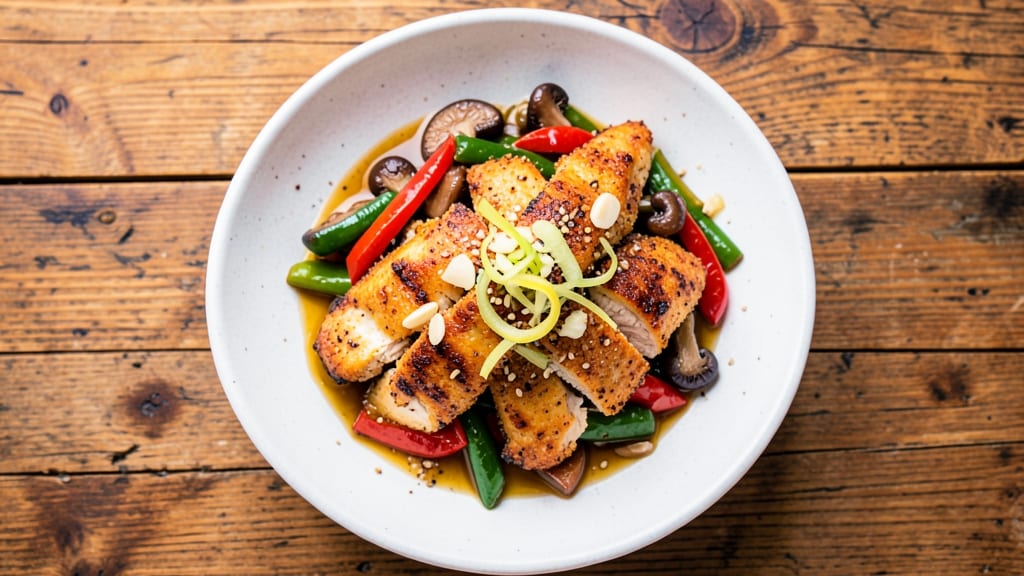
This Atkins chicken stir fry recipe delivers all the wok-house flavor without the carb overload—crispy chicken edges, vibrant veggies, and a sugar-free sauce that keeps net carbs under 20g per serving.
The secret lies in almond flour coating for that perfect crunch while keeping it keto-friendly, paired with quick-cooking vegetables that stay crisp-tender. I designed this for busy weeknights when you still want restaurant-quality results without the guilt.
What sets this recipe apart is the foolproof technique that ensures crispy chicken every time—no soggy edges here. We're using high-heat stir-frying (or air-frying for hands-off cooking) with a sugar-free sauce made from coconut aminos, garlic, and ginger.
The almond flour coating not only adds texture but also boosts protein while keeping carbs in check. This isn't just another low-carb copycat; it's a flavor-packed meal that actually satisfies.
The result is a dish that's restaurant-quality at home—golden-brown chicken with crispy edges, colorful stir-fried vegetables, and a sauce that's tangy, aromatic, and perfectly balanced. The best part? It comes together in under 30 minutes with minimal cleanup.
Whether you're following Atkins strictly or just watching your carb intake, this stir fry delivers big flavor without the sugar crash.
For extra versatility, I've included variations like sesame-garlic or spicy chili-lime versions that keep the low-carb focus while adding exciting flavor profiles. The recipe works beautifully with cauliflower rice or zucchini noodles for a complete meal. Let's make this your new go-to weeknight dinner!
Ingredients for atkins chicken stir fry
Pantry staples meet wok magic for crispy, low-carb chicken that tastes like takeout—no guilt, just flavor.
| Ingredient | Amount | Notes |
|---|---|---|
| Boneless Chicken Breast 🍗 | 1 ½ lb | Cut into 1-inch strips, pounded even |
| Almond Flour 🌰 | 1 cup | Fine, blanched preferred for coating |
| Large Eggs 🥚 | 2 whole | Room temperature for even coating |
| Coconut Aminos 🥢 | ½ cup | Soy sauce substitute for umami |
| Fresh Garlic Cloves 🧄 | 4 cloves | Minced for sauce and coating |
| Fresh Ginger 🌿 | 1 tbsp | Grated, aromatic base |
| Sesame Oil 🫒 | 1 tbsp | Toasted for nutty aroma |
| Avocado Oil 🫒 | ¼ cup | High smoke point for stir-frying |
| Bell Peppers 🧅 | 2 whole | Assorted colors, sliced into strips |
| Broccoli Florets 🥦 | 2 cups | Cut into bite-sized pieces |
| Green Onions 🧅 | 3 whole | Sliced, white and green parts |
| Diamond Crystal Kosher Salt 🧂 | ½ tsp | For seasoning and sauce |
| Ground Black Pepper 🌶️ | ¼ tsp | Freshly cracked for heat |
| Sesame Seeds 🌾 | 1 tbsp | Toasted for garnish |
| Red Chili Flakes 🌶️ | ½ tsp | Optional for heat kick |
The almond flour is non-negotiable for that crispy texture without the carbs. Bob's Red Mill or Trader Joe's brands work best—they're finely ground and won't clump. Chicken strips should be uniform in size so they cook evenly. If you can't find coconut aminos, low-sodium soy sauce works in a pinch, but it'll have more sodium. Fresh ginger and garlic? Always better than the jarred stuff—Costco sells big tubs that last for months. The bell peppers can be any color, but red stays crispest longest when stir-fried.
No almond flour? Crushed pork rinds give a similar crunch (just add 1/4 cup), though the flavor won't be identical. Short on coconut aminos? Fish sauce plus a pinch of sugar substitute mimics the umami. The sesame oil is for flavor, not cooking—add it at the end. For extra protein, toss in sliced mushrooms or snap peas. And if you're feeling fancy, toasted sesame oil (found at Asian markets) adds next-level depth. The red chili flakes? Only add if you're brave—it's spicy!
Prep the chicken and veggies first—they'll keep in the fridge for 2 days if stored separately. The almond flour coating stays crispy for 1 hour at room temp, so don't marinate it too long. Leftovers reheat beautifully in a skillet or air fryer for 2-3 minutes. For meal prep, store sauce separately and toss with reheated chicken to keep everything crisp. Freezes for 3 months if you're planning ahead—just thaw overnight in the fridge.
Why You'll Love This Recipe
- Here’s what sold me: this reheats like a dream. Pack it for work, toss it in a bento box, or freeze half for when you’re too tired to cook. The texture stays crispy even after a day.
- No-Fuss Coating: The almond flour crust is ridiculously forgiving—no rolling, no stress. Just toss the chicken in egg, dip in flour, and let the pan do the work. That crispy bite? Zero effort, all reward.
- Garlic Bomb Flavor: Between us, the fresh garlic and coconut aminos turn this into a savory punch. It’s the kind of dish where you forget it’s low-carb—until someone asks, and then you brag about how it fits your macros.
- Lunchbox Hero: Here’s what sold me: this reheats like a dream. Pack it for work, toss it in a bento box, or freeze half for when you’re too tired to cook. The texture stays crispy even after a day.
Step-by-step instructions for Atkins chicken stir fry
Here's how to create a perfectly crispy, low-carb stir fry that delivers restaurant-quality wok magic.
Prepare the Chicken for Maximum Crispiness
Start by cutting the 1.5 lb boneless chicken breast into 1-inch strips and pounding them to an even thickness using a meat mallet wrapped in plastic wrap. This ensures even cooking and prevents dryness. Place the chicken strips in a shallow bowl and season generously with 0.5 tsp Diamond Crystal kosher salt and 0.25 tsp ground black pepper. Let them rest for 10 minutes while you prepare the coating.
In a separate bowl, whisk together the 1 cup almond flour, 0.5 cup coconut aminos, 4 cloves minced fresh garlic cloves, 1 tbsp grated fresh ginger, and 0.5 tsp red chili flakes (if using). The almond flour creates a crispy, low-carb crust while the coconut aminos add that essential umami depth. Dip each chicken strip in the egg wash (the 2 whole large eggs, beaten lightly), then coat thoroughly in the almond flour mixture, pressing gently to adhere. Arrange the coated chicken on a wire rack set over a baking sheet and refrigerate for 15 minutes—this chilling step is crucial for maintaining crisp edges during cooking.
Stir-Fry the Vegetables with Precision Timing
While the chicken chills, slice the 2 whole bell peppers into ¼-inch strips and cut the 2 cups broccoli florets into bite-sized pieces. Thinly slice the 3 whole green onions, separating the white and green parts. Heat 0.125 cup avocado oil in a 14-inch wok or skillet over high heat until shimmering. Add the broccoli and stir-fry for 2-3 minutes until bright green and just tender—you want to preserve that satisfying crunch.
Add the bell peppers and stir-fry for another 2 minutes until they begin to soften but still retain some bite. Push the vegetables to one side of the wok and add the remaining 0.125 cup avocado oil. Toss in the white parts of the green onions and stir for 30 seconds until fragrant. This technique prevents overcrowding, which would steam the vegetables instead of searing them properly. Keep everything moving constantly to achieve that classic stir-fry texture.
Cook the Chicken to Perfect Doneness
Increase the heat to medium-high and add the chilled chicken strips in a single layer, leaving space between each piece. Let them sear undisturbed for 2-3 minutes until the almond flour coating turns deep golden brown and crispy. This initial sear locks in moisture and creates that satisfying crunch. Flip the chicken and cook for another 2-3 minutes until the internal temperature reaches 165°F—you'll see the edges remain crisp while the centers become juicy.
Here's the thing—don't overcrowd the wok. If you need to work in batches, keep the cooked chicken warm in a 200°F oven while you finish the remaining pieces. The high heat is essential for maintaining that crispy texture we're after. Once all the chicken is cooked, transfer it to a clean plate and tent loosely with foil to keep it warm while you finish the sauce.
Build the Flavor-Packed Sauce
Return the wok to medium heat and add 1 tbsp sesame oil. Let it sizzle for 10 seconds until fragrant, then add the remaining white parts of the green onions and cook for 30 seconds to release their aroma. Pour in the 0.5 cup coconut aminos and scrape up any browned bits from the bottom of the wok—this is where all the flavor lives. Let the sauce simmer for 2-3 minutes until it thickens slightly and coats the back of a spoon.
Return the chicken to the wok along with any accumulated juices. Toss everything together for 1-2 minutes until the chicken is evenly coated in the sauce. The residual heat will finish cooking the chicken while infusing it with that delicious umami flavor. Taste and adjust seasoning with additional kosher salt or black pepper if needed—remember, the coconut aminos are salty, so go easy with extra salt.
Finish with Crispy Garnishes
Transfer the stir fry to serving plates and garnish immediately with the sliced green onion tops and 1 tbsp toasted sesame seeds. The sesame seeds add a nutty crunch and visual appeal that takes this dish to the next level. Serve while piping hot, straight from the wok—this stir fry doesn't wait. Each bite should deliver that perfect balance of crispy chicken, tender vegetables, and flavorful sauce with just the right amount of heat from those chili flakes.
Real talk: the secret to this low-carb version is the almond flour coating. It mimics the texture of traditional wheat-based coatings while keeping carbs in check. And that crispy edge? That's what makes this stir fry feel indulgent even though it's perfectly aligned with Atkins principles. Enjoy immediately while the edges are still crisp and the flavors are at their peak!
Pro Tips For Making Atkins Chicken Stir Fry
- CRISP THE CHICKEN FIRST: I learned this the hard way—skipping the initial sear in almond flour makes the stir-fry taste bland and mushy. Pat the chicken bone-dry with paper towels, then coat it in almond flour and sear in a hot pan (350°F) for 2 minutes per side before stir-frying. The extra step guarantees that crispy texture you crave.
- MINCE THAT GARLIC: Fresh garlic cloves in stir-fry? Not ideal. Mince them finely—almost like a paste—so they dissolve into the sauce instead of sitting as chewy chunks. I used to chop them roughly, and they’d always be the first thing I’d pick out. A quick pulse in a food processor does the trick if you’re impatient (yes, even if you’re me).
- DON’T OVERMIX THE BATTER: When coating the chicken in egg and almond flour, resist the urge to dredge it like a deep-fried chicken cutlet. Lightly brush the egg on, then press almond flour gently so it sticks without forming a thick, soggy crust. Thick batter = greasy, uneven cooking. Thin and even = perfect sear every time.
- SAVE TIME WITH COCONUT AMINOS: No need to reduce coconut aminos into a thick glaze—just toss the stir-fry ingredients in a hot pan with 2 tablespoons of coconut aminos first, let it sizzle for 30 seconds, then add the chicken. The heat concentrates the sauce naturally, cutting down on extra simmering. Works just as well, with half the effort.
Common mistakes when making great atkins chicken stir fry
Overcrowding the Wok
This is the #1 mistake that turns crispy stir fry into soggy disappointment. When you pack too many chicken pieces or veggies into the wok at once, steam builds up instead of searing. I've learned the hard way—your goal is single-layer cooking with space between pieces.
If you need to cook in batches, keep the first batch warm in a 200°F oven while finishing the rest. The high heat is what creates those magical crispy edges, and overcrowding steals that heat away. 🔥
Skipping the Chill Step
That 15-minute fridge chill after coating the chicken isn't optional—it's what keeps those edges crispy. I've seen people rush this step, and the result? A coating that turns greasy instead of golden. The cold helps the almond flour set properly before hitting the hot wok.
Pro tip: Use a wire rack over a baking sheet for maximum airflow during chilling. This keeps the coating light and crispy rather than heavy and soggy.
Using Low-Quality Oil
Avocado oil has a high smoke point (520°F), which is crucial for stir-frying. I've made the mistake of using olive oil (even the "light" kind) and ended up with bitter flavors and smoke filling the kitchen.
For this recipe, stick with avocado oil or refined coconut oil. The high heat is what creates that wok hei (breath of the wok) flavor—don't ruin it with oil that breaks down too quickly. 🫒
Undercooking the Chicken
Many people pull chicken from the wok too soon, thinking it's done when the coating is brown. But the internal temperature must reach 165°F for food safety. I've had to send perfectly browned chicken back into the wok more times than I'd like to admit.
Use a meat thermometer—it's the only way to be sure. The good news is that the almond flour coating helps maintain that crispy texture even when the chicken finishes cooking.
Not Prepping Ingredients First
This is where home cooks often get tripped up. Having your chicken cut, veggies sliced, and sauce ready to go makes all the difference. I've seen people try to chop while cooking, leading to unevenly cooked vegetables or burnt chicken.
Set up a prep station with all your ingredients measured and ready. The stir-fry comes together in under 30 minutes when everything's prepped—no excuses for last-minute chaos. ⏰
Ignoring the Sauce Timing
The sauce needs to simmer just enough to thicken slightly—about 2-3 minutes—but not reduce completely. I've had sauces turn gluey when left too long, or watery when rushed. The key is that high heat for the sauce (after removing chicken) builds flavor quickly.
Taste it before adding the chicken back—it should coat the back of a spoon but still be pourable. This balance is what makes the sauce cling perfectly to the chicken without overwhelming it.
Nutrition facts
Frequently asked questions
Can I use chicken thighs instead of breast for this recipe?
Yes, but with adjustments! Chicken thighs are more forgiving and stay juicier, but they'll cook faster than breast. Use 1.25 lb boneless thighs instead, cut into 1-inch strips, and reduce cooking time by 1-2 minutes per side. The almond flour coating will still crisp up beautifully, though thighs have more natural fat which adds richness. Just watch the internal temp—thighs are done at 165°F too.
How do I make this stir fry without a wok?
No problem! Use a 12-inch cast iron skillet or large nonstick frying pan with high sides. The key is maintaining high heat—preheat your pan for 3-5 minutes until it's smoking slightly. A flat-top griddle works too, but stir constantly to prevent sticking. For extra crispiness, finish the chicken under a broiler for 1-2 minutes after stir-frying.
What's the best low-carb rice substitute for this dish?
Cauliflower rice is the classic choice—it absorbs the sauce beautifully and adds volume. For 4 servings, use 4 cups riced cauliflower (about 1 head). Sauté it separately in 1 tbsp avocado oil for 3-4 minutes until tender-crisp, then mix with the stir fry at the end. Other options: shirataki noodles (rinsed well) or zucchini noodles (cook for just 1 minute to avoid mushiness).
Why does my almond flour coating get greasy instead of crispy?
This usually happens from one of three things: skipping the chill step, overcrowding the pan, or using too much oil. First, always chill coated chicken for 15 minutes before cooking. Second, cook in batches if needed—never more than half the pan at once. Finally, use just 0.25 cup avocado oil total (not per batch). The almond flour needs dry heat to crisp, not steam!
Can I meal prep this stir fry ahead of time?
Yes, but with smart separation! Cook the chicken and veggies separately, then store in airtight containers for 3-4 days. Reheat chicken in an air fryer for 3 minutes at 375°F or skillet for 2 minutes to revive crispiness. Veggies can be reheated together with fresh sauce. For best texture, assemble and serve immediately after reheating—this isn't a dish that holds crisp edges well when stored.