
Main Courses
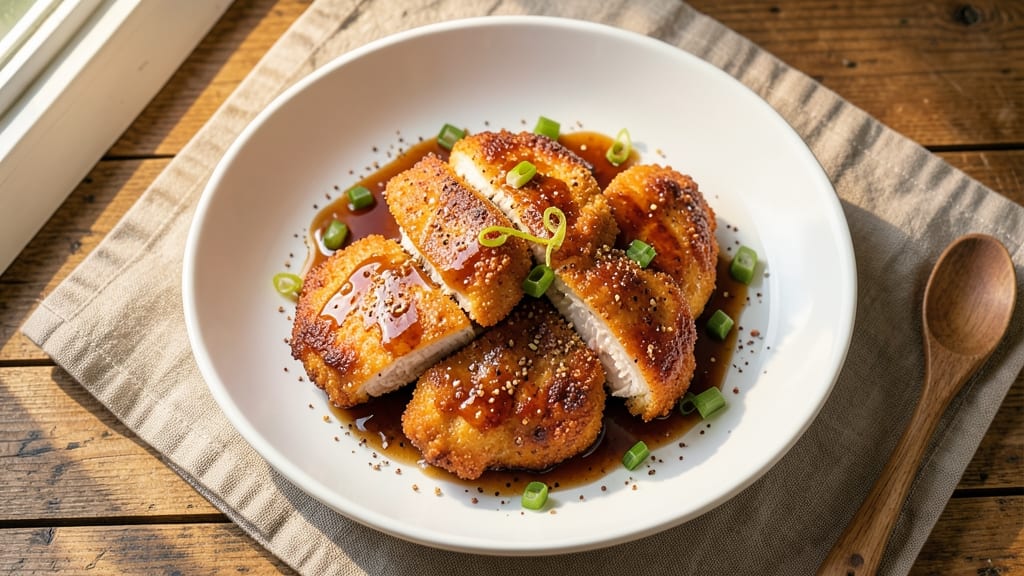
This Asian fried chicken breast recipe delivers the perfect balance of crispy five-spice crust and juicy centers—transforming simple chicken into a restaurant-worthy dish.
The secret lies in a well-marinated blend of soy sauce, garlic, and ginger, followed by a double-dredge technique that guarantees a golden, shatteringly crisp exterior while keeping the meat tender inside. I've perfected this method over countless batches, ensuring every bite is packed with flavor and texture.
The process begins with a simple yet effective marinade that infuses the chicken with authentic Asian flavors, then moves to a dual breading step that creates that signature crunch.
Whether you're deep-frying for maximum crispiness or pan-frying for a lighter approach, the key is patience—cooking the chicken in batches ensures even browning without overcrowding the pan. This method works for both beginners and experienced cooks, delivering foolproof results every time.
What you’ll end up with is chicken that’s golden-brown and crackling on the outside, with tender, flavorful meat that stays juicy despite the frying. The five-spice crust adds a subtle warmth that complements the savory-sweet marinade, making each bite both satisfying and complex.
Serve it with a side of steamed rice and your favorite dipping sauce for the full experience.
This recipe scales effortlessly, whether you're feeding a crowd or meal prepping for the week. The technique is adaptable—swap in different spices for variations, or adjust the frying method to suit your preferences. Let’s get started on creating your perfect batch of Asian fried chicken.
Ingredients for asian fried chicken breast
Pantry staples meet Asian flavors—just 14 ingredients for restaurant-style fried chicken.
| Ingredient | Amount | Notes |
|---|---|---|
| Boneless, Skinless Chicken Breast 🍗 | 1 ½ lb | Pounded to even thickness |
| All-Purpose Flour 🌾 | 1 cup | For dredging, sifted |
| Cornstarch 🌾 | ½ cup | For extra crispiness |
| Large Eggs 🥚 | 2 whole | Beaten for coating |
| Five-Spice Powder 🌶️ | 2 tbsp | Authentic blend preferred |
| Soy Sauce 🍶 | ½ cup | Low-sodium preferred |
| Garlic Cloves 🧄 | 4 cloves | Minced for marinade |
| Fresh Ginger 🌿 | 1 tbsp | Grated, aromatic |
| Vegetable Oil 🫒 | 2 cups | For deep frying |
| Sesame Seeds 🌾 | 1 tbsp | Toasted for garnish |
| Salt 🧂 | 1 tsp | Kosher salt preferred |
| Black Pepper 🌶️ | ½ tsp | Freshly ground |
| Rice Vinegar 🍶 | 1 tbsp | For marinade balance |
| Honey 🍯 | 1 tbsp | For sweet-savory depth |
The five-spice powder is non-negotiable here—Penzeys or Trader Joe's carry the best blends. If you can't find it, swap equal parts cinnamon, star anise, cloves, fennel, and Sichuan peppercorn (toast and grind them first). The chicken breasts should be similar in size—pound the thickest ones to 0.5-inch thickness for even cooking. Costco sells pre-pounded chicken that saves time, but regular supermarket breasts work just as well if you take the extra minute to flatten them. Look for breasts with good marbling—they stay juicier when fried.
No five-spice powder? Mix 1 tsp each cinnamon, ginger, cloves, and black pepper for a quick substitute. Short on soy sauce? Coconut aminos work in a pinch (use same amount). The cornstarch is key for that signature crunch—Bob's Red Mill is my go-to brand, but any good-quality cornstarch works. For the marinade, fresh ginger makes all the difference, but if you're using dried, reduce to 0.5 tsp. The honey adds that perfect balance—avoid artificial substitutes as they won't caramelize the same way. And if you're pan-frying instead of deep-frying, use avocado oil for a higher smoke point.
This keeps 3 days in the fridge if stored properly—wrap tightly in parchment paper to maintain crispiness. For longer storage, freeze for up to 2 months (thaw in the fridge overnight before reheating). Reheat in a 350°F oven for 10 minutes to restore that crispy texture. I always make extra because it disappears fast—portion into single servings before freezing for easy grab-and-go meals. The sesame seeds can be toasted in a dry pan for 30 seconds before sprinkling for extra aroma.
Why You'll Love This Recipe
- Few-Pan Wonder: I swear by this recipe when I’m too tired to wash dishes—just one sheet pan, a quick egg wash, and that five-spice powder magic. The cornstarch crust stays crispy without the mess of double-dredging.
- Umami Bomb: That five-spice powder isn’t just for luck—it’s the secret. Warm, aromatic, and just a little sweet, it turns bland chicken into something you’ll fight over. Honestly, my husband now asks for it by name.
- Lunchbox Legend: Between us, this is my go-to for meal prep. The breasts stay tender even after reheating, and the crispy coating holds up in bento boxes. Pack it cold or warm—either way, it’s a hit.
- Budget Win: Skinless chicken breasts are cheap, and this recipe stretches them far. A single batch feeds four for dinner, and the leftovers? Perfect for quick lunches or last-minute snacks. No guilt, all flavor.
Step-by-step instructions for crispy five-spice fried chicken breast
Here's how to get that perfect balance of crunchy exterior and tender interior every time.
Prepare the Marinade and Pound the Chicken
In a small bowl, combine the 0.5 cup soy sauce, 1 tbsp rice vinegar, 1 tbsp honey, 4 cloves minced garlic, and 1 tbsp grated fresh ginger. Mix well until the honey dissolves completely. This marinade won't just flavor the chicken—it'll help tenderize those tough breast muscles.
Place the 1.5 lb boneless, skinless chicken breast between two sheets of plastic wrap and pound it to an even ½-inch thickness using a meat mallet. This ensures even cooking and prevents dryness. Place the pounded chicken in a shallow dish and pour the marinade over it, turning to coat both sides. Let it marinate for at least 30 minutes (up to 2 hours for deeper flavor), covered in the fridge.
Create the Five-Spice Coating
In a large bowl, whisk together the 1 cup all-purpose flour, 0.5 cup cornstarch (this is key for extra crispiness), 2 tbsp five-spice powder, 1 tsp salt, and 0.5 tsp black pepper. The five-spice blend gives that signature Asian warmth—think cinnamon, star anise, clove, fennel, and Sichuan peppercorn all in one. Sift the mixture to remove any lumps and set aside.
In a separate bowl, beat the 2 whole large eggs until just combined but still slightly thick. The cornstarch in the flour mixture will create a lighter, crispier crust than flour alone, but you need that egg to help bind everything together. Keep both bowls ready for the next step.
Set Up for Deep Frying
Fill a deep pot or Dutch oven with 2 cups vegetable oil (enough to submerge the chicken completely) and heat it over medium heat until it reaches 350°F. Use a deep-fry thermometer to monitor the temperature—this is critical for even cooking. If the oil isn't hot enough, the chicken will absorb too much oil and become greasy instead of crispy.
While the oil heats, prepare your dredging station. Have three shallow bowls: one with the flour mixture, one with the beaten eggs, and one empty for the coated chicken. Work quickly once the oil is hot—you want to maintain that 350°F temperature as you fry.
Fry to Golden Perfection
Remove the chicken from the marinade (let any excess drip off) and dredge each piece in the flour mixture, pressing gently to adhere. Shake off any excess, then dip in the beaten egg, letting any excess drip back into the bowl. Finally, return each piece to the flour mixture, pressing again to create a thick, even coating. This double-dredging is what gives the chicken that signature double-crisp crust.
Carefully lower the coated chicken into the hot oil, working in batches if needed to avoid overcrowding. Fry for 4-5 minutes per side until the chicken is golden brown and the internal temperature reaches 165°F. The oil should be bubbling steadily around the chicken—if it's smoking excessively, reduce the heat slightly to maintain 350°F. Use tongs to turn the chicken gently to avoid breaking the crust.
Rest and Serve with Garnish
Transfer the fried chicken to a wire rack set over a paper towel-lined plate. Let it rest for 5 minutes to allow the juices to redistribute—this keeps the meat juicy instead of releasing everything onto your plate. The crust will stay crispy during this time, but the chicken will be hot and ready to serve.
While the chicken rests, toast the 1 tbsp sesame seeds in a dry skillet over medium heat for 1-2 minutes until golden and fragrant. Sprinkle them over the fried chicken just before serving. The contrast of the nutty sesame seeds with the aromatic five-spice crust is what makes this dish truly special. Serve immediately with your favorite dipping sauce or extra marinade for dipping.
Pro Tips For Making Asian Fried Chicken Breast
- USE CORNSTARCH LAST: The flour soaks up moisture first—toss the chicken in flour, then egg, then finally cornstarch. I learned this the hard way when my crust turned to dust because I mixed all three together. The cornstarch needs to stay dry until it hits the hot oil, or it’ll clump like sad batter.
- PAT THE BREAST DRY: No one likes a soggy crust, and damp chicken is its enemy. After washing, blot the breasts with paper towels—really press down—until they’re bone-dry. I skip this sometimes, and the coating sticks like wet newspaper. (Yes, even if you’re impatient like me.)
- FRIED IN BATCHES: Crowd the pan, and the oil temperature drops faster than your motivation. Fry 2-3 pieces at a time max, and keep the oil at 350°F (175°C) the whole time. After burning three batches trying to rush it, I now wait 5 minutes between batches to reset the heat. Your future self will thank you.
- SALT THE FIVE-SPICE: Five-spice powder is aromatic but bland on its own—toss it with a pinch of salt before mixing into the flour. I was skeptical until I tried it; the salt cuts through the sweetness and makes the crust actually taste like it belongs in an Asian takeout menu. (Not just "spiced flour.")
Creative variations of asian fried chicken breast
Spicy Thai Chili-Lime
Swap the five-spice powder for 1 tbsp red curry powder and 1 tbsp lime zest in your coating mix. Add 1 tsp chili flakes and 1 tsp fish sauce to the marinade for a bold Thai kick.
I love using Thai bird's eye chilies for extra heat—just slice a few thinly and toss them into the marinade. Serve with a side of sweet chili sauce for dipping. 🌶️
Japanese Teriyaki Glaze
Marinate the chicken in 0.5 cup teriyaki sauce (store-bought or homemade) instead of soy sauce, and add 1 tbsp mirin and 1 tbsp grated daikon radish for extra umami. After frying, brush the chicken with extra teriyaki sauce and broil for 2 minutes to create a glossy glaze.
Garnish with toasted sesame seeds and thinly sliced scallions. 🍶
Korean Gochujang Crunch
Mix 2 tbsp gochujang (Korean chili paste) into the marinade along with 1 tbsp honey and 1 tbsp rice vinegar. For the coating, replace five-spice powder with 1 tbsp toasted sesame seeds and 1 tbsp gochugaru (Korean chili flakes).
After frying, drizzle with a mix of 1 tbsp gochujang and 1 tsp sesame oil for a spicy, tangy finish. 🌶️
Sweet and Sticky Honey-Soy
Increase the honey to 2 tbsp in the marinade and add 1 tsp grated orange zest for brightness. For the coating, use 1 tbsp cinnamon instead of five-spice powder.
After frying, brush the chicken with a mix of 2 tbsp honey and 1 tbsp soy sauce, then broil for 1-2 minutes to caramelize. Garnish with crushed peanuts for texture. 🍯
Herb-Infused Vietnamese
Add 1 tbsp fish sauce and 1 tbsp lime juice to the marinade, along with 1 tbsp chopped cilantro and 1 tbsp chopped Thai basil. For the coating, replace five-spice powder with 1 tbsp dried lemongrass powder (or blend fresh lemongrass into a powder).
Serve with a side of nuoc cham (Vietnamese dipping sauce) for the full experience. 🌿
Smoky BBQ Asian Fusion
Add 1 tbsp smoked paprika and 1 tbsp liquid smoke to the marinade for a smoky depth. Use 1 tbsp brown sugar in the coating mix to replace five-spice powder.
After frying, glaze the chicken with 2 tbsp BBQ sauce and broil for 1-2 minutes. Garnish with crushed red pepper flakes and chopped cilantro. 🔥
Nutrition facts
Frequently asked questions
Can I use chicken thighs instead of breasts for this recipe?
While you can substitute thighs, the cooking time and texture will differ. Thighs stay juicier but may require 3-4 minutes per side at 350°F to reach 165°F internally. The crispy crust will still form, but thighs have more fat, so they'll be slightly less crispy overall. For best results, pat them dry thoroughly before coating.
How do I keep the chicken crispy after frying?
Transfer fried chicken to a wire rack (not a plate) to let air circulate underneath. Avoid stacking pieces, as steam will make the coating soggy. For leftovers, reheat in a 400°F oven for 5-7 minutes on a rack—never microwave, as it turns the crust rubbery. Store in an airtight container with parchment paper between layers.
What's the best oil for frying Asian fried chicken?
Use high-smoke-point oils like vegetable, canola, or peanut oil for neutral flavor. Avoid olive oil—it burns at 350°F and imparts a bitter taste. For extra crispiness, use a mix of 50% oil and 50% melted shortening (like Crisco) in the coating. Always heat oil gradually to avoid smoking, which lowers the temperature.
Can I bake this chicken instead of frying?
Yes! Preheat oven to 425°F and brush chicken with 1 tbsp oil after coating. Bake on a wire rack for 18-20 minutes, flipping halfway. For extra crispiness, broil for 2 minutes at the end. The texture won't be as crispy as fried, but it's a healthier alternative with 80% less oil. Use an oven thermometer to ensure accurate heat.
Why did my chicken turn out greasy instead of crispy?
Greasy chicken usually means the oil wasn't hot enough (350°F) or the chicken was overcrowded in the pan. Always test oil temperature with a thermometer—it should sizzle when chicken touches it. For extra crispiness, chill the chicken for 30 minutes after coating before frying (reduces moisture). Also, use cornstarch in the coating (as in the recipe) for that signature crunch.