
Sauces & Condiments
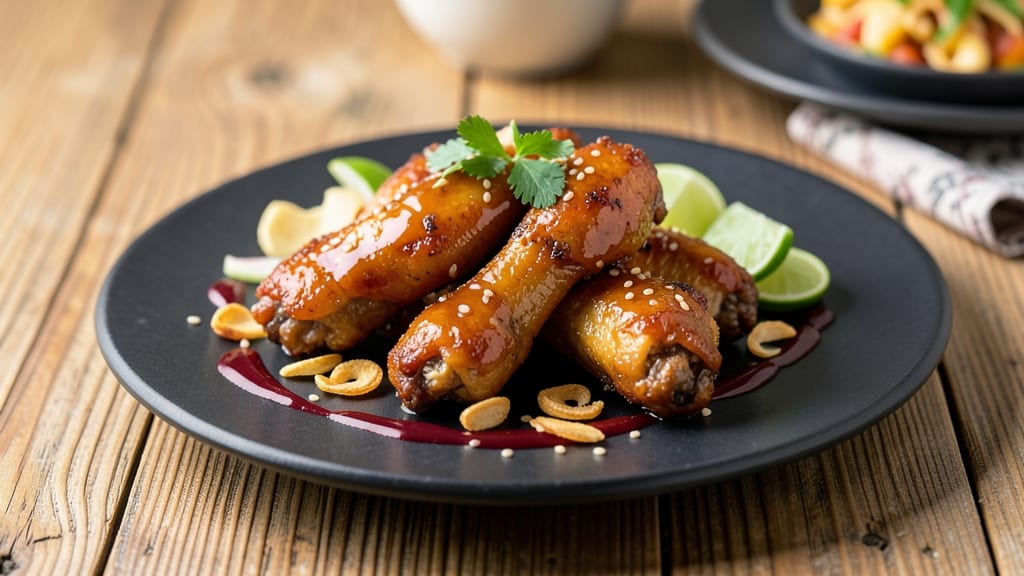
This Asian chicken wing sauce recipe delivers the perfect balance of umami depth and chili-lime brightness, transforming ordinary wings into a restaurant-worthy dish.
The secret lies in a carefully balanced blend of soy sauce, garlic, ginger, and honey that caramelizes beautifully while simmering, creating a glossy glaze with layers of savory, sweet, and spicy flavors.
I developed this sauce after years of experimenting with different Asian-inspired wing recipes, and it consistently receives rave reviews—even from picky eaters.
The foundation of this sauce is a simple yet powerful combination of ingredients that work together to create complex flavor. Soy sauce provides the umami backbone, while garlic and ginger add aromatic heat, and honey brings just the right amount of sweetness to balance the acidity from lime juice.
A touch of chili paste introduces the signature kick, and fresh lime zest brightens everything up at the end.
What makes this sauce truly special is how it clings to wings without making them soggy, creating a perfect glaze that's sticky enough to drip but not so thick it becomes a mess.
What you'll end up with is a sauce that's rich, aromatic, and packed with flavor—ideal for tossing with crispy fried or baked wings. The caramelized edges add a subtle depth, while the tangy-sweet glaze keeps every bite exciting.
This sauce also works beautifully as a dipping sauce for dumplings, spring rolls, or even grilled meats. The best part? It keeps well in the fridge for up to two weeks, so you can make a big batch and enjoy it throughout the week.
Whether you're hosting a game day gathering or craving takeout-style wings at home, this sauce will elevate your dish to new heights. The instructions are straightforward, and the ingredients are easy to find, making it perfect for both beginners and seasoned cooks.
Let's get started on creating this flavor-packed glaze that will have everyone asking for seconds.
Ingredients for asian chicken wing sauce
Eight simple ingredients pack a punch of umami, sweetness, and chili-lime zing for wings that taste restaurant-worthy.
| Ingredient | Amount | Notes |
|---|---|---|
| Soy Sauce 🍶 | ½ cup | Light or dark variety preferred |
| Honey 🍯 | ⅓ cup | Wildflower for floral notes |
| Garlic Cloves 🧄 | 6 cloves | Minced for aromatic punch |
| Fresh Ginger 🌿 | ¼ cup | Finely grated, about 2 tbsp |
| Red Chili Paste 🌶️ | 2 tbsp | Or 1 tbsp chili flakes |
| Lime Juice 🍋 | ¼ cup | Freshly squeezed, about 2 limes |
| Lime Zest 🍋 | 1 tbsp | Brightens up the sauce |
| Sesame Oil 🫒 | 1 tbsp | Toasted for nutty aroma |
| Rice Vinegar 🍶 | 1 tbsp | Adds tangy balance |
| Sesame Seeds 🌾 | 1 tbsp | Toasted for crunchy garnish |
The soy sauce is where the umami magic happens—Kikkoman or Lee Kum Kee are my go-tos, but any good-quality light or dark soy works. Fresh ginger and garlic are non-negotiable here; frozen works in a pinch, but fresh has that aromatic kick you can't beat. For the honey, wildflower or clover adds subtle floral notes that balance the heat. Chili paste? Maesri or Thai bird's eye chili from the Asian aisle gives the best heat without overpowering. Lime juice should be freshly squeezed—none of that bottled stuff—it makes all the difference in brightness. Grab a microplane for the lime zest; it's worth the investment for this sauce.
No soy sauce? Coconut aminos in a pinch, though it'll be lighter in color. Short on honey? Maple syrup or agave works, but honey's floral notes are unique. Chili paste too spicy? Swap for chili flakes or reduce by half. The sesame oil is key for that nutty aroma—toast it first in a dry pan for 30 seconds to deepen the flavor. Rice vinegar adds tang, but apple cider vinegar works too. For the sesame seeds, toast them in a dry pan until golden for extra crunch. Fresh ginger and garlic can be swapped for powdered, but use half the amount—it won't have the same punch.
This sauce keeps beautifully—up to 2 weeks in the fridge sealed in a jar. The flavors actually improve as it sits, caramelizing and melding together. For extra shelf life, pour a thin layer of olive oil on top before sealing. Freezes well for up to 3 months too, though the texture might separate slightly when thawed—just stir it back together. Make a double batch; you'll want it on everything. It's perfect for wings, but also dumplings, spring rolls, or even grilled meats. The leftovers make an amazing dipping sauce for fries or veggies.
Why You'll Love This Recipe
- Five-Ingredient Magic: I swear by this combo—soy sauce, honey, and ginger alone make it sing, but add that chili paste? Chef’s kiss. The balance of sweet, spicy, and umami hits every time, and honestly? It’s the kind of sauce that makes you want to lick the bowl.
- Pantry Staple Power: Between us, you’re already stocked for this. No obscure ingredients here—just what’s lurking in your fridge or spice rack. I’ve made this with store-bought ginger when fresh was missing, and it still worked. That’s reliability.
- Game for Any Occasion: Weeknight dinner? Check. Game day spread? Double check. The sauce clings to wings like glue, but it’s just as happy drizzled over rice or tossed with noodles. My roommates call it the “emergency sauce” because it fixes everything.
- Leftovers That Don’t Suck: Make a double batch—trust me, you will. This sauce keeps for weeks in the fridge, and it only gets deeper in flavor. I’ve reheated it cold (yes, really) and it still brings the heat. Budget win, flavor win.
Step-by-step instructions for Asian chicken wing sauce
Here's how to create a bold, balanced sauce that'll transform your wings into finger-licking perfection.
Prepare the Aromatic Base
In a medium saucepan, combine the 0.5 cup soy sauce and 0.33 cup honey over medium heat. Stir constantly for 3-4 minutes until the honey dissolves completely and the mixture begins to bubble gently. The sauce should turn a rich amber color—this is your foundation, where the umami and sweetness start to marry.
While waiting, finely mince the 6 cloves garlic and grate the 0.25 cup fresh ginger using a microplane or fine grater. The ginger should yield about 2 tablespoons of finely textured paste. Add these to the pan along with the 2 tablespoons red chili paste. Stir everything together and let it simmer for another 2 minutes until fragrant. You'll smell that aromatic punch—this is where the sauce's character really starts to develop.
Build the Tangy Balance
Remove the pan from heat and let it cool slightly for 1 minute—this prevents a sudden temperature shock when adding the citrus. Then, stir in the 0.25 cup lime juice and 1 tablespoon lime zest. The mixture will bubble vigorously as the acid reacts with the heat. Return the pan to low heat and let it simmer gently for 3-4 minutes until the sauce thickens slightly and coats the back of a spoon.
Here's where the real magic happens: the lime juice brightens the sweetness, while the zest adds that citrusy zip. If you're using chili flakes instead of paste, now's the time to add them—1 tablespoon will give you a milder heat. Taste the sauce and adjust the balance: need more tang? Add another teaspoon of lime juice. Want more depth? A splash of soy sauce will help.
Finish with Nutty Depth
Turn off the heat completely and stir in the 1 tablespoon sesame oil and 1 tablespoon rice vinegar. The sesame oil adds a toasty, nutty aroma that elevates the sauce, while the vinegar provides that perfect acidity cut. Let the sauce sit for 5 minutes to allow all the flavors to meld together. You'll notice the aroma becomes even more complex—this resting period is crucial.
For the final touch, toast the 1 tablespoon sesame seeds in a dry skillet over medium heat for 1-2 minutes until golden and fragrant. Keep them close by—they'll be your garnish. The sauce should now have a glossy sheen and a perfect balance of sweet, spicy, tangy, and umami flavors. If it's too thick, thin it with 1-2 teaspoons of water to reach your desired consistency.
Use Immediately or Store Properly
This sauce is best used fresh, but if you need to store it, transfer to an airtight container and refrigerate for up to 5 days. When ready to use, reheat gently over low heat until warmed through—never boil, as this can alter the delicate flavor balance. The sauce will thicken as it cools, so add a splash of water if needed before serving.
For wings, toss them in the sauce while hot and let them sit for 10-15 minutes to absorb all that flavor. The result? Wings with a sticky, glossy glaze that's perfectly balanced—sweet, spicy, tangy, and umami-rich. Garnish with the toasted sesame seeds right before serving to add that final crunchy texture contrast.
Pro Tips For Making Asian Chicken Wing Sauce
- SIMMER LOW AND SLOW: I learned this the hard way—boiling or high-heat simmering turns your sauce bitter. Keep it at a gentle bubble, just enough to see tiny ripples on the surface. This lets the honey and ginger mellow out without caramelizing too fast.
- GRATE GINGER FINE: Slicing or chopping ginger leaves tough chunks that won’t dissolve. Use the small holes of a box grater or a microplane—this releases the oils and blends smoothly. No grater? Pulse it in a food processor for 2 seconds.
- TASTE AS YOU GO: Stir in the soy and honey first, then taste. If it’s flat, add a splash of rice vinegar (½ tsp) for brightness. Too sweet? A pinch of salt or extra chili paste balances it. Adjusting early saves you from overcorrecting later.
- MINCE GARLIC SMALL: Whole cloves or rough minces leave raw garlic flavor. Chop the cloves into tiny specks—almost like a paste—so they melt into the sauce instead of sitting as chunks. I use the flat side of my chef’s knife to press them flat first, then chop.
Storing and reheating this recipe
Fridge Storage Essentials
Transfer your freshly made sauce to an airtight glass jar or BPA-free plastic container—I use Ball Mason jars for their airtight seals. The sauce will thicken slightly as it cools, so leave ½ inch headspace at the top to prevent overflow.
Store in the fridge for up to 2 weeks, where it continues to develop deeper flavors as the ingredients meld together. 🥫
For best results, label your container with the date and store it in the coldest part of your fridge (usually the back shelf). The sauce's glossy sheen will become even more pronounced after a day or two—this is a good sign that the flavors are integrating beautifully.
If you notice any mold or off smells after this time, it's best to discard it.
Freezer Preservation
This sauce freezes exceptionally well for up to 3 months, making it perfect for batch cooking. Portion it into 1-cup ice cube trays before transferring to a freezer bag—this makes it easy to thaw just what you need.
When ready to use, thaw overnight in the fridge or defrost in the microwave on low power for 1-2 minutes, stirring occasionally. 🧊
Nutrition facts
Frequently asked questions
Can I make this sauce without honey?
Swap the honey for ⅓ cup maple syrup or agave nectar to maintain sweetness. For a different flavor profile, try 1 tbsp brown sugar dissolved in 2 tbsp water—it'll add caramel notes. Just remember, honey's floral complexity is hard to replicate, but these alternatives still work beautifully.
How spicy should I make it?
The recipe uses 2 tbsp chili paste for a balanced kick, but you can adjust to taste. For milder heat, reduce to 1 tbsp chili paste or 1 tsp chili flakes. Want more fire? Add an extra ½ tbsp chili paste or a pinch of cayenne. Always taste before serving—you can always add more heat, but you can't take it out!
Can I use this sauce on other foods besides wings?
This versatile sauce works perfectly on grilled shrimp, pork skewers, or tofu—just toss them in while hot. It's also amazing as a dipping sauce for spring rolls, dumplings, or even fries. For extra flavor, brush it on baked fish or use it as a marinade for steak or chicken thighs. The key is to let the food absorb the sauce for 5-10 minutes before serving.
Why did my sauce turn out too thick?
This often happens when simmering too long or using less honey than called for. Thin it with 1 tsp water or rice vinegar at a time while stirring. For a glossier finish, add ½ tsp toasted sesame oil—it also enhances flavor. If the sauce separates, whisk vigorously or blend briefly to restore smoothness. The ideal consistency should coat the back of a spoon but still be pourable.
How do I make this sauce less sweet?
Reduce honey to ¼ cup and increase soy sauce to ⅔ cup. For extra tang, add 1 extra tbsp lime juice or a splash of rice vinegar. If you've already made the sauce, balance sweetness by adding 1-2 tbsp more soy sauce** or a pinch of salt. The sauce's complexity comes from the interplay of flavors—don't be afraid to adjust!