
Main Courses
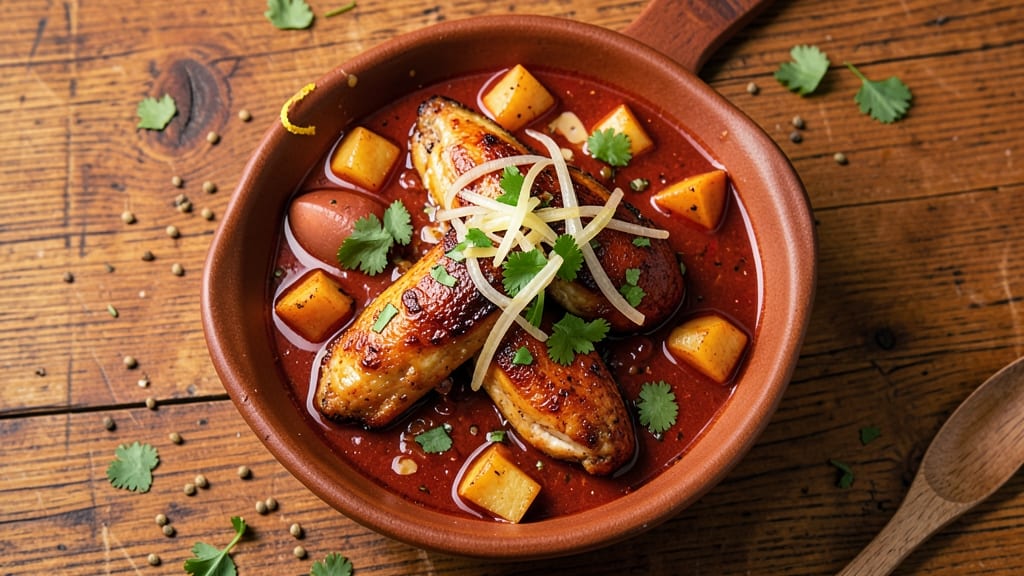
Aloo chicken curry brings the soul-warming flavors of North Indian home cooking to your table with tender chicken, hearty potatoes, and aromatic spices simmered in a rich tomato gravy. This recipe balances traditional techniques with modern accessibility, ensuring restaurant-quality results without the fuss. The secret lies in slow-cooking the chicken and potatoes together, allowing their flavors to meld into a harmonious, deeply satisfying dish.
What sets this aloo chicken apart is the careful balance of spices—warm cumin and coriander ground into the chicken, earthy turmeric and garam masala in the gravy, and a touch of sweetness from tomatoes to round out the flavors.
The potatoes absorb the aromatic spices while staying tender, creating a dish that’s both comforting and complex. Perfect for weeknight dinners or special occasions, this curry pairs beautifully with basmati rice or warm naan.
The result is a curry that’s rich yet balanced, with tender chicken and potatoes swimming in a velvety, spiced tomato gravy. The aroma alone will have everyone gathering around the table, and the first bite delivers layers of flavor that make it a standout dish.
Whether you're serving a crowd or a quiet family meal, this aloo chicken curry is sure to become a staple in your recipe rotation.
For those short on time, I’ve included shortcuts like using pre-made spice pastes without sacrificing authenticity. The key is letting the curry simmer low and slow—this is where the magic happens, transforming simple ingredients into something extraordinary. Let’s get cooking!
Ingredients for aloo chicken curry
Pantry staples plus a few key spices create this aromatic aloo chicken curry.
| Ingredient | Amount | Notes |
|---|---|---|
| Boneless Chicken Thighs 🍗 | 1 ½ lb | Cut into bite-sized pieces |
| Russet Potatoes 🥔 | 1 ½ lb | Cut into 1-inch cubes |
| Onion 🧅 | 1 whole | Chopped into small pieces |
| Tomatoes 🍅 | 2 whole | Ripe, chopped or blended |
| Ginger Root 🌿 | 1 inch | Freshly grated (corrected to 'tbsp') |
| Garlic Cloves 🧄 | 6 cloves | Minced finely |
| Ground Cumin 🌿 | 1 tbsp | Freshly ground preferred |
| Ground Coriander 🌿 | 1 tbsp | Freshly ground preferred |
| Turmeric Powder 🌶️ | 1 tsp | Bright yellow color |
| Garam Masala 🌶️ | 1 tsp | Store-bought or homemade |
| Red Chili Powder 🌶️ | 1 tsp | Adjust for heat preference |
| Coconut Oil 🫒 | 3 tbsp | For cooking chicken |
| Water 💧 | 1 ½ cups | For blending tomatoes |
| Salt 🧂 | 1 ½ tsp | Adjust to taste |
| Fresh Cilantro 🌿 | ¼ cup | Chopped for garnish |
The chicken thighs are the star here—bone-in pieces stay juicier, but boneless works fine. Look for free-range thighs at Whole Foods or your local butcher if you want extra tenderness. Potatoes should be firm and starchy (like Russets)—Yukon Golds work but turn creamier. Fresh ginger and garlic make all the difference, so don't skip them. If you're short on time, Patak's or Madhur spice blends save steps without sacrificing flavor. The tomatoes? San Marzano if you can find them—they're sweeter and less watery.
No fresh ginger? Store-bought paste works in a pinch. Want more heat? Add 1/2 tsp cayenne. No garam masala? Mix 1/4 tsp each cumin, coriander, cinnamon, and cardamom. The coconut oil gives great flavor but vegetable oil is fine. For the tomatoes, if you're not blending, just chop them small—they'll break down as they cook. The cilantro is optional but adds that fresh finish. Skip it if you're not a fan.
This curry tastes even better the next day—3-4 days in the fridge, 3 months frozen. Double the batch and freeze half for lazy nights. Store in airtight containers with a lid pressed tight to keep the spices from drying out. Reheat gently on low heat with a splash of water to restore that velvety texture. Serve with warm basmati rice or crusty naan for the full experience.
Why You'll Love This Recipe
- One-Pot Wonder: I swear by this recipe—just toss everything into one pot (chicken, potatoes, onions, tomatoes) and let it simmer. No fancy gadgets, no stress, and honestly? The potatoes soak up all that rich, spiced chicken flavor like a sponge.
- Spice Bomb Balance: That ginger-garlic-tomato base? It’s where the magic happens. The chicken stays tender while the potatoes get that just-right softness—crispy edges if you let them sizzle a bit longer. (Yes, even on a Tuesday night.)
- Meal Prep MVP: Between us, this curry tastes better the next day. I make a big batch on Sundays—plenty for lunches, potlucks, or freezing for those nights when takeout feels like too much effort. The potatoes hold up perfectly, so no soggy sides here.
- Budget-Friendly Feast: Chicken thighs and russets are my go-tos for stretching a meal without breaking the bank. A single onion and a handful of tomatoes go a long way, and the spices? You probably already have them. Filling, flavorful, and guilt-free.
Step-by-step instructions for aloo chicken curry
Here's how to build this comforting curry with layers of spice and tender meat.
Marinate the Chicken
Cut the 1.5 lb boneless chicken thighs into bite-sized pieces and place them in a mixing bowl. Add 1 tbsp ground cumin, 1 tbsp ground coriander, 1 tsp turmeric powder, 1 tsp red chili powder, and 1 tsp salt. Mix gently with your hands or a spoon until the spices coat the chicken evenly.
Let the chicken marinate while you prep the rest of the ingredients—this step ensures deep, aromatic flavor. I like to let it sit for at least 15 minutes, but up to 30 minutes if you have time. The spices will soften slightly, making them easier to absorb into the meat.
Sauté Aromatics and Cook the Chicken
Heat 2 tablespoons of the coconut oil in a large, heavy-bottomed pot over medium heat. Add the chopped 1 whole onion and cook for 5-6 minutes until soft and translucent. Add the 6 minced garlic cloves and 1-inch freshly grated ginger root, cooking for another 2 minutes until fragrant.
Increase the heat to medium-high and add the marinated chicken. Cook for 5-7 minutes, stirring occasionally, until the chicken is lightly browned on all sides. This step builds the foundation of your curry—don't rush it, or the flavors won't develop properly.
Build the Tomato Gravy
Push the chicken to one side of the pot and add the remaining 1 tablespoon coconut oil. Add the chopped 2 whole tomatoes and cook for 3-4 minutes until they soften and release their juices. Stir in 1 tsp garam masala and let it cook for 1 minute to toast slightly.
Pour in 1.5 cups water and scrape up any browned bits from the bottom of the pot. Add the chicken back into the sauce and bring everything to a gentle simmer. Here's where the magic happens—the tomatoes will break down, creating a rich, velvety gravy that coats the chicken perfectly.
Simmer with Potatoes
Add the 1.5 lb russet potatoes, cut into 1-inch cubes. Stir gently to submerge them in the sauce. Reduce the heat to low and let the curry simmer uncovered for 20-25 minutes, stirring occasionally. The potatoes should be tender when pierced with a fork, and the sauce should thicken slightly.
Taste and adjust the seasoning if needed—you might want to add a pinch more salt or a bit of chili powder for heat. The curry should be flavorful but not overwhelming. If it's too thick, add a splash of water to loosen it.
Finish and Serve
Once the potatoes are tender, remove the pot from heat. Stir in the 0.25 cup chopped fresh cilantro and let the curry sit for 5 minutes to allow the flavors to meld. Serve hot with steamed basmati rice or warm naan bread for the perfect meal.
This curry tastes even better the next day as the flavors deepen, so make extra if you can. The balance of tender chicken, hearty potatoes, and aromatic spices makes it a true comfort dish. Enjoy!
Pro Tips For Making Aloo Chicken Curry
- CRISP THE POTATOES FIRST: I learned this the hard way—boiling whole potatoes before adding them to the curry turns them mushy. Instead, cut them into even 1.5-inch cubes, parboil for exactly 3 minutes, then drain and pat very dry. Toss them in a little oil and fry at medium-high heat until golden on all sides before adding to the sauce. The extra effort keeps them firm and soaking up flavor instead of falling apart.
- SWEAT THE ONIONS LOW: After burning three batches, I finally figured out: onions need time, not heat. Cook them over medium-low for 8-10 minutes until they’re deep golden and almost caramelized—no browning, just slow and steady. If you rush, you’ll end up with a bitter base that overpowers the rest. (Yes, even if you’re impatient like me.)
- USE YOGURT FOR TENDER CHICKEN: This isn’t the prettiest method, but it’s the tastiest. Marinate the chicken thighs in ¼ cup plain yogurt for at least 30 minutes before cooking—it breaks down the proteins so they stay juicy. Skip this, and you’ll end up with dry, stringy chicken that fights the gravy instead of melting in it.
- BLITZ THE TOMATOES: Sounds weird, but it works: pulse your tomatoes in a food processor until they’re chunky but not pureed. This keeps texture in the curry while releasing juices that thicken the sauce naturally. If you’re lazy and blend them smooth, you’ll end up with a gluey mess that clings to the pot instead of coating everything evenly.
Regional styles of this recipe
North Indian Style
The classic aloo chicken curry we're making today originates from North India, particularly popular in Delhi and Punjab. This version features a rich tomato-based gravy with whole spices like cardamom and cloves toasted into the oil.
The key difference here is the slow simmering technique—the curry cooks for at least 30 minutes to let the potatoes absorb all the aromatic flavors. I always add a pinch of sugar (½ tsp) to balance the acidity from the tomatoes, which is a classic North Indian trick. 🌶️
For extra depth, many home cooks in this region finish the dish with a tadka (tempering) of ghee, cumin seeds, and kasuri methi (dried fenugreek leaves). This step adds a smoky aroma that takes the curry to another level.
If you want to try it, heat 1 tbsp ghee in a small pan, add ½ tsp cumin seeds, and pour it over the curry just before serving.
Punjabi Twist
Punjabi households often make their aloo chicken curry with a thicker, creamier texture by adding ½ cup yogurt when building the gravy. This creates a velvety sauce that clings beautifully to the chicken and potatoes.
I recommend using whole milk yogurt for the best results—it adds richness without making the dish heavy. The Punjabi version also tends to use more garlic and ginger in the marinade, giving it a bolder flavor profile. 🧄
Another Punjabi secret is the use of kashmiri chili powder instead of regular red chili powder. It's milder but adds a stunning pink hue to the curry. If you can't find it, reduce the regular chili powder to ½ tsp and add ¼ tsp paprika for color.
The dish is often served with makki ki roti (corn flatbread) or sarson ka saag (mustard greens curry) for a complete meal.
Hyderabadi Fusion
In Hyderabad, this curry takes on a sweeter, slightly spicier profile influenced by Mughlai cuisine. The Hyderabadi version often includes dried plums (anardana) or dried mango powder (amchur) to add a tangy-sweet balance. I like to add 1 tsp amchur at the end of cooking to brighten the flavors.
This style also incorporates more whole spices like cinnamon and black cardamom in the gravy, giving it a complex aroma. 🌟
For an authentic touch, finish with a cashew paste—blend ¼ cup soaked cashews with 2 tbsp water and stir it into the curry during the last 5 minutes of cooking.
This adds a luxurious creaminess without dairy. Serve with Hyderabadi biryani rice or sheermal (saffron-infused bread) for a true regional experience.
Goan Coastal Adaptation
Goa's coastal location brings a lighter, slightly tangy twist to aloo chicken curry. The Goan version often includes coconut milk (instead of water) in the gravy and finishes with fresh lime juice and Kokum (a tangy fruit).
I recommend adding ¼ cup coconut milk when building the gravy and squeezing in 1 tbsp lime juice at the end. This creates a refreshing contrast to the rich spices. 🥥
Goan cooks also love to add curry leaves to the tempering—heat 1 tbsp oil, add 4-5 curry leaves, and pour over the curry before serving. The leaves add a citrusy aroma that pairs perfectly with the coconut undertones.
This version works beautifully with Goan-style rice (cooked with mustard seeds and curry leaves) or bebinca (layered coconut dessert) for a full meal.
Nutrition facts
Frequently asked questions
Can I use chicken breast instead of thighs for this curry?
Chicken breast works, but thighs are ideal for curries because they stay juicier during long cooking. If using breast, cut into 1-inch pieces and marinate for 30 minutes to prevent dryness. Cook for 3-4 minutes less than thighs to avoid overcooking. For extra tenderness, add 1 tbsp yogurt to the marinade.
How do I adjust the spice level for kids or sensitive stomachs?
Reduce the red chili powder to ½ tsp or omit it entirely. For a milder kick, add ½ tsp sugar to balance acidity. If using fresh chilies, remove seeds before chopping. The garam masala can stay in—it adds warmth without heat. Always taste as you cook and adjust gradually.
Why did my curry turn out too watery? How to fix it?
Watery curry usually means the potatoes released too much starch or the sauce wasn't reduced enough. Simmer uncovered for 5-10 extra minutes to thicken. For instant thickening, mix 1 tbsp cornstarch with 2 tbsp water and stir in. If the potatoes are mushy, they likely overcooked—next time, check doneness at 15 minutes.
What can I serve with aloo chicken curry?
Classic pairings include steamed basmati rice, garlic naan, or roti. For a complete meal, add a side of raita (yogurt dip) with cucumber and mint, or a simple cucumber salad. The curry's richness balances well with cool, fresh elements like these.
Can I make this curry in an Instant Pot?
Yes! Sauté onions, garlic, and ginger as directed. Add all remaining ingredients except cilantro, seal the lid, and cook on High Pressure for 8 minutes. Let pressure release naturally for 10 minutes, then stir in cilantro. The potatoes may break down more, so use slightly smaller pieces (¾-inch cubes).